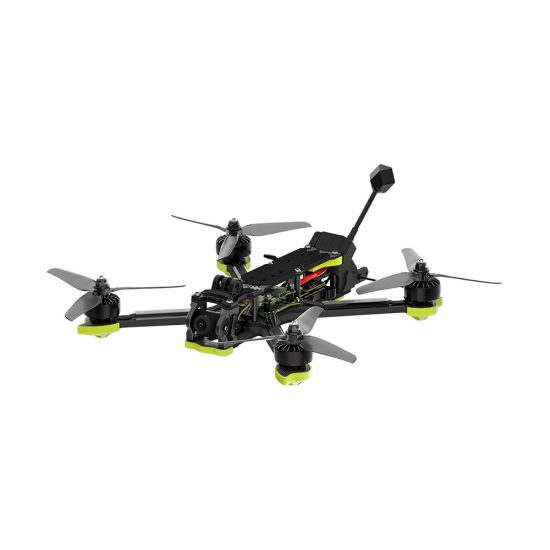


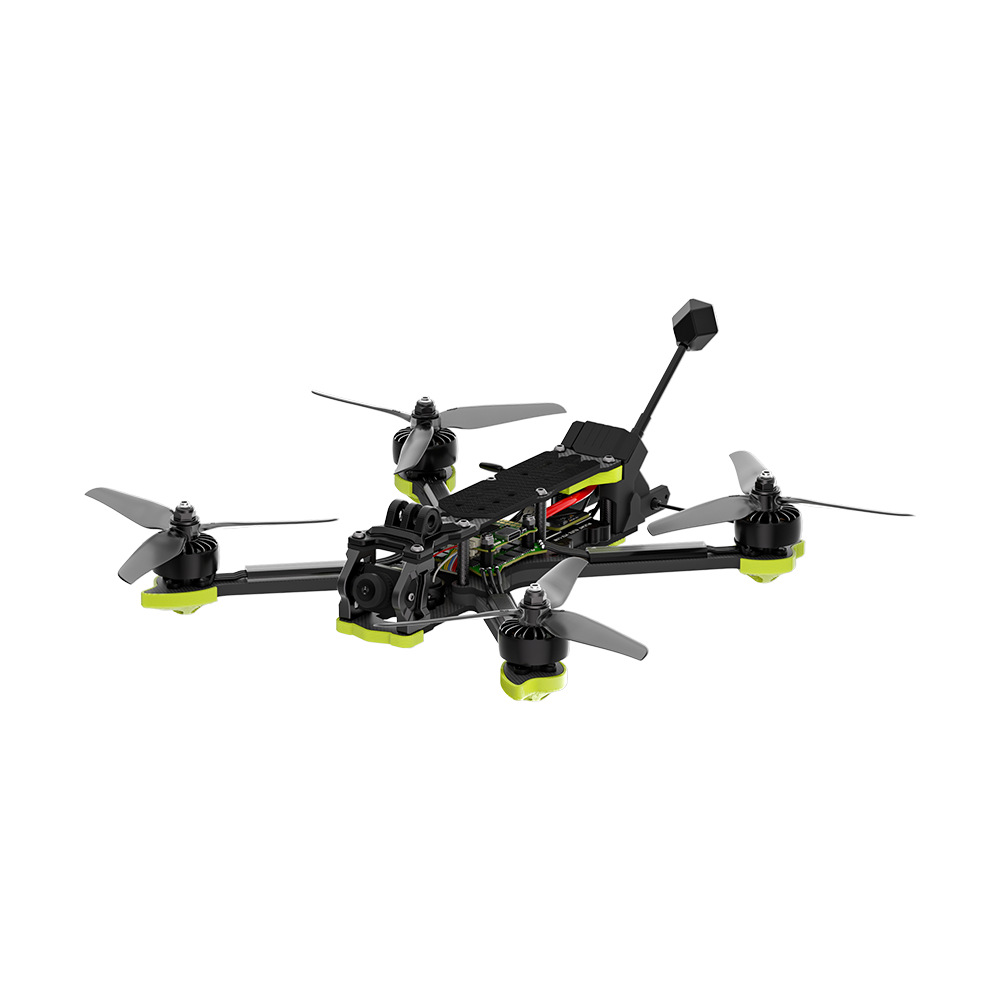


Quick Overview
Educational research drone key technologies refer to the core components, systems, and capabilities that make drones effective tools for academic learning and scientific innovation. These include programmability, modular design, sensor integration, data processing, and autonomous flight systems, all of which enable advanced research and hands-on education.
Introduction
As drone technology continues to evolve, its role in education and scientific research has become increasingly significant. From university laboratories to field-based environmental studies, drones are now essential tools for data collection, experimentation, and innovation.
However, not all drones are suitable for academic use. Educational research drones are defined by a set of key technologies that enable flexibility, customization, and advanced functionality. Understanding these core elements is crucial for institutions, researchers, and training centers seeking to invest in the right drone systems.
This article explores the key technologies of educational research drones, their applications, advantages, and how to select the most suitable platform for academic and research purposes.
What Are Educational Research Drone Key Technologies?
Educational research drone key technologies refer to the essential features and systems that allow drones to function as effective platforms for teaching and experimentation. These technologies go beyond basic flight and include software, hardware, and data processing capabilities.
They are designed to support:
- Academic learning
- Scientific research
- Engineering development
- Innovation and experimentation
By integrating these technologies, drones become powerful tools for both beginners and advanced researchers.
Core Key Technologies of Educational Research Drones
1. Open Programming Architecture
One of the most important features is the ability to program and customize drone behavior. Educational drones often support:
- Python programming
- C++ development
- Visual block-based coding
This allows students and researchers to create custom flight paths, develop AI algorithms, and test automation systems.
2. Modular Hardware Design
Modularity enables users to easily modify and upgrade the drone system. Key benefits include:
- Easy replacement of components
- Custom sensor integration
- Flexible configuration for different research needs
This is especially important for experimental projects where hardware changes are frequent.
3. Multi-Sensor Integration
Educational research drones support a wide range of sensors, such as:
- RGB cameras for imaging
- Thermal sensors for heat detection
- LiDAR for 3D mapping
- Environmental sensors (temperature, humidity, air quality)
These sensors allow for diverse research applications across multiple disciplines.
4. Autonomous Flight Systems
Advanced drones include autonomous flight capabilities, such as:
- Waypoint navigation
- Obstacle avoidance
- Automatic takeoff and landing
- AI-based tracking
These features enable complex experiments and reduce manual workload.
5. Data Acquisition and Processing
Data is at the core of research. Educational drones provide:
- High-resolution data collection
- Real-time data transmission
- Compatibility with data analysis software
This allows researchers to process and interpret data efficiently.
6. Simulation and Virtual Testing
Simulation platforms allow users to test algorithms and flight scenarios before real-world deployment. Benefits include:
- Reduced risk of damage
- Faster development cycles
- Enhanced learning experience
7. Communication and Control Systems
Reliable communication is essential for research operations. Key features include:
- Long-range transmission
- Stable signal connectivity
- Multi-device control integration
Applications in Education and Research
Engineering and Robotics
Students use drones to study control systems, electronics, and mechanical design.
Environmental Monitoring
Researchers collect data on ecosystems, pollution levels, and climate conditions.
Geographic and Mapping Studies
Drones provide accurate mapping data for urban planning and geological research.
Agricultural Research
Used for crop monitoring, soil analysis, and precision farming studies.
Artificial Intelligence Development
Drones serve as platforms for testing machine learning and computer vision algorithms.
Advantages of Educational Research Drone Technologies
Enhanced Learning Outcomes
Students gain practical experience that reinforces theoretical knowledge.
Flexibility and Customization
Modular and programmable systems allow for a wide range of applications.
Cost-Effective Research
Drones provide an affordable alternative to traditional data collection methods.
Real-World Application
Users can apply their skills in real-world scenarios, improving readiness for industry careers.
Innovation Support
These technologies encourage creativity and technological advancement.
How to Choose the Right Educational Research Drone
Identify Your Objectives
Determine whether the focus is on teaching, research, or both.
Evaluate Key Technologies
Ensure the drone includes essential features such as programmability and sensor integration.
Consider Expandability
Choose a system that can grow with your needs.
Assess Ease of Use
User-friendly systems are important for beginners.
Check Data Compatibility
Ensure compatibility with analysis tools and software platforms.
Budget Planning
Balance cost with features and long-term value.
Challenges and Considerations
Technical Complexity
Advanced features may require training and expertise.
Maintenance Requirements
Regular maintenance is necessary for optimal performance.
Regulatory Compliance
Drone usage must follow local laws and guidelines.
Initial Investment
High-quality systems may involve higher upfront costs.
Future Trends in Educational Research Drone Technologies
The future of educational drones is driven by innovation:
- AI-powered autonomous research drones
- Cloud-based collaborative platforms
- Integration with virtual and augmented reality
- Swarm drone systems for large-scale studies
- Advanced real-time data analytics
These trends will further expand the capabilities of drones in education and research.
Inquiry Diary: Real Buyer Scenario
Date: March 18
Client Location: Asia
Application: Research Laboratory Upgrade
“We are upgrading our research lab and need an advanced educational drone platform with key technologies such as open programming, multi-sensor integration, and autonomous flight capabilities. The system should support both teaching and experimental research. Please provide detailed specifications, pricing, and customization options.”
Response Summary:
- Recommended advanced modular drone system
- Supports Python and C++ programming
- Multi-sensor compatibility (camera, environmental modules, LiDAR optional)
- Autonomous flight and AI tracking supported
- Real-time data transmission system included
- Delivery time: 10–18 days
- OEM/ODM customization available
Follow-up Result:
The client confirmed sample testing and is planning a long-term procurement strategy for multiple research departments.
Why Educational Research Drone Key Technologies Matter
Understanding the key technologies behind educational research drones is essential for making informed decisions. These technologies determine:
- The effectiveness of learning programs
- The accuracy of research results
- The flexibility of applications
- The long-term value of the investment
Institutions that adopt advanced drone technologies can significantly enhance their teaching and research capabilities.
FAQ
Q1: What is the most important feature of an educational research drone?
Programmability is often considered the most critical feature, as it enables customization and experimentation.
Q2: Can these drones be used by beginners?
Yes, many systems are designed to support both beginners and advanced users.
Q3: Are educational drones customizable?
Yes, modular designs allow for extensive customization and upgrades.
Q4: What types of research can drones support?
They can support environmental, agricultural, engineering, and AI-related research.
Q5: Do these drones require special training?
Basic operation is easy, but advanced features may require training.
Conclusion
Educational research drone key technologies form the foundation of modern drone-based learning and innovation. By combining programmability, modular design, and advanced data capabilities, these drones empower students and researchers to explore new possibilities.
As demand for skilled professionals in technology and science continues to grow, investing in educational research drones with advanced key technologies is a strategic move for institutions worldwide.
If you are planning to upgrade your educational or research capabilities, selecting a drone system with the right key technologies will ensure long-term success and innovation.


No comments yet