


Quick Overview
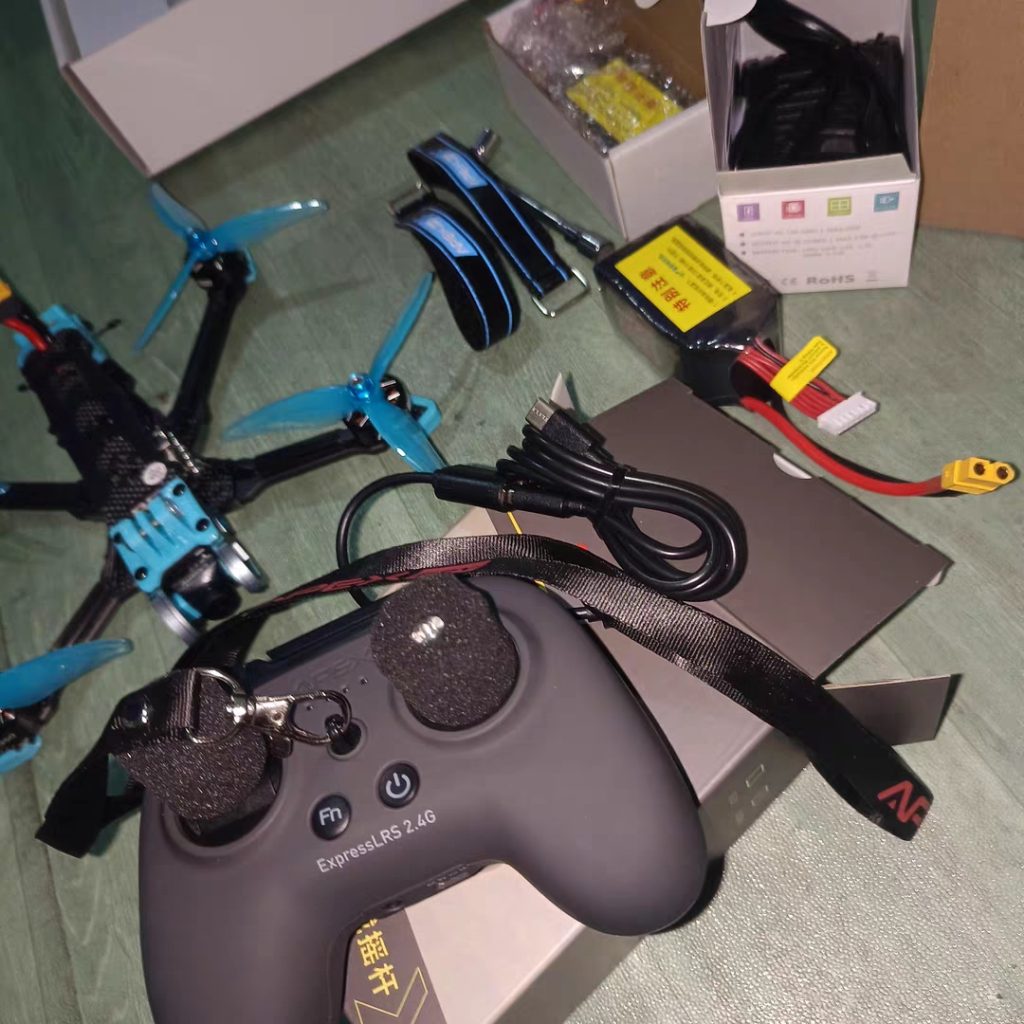
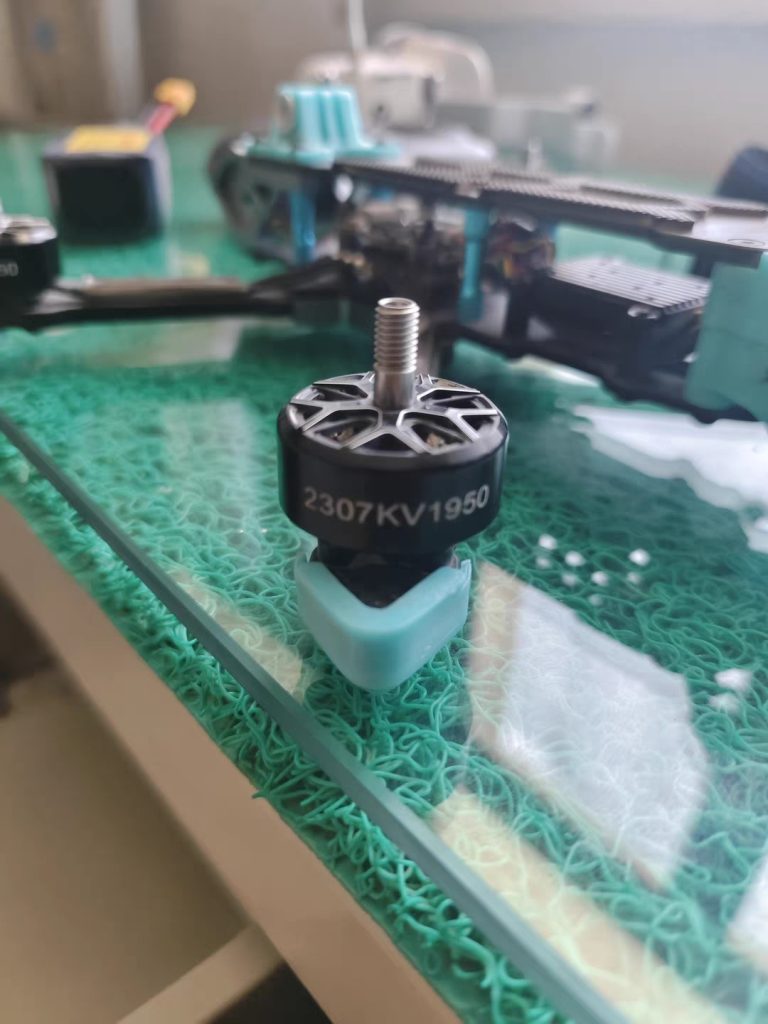
Educational drones are unmanned aerial vehicles designed to enhance learning through hands-on experience. They help students understand coding, robotics, aerodynamics, and real-world applications, making them indispensable tools for modern education.
Introduction
Education is rapidly evolving, with technology becoming a central part of teaching and learning. One of the most impactful innovations in modern classrooms is the use of educational drones. These drones provide a dynamic learning environment where students can engage with STEM concepts in a practical, interactive way.
Educational drones bridge the gap between theory and practice, offering real-world applications of engineering, programming, and scientific research. From primary schools to universities, they are transforming how students learn, explore, and innovate.
This article delves into the concept of educational drones, their key features, applications, advantages, and considerations for choosing the right system for academic purposes.
What Is an Educational Drone?
An educational drone is a UAV specifically designed for teaching and training purposes. Unlike recreational drones, these systems prioritize safety, ease of use, and learning opportunities. They are commonly used in:
- Schools and STEM programs
- Universities and research institutions
- Robotics and coding workshops
- Vocational training centers
- Drone pilot training programs
Educational drones allow students to learn by doing—experimenting with flight control, programming, and data collection in a safe and structured environment.
Key Features of Educational Drones
1. User-Friendly Controls
Educational drones are designed for beginners, featuring stable flight systems, simple controls, and intuitive operation. This ensures students can focus on learning concepts rather than struggling with difficult controls.
2. Programming and Coding Support
Many educational drones are compatible with programming environments, including:
- Block-based coding (Scratch, Blockly)
- Python for intermediate learners
- C++ for advanced students
This allows learners to create custom flight patterns, automate tasks, and develop problem-solving skills.
3. Durable and Safe Design
Drones used in education are built to withstand frequent handling and minor crashes. Key safety features often include:
- Propeller guards
- Impact-resistant materials
- Emergency stop functions
4. Modular and Expandable
Some drones allow students to attach sensors, cameras, and other components. This expandability enhances learning opportunities in robotics, environmental monitoring, and data collection.
5. Indoor and Outdoor Compatibility
Educational drones are suitable for both classroom and outdoor use, offering flexibility in teaching environments.
6. Real-Time Feedback
Drones provide immediate visual or operational feedback, helping students understand the results of their actions and improving learning outcomes.
Applications in Education
STEM Education
Educational drones are widely used in science, technology, engineering, and mathematics programs to make learning interactive and practical.
Coding and Robotics
Students learn programming by writing code to control drone movements and behaviors. Drones serve as an engaging platform for robotics and automation projects.
Physics and Aerodynamics
Flight principles such as lift, thrust, drag, and gravity are demonstrated in a real-world setting.
Team Projects and Competitions
Students collaborate to program, operate, and optimize drones, developing teamwork and problem-solving skills.
Environmental and Data Science Studies
Drones can be equipped with sensors to collect environmental data, such as temperature, humidity, or air quality, enabling practical field experiments.
Benefits of Educational Drones
Enhanced Student Engagement
Interactive drone activities increase interest and participation in STEM subjects.
Practical Skill Development
Students acquire hands-on experience in coding, flight control, and robotics.
Improved Understanding
Experiencing real-world applications of theory improves comprehension and retention.
Career Readiness
Skills learned through drone education are applicable in industries such as agriculture, logistics, media, and emergency services.
Encouraging Creativity
Drones provide students with opportunities to experiment, innovate, and develop projects independently.
How to Choose the Right Educational Drone
Skill Level
Select a drone suitable for the students’ experience and age.
Programming Support
Ensure the drone supports coding platforms appropriate for your curriculum.
Safety Features
Drones should include protective designs and emergency functions.
Durability
Choose a model built to withstand repeated use in classroom settings.
Flight Time
Longer battery life allows for more productive lessons and field exercises.
Expandability
Consider drones that can integrate additional sensors or cameras for advanced projects.
Challenges in Educational Drone Use
Learning Curve
Students may need time to become comfortable with flight and programming controls.
Maintenance Requirements
Regular upkeep is necessary to maintain optimal performance.
Budget Constraints
High-quality educational drones may require significant initial investment.
Regulatory Compliance
Drone operation must follow local aviation laws and safety guidelines.
Future Trends in Educational Drones
The development of educational drones is moving rapidly:
- AI-assisted learning and autonomous flight systems
- Cloud-based programming platforms
- Integration with virtual and augmented reality
- Swarm drones for collaborative learning
- Advanced sensor modules for environmental studies
These innovations will make drone-based learning even more versatile and effective.
Inquiry Diary: Real Buyer Scenario
Date: March 23
Client Location: Europe
Application: School STEM Program
“We are looking to integrate drones into our STEM curriculum. The drones should be beginner-friendly, safe for classroom use, and support coding and robotics lessons. We are also interested in bulk purchase and long-term cooperation. Please provide specifications and pricing.”
Response Summary:
- Recommended beginner-friendly educational drones
- Supports block-based coding and Python
- Safety features included for classroom environments
- Durable design suitable for frequent use
- Indoor and outdoor operation supported
- Delivery time: 7–14 days
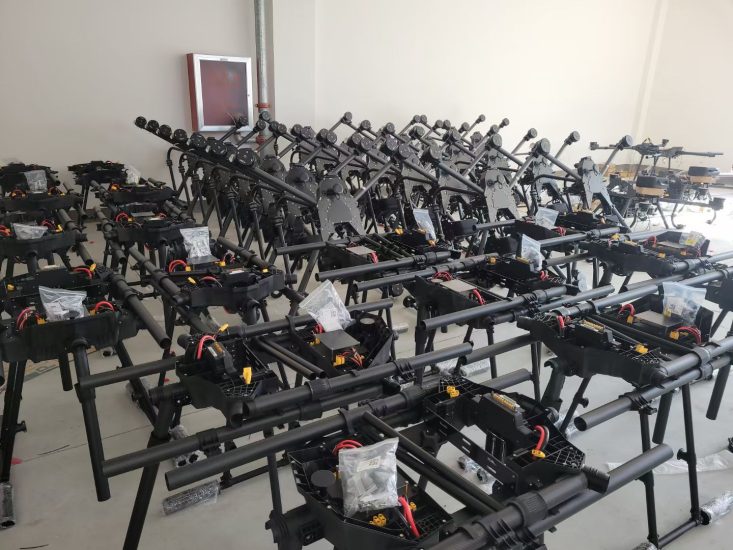
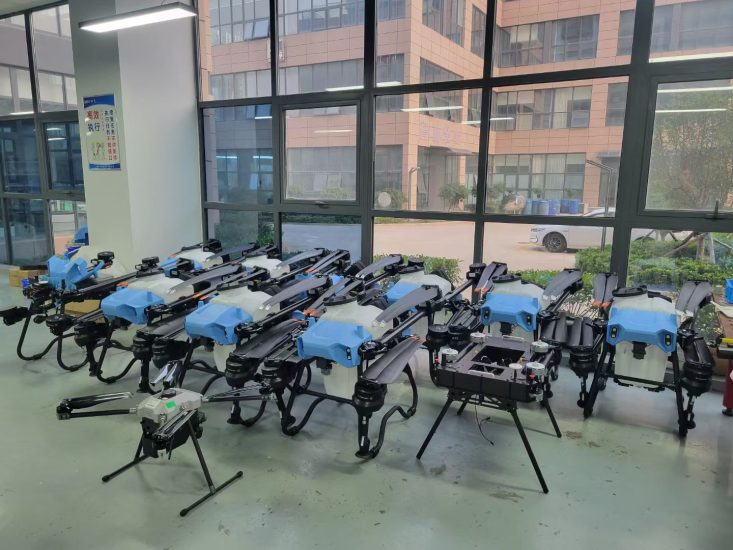
- Custom educational kits and OEM options available
Follow-up Result:
The client requested a trial batch and is planning a large-scale deployment for multiple classrooms.
Why Educational Drones Are Important
Educational drones provide a bridge between theory and practice. They allow students to apply concepts in programming, robotics, and engineering while fostering creativity and collaboration.
They help institutions:
- Modernize teaching methods
- Engage students in hands-on learning
- Develop practical and future-ready skills
- Promote innovation and teamwork
Educational drones are more than tools—they are transformative learning platforms.
FAQ
Q1: Are educational drones safe for students?
Yes, they are designed with safety features such as propeller guards and emergency stop functions.
Q2: Do students need prior coding experience?
No, drones can be used by beginners, and coding skills can be developed gradually.
Q3: Can drones be used indoors?
Yes, most educational drones are suitable for indoor use with stable flight systems.
Q4: What age group can use these drones?
They are adaptable for a wide range of students, from elementary school to university level.
Q5: How long do these drones fly per charge?
Typical flight times range from 10 to 30 minutes depending on the model.
Conclusion
Educational drones are revolutionizing how students learn by combining interactive, hands-on experiences with technology education. They provide practical knowledge, foster creativity, and prepare students for careers in STEM fields.
Institutions that adopt educational drones offer students an engaging, modern learning environment and equip them with valuable skills for the future.
Investing in educational drones is a strategic choice for schools, universities, and training centers aiming to modernize their curriculum, improve learning outcomes, and encourage innovation.


No comments yet