

Introduction to Drone Technology
Drones, also known as unmanned aerial vehicles (UAVs), have rapidly evolved from niche military tools into widely used commercial, industrial, and consumer technologies. Today, drones are transforming industries such as agriculture, logistics, construction, energy inspection, filmmaking, emergency response, and environmental monitoring.
With continuous advancements in flight control systems, battery efficiency, artificial intelligence, and sensor integration, modern drones are more intelligent, reliable, and accessible than ever before. This article provides a comprehensive overview of drone technology, key applications, technical components, regulatory considerations, and future trends, offering valuable insights for buyers, operators, and businesses worldwide.
What Is a Drone?
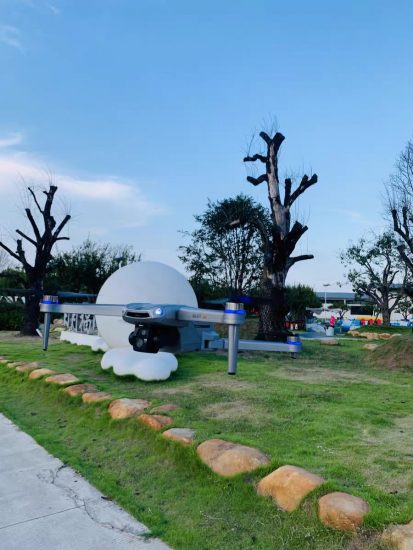
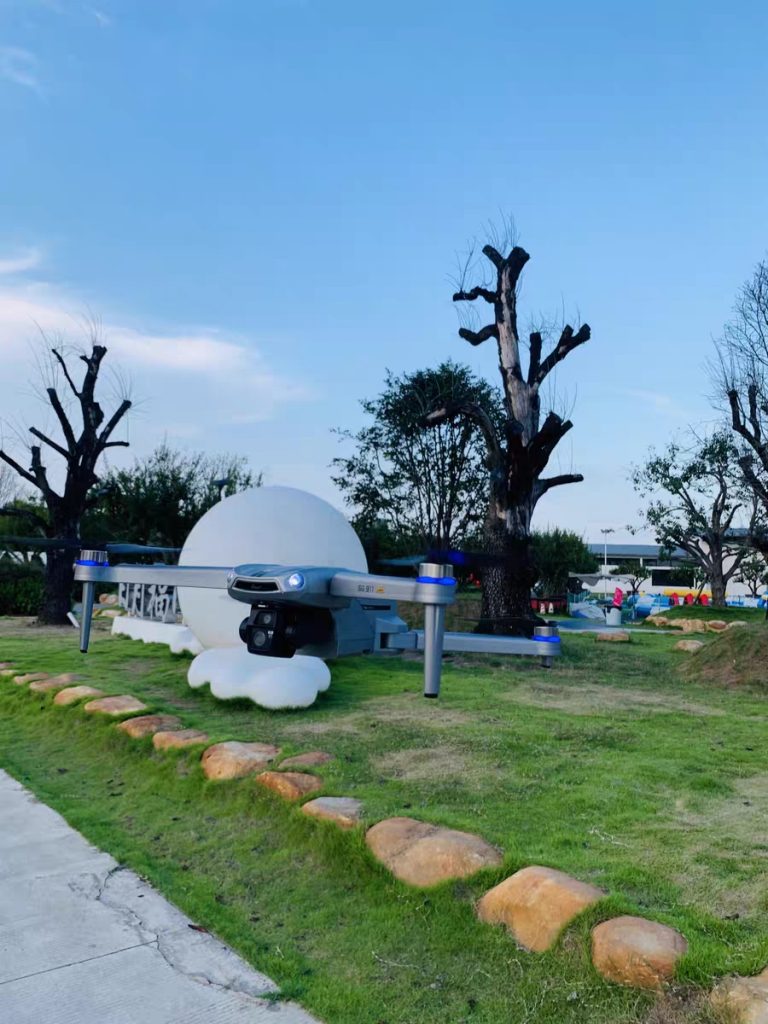
A drone is an aircraft that operates without a human pilot onboard. It can be remotely controlled by an operator or fly autonomously using onboard software, GPS navigation, and sensors. Drones vary significantly in size, payload capacity, endurance, and purpose, ranging from small consumer quadcopters to heavy-lift industrial UAVs.
Common Drone Classifications
- Multirotor drones – Vertical takeoff and landing, easy to operate, widely used for photography and inspection
- Fixed-wing drones – Longer flight time, ideal for large-area mapping and surveying
- Hybrid VTOL drones – Combine vertical takeoff with fixed-wing efficiency
- Single-rotor drones – Helicopter-style UAVs for heavy payloads and long endurance
Core Components of a Drone System
Understanding drone hardware and software is essential for evaluating performance and application suitability.
1. Flight Control System
The flight controller acts as the brain of the drone, processing sensor data and controlling motors to maintain stable flight. Advanced systems support autonomous missions, waypoint navigation, obstacle avoidance, and return-to-home functions.
2. Propulsion and Power System
Drone propulsion includes motors, electronic speed controllers (ESCs), and propellers. Power is typically supplied by high-density lithium batteries, with increasing adoption of smart battery management systems to improve safety and lifespan.
3. Navigation and Sensors
Modern drones integrate multiple sensors, including:
- GPS and GNSS modules
- Gyroscopes and accelerometers
- Barometers and magnetometers
- Vision sensors and LiDAR (for advanced models)
These sensors enable precise positioning, terrain following, and intelligent flight control.
4. Payload and Imaging Systems
Payloads vary depending on the application and may include:
- High-resolution RGB cameras
- Thermal imaging cameras
- Multispectral and hyperspectral sensors
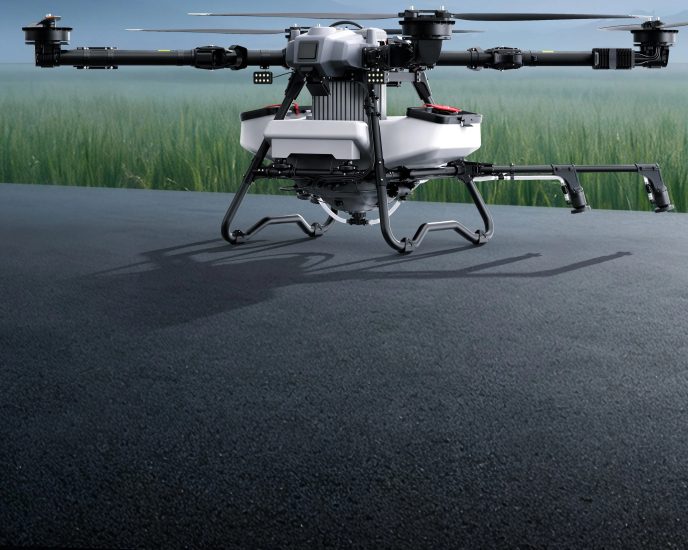
- Spraying systems for agriculture
- Delivery containers for logistics
Major Applications of Drones
Agricultural Drones
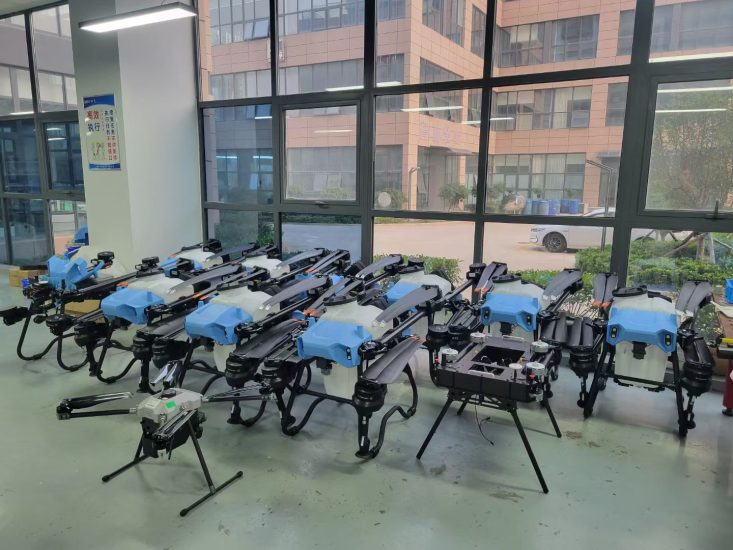
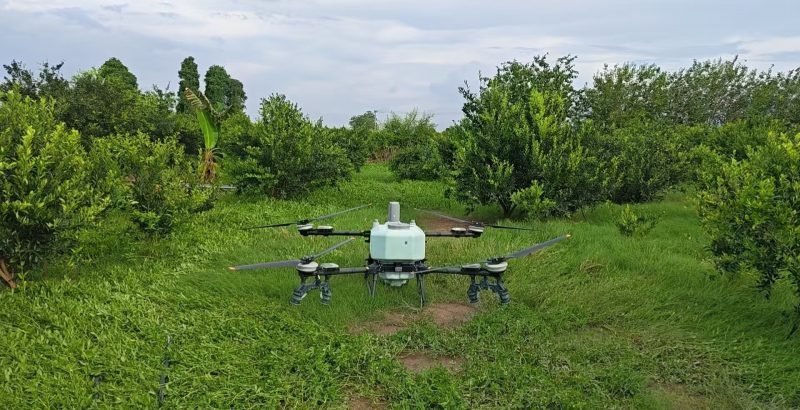
Agricultural drones are widely used for crop spraying, seeding, fertilizing, and field monitoring. They help farmers reduce labor costs, optimize chemical usage, and increase crop yields through precision agriculture.
Key benefits include:
- Uniform spraying coverage
- Reduced water and pesticide consumption
- Access to difficult terrain
- Real-time crop health analysis
Industrial Inspection and Maintenance
Drones are increasingly deployed for inspecting infrastructure such as power lines, wind turbines, pipelines, bridges, and solar farms. Compared to traditional inspection methods, drones improve safety and efficiency while reducing downtime.
Advantages include:
- High-resolution close-range inspection
- Reduced need for scaffolding or shutdowns
- Faster data collection and reporting
Mapping, Surveying, and GIS
Surveying drones equipped with RTK or PPK systems provide centimeter-level accuracy for land mapping, construction planning, and mining operations. They are widely used for:
- Topographic surveys
- 3D terrain modeling
- Volume measurement
- Urban planning
Logistics and Aerial Delivery
Drone delivery is gaining momentum in remote and time-sensitive scenarios. UAVs can transport medical supplies, emergency equipment, and lightweight parcels with minimal infrastructure requirements.
Key advantages include:
- Rapid point-to-point delivery
- Reduced transportation costs
- Access to remote or disaster-affected areas
Aerial Photography and Media Production
Drones have revolutionized photography and videography by enabling dynamic aerial perspectives. They are extensively used in film production, real estate marketing, tourism promotion, and live events.
Features commonly required include:
- Stabilized gimbal systems
- High-resolution video recording
- Intelligent tracking modes
Autonomous and Intelligent Drone Systems
Artificial intelligence and automation are shaping the next generation of drone technology. Intelligent drones can analyze data in real time, identify objects, and adapt flight behavior based on environmental conditions.
Key AI-Driven Capabilities
- Obstacle detection and avoidance
- Autonomous route planning
- Target recognition
- Data analytics and cloud integration
These features significantly reduce operator workload and improve mission accuracy.
Drone Regulations and Compliance
Drone regulations vary by country and region, but most aviation authorities impose rules related to safety, airspace usage, and operator certification.
Common regulatory requirements include:
- Drone registration
- Pilot licensing or training
- Flight altitude and distance limits
- Restrictions near airports and populated areas
Businesses using drones for commercial purposes must ensure full compliance with local aviation laws to avoid penalties and operational risks.
Choosing the Right Drone for Your Needs
When selecting a drone, buyers should consider the following factors:
- Flight time and battery capacity
- Payload capability
- Environmental resistance (wind, rain, dust)
- Software compatibility and data output
- Maintenance and spare parts availability
Customizable and modular drone platforms are increasingly popular, allowing users to adapt UAVs to multiple applications.
Manufacturing and Custom Drone Solutions
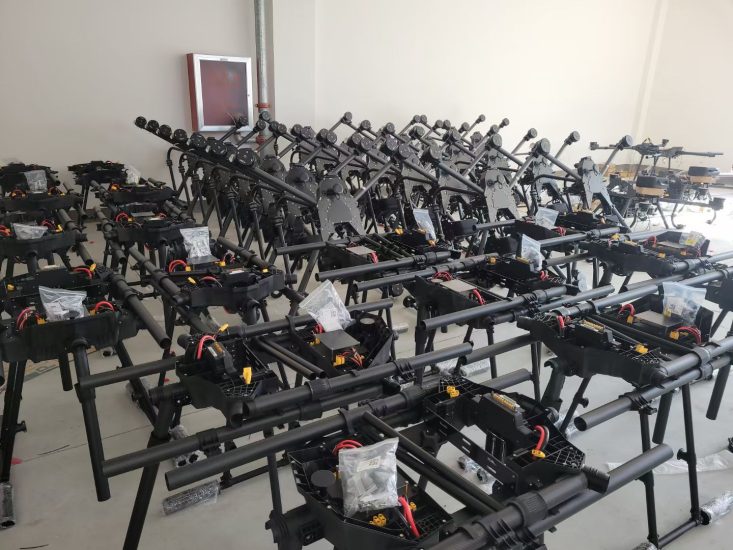
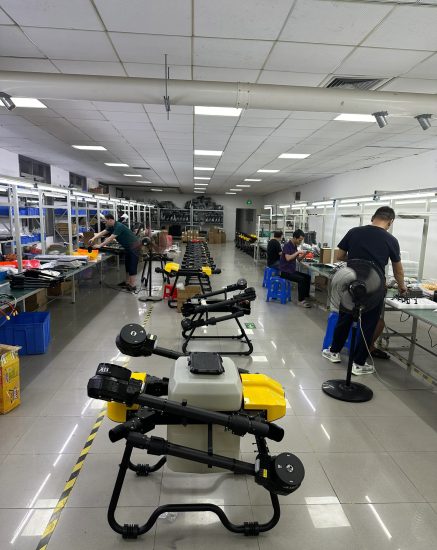
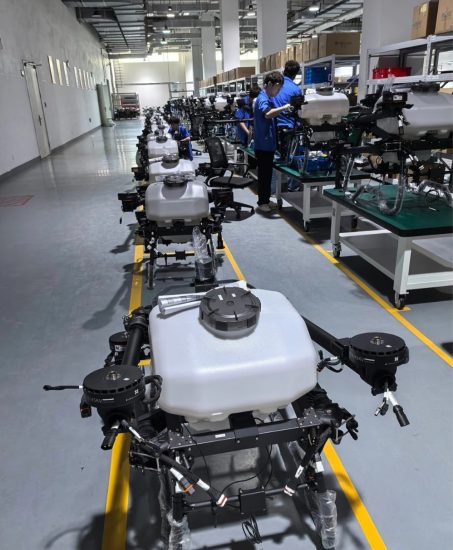
Many professional users require customized drone solutions tailored to specific operational needs. OEM and ODM drone manufacturing enables:
- Customized airframes and payloads
- Private labeling
- Specialized software integration
- Compliance with regional standards
Custom drone development is especially important for agriculture, defense support, surveying, and industrial automation.
Future Trends in the Drone Industry
The drone industry is expected to experience sustained growth driven by technological innovation and expanding use cases.
Emerging Trends Include:
- Longer endurance through improved batteries and hybrid power systems
- Expanded use of swarm technology
- Integration with 5G and satellite communication
- Increased adoption of fully autonomous operations
- Enhanced environmental sustainability
As regulations become more standardized, drones will play an even greater role in global logistics, smart cities, and digital infrastructure.
Conclusion
Drones have evolved into indispensable tools across multiple industries, offering efficiency, safety, and data-driven insights that traditional methods cannot match. From agriculture and inspection to logistics and mapping, UAV technology continues to redefine how work is performed in the air.
For businesses and professionals seeking competitive advantages, investing in the right drone solutions and staying informed about industry trends is essential. As technology advances and applications expand, drones will remain a key driver of innovation in the global economy.


No comments yet