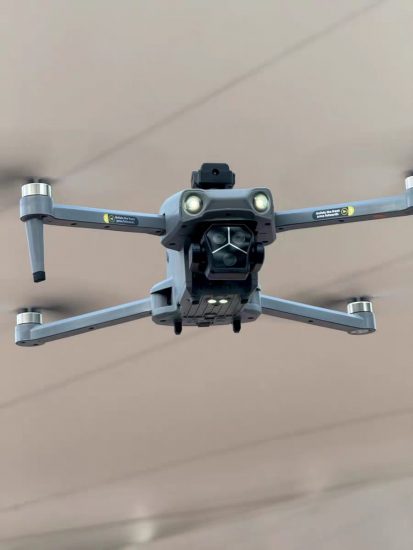




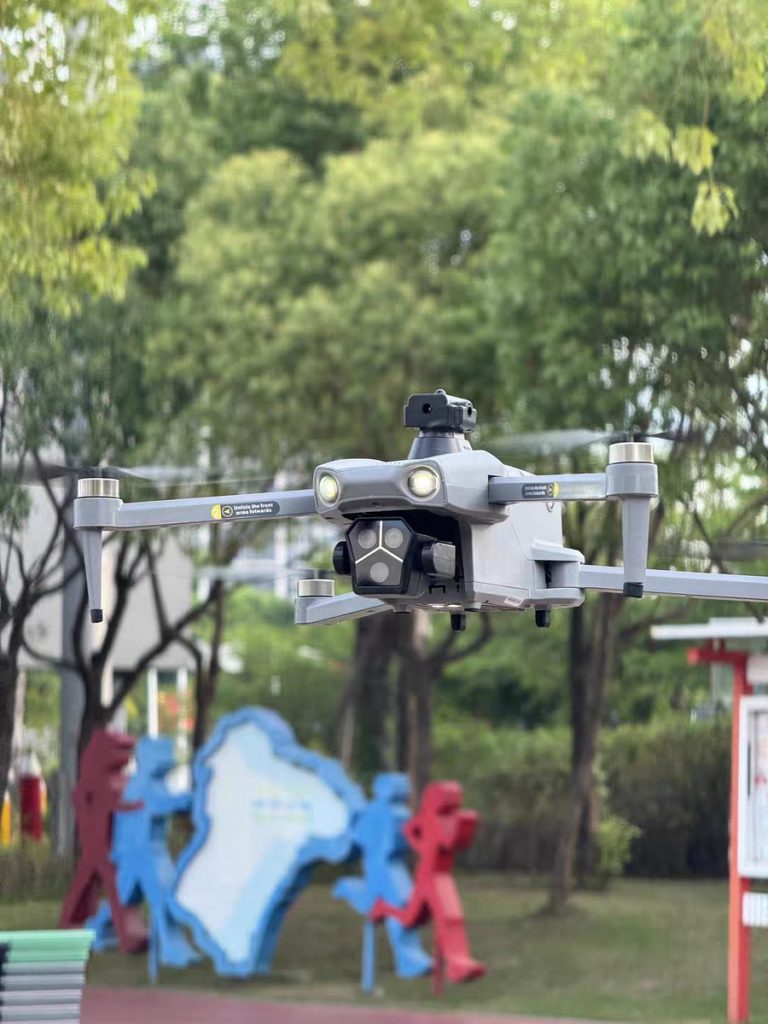
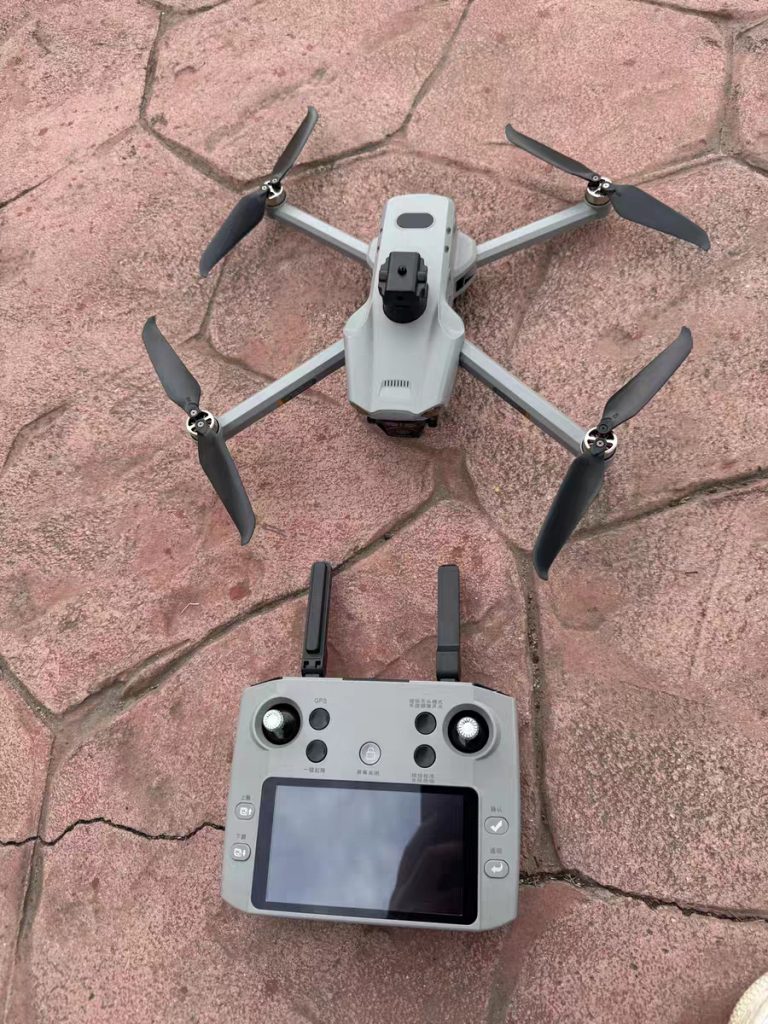
 The rapid advancement of drone technology has revolutionized the way industries operate worldwide. Once primarily used for military purposes, drones—also called unmanned aerial vehicles (UAVs)—have expanded into diverse sectors, including agriculture, logistics, construction, energy, and environmental monitoring. Their ability to gather precise data, perform complex tasks, and reach inaccessible areas makes drones an indispensable tool for modern businesses.
This article explores the impact of drones on industrial processes, the technology behind them, emerging applications, market trends, challenges, and the potential for future innovation.
1. Evolution of Drone Technology
The origin of drones can be traced back to the early 20th century when engineers experimented with radio-controlled aircraft for reconnaissance and military exercises. During the 1990s and early 2000s, miniaturization of sensors, improvements in battery technology, and GPS navigation systems accelerated the development of drones suitable for civilian use.
Today’s industrial drones integrate advanced flight controllers, high-definition cameras, LiDAR sensors, and AI algorithms to execute autonomous missions. The combination of hardware and software enables drones to perform tasks previously impossible or highly risky for humans, opening a new era of efficiency and precision in industrial operations.
2. Core Components of Industrial Drones
Understanding drone technology requires an overview of its primary components:
-
Frame and Design
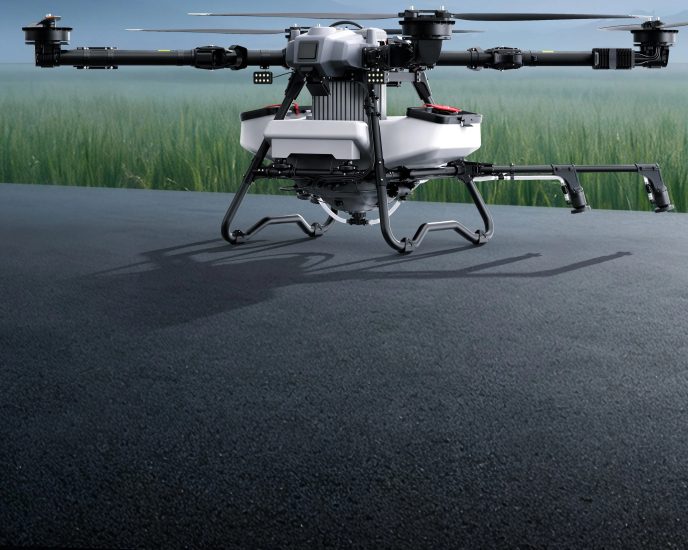
Most industrial drones are built using lightweight and durable materials such as carbon fiber or reinforced plastic. Multirotor designs, such as quadcopters, hexacopters, and octocopters, are widely used because of their stability and ability to carry heavy payloads. -
Motors and Propellers
Electric brushless motors power propellers that generate lift. The number and size of propellers influence flight stability, efficiency, and payload capacity. -
Power Systems
Lithium-polymer (LiPo) batteries are commonly used, providing high energy density. For longer operations, hybrid systems and fuel cell technology are being adopted to extend flight endurance. -
Flight Controllers
Modern drones employ sophisticated flight control units with autopilot capabilities. These controllers integrate GPS, accelerometers, gyroscopes, and barometers to maintain stability, navigate waypoints, and avoid obstacles. -
Sensors and Imaging Equipment
Depending on the application, drones carry high-resolution cameras, thermal sensors, multispectral cameras, and LiDAR systems. These sensors collect detailed data for mapping, surveying, inspection, and monitoring tasks. -
Communication Modules
Drones rely on radio, 4G/5G, or satellite communication to transmit data to ground stations. Advanced systems also use encrypted links for secure operations in industrial or governmental environments.
3. Industrial Applications of Drones
Drones are transforming multiple industries by enhancing efficiency, reducing costs, and providing unprecedented insights.
3.1 Agriculture
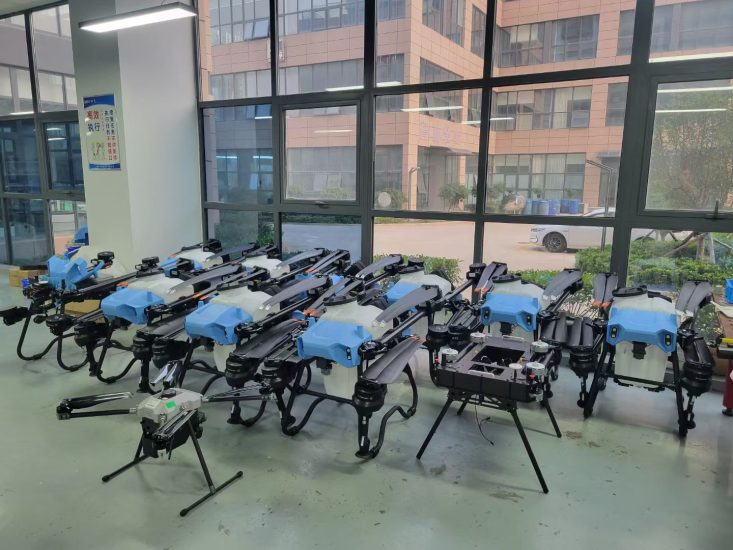
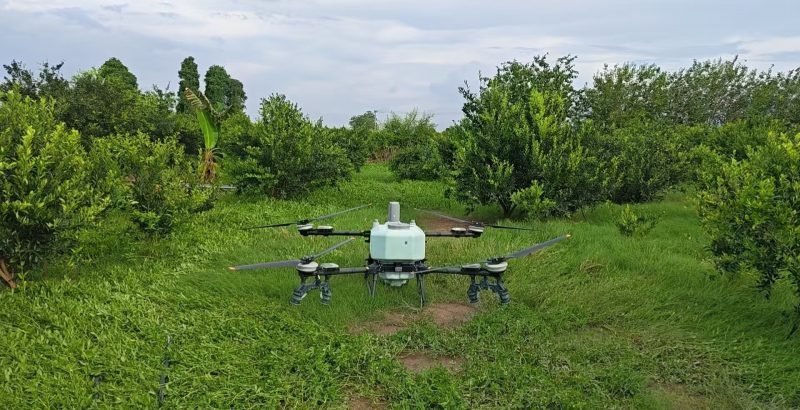
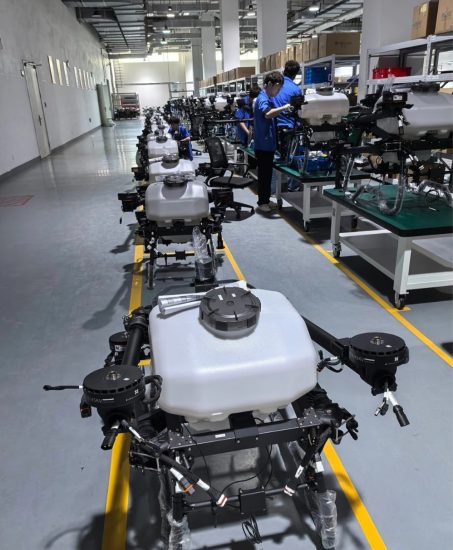
Precision agriculture is one of the fastest-growing sectors for drone usage. Drones equipped with multispectral cameras help farmers monitor crop health, detect disease, and assess soil conditions. Spraying drones deliver fertilizers and pesticides more accurately and efficiently than traditional methods, reducing waste and labor costs.
Example: Vineyards in Europe are increasingly adopting drones to detect early signs of disease, ensuring higher yields and better-quality produce.
3.2 Logistics and Supply Chain
The logistics sector benefits from drones by enabling faster, cost-effective delivery solutions. Light payload drones are used to transport medical supplies, spare parts, and urgent goods to remote or congested areas. Integration with warehouse management systems and AI-assisted routing further optimizes delivery efficiency.
Example: Drone delivery trials in Southeast Asia have successfully transported medical equipment across islands in under an hour, significantly improving emergency response times.
3.3 Construction and Infrastructure
In construction, drones perform site surveying, progress monitoring, and safety inspections. Equipped with LiDAR or photogrammetry tools, drones create accurate 3D maps, detect structural anomalies, and monitor workforce activity, helping project managers save time and reduce risks.
3.4 Energy and Utilities
Energy companies deploy drones to inspect pipelines, wind turbines, and solar farms. High-resolution imaging and thermal cameras identify faults, overheating, and maintenance needs without risking personnel. This reduces downtime and operational costs while enhancing safety.
3.5 Environmental and Wildlife Monitoring
Drones are valuable tools for environmental research and wildlife conservation. Equipped with cameras, sensors, and tracking devices, drones monitor animal populations, detect illegal logging, and assess environmental changes. Their ability to access difficult terrains makes them invaluable in ecological studies.
3.6 Emergency Response
Drones assist emergency responders in natural disasters, fires, and accidents. Thermal imaging helps locate survivors in challenging conditions, while drones can deliver critical supplies to areas inaccessible by vehicles.
4. Advantages of Industrial Drones
- Efficiency: Automated flight reduces human labor and operational time.
- Safety: Drones perform tasks in hazardous environments, minimizing risk to personnel.
- Data Accuracy: Advanced sensors capture precise measurements for analytics and decision-making.
- Cost Reduction: Reduced manpower, faster inspections, and lower operational costs improve ROI.
- Flexibility: Drones can access areas that are otherwise unreachable or dangerous.
5. Challenges in Drone Deployment
Despite their advantages, drones face several challenges:
- Regulatory Restrictions: Airspace rules, pilot licensing, and restricted zones can limit operations.
- Battery Limitations: Flight times are constrained by battery capacity, particularly for heavy payloads.
- Weather Sensitivity: Wind, rain, and extreme temperatures impact performance and safety.
- Data Security: Industrial operations require secure data transmission and protection against cyber threats.
- Cost of High-End Systems: Advanced industrial drones are expensive to purchase and maintain, limiting accessibility for small businesses.
6. Emerging Trends in Drone Technology
-
Artificial Intelligence (AI): AI enables autonomous flight, obstacle avoidance, and real-time data processing. AI-assisted drones can analyze crops, infrastructure, or environmental data instantly.
-
Swarm Drones: Coordinated groups of drones work together for mapping, seeding, or monitoring large areas efficiently.
-
Extended Flight Duration: Hybrid power systems, solar integration, and improved battery chemistry are extending drone endurance for long missions.
-
5G Connectivity: High-speed networks enable real-time control and data transmission, opening new possibilities in urban logistics and remote industrial operations.
-
Hybrid VTOL Drones: Combining vertical takeoff and fixed-wing efficiency, VTOL drones carry heavier payloads over longer distances while maintaining operational flexibility.
7. Global Drone Market Outlook
The commercial drone market is projected to grow rapidly, reaching tens of billions of dollars in the next decade. Key drivers include:
- Rising demand for efficient logistics and delivery solutions
- Adoption in agriculture for precision farming
- Infrastructure monitoring and smart city projects
- Expansion in emergency and disaster management operations
Leading drone manufacturers, such as DJI, Autel, and Parrot, are expanding their global footprint, while new startups focus on niche markets like autonomous delivery, inspection drones, and AI-powered analytics.
8. Legal and Ethical Considerations
As drones become widespread, legal and ethical issues emerge:
- Privacy Concerns: Aerial surveillance may infringe on individual privacy rights.
- Airspace Safety: Integrating drones with traditional aviation requires traffic management systems and regulations.
- Ethical Use of AI: Autonomous drones must balance operational efficiency with safety and responsibility.
- Environmental Impact: While drones reduce some emissions, large-scale production and battery disposal raise sustainability concerns.
9. The Future of Industrial Drones
The next decade will see drones increasingly integrated into industrial ecosystems:
- Automated Delivery Networks: Drone fleets will handle deliveries around the clock, reducing urban congestion.
- Urban Air Mobility (UAM): Passenger drones and air taxis may revolutionize city transportation.
- Enhanced Environmental Monitoring: AI-powered drones will provide continuous data on climate change, pollution, and natural resource management.
- Scientific Exploration: Drones will assist in research missions in extreme environments, from volcanoes to polar regions.
10. Conclusion
Drones have emerged as transformative tools, reshaping industrial operations, logistics, agriculture, and emergency response. With advancements in AI, sensor technology, and connectivity, drones are poised to become more intelligent, autonomous, and pervasive in everyday business operations.
While challenges like regulation, flight endurance, and data security remain, the opportunities are enormous. Businesses embracing drones can expect increased efficiency, safety, and insights, ultimately driving innovation and competitiveness in a rapidly evolving global market.
Industrial drones are not just a technological trend—they represent a paradigm shift in how industries approach work, data, and problem-solving. The sky is no longer the limit; drones are redefining the boundaries of what is possible.


No comments yet