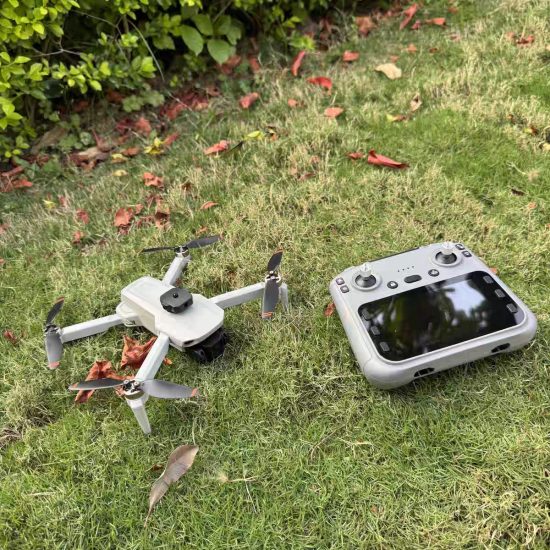




The ocean has always been a source of inspiration for photographers. Its endless horizon, ever-changing waves, and dramatic interaction with light create scenes that are both powerful and peaceful. With the rise of drone technology, capturing the ocean from above has become one of the most exciting trends in modern photography.
Aerial ocean photography offers a perspective that cannot be achieved from boats, beaches, or cliffs. From revealing underwater sand patterns to following rolling waves at sunrise, drones allow creators to tell visual stories that were once impossible.
Why Use a Drone for Ocean Photography?
1. A Unique Perspective
Traditional photography limits your angle. A drone lets you:
- Reveal wave formations from above
- Capture coral reefs and shallow-water textures
- Follow moving boats or surfers
- Show scale between humans and nature
- Create cinematic compositions
This top-down or wide-angle perspective gives ocean photos a dramatic, modern look.
2. Freedom of Movement
Unlike helicopters or boats, drones can hover, move slowly, and reposition instantly. This flexibility is crucial when working with fast-changing conditions such as tides, clouds, and reflections.
With a drone, you can:
- Track waves in motion
- Adjust height in seconds
- Reframe shots instantly
- Capture multiple angles in one flight
3. Perfect for Storytelling
Ocean photography is not just about beauty—it is about emotion. Aerial shots can show isolation, power, calmness, and scale in ways ground-based photography cannot.
Key Features a Drone Needs for Ocean Photography
Not every drone is suitable for shooting over the sea. Saltwater, wind, glare, and unpredictable weather make the ocean one of the most challenging environments.
Here are the most important features:
1. Strong Wind Resistance
Coastal areas are often windy. A good ocean photography drone must maintain stability even in strong gusts.
Look for:
- Advanced stabilization systems
- Powerful motors
- Intelligent wind compensation
- High-precision hovering
2. High-Quality Camera Sensor
Water reflects light intensely, especially during midday. A high-quality sensor helps preserve details in highlights and shadows.
Essential features include:
- Wide dynamic range
- RAW photo support
- Low noise performance
- Natural color reproduction
3. Advanced Gimbal Stabilization
Waves and wind create constant motion. A professional gimbal ensures:
- Level horizons
- Smooth framing
- Sharp long-exposure shots
- Stable panoramas
4. Long Battery Life
Flying over the ocean often means limited access to charging. A longer flight time allows you to wait for the perfect moment—when the light, clouds, and waves align.
5. Reliable Signal Transmission
Over open water, signal loss can be dangerous. A drone must have:
- Stable long-range transmission
- Low-latency live view
- Automatic return-to-home systems
Best Times for Aerial Ocean Photography
Golden Hour
The hour after sunrise and before sunset is ideal. The light is soft, warm, and directional, creating long shadows on waves and cliffs.
Blue Hour
This short period before sunrise or after sunset creates calm, moody tones that work beautifully for minimalistic ocean scenes.
Midday (With the Right Conditions)
While harsh, midday light can be perfect for:
- Turquoise water
- Coral reefs
- Sand patterns
- Shallow water textures
Creative Ideas for Ocean Drone Photography
1. Top-Down Abstract Patterns
Waves, foam, and sand create natural abstract art when viewed from above.
2. Minimalist Compositions
A single boat, surfer, or swimmer in a vast blue ocean creates a powerful visual story.
3. Long Exposure Effects
Some drones support advanced stabilization that allows long exposure shots, turning waves into soft, dreamy textures.
4. Panorama Oceanscapes
Wide ocean panoramas showcase the vastness of the sea and the dramatic scale of nature.
5. Wildlife Tracking (From a Safe Distance)
Drones can capture dolphins, whales, and schools of fish without disturbing them—when used responsibly and legally.
Safety Tips for Flying Over the Ocean
Flying over water carries risk. Follow these professional tips:
- Always check weather and wind conditions
- Avoid flying too low near strong waves
- Keep visual line of sight
- Use GPS positioning
- Set a safe return-to-home altitude
- Carry spare batteries
- Avoid sudden descents
Saltwater is highly corrosive, so never let your drone touch the ocean.
Legal and Ethical Considerations
Ocean environments are often protected. Always:
- Follow local drone laws
- Respect wildlife protection rules
- Avoid disturbing animals
- Stay away from crowded beaches
- Never chase marine animals
Responsible flying protects both nature and your equipment.
How Aerial Ocean Photography Is Used Professionally
Drone ocean photography is not just for social media—it is widely used in:
- Travel marketing
- Resort promotions
- Real estate coastal properties
- Environmental documentaries
- Marine research
- Tourism campaigns
High-quality aerial ocean images have strong commercial value.
The Future of Ocean Drone Photography
Drone technology continues to evolve. Future ocean photography drones will likely include:
- AI wave tracking
- Automatic horizon leveling
- Advanced glare reduction
- Smart exposure for water reflections
- Improved waterproofing
This will allow creators to capture even more dramatic and precise shots.
Final Thoughts
Ocean aerial photography is a perfect blend of technology and art. With the right drone, photographers can explore new creative possibilities, document nature from breathtaking angles, and tell powerful visual stories.
Whether you are a professional or a passionate hobbyist, shooting the ocean from above opens a world of inspiration—one wave at a time.



No comments yet