

![Image [1]-Drone vs UAV: What Is the Difference? A Complete Guide by MSOEN-msoen](https://www.msoen.com/wp-content/uploads/2026/03/20260306074142458-1000020854-1024x837.jpg)
![Image [2]-Drone vs UAV: What Is the Difference? A Complete Guide by MSOEN-msoen](https://www.msoen.com/wp-content/uploads/2026/03/20260306074132806-1000020859-1024x768.jpg)
![Image [3]-Drone vs UAV: What Is the Difference? A Complete Guide by MSOEN-msoen](https://www.msoen.com/wp-content/uploads/2026/03/20260306074131355-1000020857.jpg)
![Image [4]-Drone vs UAV: What Is the Difference? A Complete Guide by MSOEN-msoen](https://www.msoen.com/wp-content/uploads/2026/03/20260306074142279-1000020853-1024x846.jpg)
![Image [5]-Drone vs UAV: What Is the Difference? A Complete Guide by MSOEN-msoen](https://www.msoen.com/wp-content/uploads/2026/03/20260306074023820-1000020862.jpg)
![Image [6]-Drone vs UAV: What Is the Difference? A Complete Guide by MSOEN-msoen](https://www.msoen.com/wp-content/uploads/2026/03/20260306074023184-1000020861-1024x768.jpg)
![Image [7]-Drone vs UAV: What Is the Difference? A Complete Guide by MSOEN-msoen](https://www.msoen.com/wp-content/uploads/2026/03/a477fd3c6e011114-1024x768.jpg)
![Image [8]-Drone vs UAV: What Is the Difference? A Complete Guide by MSOEN-msoen](https://www.msoen.com/wp-content/uploads/2026/03/2f0e2850cf010957.jpg)
📦 Quick Explanation
Many people use the words drone and UAV interchangeably, but they are not exactly the same. While both refer to aircraft that fly without a human pilot onboard, their meanings, usage contexts, and technical definitions can differ.
In this detailed guide by MSOEN, we explain the difference between drones and UAVs, how these terms developed, and why understanding the distinction matters in industries such as agriculture, aerial photography, mapping, and industrial inspection.
Introduction to Unmanned Aircraft Technology
Unmanned aircraft have become an important part of modern technology. Over the past decade, advancements in electronics, navigation systems, and battery efficiency have made unmanned flight more accessible than ever before.
Today, unmanned aircraft are used in many sectors, including:
- Agriculture
- Infrastructure inspection
- Environmental monitoring
- Film and photography
- Logistics and delivery
- Security and surveillance
However, when people talk about these flying machines, they often use two different terms: drone and UAV.
Although they refer to similar technologies, the two terms have slightly different meanings depending on the context in which they are used.
Companies such as MSOEN, which develop professional UAV platforms, often use the term UAV in technical and industrial environments.
Understanding the difference between these terms helps clarify discussions about modern aerial technology.
What Is a Drone?
The word drone is the most widely used term in everyday conversation. It generally refers to any flying device that operates without a human pilot onboard.
The term originally appeared in military aviation many decades ago. Early unmanned aircraft produced a constant humming sound during flight, similar to the buzzing sound of a bee. Because of this sound, they were nicknamed “drones.”
Over time, the word became widely adopted to describe unmanned flying machines of many types.
Today, when people say “drone,” they usually mean devices such as:
- Consumer camera drones
- Recreational quadcopters
- Small aerial photography drones
- Toy drones for beginners
The term is widely used in media, marketing, and everyday language because it is simple and easy to understand.
However, in professional engineering and aviation industries, the term UAV is often preferred.
What Is a UAV?
UAV stands for Unmanned Aerial Vehicle.
This is the technical term used in aviation, engineering, and regulatory environments.
A UAV refers specifically to the aircraft itself — the flying machine without a human pilot.
In professional contexts, UAV systems are often part of a larger operational structure called a UAS (Unmanned Aircraft System).
A complete UAS includes:
- The UAV aircraft
- Ground control station
- Communication systems
- Navigation software
- Sensors or payload equipment
Companies like MSOEN use the term UAV when describing professional drone platforms designed for industrial or agricultural operations.
Because UAV is a more precise technical term, it is commonly used in research papers, engineering documents, and aviation regulations.
Key Differences Between Drone and UAV
Although the two terms are often used interchangeably, there are several subtle differences.
1. Language Context
The word drone is informal and widely used in everyday conversation.
The term UAV is more technical and commonly used in professional industries.
For example:
A hobbyist might say:
“I’m flying my drone.”
An engineer might say:
“This UAV platform has advanced navigation capabilities.”
2. Technical Precision
The word UAV refers specifically to the aircraft component of an unmanned flight system.
The word drone can sometimes refer to the entire system, including cameras, sensors, and ground control.
Because of this distinction, aviation authorities often prefer the term UAV.
3. Industry Usage
Different industries tend to favor different terminology.
Consumer markets typically use the term drone.
Professional industries often use UAV.
Examples include:
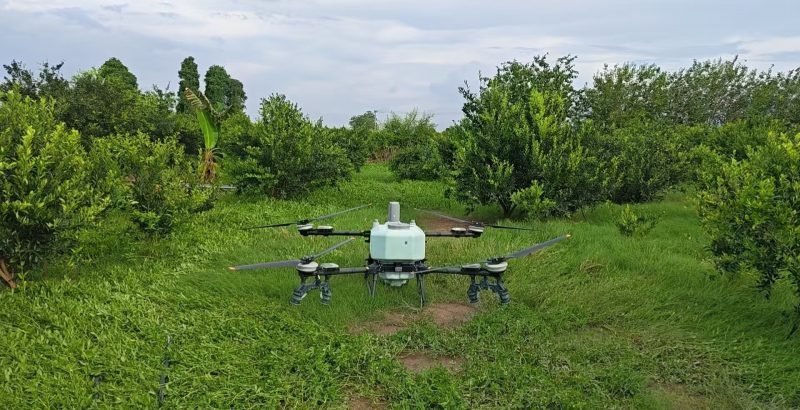
Agriculture companies discussing crop spraying equipment may refer to agricultural UAVs.
Engineering teams working on autonomous flight algorithms typically refer to UAV platforms.
At MSOEN, both terms may appear depending on whether the discussion is aimed at general users or professional clients.
Types of UAV and Drone Platforms
Unmanned aircraft systems come in many different forms depending on their purpose and design.
Multi-Rotor Drones
Multi-rotor drones are the most common type used today.
They typically include:
- Quadcopters
- Hexacopters
- Octocopters
These drones are popular because they can hover in place and provide excellent maneuverability.
Applications include:
- Aerial photography
- Infrastructure inspection
- Agricultural spraying
Fixed-Wing UAV
Fixed-wing UAVs resemble traditional airplanes.
Instead of hovering, they fly forward using aerodynamic lift generated by their wings.
These UAVs are often used for:
- Large-scale land mapping
- Environmental monitoring
- Long-distance aerial surveys
Because of their efficient design, fixed-wing UAVs can fly much longer distances than multi-rotor drones.
Why the Terminology Matters
Understanding the difference between drones and UAVs can be important in several situations.
Regulatory Compliance
Aviation authorities often use specific terminology in regulations. Many laws refer to unmanned aircraft as UAVs or UAS systems.
Industry Communication
Professionals in aerospace engineering, agriculture technology, and robotics often prefer precise terminology.
Using the correct term can help avoid confusion when discussing technical systems.
Marketing and Public Understanding
For general audiences, the word drone is easier to recognize.
For professional applications, UAV communicates technical sophistication.
Manufacturers such as MSOEN often use both terms depending on the audience they are addressing.
Future Development of Drone and UAV Technology
The unmanned aviation industry continues to evolve rapidly.
Several emerging trends are shaping the future of UAV systems.
Autonomous Flight Systems
Advanced software is allowing drones to navigate complex environments without direct human control.
Smart Agriculture
Agricultural UAVs are helping farmers improve crop yields while reducing chemical use and labor costs.
Artificial Intelligence Integration
AI systems are improving obstacle detection, mapping accuracy, and mission planning.
Long-Endurance Flight
Improved battery technology and hybrid propulsion systems are increasing drone flight time significantly.
Companies like MSOEN continue to research and develop advanced UAV platforms that combine intelligent flight systems with high-efficiency engineering.
Conclusion
Although the words drone and UAV are often used interchangeably, they have slightly different meanings.
The word drone is widely used in everyday language and typically refers to consumer or recreational unmanned aircraft. The term UAV, which stands for Unmanned Aerial Vehicle, is the more precise technical term used in engineering, aviation, and professional industries.
Understanding this distinction helps clarify discussions about modern aerial technology and ensures more accurate communication in technical environments.
As drone technology continues to advance, both terms will remain important in describing the rapidly expanding world of unmanned aviation.
Companies like MSOEN are contributing to this technological evolution by developing innovative UAV systems designed for agriculture, industrial inspection, and advanced aerial applications.
FAQ
Are drones and UAVs the same thing?
They are closely related. A drone is a general term, while UAV is the technical term for an unmanned aircraft.
Why do professionals use the term UAV?
Because UAV is more precise and commonly used in engineering and aviation industries.
What does UAS mean?
UAS stands for Unmanned Aircraft System, which includes the UAV aircraft, ground control station, and communication systems.


No comments yet