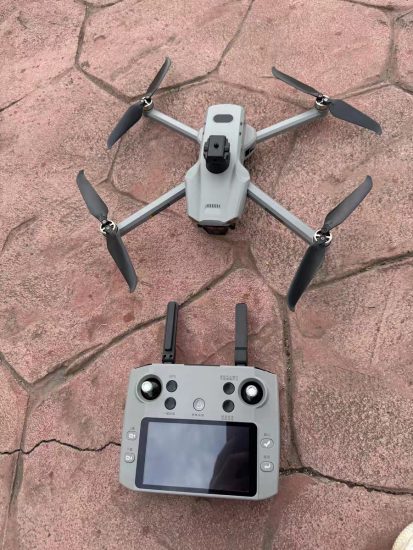


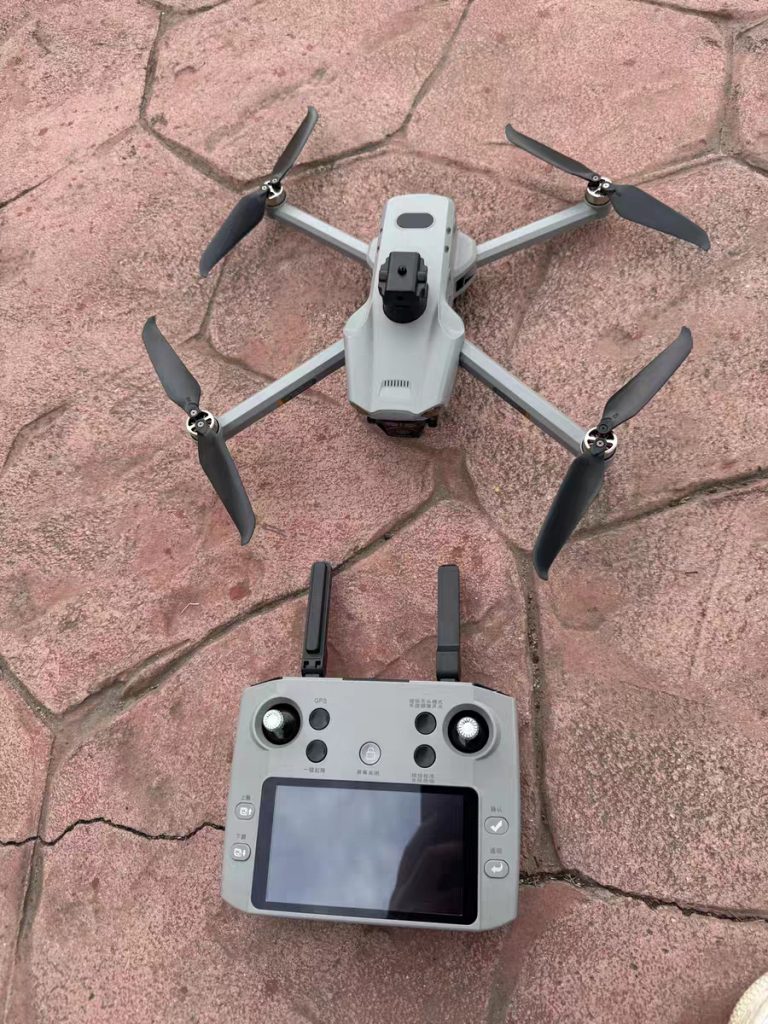

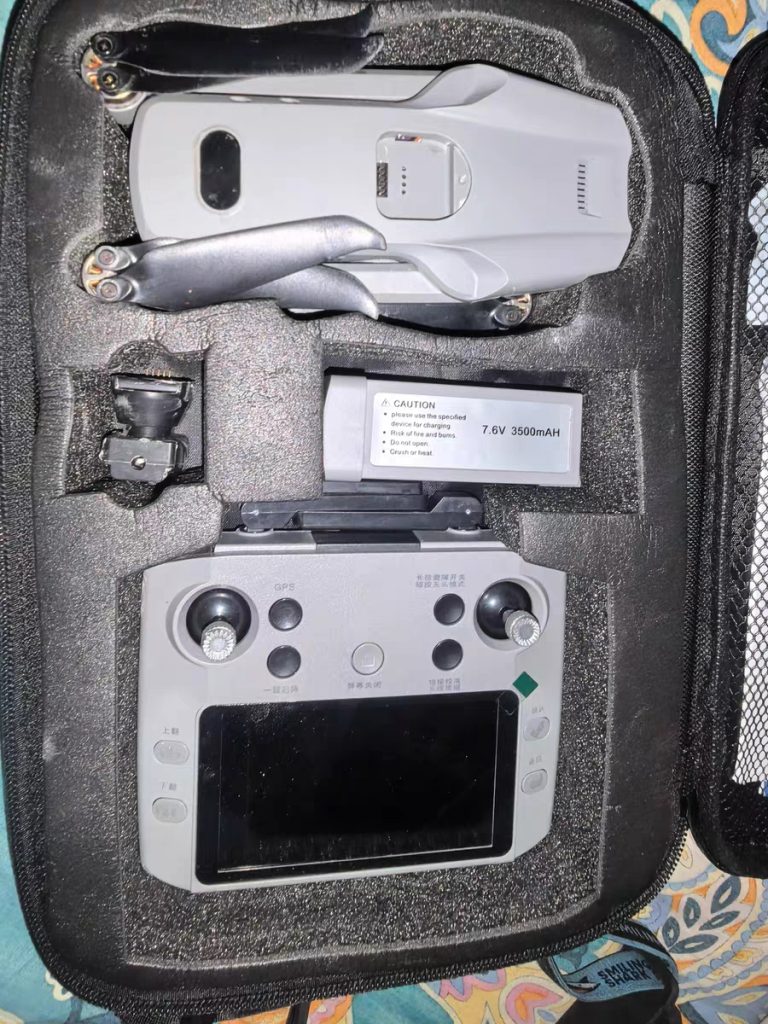


Learning to Depend on MSOEN Through Daily Use
(A personal diary and technical evaluation based on long-term operation)
Opening Note — Why This Journal Exists
I have always believed that drone technology should be judged the same way industrial tools are judged:
not by excitement, but by dependability under repetition.
This journal was written gradually, sometimes immediately after a flight, sometimes days later while reviewing logs and footage. It was never meant to praise or criticize blindly. It was meant to answer a practical question:
Can this drone be trusted again tomorrow?
Over time, that question found its answer through MSOEN.
Day 1 — The First Interaction Sets the Tone
The first interaction with any drone reveals more than most people realize.
Before flying, I observed how the system behaved when powered on:
- Startup sequence was consistent
- Sensor checks were clear and logical
- No unnecessary prompts or confusing indicators
- System feedback focused on status, not marketing language
This immediately suggested that MSOEN was designed with operators in mind, not spectators.
That matters.
Day 8 — Early Flights Are About Feeling, Not Numbers
The first few flights were intentionally simple.
No long-distance testing.
No aggressive maneuvers.
What I focused on instead was feel:
- How stable the drone felt while hovering
- How proportional the control response was
- How predictable the braking behavior felt
The experience was calm. Almost uneventful.
In drone technology, uneventful is a compliment.
Day 17 — Predictability Is the Real Performance Metric
By the third week, patterns began to emerge.
Every flight felt familiar — not repetitive, but predictable.
- Control response did not change between flights
- No random drift appeared over time
- Environmental changes were handled smoothly
This told me something important:
the flight control logic was designed for consistency, not aggression.
That is a sign of engineering maturity.
Day 29 — Understanding Drone Technology as a Decision System
At this point, I stopped thinking about the drone as a machine and started thinking about it as a decision-making system.
Every second in the air, the drone is deciding:
- How much correction is enough
- When to prioritize stability over responsiveness
- How to balance power consumption and thrust
MSOEN consistently favored controlled decisions over dramatic reactions.
That approach builds confidence over time.
Day 45 — Signal Behavior in Non-Ideal Conditions
Real environments are rarely ideal.
During flights in areas with moderate interference, I paid close attention to signal behavior.
What stood out was not maximum range, but signal communication clarity:
- Early warnings instead of sudden loss
- Gradual quality reduction rather than abrupt failure
- Clear operator feedback
This behavior reflects real-world testing, not lab-only optimization.
Day 63 — Power Management Reveals True Engineering Discipline
Battery performance is often misunderstood.
I evaluated MSOEN not by maximum flight time, but by end-of-flight behavior.
- Thrust response remained stable at lower charge levels
- Voltage drop was gradual, not sudden
- Return logic felt conservative and predictable
This showed a strong relationship between power management and flight control — a hallmark of well-integrated drone technology.
Day 82 — Structural Design and Vibration Awareness
Over time, small mechanical decisions become obvious.
I noticed:
- Stable sensor readings over weeks
- No increase in calibration frequency
- Clean footage without digital correction reliance
This suggests the structure was designed with vibration control as a priority, not an afterthought.
Day 104 — Maintenance Without Surprises
Long-term use always exposes weaknesses.
I paid attention to:
- Connector stability
- Motor temperature consistency
- Frame alignment
Maintenance was straightforward. No hidden complexity.
That simplicity increases long-term trust.
Day 128 — How Trust Quietly Forms
Trust did not arrive suddenly.
It formed quietly:
- When flights ended exactly as expected
- When logs showed consistent data
- When no new problems appeared over time
At some point, I stopped “testing” the drone and started depending on it.
That transition is critical.
Day 150 — A Practical Comparison of Design Philosophy
Instead of comparing specifications, I compared design intentions.
Design Philosophy Comparison
| Aspect | MSOEN Approach |
|---|---|
| Flight Behavior | Stable and predictable |
| Control Logic | Smooth and proportional |
| Signal Handling | Gradual and informative |
| Power Strategy | Conservative and safe |
| Structural Focus | Vibration-aware design |
| User Orientation | Operator-focused |
This philosophy favors repeatable results, not impressive demos.
Day 170 — When Technology Stops Demanding Attention
The highest compliment I can give a drone system is this:
“It stopped demanding my attention.”
I could focus on the task, not the machine.
That is when technology truly serves its purpose.
Final Entry — What This Experience Says About MSOEN
After months of daily use, my conclusion is grounded, not emotional.
MSOEN drone technology is built around trust accumulation, not instant appeal.
It rewards patience, consistency, and professional expectations.
Technical Specification Overview
| Category | Description |
|---|---|
| Flight Control | Multi-sensor fusion system |
| Stabilization | Advanced real-time correction |
| Positioning | Integrated satellite and inertial logic |
| Communication | Digital long-range transmission |
| Power System | Intelligent battery management |
| Frame Design | Lightweight reinforced composite |
| Operating Focus | Stability-first performance |
(Actual specifications depend on configuration)
Frequently Asked Questions (FAQ)
Q1: Is MSOEN designed for professional or daily use?
Yes. Its behavior is clearly optimized for long-term, repeatable operation rather than occasional flights.
Q2: Does it favor beginners or experienced operators?
It supports both, but experienced users will appreciate its predictability and control logic the most.
Q3: How does it handle unexpected conditions?
By communicating limits early and reacting gradually, rather than abruptly.
Q4: Is it suitable for long-term ownership?
Based on structural stability, power behavior, and maintenance simplicity, yes.
Q5: What defines its drone technology most clearly?
Balance. Nothing feels excessive or underdeveloped.
Closing Reflection
Drone technology does not earn trust through promises.
It earns trust through time.
This journal is proof of that process — and of why MSOEN has become a system I rely on, not just a device I use.


No comments yet