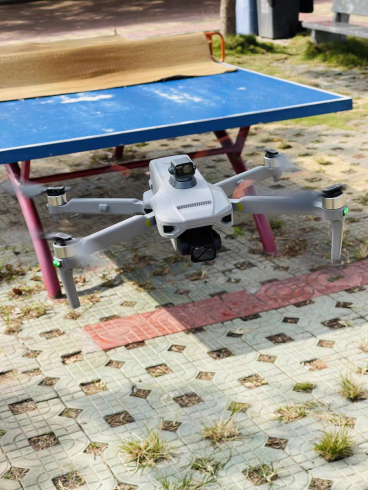


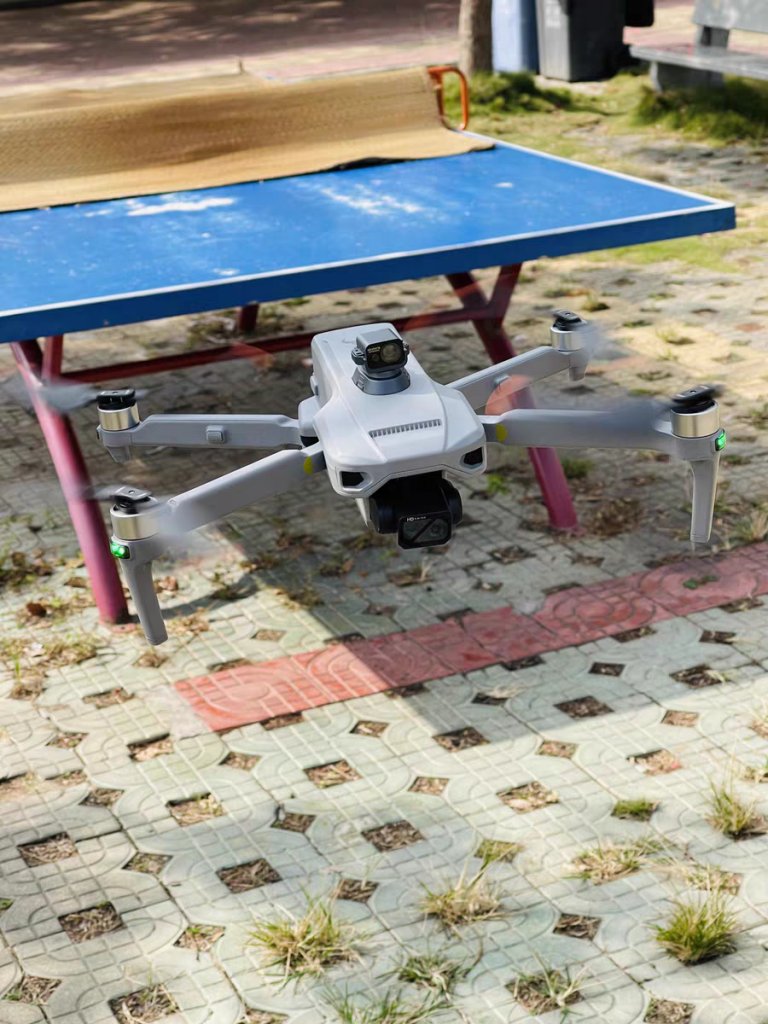
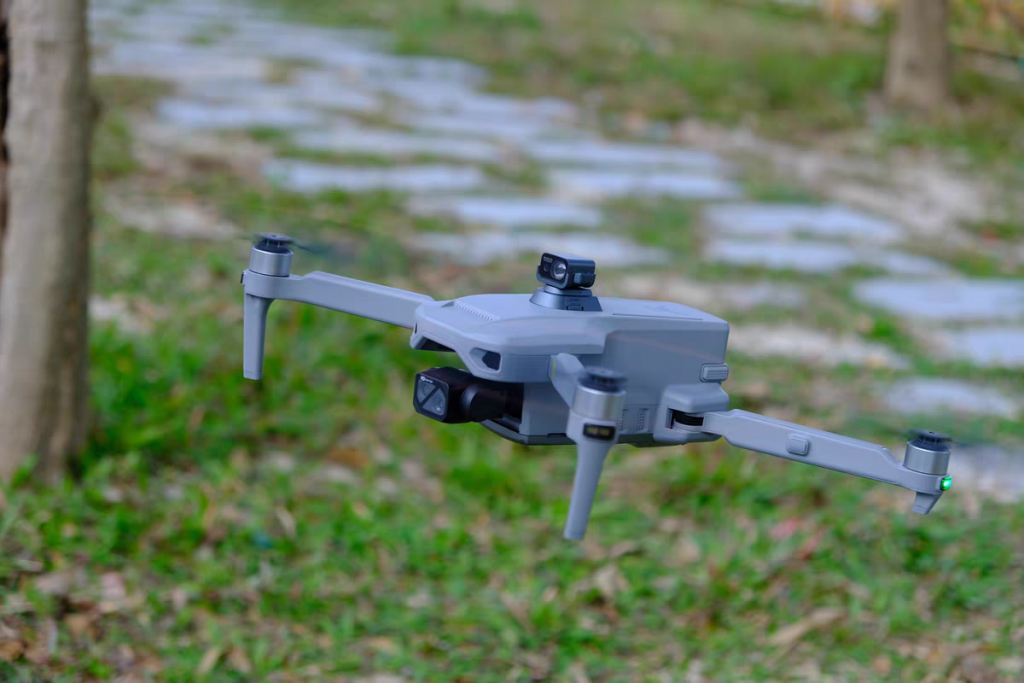
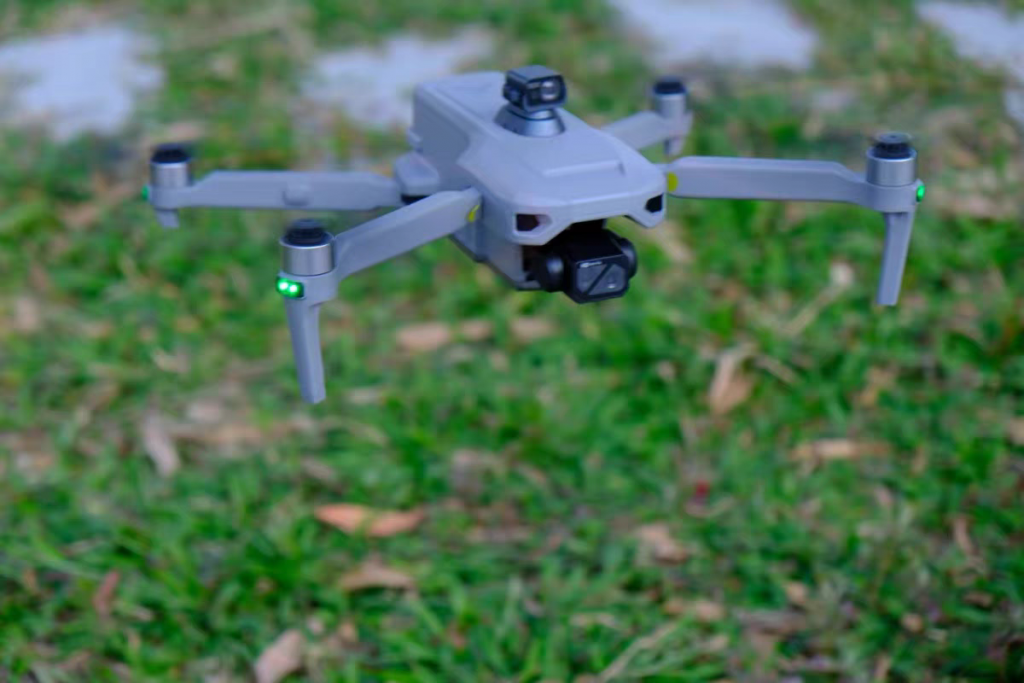

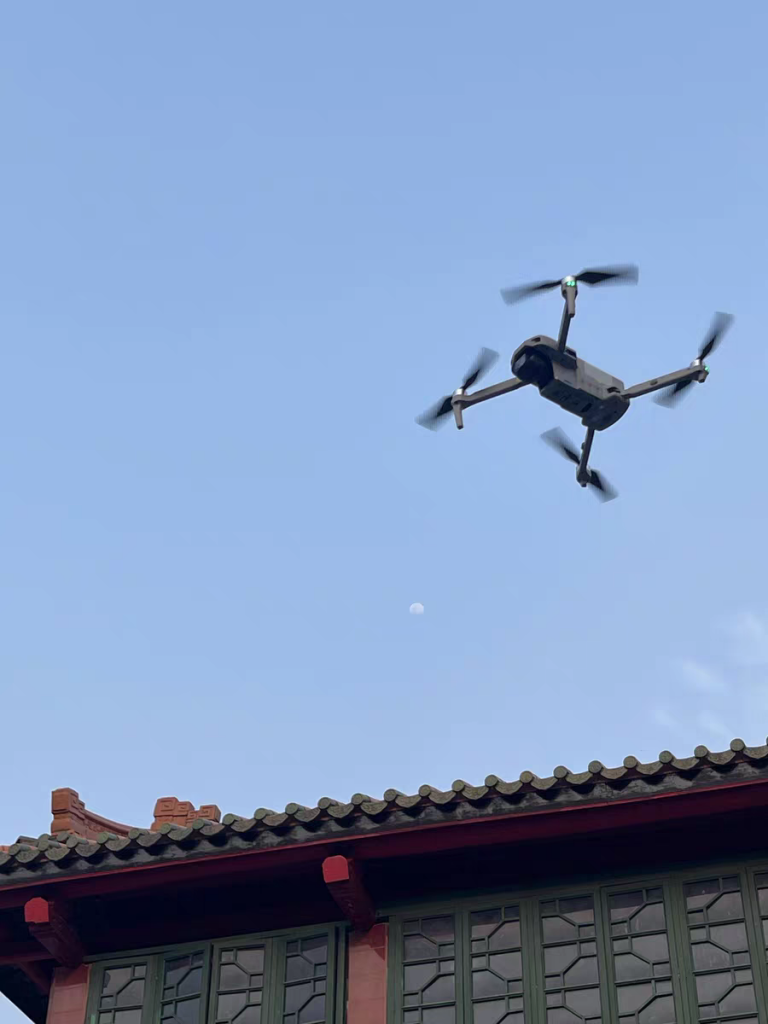
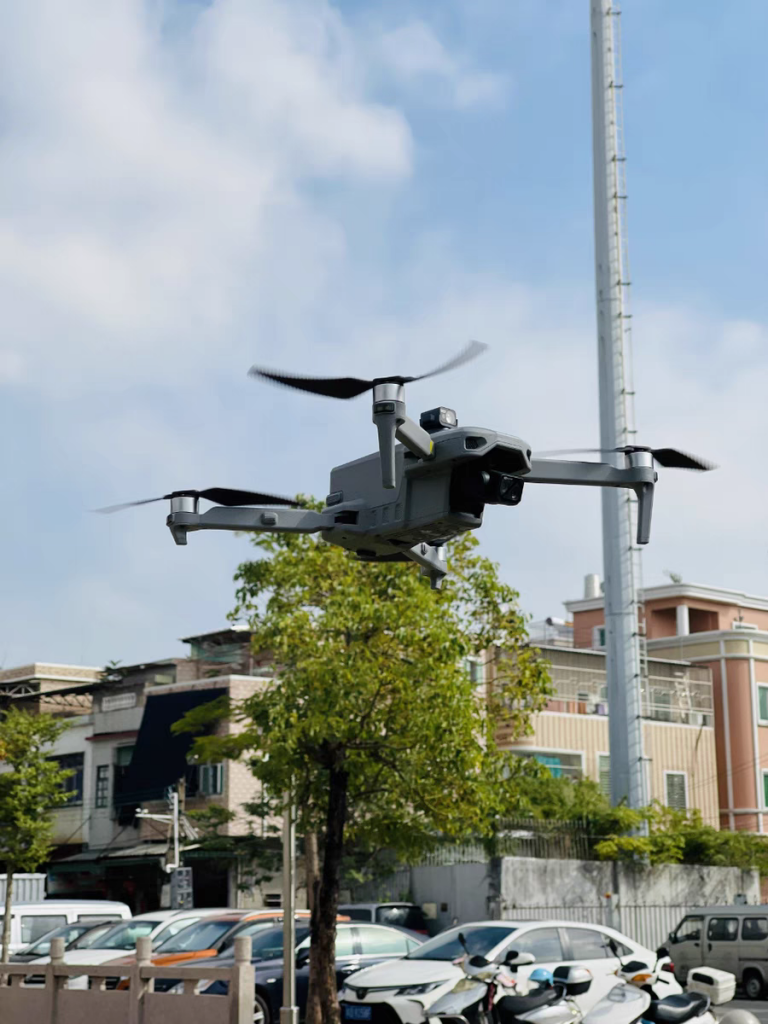
 Over the past decade, drone technology has moved from a specialized field into a mainstream industrial solution. Unmanned aerial vehicles (UAVs) are now widely adopted across agriculture, logistics, energy, mapping, security, and environmental monitoring. This rapid expansion is not accidental. It is the result of continuous innovation in hardware design, intelligent software, advanced manufacturing, and global supply chain integration. This article provides an in-depth look at how drones are designed and manufactured, how they are used across industries, and how they will shape the future of global business.
1. Understanding the Modern Drone Ecosystem
A drone is not simply a flying device. It is a complete aerial system that integrates mechanical engineering, electronics, software, and data analytics. Modern drones are developed as platforms rather than single-purpose machines, allowing them to adapt to different payloads and missions.
The drone ecosystem typically includes:
- Airframe and propulsion hardware
- Flight control and navigation systems
- Sensors and payload modules
- Communication and data transmission systems
- Ground control software and cloud platforms
Each component must work seamlessly to ensure stability, safety, and performance.
2. Drone Design and Engineering Principles
Aerodynamics and Structure
Drone design begins with aerodynamics. Engineers optimize airflow, weight distribution, and structural strength to achieve efficient lift and stability. Multirotor drones prioritize balance and hovering precision, while fixed-wing drones are optimized for endurance and range.
Materials and Durability
Carbon fiber composites are widely used due to their strength-to-weight ratio. Industrial drones often require reinforced frames to withstand vibration, chemical exposure, or harsh weather conditions. Waterproof and dustproof designs are increasingly common for outdoor and agricultural use.
Modular Design
Modularity is a key trend in drone engineering. Interchangeable payloads, batteries, and arms allow users to reconfigure drones for different missions without replacing the entire system.
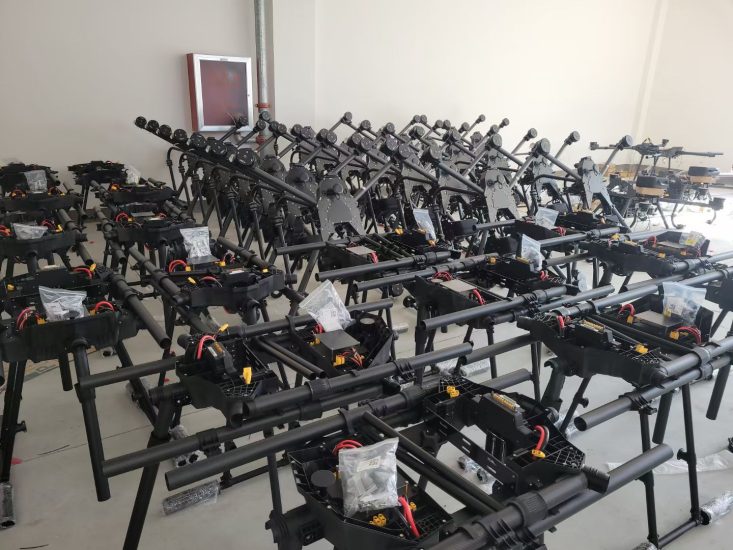
3. Manufacturing Process of Drones
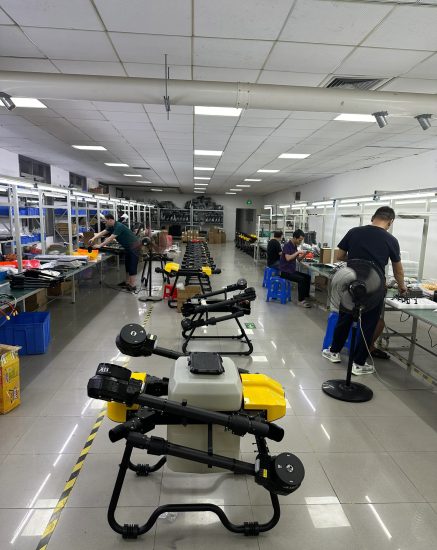
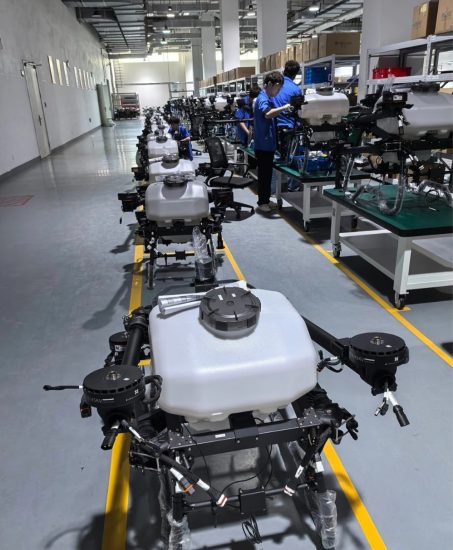
Drone manufacturing combines traditional industrial processes with advanced electronics assembly.
Component Sourcing
Motors, electronic speed controllers, sensors, cameras, and batteries are sourced from specialized suppliers. Quality control at this stage is critical, as component reliability directly impacts flight safety.
Assembly and Calibration
After mechanical assembly, drones undergo calibration of sensors, motors, and flight controllers. Precision calibration ensures stable flight, accurate positioning, and consistent performance.
Software Integration
Firmware installation, flight algorithm tuning, and communication setup are essential steps. Manufacturers often customize software based on customer requirements, especially for OEM and ODM projects.
Testing and Quality Assurance
Before delivery, drones are subjected to vibration tests, flight simulations, real-world test flights, and safety inspections. Industrial clients often require certification and documented testing procedures.
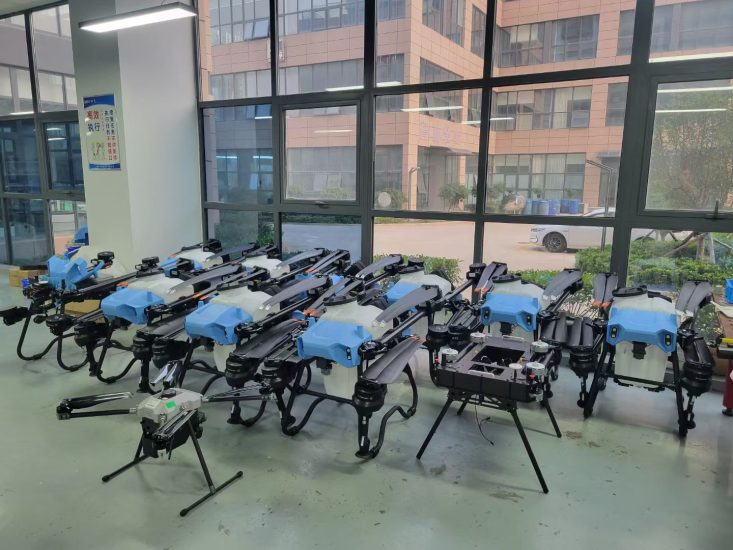
4. Agricultural Drones and Smart Farming
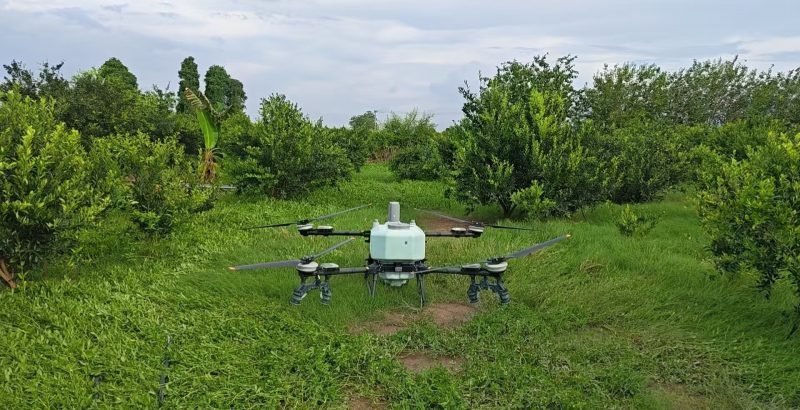
Agriculture is one of the fastest-growing markets for drone technology. Farmers use drones to improve efficiency, reduce labor costs, and make data-driven decisions.
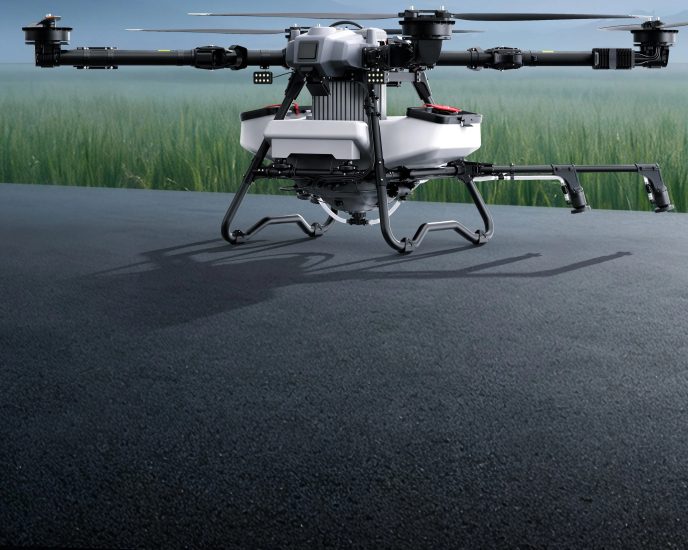
Spraying drones enable precise application of pesticides and fertilizers, minimizing chemical waste and environmental impact. Mapping drones equipped with multispectral sensors provide insights into crop health, irrigation efficiency, and soil conditions.
In large-scale farming operations, drones integrate with farm management software, allowing automated mission planning and data analysis. This level of precision supports sustainable agriculture and higher yields.
5. Industrial Inspection and Energy Applications
Energy and infrastructure sectors rely heavily on drones for inspection tasks. Power lines, wind turbines, oil pipelines, and solar farms require regular monitoring, often in difficult or dangerous environments.
Drones reduce the need for human inspectors to work at height or in hazardous areas. High-resolution cameras and thermal sensors detect corrosion, overheating, cracks, and structural defects with accuracy and speed.
For large energy companies, drone inspections significantly reduce downtime and maintenance costs while improving worker safety.
6. Mapping, Surveying, and Geospatial Data
Surveying drones have transformed how geospatial data is collected. Traditional land surveying methods are time-consuming and labor-intensive. Drones can cover large areas quickly and generate high-accuracy maps.
Using photogrammetry and LiDAR technology, drones produce:
- Orthophotos
- Digital elevation models
- 3D terrain reconstructions
These outputs are widely used in construction planning, mining, urban development, and environmental research.
7. Logistics and Transportation Innovations
Drone logistics is an emerging field with strong long-term potential. In remote or congested areas, drones provide fast and reliable delivery of medical supplies, spare parts, and urgent documents.
Hybrid VTOL drones are particularly suited for logistics, as they combine vertical takeoff with long-distance flight efficiency. While large-scale commercial deployment is still limited by regulations, pilot projects worldwide demonstrate the feasibility of drone-based delivery networks.
8. Software, Data, and Artificial Intelligence
Hardware alone does not define drone capability. Software and data processing play an equally important role.
AI-powered drones can:
- Automatically identify objects and obstacles
- Track moving targets
- Analyze imagery for defects or anomalies
- Optimize flight paths in real time
Cloud-based platforms allow businesses to store, analyze, and share drone data across teams and locations. This transforms drones into powerful data collection tools rather than simple flying cameras.
9. OEM and ODM Drone Solutions
As drone applications diversify, demand for customized solutions continues to grow. OEM and ODM services enable companies to develop drones tailored to specific industries and regional markets.
Customization may include:
- Payload integration
- Flight control software modification
- Branding and industrial design
- Compliance with local regulations
This approach reduces development time and allows businesses to focus on marketing and service delivery rather than core engineering.
10. Regulatory Environment and Compliance
Drone regulations vary significantly by country, but the overall trend is toward structured integration into national airspace systems. Common regulatory requirements include registration, pilot certification, flight restrictions, and remote identification.
Manufacturers increasingly design drones with built-in compliance features such as geofencing, altitude limits, and automatic fail-safe systems. For commercial operators, understanding and following local regulations is essential for long-term success.
11. Challenges and Limitations
Despite strong growth, the drone industry faces ongoing challenges. Battery endurance remains a key limitation, especially for long-range and heavy-payload missions. Weather conditions, electromagnetic interference, and cybersecurity risks also affect operations.
Additionally, public acceptance and privacy concerns must be addressed through responsible use, transparency, and clear legal frameworks.
12. The Future of Drone Technology
The future of drones lies in deeper autonomy, longer endurance, and tighter integration with digital ecosystems. Emerging technologies such as hydrogen power, advanced AI, and unmanned traffic management systems will unlock new use cases.
Drones will increasingly work alongside ground robots, satellites, and IoT devices, forming interconnected systems that support smart cities, precision agriculture, and automated logistics.
Conclusion
Drone technology is reshaping how industries collect data, manage assets, and deliver services. From design and manufacturing to real-world deployment, drones represent a fusion of engineering excellence and digital intelligence.
As regulations mature and technology advances, drones will become an indispensable tool for businesses worldwide. Companies that invest in high-quality manufacturing, intelligent software, and customized solutions will be well-positioned to lead in the next phase of the unmanned aerial industry.


No comments yet