


Introduction to Modern Drones 🛩️
Drones, also known as unmanned aerial vehicles (UAVs), have become one of the most important technological innovations of the past decade. Once limited to military use, drones are now widely applied across commercial, industrial, and agricultural sectors worldwide.
With improvements in battery technology, flight stability, artificial intelligence, and sensor systems, drones are no longer experimental tools—they are reliable, efficient, and scalable solutions for real-world operations.
This article explores drone technology, core applications, technical advantages, and future trends, offering a complete overview for global buyers and professional users.
What Is a Drone? 🤖
A drone is an aircraft that flies without a pilot onboard. It can be remotely controlled or operate autonomously through pre-programmed flight routes and intelligent navigation systems.
Main Types of Drones 📌
- Multirotor drones – Easy to operate, vertical takeoff and landing
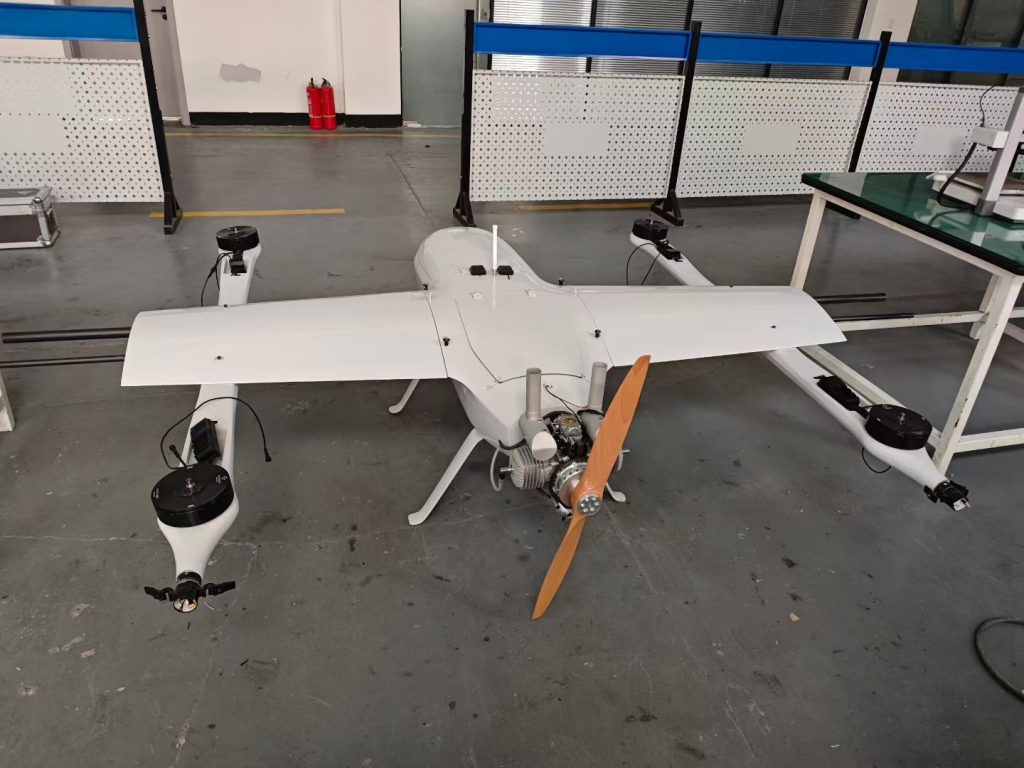
- Fixed-wing drones – Long flight time and wide-area coverage
- Hybrid VTOL drones – Combine endurance with vertical takeoff
- Single-rotor drones – Heavy payload and strong wind resistance
Each type is designed for different operational needs, from short-range inspection to long-distance mapping.
Key Components of a Drone System ⚙️
Understanding drone components helps users evaluate performance and durability.
1. Flight Controller 🧠
The flight controller processes data from sensors and controls the motors in real time. Advanced controllers support:
- Autonomous flight missions
- Waypoint navigation
- Emergency return-to-home
- Precision hovering
2. Power and Battery System 🔋
Most drones use high-density lithium batteries designed for lightweight and long endurance. Smart battery management systems improve:
- Flight safety
- Battery lifespan
- Real-time power monitoring
3. Navigation and Sensors 📡
Modern drones integrate multiple sensors, including:
- GPS / GNSS positioning
- Gyroscopes and accelerometers
- Barometers for altitude control
- Vision and obstacle avoidance sensors
These technologies allow stable and accurate flight even in complex environments.
4. Payload Systems 🎥
Drone payloads vary depending on the application and may include:
- High-resolution cameras
- Thermal imaging sensors
- Multispectral sensors
- Agricultural spraying systems
Major Applications of Drones 🌍
Agricultural Drones 🌱
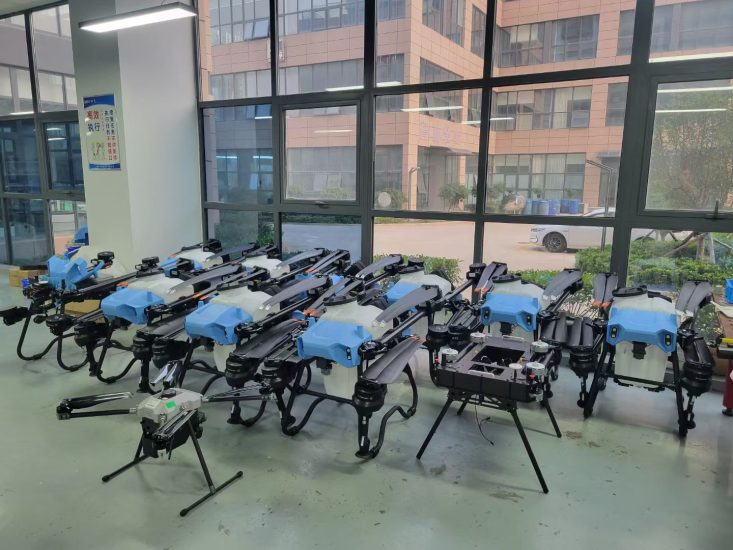
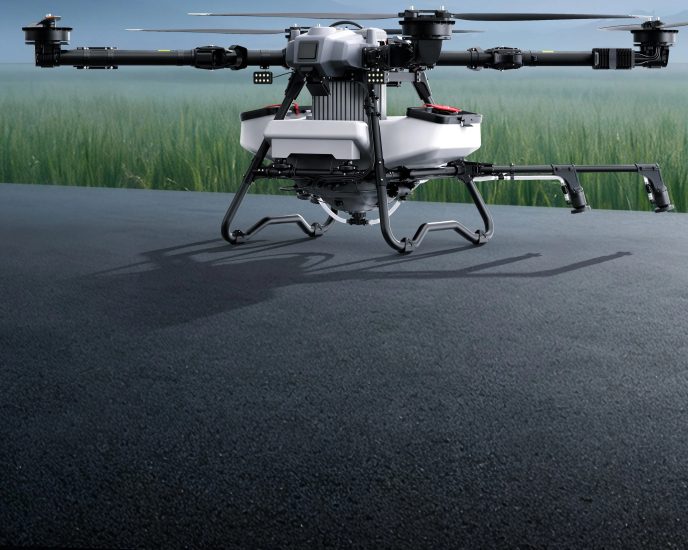
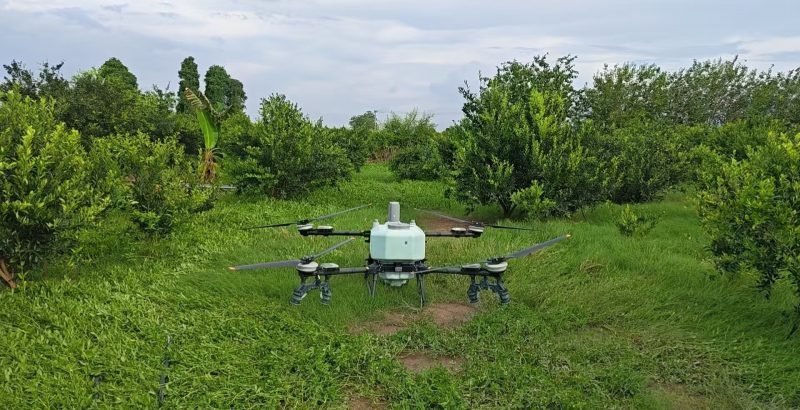
Agricultural drones are widely used for crop spraying, seeding, fertilization, and crop monitoring. They improve farming efficiency while reducing labor and chemical waste.
Key benefits include:
- Precision spraying
- Reduced water and pesticide use
- Fast operation over large fields
- Real-time crop health analysis
Industrial Inspection 🔍
Drones are increasingly used for inspecting infrastructure such as power lines, bridges, pipelines, and wind turbines.
Advantages:
- Improved worker safety
- Faster inspection cycles
- High-definition visual data
- Reduced operational downtime
Mapping and Surveying 🗺️
Surveying drones equipped with high-precision positioning systems provide accurate data for construction, mining, and land development.
Common uses:
- Topographic mapping
- 3D terrain modeling
- Volume calculation
- Urban planning
Logistics and Aerial Delivery 📦
Drones enable fast delivery of lightweight goods, especially in remote or emergency situations.
Key advantages:
- Reduced delivery time
- Lower transportation costs
- Access to hard-to-reach locations
Aerial Photography and Media 🎬
Drones have transformed visual content creation by offering dynamic aerial perspectives for:
- Real estate marketing
- Tourism promotion
- Film and video production
- Event coverage
Intelligent and Autonomous Drone Features 🤖✨
With the integration of artificial intelligence, drones are becoming smarter and more autonomous.
Intelligent Capabilities Include:
- Automatic obstacle avoidance
- Smart route planning
- Object recognition
- Real-time data processing
These features reduce pilot workload and improve mission accuracy and safety.
Drone Regulations and Safety Compliance 📜
Drone regulations vary by country, but most authorities require:
- Drone registration
- Operator training or licensing
- Compliance with altitude and airspace limits
- Safe distance from people and restricted areas
Commercial drone operators must stay informed about local regulations to ensure legal and safe operations.
How to Choose the Right Drone 🎯
When selecting a drone, consider the following factors:
- Flight time and endurance
- Payload capacity
- Environmental resistance
- Software compatibility
- Maintenance and spare parts availability
Choosing the right drone ensures long-term reliability and better return on investment.
Custom and Professional Drone Solutions 🛠️
Many industries require customized drones for specific tasks. Custom drone solutions allow:
- Tailored airframe designs
- Specialized payload integration
- Private labeling options
- Software customization
This flexibility is especially valuable for agriculture, surveying, and industrial automation.
Future Trends in the Drone Industry 🔮
The global drone market continues to grow as technology advances.
Key future trends include:
- Longer flight endurance
- Improved autonomous capabilities
- Drone swarm operations
- Integration with advanced communication networks
- Greater environmental sustainability
As regulations evolve and technology matures, drones will become an essential part of smart cities and digital infrastructure.
Conclusion ✈️
Drones are no longer emerging technology—they are essential tools across agriculture, logistics, inspection, and data collection industries. With continuous innovation in hardware, software, and automation, drones will continue to reshape how businesses operate.
For professionals and organizations seeking efficiency, accuracy, and safety, adopting drone technology is a strategic decision that delivers long-term value.


No comments yet