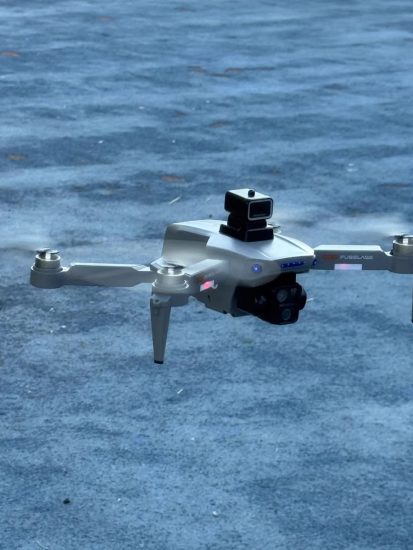




Day 1: Why Drone Technology Is No Longer Just a Hobby
When I first started working with drones, I thought of them as tools for photography and short aerial clips. Today, after years of hands-on use, testing, and real-world operation, I can confidently say this:
Drone technology has evolved into a serious engineering discipline, blending aerodynamics, material science, electronics, software algorithms, and manufacturing precision.
This diary is not written from a lab or a brochure. It is written from field experience, repeated testing, and daily interaction with professional-grade drones developed under the MSOEN brand.
Day 3: What “Drone Technology” Really Means in Practice
Most people think drone technology is just about cameras and flight time. In reality, it includes:
- Airframe structural design
- Propulsion efficiency
- Flight control algorithms
- Sensor integration
- Communication stability
- Manufacturing quality control
A drone is only as good as its weakest system.
Day 7: Airframe Engineering — The Silent Foundation
Why Structure Comes First
In real-world operation, drones face vibration, wind shear, temperature shifts, and repeated takeoffs and landings. Weak structures lead to:
- Frame deformation
- Sensor misalignment
- Flight instability
- Reduced lifespan
MSOEN drones prioritize balanced structural strength and weight reduction.
Material Strategy in Practice
Rather than overbuilding with heavy materials, the airframe uses:
- Reinforced composite structures
- Stress-distributed arm geometry
- High-precision molding for alignment accuracy
This approach improves durability without sacrificing flight efficiency.
Day 10: Propulsion Systems — Efficiency Over Raw Power
One of the biggest myths in drone technology is that more power equals better performance.
In my testing, efficiency always wins.
Key Observations
- Optimized motor–propeller matching reduces heat buildup
- Smooth torque delivery improves flight stability
- Balanced propulsion lowers battery stress
This is especially noticeable during long hover sessions and controlled descents.
Day 14: Flight Control — Where Software Becomes Trust
If hardware is the body, flight control software is the nervous system.
Real-World Experience
A well-tuned flight controller delivers:
- Predictable response to input
- Stable hovering in light wind
- Smooth braking during descent
- Reliable return-to-home behavior
MSOEN systems emphasize conservative stability logic rather than aggressive tuning, which increases operational safety.
Day 18: Navigation & Sensors — Precision Over Marketing
Modern drones rely on multiple sensor layers:
- GNSS positioning
- IMU (Inertial Measurement Units)
- Barometric altitude sensors
- Optical positioning (when applicable)
What matters is not the number of sensors, but how they are fused and calibrated.
During testing, sensor consistency proved far more important than headline specifications.
Day 22: Battery Technology — The Most Underestimated System
Many users blame batteries when flight time drops. In reality, battery performance reflects system-level efficiency.
What I Observed
- Stable discharge curves extend usable flight time
- Smart battery management prevents over-discharge
- Thermal control improves battery longevity
Efficient drones protect batteries instead of draining them aggressively.
Technical Specification Reference (Typical Configuration)
| Parameter | Specification |
|---|---|
| Airframe | Reinforced composite structure |
| Propulsion | High-efficiency brushless motors |
| Flight Control | Multi-sensor fusion system |
| Positioning | GNSS + inertial navigation |
| Battery | Intelligent lithium battery |
| Flight Time | Optimized for endurance |
| Control Range | Stable long-distance link |
| Application | Aerial imaging / industrial use |
Specifications may vary by configuration and mission profile.
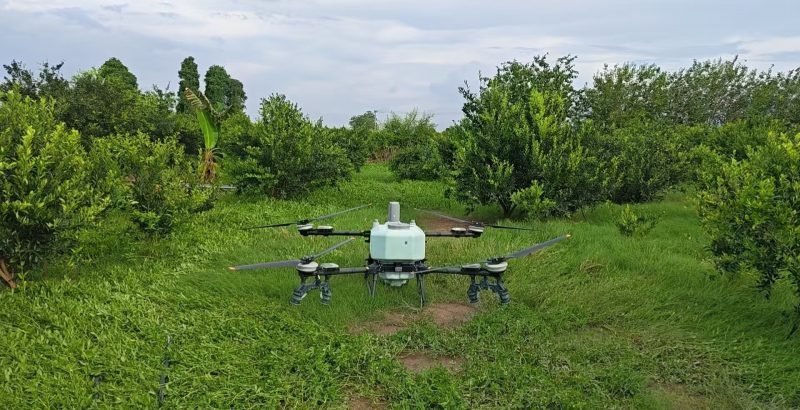
Day 27: Real-World Flight Testing — What Specs Don’t Show
On paper, many drones look similar. In practice, differences appear in:
- Wind resistance
- Emergency response behavior
- Signal stability near obstacles
- Landing accuracy
Repeated field tests showed that predictability matters more than peak performance.
Comparison: Professional Drone vs Entry-Level Design
| Aspect | Professional-Oriented Drone | Entry-Level Drone |
|---|---|---|
| Frame Design | Reinforced, stress-tested | Lightweight, minimal |
| Flight Stability | High, predictable | Inconsistent |
| Sensor Calibration | Factory-calibrated | Basic |
| Battery Management | Intelligent | Manual |
| Lifespan | Long-term use | Short-term |
This gap becomes obvious after extended use.
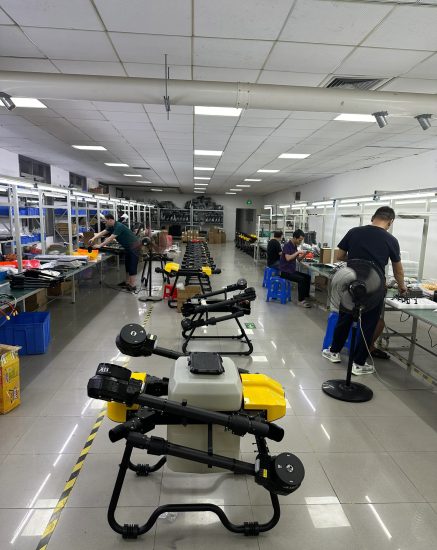
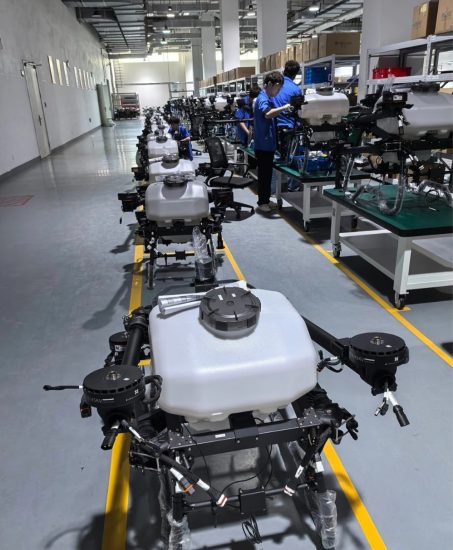
Day 31: Manufacturing Quality — Where Trust Is Built
A drone’s reliability is decided long before it flies.
Production Line Observations
Modern drone manufacturing emphasizes:
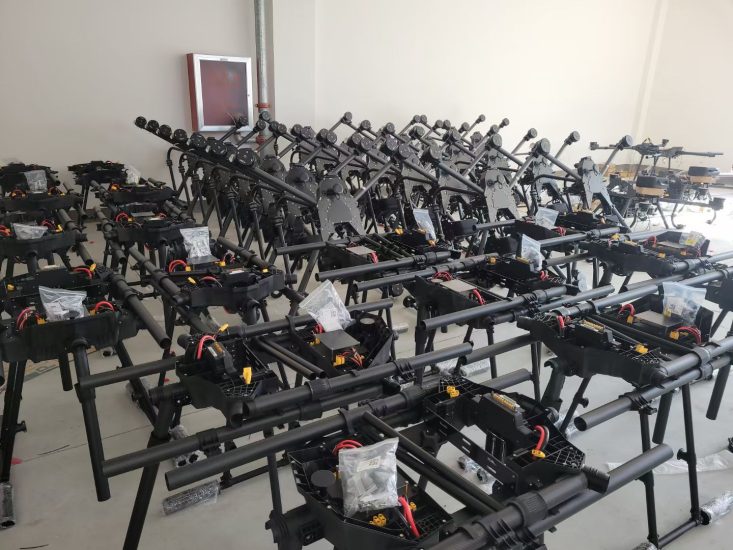
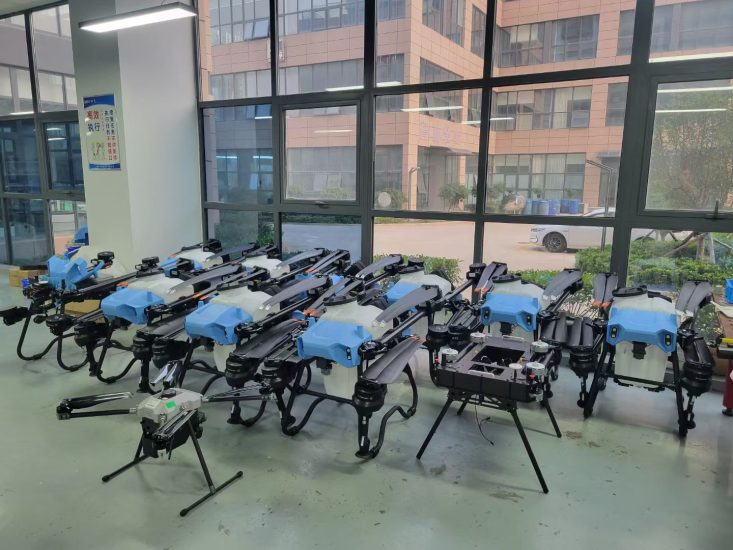
- Automated frame molding
- Precision electronic assembly
- Standardized motor installation
- Software calibration before shipment
Automation reduces variance between units, which is essential for professional users.
Quality Control (QC): The Invisible Safety Net
Effective QC is layered:
-
Incoming Material Inspection
- Structural material verification
- Electronic component testing
-
In-Process QC
- Assembly alignment checks
- Motor balance verification
-
Final Testing
- Power-on diagnostics
- Flight simulation
- Sensor validation
This systematic approach prevents hidden failures.
Day 35: Long-Term Reliability — What Daily Use Reveals
After extended operation, reliable drones show:
- Consistent flight behavior
- Minimal calibration drift
- Stable battery health
- Reduced maintenance needs
This consistency builds professional trust.
Why MSOEN Focuses on Practical Engineering
Rather than chasing marketing trends, MSOEN prioritizes:
- Structural reliability
- Flight predictability
- Manufacturing consistency
- Long-term usability
This philosophy becomes clear only after months of use—not minutes of marketing videos.
FAQ: Honest Questions From Real Users
Q1: Is drone technology mainly about software?
No. It’s a balance of structure, electronics, propulsion, and algorithms.
Q2: Why do some drones feel unstable despite good specs?
Poor system integration and calibration.
Q3: How important is manufacturing quality?
Critical. Even perfect designs fail without consistent production.
Q4: Are longer flight times always better?
Only if achieved without overstressing batteries and motors.
Q5: What defines a professional drone?
Predictability, reliability, and repeatable performance.
Final Diary Entry: Trust Comes From Experience, Not Claims
Drone technology has matured beyond novelty.
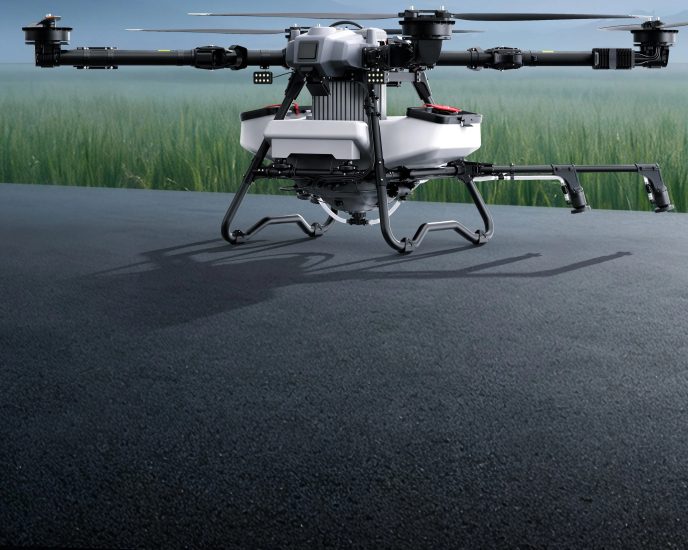
A well-engineered drone becomes a reliable aerial platform, not a fragile gadget. Through continuous use, testing, and evaluation, I’ve learned that trust is earned through:
- Stable performance
- Thoughtful engineering
- Controlled manufacturing
- Honest limitations
That is the direction modern drone technology is moving toward—and the standard MSOEN aims to uphold.


No comments yet