


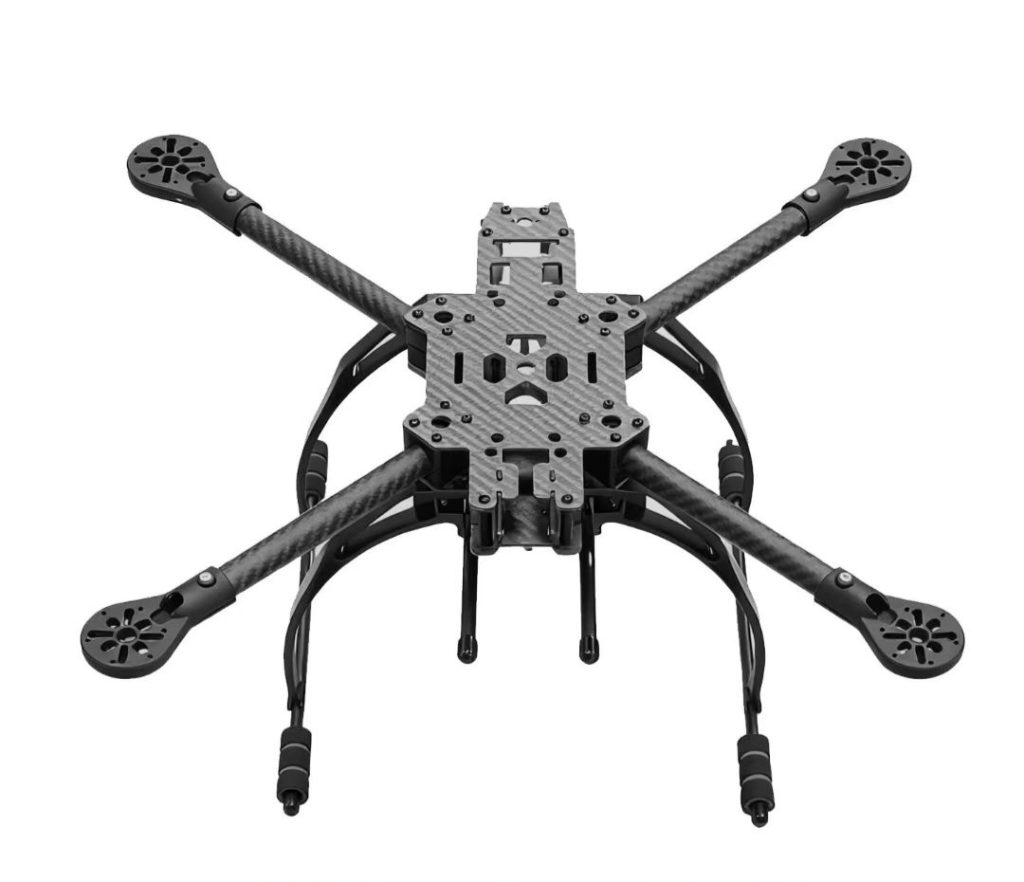
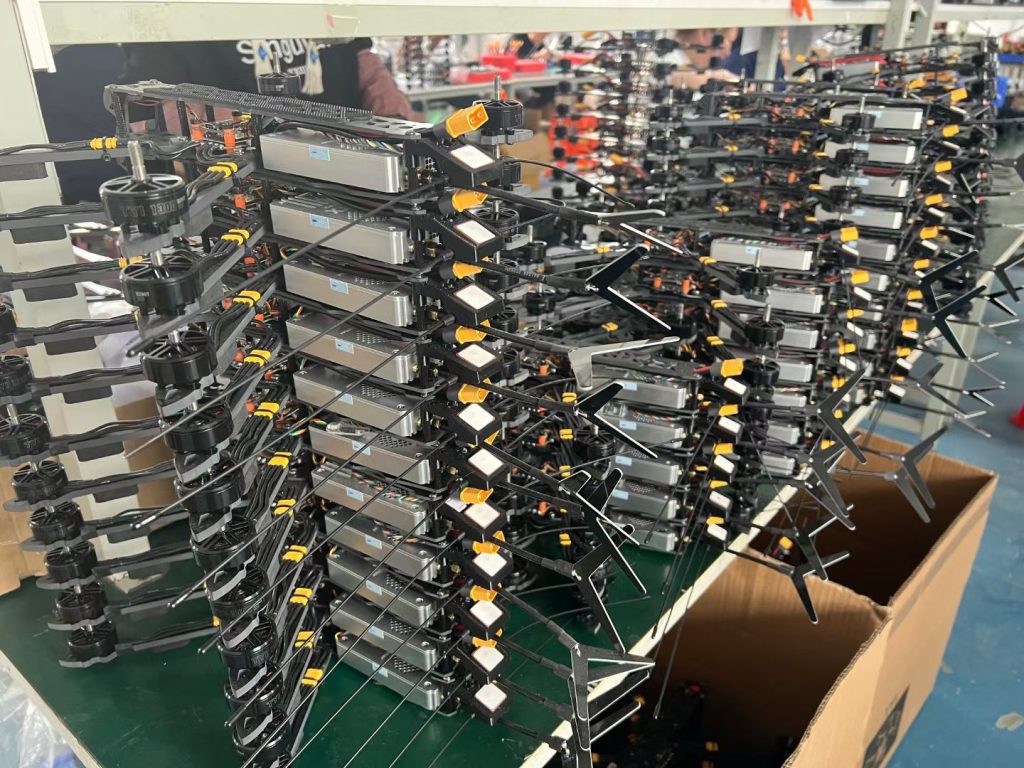

Drone obstacle avoidance technology is a critical advancement in modern UAV systems. By integrating sensors, artificial intelligence, and real-time processing, drones can detect and avoid obstacles autonomously, ensuring safer, more efficient, and reliable flight operations. From industrial inspections to precision agriculture, obstacle avoidance technology enhances drone capabilities, reducing risks, improving efficiency, and enabling complex missions that were previously challenging or impossible.
What is Drone Obstacle Avoidance Technology?
Drone obstacle avoidance technology refers to the systems and algorithms that allow drones to detect, analyze, and avoid obstacles in real-time during flight. This technology combines visual sensors, LiDAR, ultrasonic sensors, radar, and AI algorithms to create a comprehensive understanding of the drone’s surroundings.
Key capabilities include:
- Real-time detection of static and moving obstacles
- Intelligent flight path adjustment
- Collision prevention in complex environments
- Integration with autonomous navigation systems
By employing obstacle avoidance technology, drones can operate safely in urban areas, forests, industrial sites, and disaster zones, enabling high-risk missions with minimal human intervention.
Advantages of Drone Obstacle Avoidance Technology
1. Enhanced Flight Safety
Obstacle avoidance systems prevent collisions, protecting both the drone and surrounding objects. This is essential for operations near buildings, trees, power lines, or crowded areas.
2. Autonomous Flight Capabilities
Combined with autonomous navigation, obstacle avoidance enables drones to fly complex routes without constant manual control, increasing operational efficiency.
3. High-Precision Data Collection
By avoiding obstacles and maintaining stable flight paths, drones can capture more accurate aerial data, essential for mapping, inspections, and surveillance.
4. Reduced Operational Risk
Operators can deploy drones in hazardous environments, such as disaster zones, high-voltage areas, or construction sites, without endangering human lives.
5. Cost and Time Efficiency
Fewer accidents mean lower repair costs and less downtime, while autonomous, obstacle-free flights allow faster mission completion.
Key Components of Obstacle Avoidance Technology
When evaluating drones with obstacle avoidance capabilities, consider these components:
-
Sensors:
- LiDAR: Measures distance using laser pulses, ideal for 3D mapping and precise detection
- Ultrasonic Sensors: Detect nearby obstacles with sound waves
- Vision Sensors/Cameras: Identify obstacles visually, useful for dynamic environments
- Radar Sensors: Penetrate dust, fog, or low-visibility conditions
-
AI and Software Algorithms:
- Analyze sensor data in real-time
- Predict collision risks
- Adjust flight paths automatically
-
GPS and Positioning Systems:
- Integrate with navigation to maintain route accuracy
- Ensure precise location awareness during avoidance maneuvers
-
Flight Control Integration:
- Connect sensors and AI with autopilot systems
- Enable seamless obstacle detection, avoidance, and autonomous mission execution
Applications of Drone Obstacle Avoidance Technology
1. Industrial Inspections
Drones equipped with obstacle avoidance systems inspect:
- Power lines, wind turbines, and solar farms
- Oil and gas pipelines
- Bridges, tunnels, and high-rise structures
Autonomous avoidance ensures safe navigation in confined or complex spaces, providing high-quality data without risking human operators.
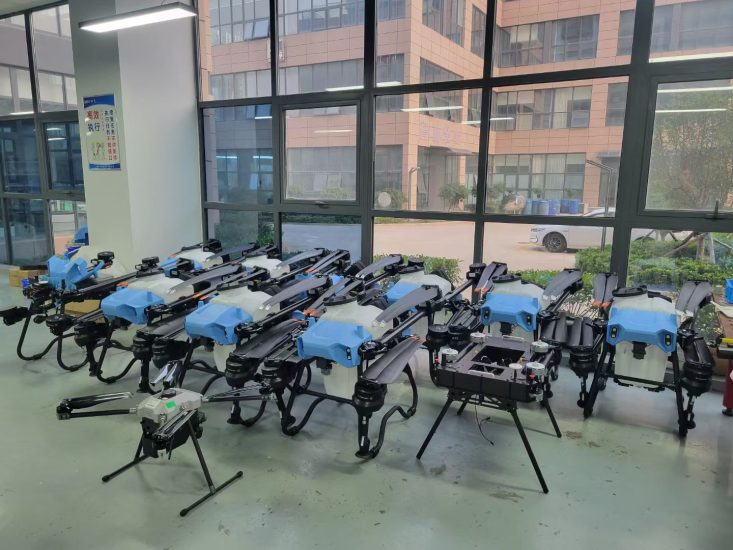
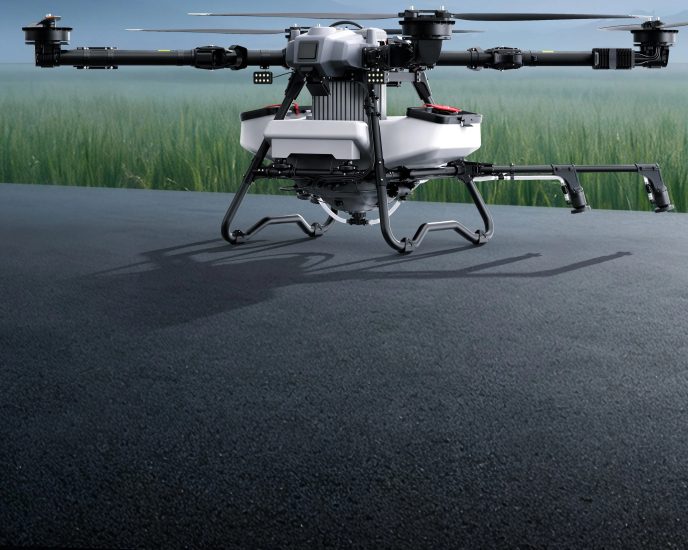
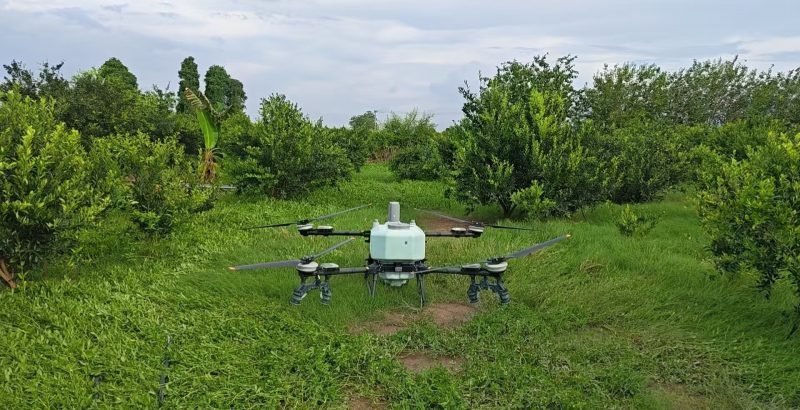
2. Agriculture
Obstacle avoidance allows agricultural drones to:
- Navigate dense crop fields autonomously
- Perform precision spraying and fertilization
- Monitor crop health without collisions
This technology enhances farm efficiency while protecting the drone from accidental crashes.
3. Construction & Infrastructure
Construction drones leverage obstacle avoidance to:
- Survey active construction sites
- Monitor building progress
- Inspect cranes, scaffolding, and towers
The technology reduces accidents in dynamic environments where obstacles frequently change.
4. Security & Surveillance
Security drones use obstacle avoidance to:
- Patrol complex industrial or urban areas
- Track moving targets safely
- Avoid obstacles like walls, trees, and vehicles
Autonomous navigation combined with obstacle avoidance enables continuous, safe monitoring.
5. Emergency Response & Disaster Management
Obstacle avoidance enhances drones in rescue and disaster scenarios:
- Navigating through debris after earthquakes or floods
- Inspecting collapsed buildings or hazardous zones
- Delivering medical supplies in congested areas
Drones reach areas that are unsafe for human responders, providing critical support in emergencies.
How to Operate Drones with Obstacle Avoidance Safely
Safe operation maximizes efficiency and reduces risk:
- Pre-Flight Planning: Assess terrain, potential obstacles, and mission complexity
- Check System Calibration: Ensure sensors, cameras, and AI software are properly configured
- Verify GPS and Flight Modes: Confirm autonomous and obstacle avoidance modes are active
- Monitor Flight: Even autonomous drones require operator oversight in complex or crowded environments
- Routine Maintenance: Clean sensors, update firmware, and inspect components for reliable performance
FAQ: Drone Obstacle Avoidance Technology
Q1: Can obstacle avoidance drones operate in low-light conditions?
A1: Yes, drones with LiDAR or radar sensors can operate in low visibility, while vision-based systems may require additional lighting.
Q2: Are obstacle avoidance systems suitable for beginners?
A2: Yes, these systems reduce the risk of collisions, making drones easier and safer to operate for beginners.
Q3: How accurate is obstacle avoidance in complex environments?
A3: Accuracy depends on sensor type and software. Advanced drones can detect small obstacles and moving objects in real-time with high precision.
Q4: Can obstacle avoidance work in dense forests or urban areas?
A4: Yes, multi-sensor drones can navigate densely populated or obstructed areas autonomously.
Q5: Does obstacle avoidance increase drone costs significantly?
A5: While drones with advanced avoidance systems are more expensive, the reduced crash risk, increased safety, and operational efficiency provide excellent ROI.
Why Invest in Drone Obstacle Avoidance Technology
Obstacle avoidance technology enables businesses and professionals to maximize drone capabilities safely and efficiently. Key benefits include:
- Safer flight in complex and high-risk environments
- Reduced operational downtime and repair costs
- Higher data accuracy and coverage efficiency
- Autonomous mission capabilities for industrial, agricultural, security, and emergency applications
📩 Inquiry Today:
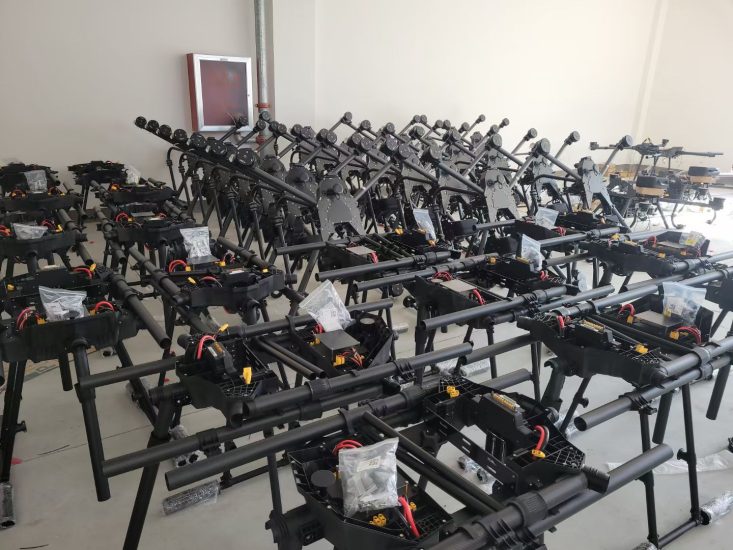
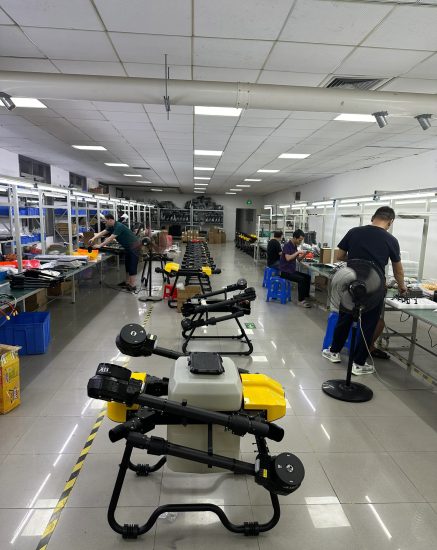
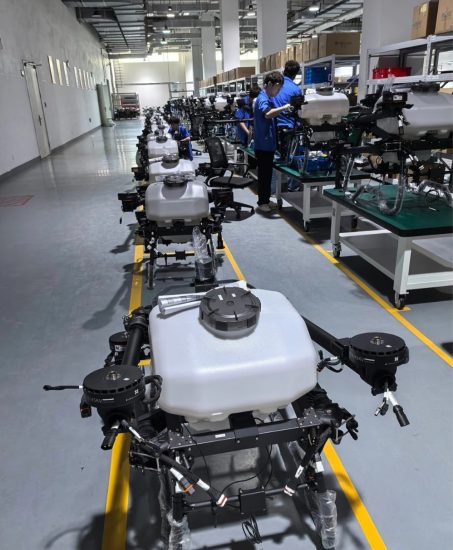
Upgrade your drone operations with advanced obstacle avoidance technology. Contact us now for personalized solutions, expert consultation, and customized drones tailored to your industry. Protect your investment, enhance operational safety, and achieve smarter aerial operations today.


No comments yet