

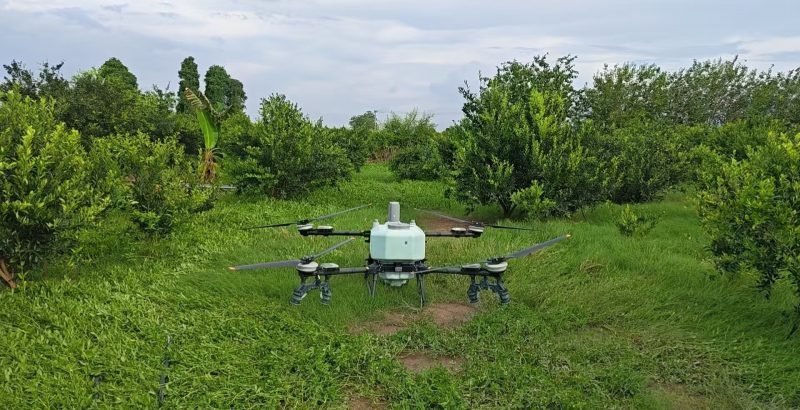
![Image [1]-Drone Data Transmission-msoen](https://www.msoen.com/wp-content/uploads/2026/03/20260315114825140-1000021476-scaled.jpg)
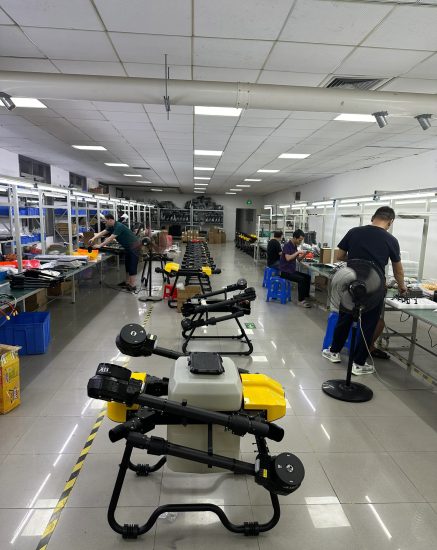
![Image [2]-Drone Data Transmission-msoen](https://www.msoen.com/wp-content/uploads/2026/03/20260315114823683-1000021472-scaled.jpg)
![Image [3]-Drone Data Transmission-msoen](https://www.msoen.com/wp-content/uploads/2026/03/20260315114551331-1000021467-scaled.jpg)
![Image [4]-Drone Data Transmission-msoen](https://www.msoen.com/wp-content/uploads/2026/03/20260315114543757-1000021471.jpg)
📦 Quick Overview
Drone data transmission is the backbone of modern unmanned aerial operations. From real-time video streaming to telemetry and mission data, stable and secure data links determine how efficiently a drone performs in agriculture, surveying, inspection, and security missions.
What Is Drone Data Transmission?
Drone data transmission refers to the process of sending information between the drone and the ground control station. This includes:
- 📡 Live video feeds
- 📊 Flight telemetry (altitude, speed, GPS)
- 🧭 Navigation and control signals
- 📁 Captured data (images, mapping data, sensor results)
Without a reliable transmission system, even the most advanced drone cannot deliver effective results.
Why Data Transmission Matters in Drone Operations
In professional applications, data transmission is not just a feature—it is a critical requirement.
1. Real-Time Decision Making
Operators rely on live video and telemetry to make instant decisions. Whether spraying crops or inspecting power lines, delays or signal loss can reduce efficiency.
2. Increased Safety
Stable communication ensures:
- Safe flight control
- Immediate response to obstacles
- Emergency return-to-home functions
3. High-Efficiency Workflows
Fast and stable data transfer allows:
- Instant data analysis
- Reduced mission time
- Better coordination in multi-drone operations
Key Technologies Behind Drone Data Transmission
📶 1. Radio Frequency (RF) Communication
Traditional RF systems are widely used for short to medium distances. They offer:
- Low latency
- Strong reliability
- Limited range depending on environment
🌐 2. 4G / 5G Network Transmission
Modern drones use cellular networks to achieve:
- Long-distance communication
- Cloud-based control
- Real-time data sharing across regions
This is ideal for large farms and cross-city operations.
🛰️ 3. Satellite Communication
For extreme remote areas:
- No dependence on ground networks
- Global coverage
- Higher cost but essential for remote missions
📡 4. Digital Image Transmission Systems
Advanced digital transmission systems provide:
- HD/4K video streaming
- Strong anti-interference capabilities
- Encrypted communication
Challenges in Drone Data Transmission
Even with advanced technology, challenges still exist:
- ⚠️ Signal interference in urban or industrial environments
- 🌧️ Weather impact on transmission quality
- 🏔️ Obstacles like mountains and buildings
- 🔋 Power consumption affecting flight time
Solving these issues requires optimized hardware and intelligent communication protocols.
How to Choose the Right Drone Data Transmission System
When selecting a drone system, consider:
✔ Transmission Range
Choose based on your operation scale:
- 1–5 km for small farms
- 10–50 km for industrial applications
✔ Latency
Low latency is essential for:
- Real-time control
- Precision operations
✔ Video Quality
High-definition transmission improves:
- Inspection accuracy
- Mapping quality
✔ Anti-Interference Ability
Essential for complex environments like cities or factories.
✔ Security & Encryption
Protect sensitive data with:
- Encrypted transmission
- Secure communication protocols
Applications of Drone Data Transmission
🌾 Agriculture
- Real-time crop monitoring
- Precision spraying data feedback
- Field mapping and analysis
🏗️ Infrastructure Inspection
- Power lines
- Bridges
- Pipelines
🚓 Security & Surveillance
- Live monitoring
- Rapid response coordination
🗺️ Surveying & Mapping
- High-precision aerial data collection
- Instant data transfer for processing
Future Trends
Drone data transmission is evolving rapidly:
- 🚀 Integration with AI for real-time analysis
- ☁️ Cloud-based drone management systems
- 📡 Ultra-low latency 5G networks
- 🤖 Fully autonomous swarm communication
These advancements will significantly improve efficiency and reduce human intervention.
Why Choose a Professional Drone Data Transmission Solution?
A high-performance drone system should provide:
- Stable long-distance transmission
- Ultra-low latency control
- High-definition real-time video
- Strong anti-interference capability
- Secure encrypted communication
This ensures your operations remain efficient, safe, and scalable.
📩 Get a Custom Drone Solution
Looking for a reliable drone with advanced data transmission capabilities?
We provide:
- OEM/ODM drone solutions
- Agricultural and industrial drones
- Long-range and 5G-enabled systems
- Custom communication modules
👉 Contact us today to get a tailored solution for your project and receive a fast quotation.
FAQ
1. What is the maximum transmission range of a drone?
It depends on the system. Standard drones operate within a few kilometers, while advanced systems can exceed 50 km using cellular or hybrid transmission.
2. Does weather affect drone data transmission?
Yes. Rain, fog, and strong winds can reduce signal strength and stability.
3. Is 5G better than traditional RF transmission?
5G offers longer range and network-based control, while RF provides lower latency and independence from network coverage. The best solution often combines both.
4. How can I improve transmission stability?
- Use high-quality antennas
- Avoid interference-heavy areas
- Choose drones with advanced transmission systems
5. Is drone data transmission secure?
Yes, when using encrypted communication protocols and secure systems designed for professional use.
If you want to upgrade your drone operations with powerful data transmission technology, reach out now and start building a smarter aerial solution. 🚀


No comments yet