




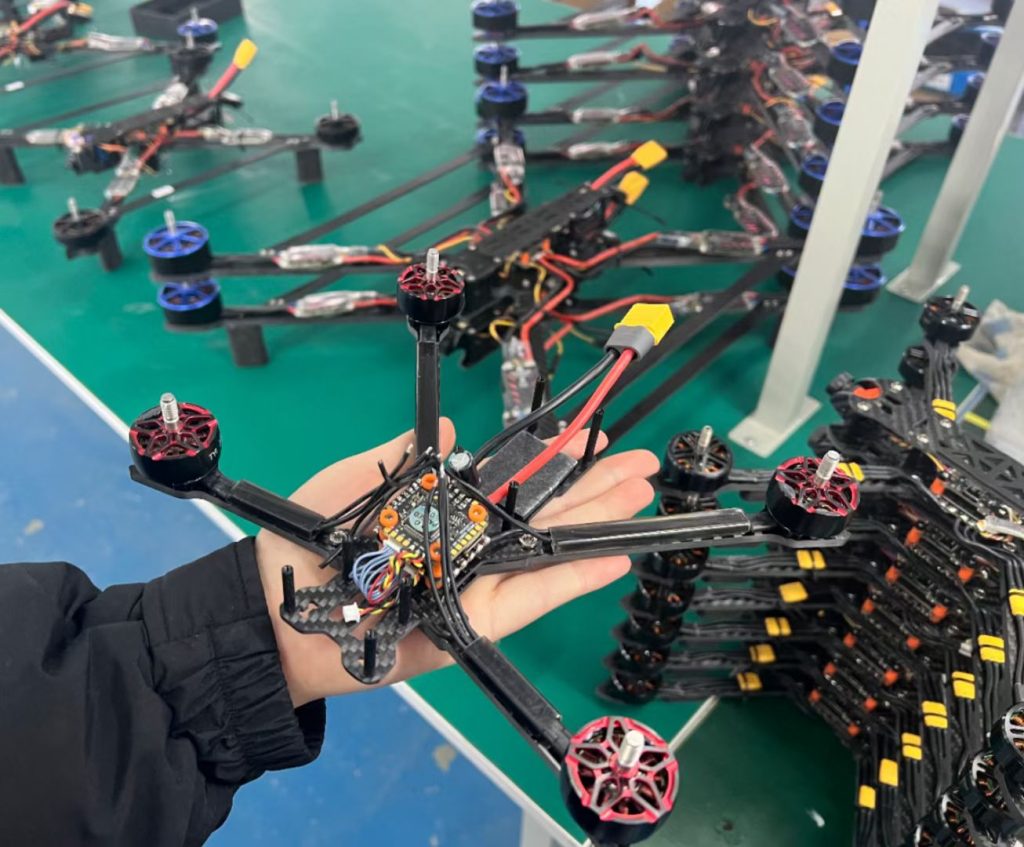

Drone autonomous navigation is redefining the way industries and professionals conduct aerial operations. By combining artificial intelligence, GPS technology, advanced sensors, and real-time data processing, autonomous drones can fly, navigate, and perform tasks with minimal human intervention. From surveying infrastructure to precision agriculture, autonomous navigation enhances efficiency, accuracy, and safety, making drones indispensable in modern industrial applications.
What is Drone Autonomous Navigation?
Drone autonomous navigation refers to the ability of drones to plan, execute, and adjust flight paths independently using AI algorithms, GPS positioning, and sensor fusion. Unlike traditional drones that require manual piloting, autonomous drones can:
- Follow predefined routes or dynamically plan new paths
- Avoid obstacles automatically using LiDAR, ultrasonic, and vision sensors
- Track moving targets with precision
- Collect and transmit real-time data to operators
These features make autonomous drones ideal for complex, repetitive, or high-risk tasks.
Advantages of Autonomous Drone Navigation
1. Enhanced Operational Efficiency
Autonomous drones reduce human workload by performing tasks such as surveys, inspections, and monitoring independently, allowing operators to focus on analysis and decision-making.
2. High-Precision Flight
With AI-powered path planning and GPS integration, autonomous drones maintain precise flight routes, ensuring consistent coverage and high-quality data collection.
3. Safety and Risk Reduction
Autonomous navigation minimizes the need for human presence in hazardous environments, such as construction sites, high-voltage areas, or disaster zones, reducing potential risks.
4. Real-Time Data Collection
Autonomous drones can capture, process, and transmit data in real-time, providing immediate insights for agriculture, construction, security, and environmental monitoring applications.
5. Scalability and Adaptability
Autonomous drones can operate in large-scale environments and adapt to changing conditions, enabling industries to scale aerial operations efficiently.
Key Features of Drone Autonomous Navigation Systems
When selecting autonomous drone solutions, focus on these critical features:
- AI Path Planning: Intelligent algorithms allow drones to dynamically adjust flight routes based on obstacles or environmental changes.
- Obstacle Detection & Avoidance: LiDAR, vision sensors, and ultrasonic systems prevent collisions during complex missions.
- GPS & RTK Integration: Ensures precise positioning for mapping, surveying, and inspection applications.
- Autonomous Takeoff and Landing: Reduces human errors and simplifies operations.
- Data Processing Capabilities: Onboard AI or cloud integration allows for real-time analytics and monitoring.
- Durability & Weather Resistance: Professional autonomous drones are built to withstand adverse weather and challenging terrains.
Applications of Autonomous Drone Navigation
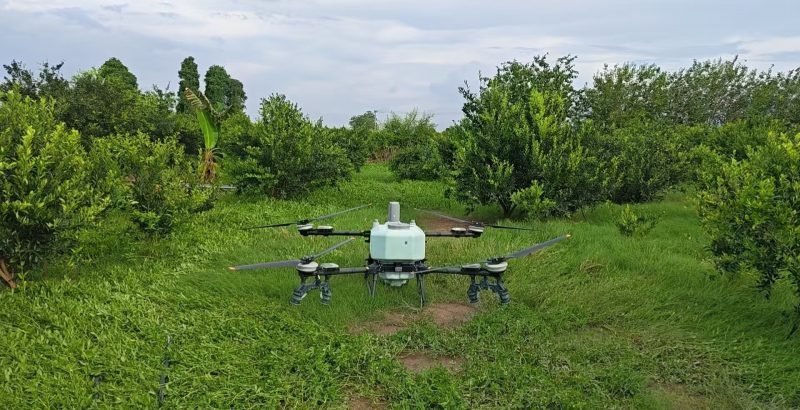
1. Agriculture
Autonomous drones optimize modern farming practices by:
- Monitoring crop health and growth
- Performing precision spraying and fertilization
- Mapping and analyzing soil and irrigation
- Identifying pests and diseases efficiently
This enables farmers to increase yield, reduce chemical usage, and save labor costs.
2. Infrastructure & Construction
Construction and infrastructure industries use autonomous drones to:
- Conduct bridge, tower, and building inspections
- Survey large construction sites
- Monitor project progress and generate 3D models
- Conduct safety inspections in high-risk areas
Autonomous navigation ensures efficient data collection and safer operations.
3. Energy & Utilities
Energy sectors benefit from autonomous drone solutions through:
- Powerline inspections
- Wind turbine and solar farm monitoring
- Oil and gas pipeline surveillance
- Fault detection in high-voltage areas
Automated flight increases inspection speed, reduces downtime, and improves safety.
4. Security & Emergency Response
Autonomous drones enhance security and emergency services by:
- Patrolling facilities and borders autonomously
- Monitoring crowds or public events
- Supporting search and rescue missions
- Delivering supplies in hard-to-reach areas
AI-powered navigation allows drones to perform tasks continuously without manual intervention.
5. Environmental Monitoring
Researchers use autonomous drones to:
- Track wildlife and monitor habitats
- Map forests, rivers, and wetlands
- Detect environmental changes or disasters
- Collect climate and ecological data efficiently
Autonomous navigation enables non-intrusive, large-area monitoring with minimal human oversight.
How to Operate Autonomous Drones Safely
Safe operation is essential for maximizing efficiency and minimizing risks:
- Pre-Flight Planning: Check the terrain, weather, and flight zones for potential hazards.
- Regulatory Compliance: Ensure adherence to local UAV laws and commercial drone licenses.
- System & Battery Checks: Verify that sensors, batteries, and propellers are in optimal condition.
- Monitor Autonomous Systems: While drones can fly autonomously, supervision ensures mission success.
- Routine Maintenance: Keep firmware updated, inspect mechanical parts, and clean sensors for reliable operation.
FAQ: Drone Autonomous Navigation
Q1: Can autonomous drones operate in complex urban environments?
A1: Yes, advanced autonomous drones use obstacle avoidance, AI path planning, and GPS integration to navigate urban areas safely.
Q2: Are autonomous drones suitable for beginners?
A2: Professional autonomous drones require trained operators. Some beginner-friendly models exist, but understanding basic flight principles is recommended.
Q3: How long can autonomous drones fly per battery cycle?
A3: Flight time varies by model and payload, typically ranging from 25 to 60 minutes per battery.
Q4: Can autonomous drones operate in hazardous environments?
A4: Yes, rugged and weatherproof drones are designed for challenging conditions, though extreme weather may limit performance.
Q5: Which industries gain the most from autonomous drone navigation?
A5: Agriculture, construction, infrastructure, energy, security, emergency response, and environmental research.
Why Invest in Autonomous Drone Navigation
Investing in autonomous drone navigation enhances operational efficiency, safety, and data accuracy. Businesses gain:
- Faster and more precise data collection
- Reduced operational costs and labor
- Safer inspections and monitoring in risky environments
- Scalable solutions adaptable to multiple industries
📩 Inquiry Today:
Transform your operations with drone autonomous navigation solutions. Contact us now to discuss your industry needs, explore product options, and receive personalized solutions that maximize efficiency and safety.


No comments yet