




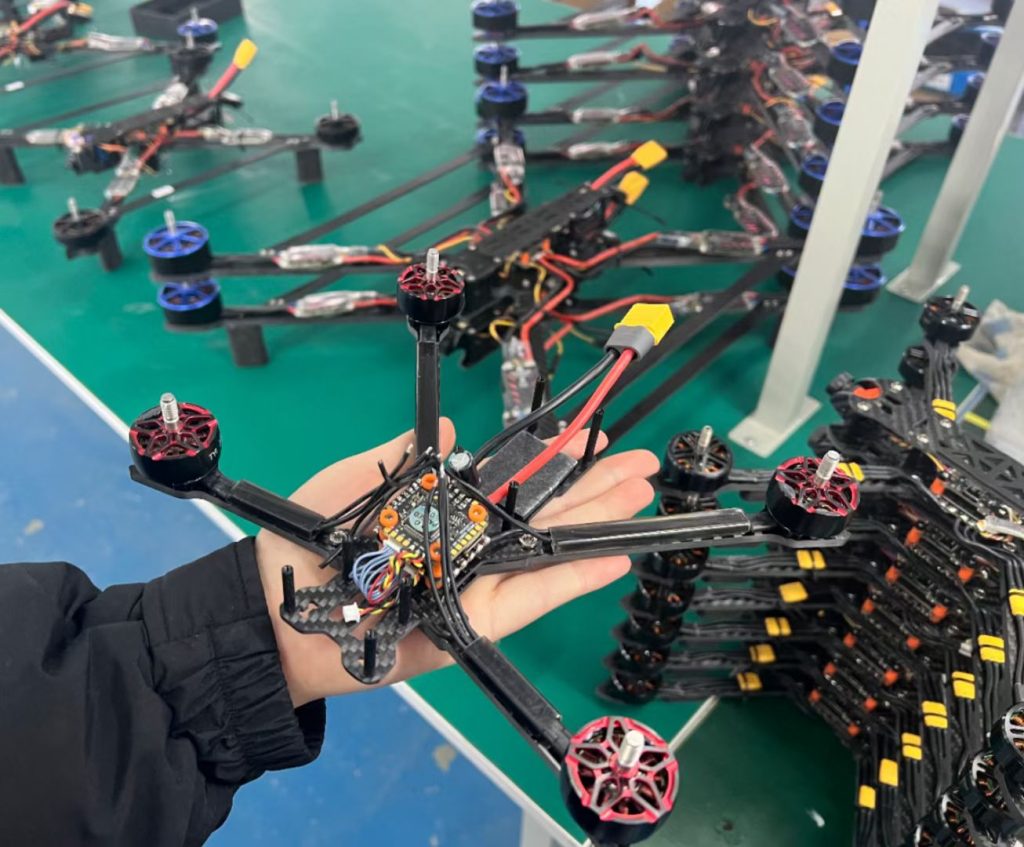
📌 Introduction:
Drones have evolved far beyond recreational devices into powerful tools that transform how businesses operate. Drone applications span agriculture, construction, security, surveying, and emergency response, offering efficiency, precision, and cost savings. With advances in AI, high-definition imaging, and autonomous flight, drones provide industries with innovative solutions that were once impossible or costly with traditional methods.
What Are Drone Applications?
Drone applications refer to the practical use of UAVs (Unmanned Aerial Vehicles) across various industries. Unlike hobby drones, professional drones are equipped with advanced sensors, cameras, and navigation systems to perform specialized tasks. Common drone applications include:
- Aerial photography and videography
- Crop monitoring and precision agriculture
- Infrastructure inspection and surveying
- Security surveillance and emergency response
- Environmental monitoring and wildlife tracking
By leveraging drones, businesses can collect data faster, cover larger areas, and reduce operational costs.
Key Advantages of Using Drones in Industries
1. Improved Efficiency
Drones perform tasks that would take hours or days manually in a fraction of the time. For example, surveying large farmlands or inspecting bridges can be completed quickly, saving labor and resources.
2. High-Quality Data
Equipped with HD cameras, thermal imaging, and LiDAR sensors, drones capture accurate and detailed data for analysis, enabling better decision-making and precise results.
3. Cost Savings
By replacing manned aircraft, ground vehicles, or extensive human labor, drones significantly reduce operational costs while improving output quality.
4. Enhanced Safety
Drones can reach dangerous or hard-to-access areas, such as tall structures, disaster zones, or unstable terrains, minimizing risk to human workers.
Popular Drone Applications Across Industries
1. Agriculture
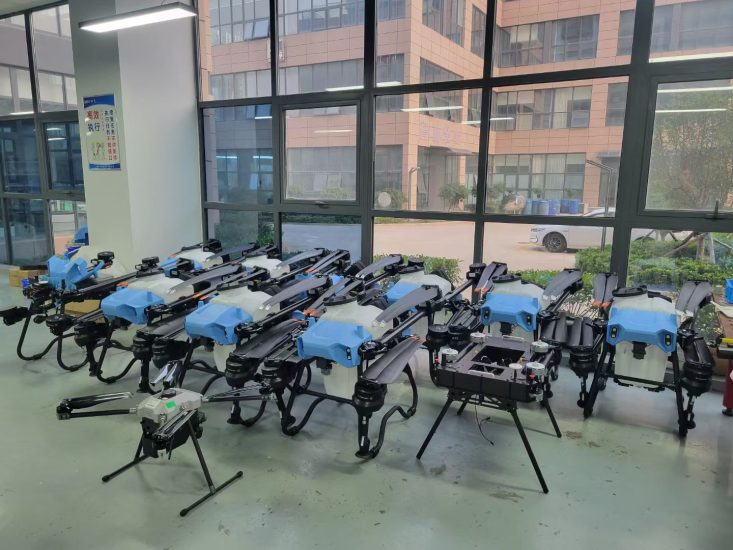
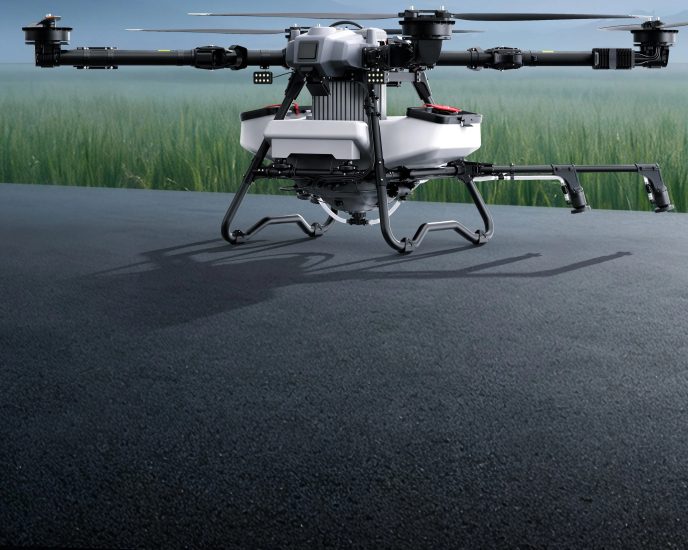
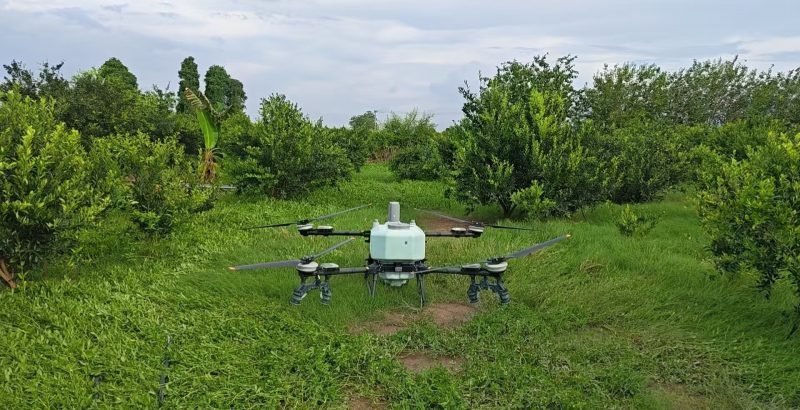
Drones revolutionize modern farming through:
- Crop monitoring and mapping
- Automated spraying and fertilization
- Soil health and irrigation assessment
- Pest and disease detection
Using drones in agriculture improves crop yields, reduces chemical usage, and saves labor costs.
2. Construction & Infrastructure
Construction companies use drones for:
- Site surveying and 3D mapping
- Progress monitoring and documentation
- Bridge and tower inspection
- Safety inspections of high-risk areas
Drones provide accurate data for project planning and help prevent costly mistakes.
3. Security & Surveillance
Drones enhance security by providing:
- Real-time aerial surveillance
- Intruder detection and monitoring
- Crowd management for events
- Emergency response coordination
Autonomous drones can patrol large areas continuously, improving overall safety.
4. Environmental & Wildlife Monitoring
Researchers and conservationists use drones to:
- Track animal populations and migration
- Monitor forests, rivers, and wetlands
- Detect deforestation and environmental changes
- Collect climate data efficiently
Drones cover vast areas without disturbing wildlife, providing precise and sustainable research methods.
5. Emergency Response & Disaster Management
Drones assist first responders by:
- Locating stranded individuals after natural disasters
- Mapping disaster zones for rapid assessment
- Delivering essential supplies to remote areas
- Monitoring wildfires and hazardous environments
By deploying drones in emergencies, teams save lives and improve response efficiency.
Choosing the Right Drone for Your Application
Selecting a drone depends on your industry and operational needs. Consider the following factors:
- Camera and Sensor Requirements: HD cameras, thermal sensors, and LiDAR systems provide the data needed for specialized tasks.
- Flight Time: Longer battery life allows more coverage without frequent interruptions.
- Autonomy Level: Fully autonomous drones reduce manual control needs, while semi-autonomous drones allow operator input.
- Payload Capacity: Consider additional equipment like spraying tanks, sensors, or delivery packages.
- Durability: Weather-resistant and rugged designs ensure reliable performance in challenging conditions.
- Obstacle Avoidance & GPS Accuracy: Essential for safe operations in complex environments.
FAQ: Drone Applications
Q1: What industries benefit most from drones?
A1: Agriculture, construction, security, surveying, environmental monitoring, and emergency response gain the most advantages.
Q2: Can drones operate in all weather conditions?
A2: While many drones are weather-resistant, strong winds, heavy rain, or extreme temperatures may impact performance. Always check manufacturer specifications.
Q3: Are drones expensive to deploy in professional settings?
A3: Costs vary by drone type and application, but drones often save money compared to traditional methods like manned aircraft or extensive manual labor.
Q4: Can drones collect real-time data?
A4: Yes, most modern drones feature live-streaming and remote monitoring capabilities for real-time insights.
Q5: Do I need special licenses to operate drones commercially?
A5: Regulations vary by country. Commercial drone operators often need licenses, registration, and adherence to local flight rules.
Why Invest in Drones for Your Business
Implementing drones provides competitive advantages, including:
- Faster data collection and operational efficiency
- Cost-effective solutions for surveying, monitoring, and inspections
- Enhanced safety for personnel in hazardous environments
- Ability to access remote or hard-to-reach locations
Investing in drones is a step towards modernizing operations and embracing technology that boosts productivity and precision.
📩 Inquiry Today:
Interested in using drones to elevate your business? Contact us now to discuss customized solutions and explore professional drone options tailored to your industry.


No comments yet