



Selecting the right drone solution is one of the most important decisions for businesses and organizations. Many buyers face the same question: should they choose a standard off-the-shelf drone or invest in custom drone development?
Both options have advantages, but the right choice depends on your application, budget, technical requirements, and long-term goals. Understanding the differences can help you avoid unnecessary costs and ensure your project achieves the desired results.
What Is an Off-the-Shelf Drone?
An off-the-shelf drone is a ready-made product designed for common applications. These drones are usually available immediately and come with predefined specifications.
Typical uses include:
- Aerial photography
- Video recording
- Basic inspection
- Recreational flying
- General surveying
Because they are mass-produced, off-the-shelf drones are often more affordable and easier to deploy.
What Is Custom Drone Development?
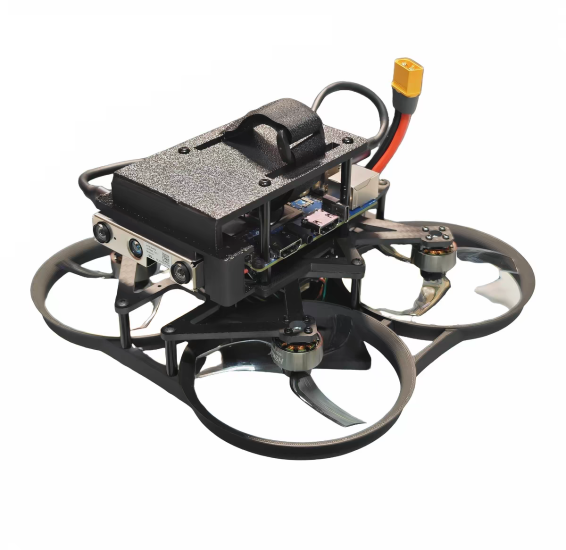
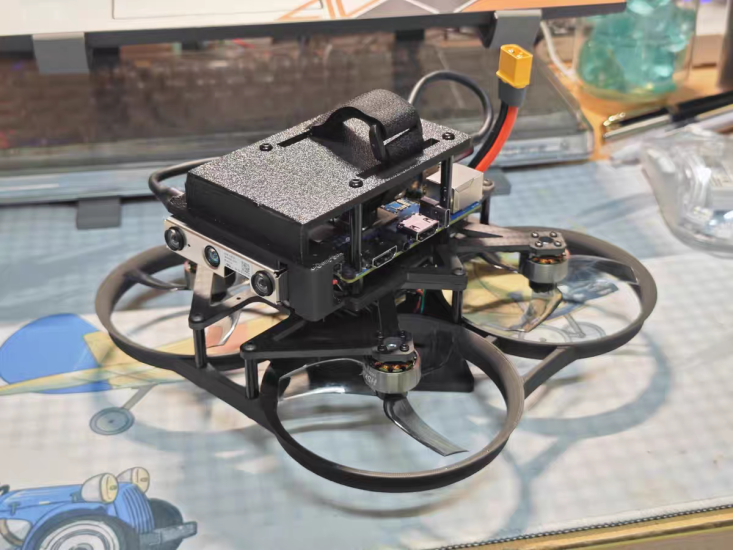
Custom drone development involves designing and manufacturing a drone according to specific operational requirements.
Instead of adapting your project to fit an existing drone, the drone itself is engineered to match your mission.
Custom drones can include:
- Special payload systems
- Extended flight endurance
- Heavy lifting capabilities
- Thermal imaging integration
- AI-based functions
- Long-range communication systems
- Unique frame structures
- Industry-specific software
Custom solutions provide greater flexibility for specialized applications.
Advantages of Off-the-Shelf Drones
Lower Initial Investment
Standard drones generally cost less because development expenses have already been distributed across large production volumes.
Faster Delivery
Since the products already exist, users can receive and deploy them quickly.
Easy Operation
Most ready-made drones are designed for simple operation and require minimal training.
Suitable for Common Applications
If your tasks are relatively standard, a commercial drone may fully satisfy your requirements.
Limitations of Off-the-Shelf Drones
Although convenient, standard drones have several limitations.
Limited Payload Options
Many applications require unique sensors or equipment that cannot be easily integrated.
Restricted Upgrade Potential
Hardware and software modifications are often limited.
Fixed Performance Parameters
Flight time, communication distance, and payload capacity are usually predetermined.
Not Optimized for Special Missions
Industrial applications may require capabilities beyond standard products.
Advantages of Custom Drone Development
Designed Around Your Application
Every aspect of the drone can be optimized for the actual mission.
Examples include:
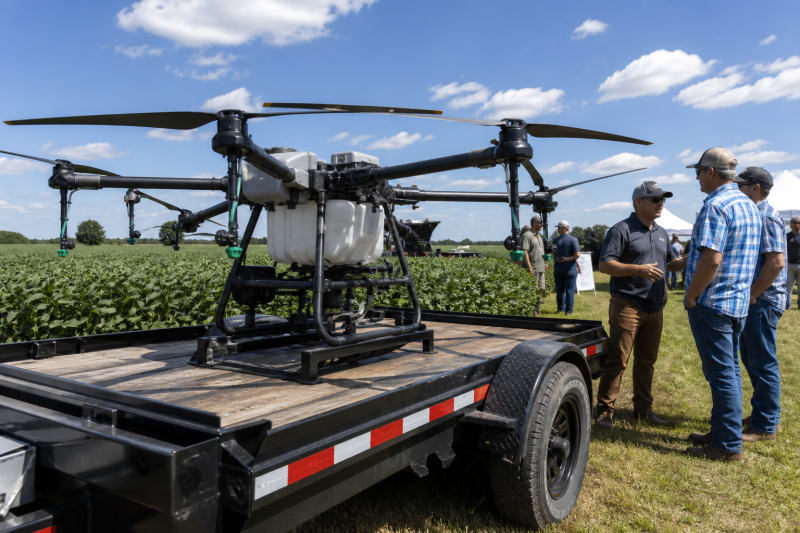
- Agricultural spraying
- Power line inspection
- Pipeline monitoring
- Security surveillance
- Mapping and surveying
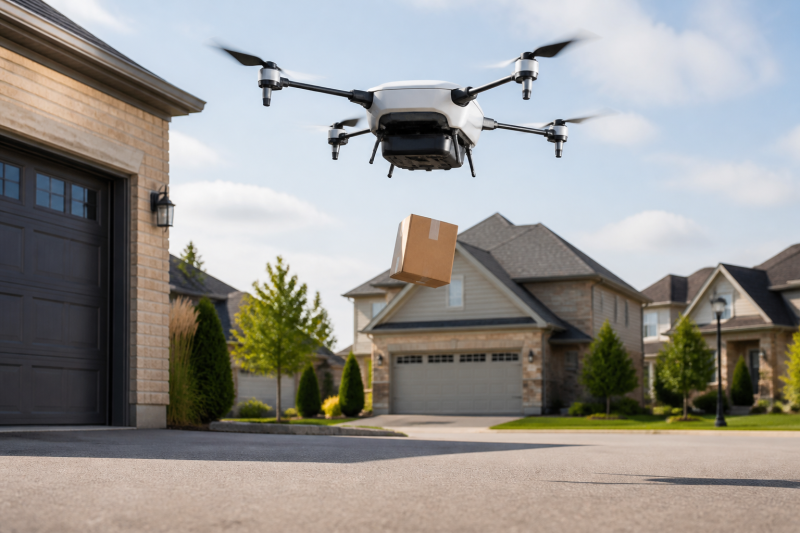
- Cargo transportation
The drone becomes a tool specifically created for your operational needs.
Flexible Payload Integration
Custom drones support various equipment, including:
- Thermal cameras
- LiDAR sensors
- High-resolution cameras
- Multispectral sensors
- Loudspeakers
- Delivery systems
This flexibility allows businesses to expand into multiple applications.
Better Flight Performance
Custom designs can optimize:
- Flight endurance
- Payload capacity
- Stability
- Communication range
- Power efficiency
The result is improved productivity and mission success.
OEM and ODM Opportunities
Businesses planning to establish their own drone brand can benefit from custom development.
Private-label solutions allow companies to:
- Build their own product lines.
- Create unique specifications.
- Differentiate themselves in the market.
- Expand long-term business opportunities.
Challenges of Custom Drone Development
Higher Initial Cost
Engineering, testing, and prototype development require additional investment.
Longer Development Time
Custom projects involve:
- Requirement analysis
- Design engineering
- Prototype manufacturing
- Flight testing
- Optimization
Development cycles may take weeks or months depending on complexity.
Technical Support Requirements
Custom systems require ongoing technical support and maintenance throughout their life cycle.
Which Industries Benefit Most from Custom Drones?
Custom solutions are especially valuable for:
Agriculture
Applications include:
- Crop spraying
- Fertilizer spreading
- Field mapping
- Crop monitoring
Industrial Inspection
Tasks such as:
- Power line inspection
- Wind turbine inspection
- Solar panel monitoring
- Infrastructure maintenance
Security and Surveillance
Requirements may involve:
- Night vision cameras
- Long endurance
- Real-time video transmission
Mapping and Surveying
Professional mapping projects often demand:
- RTK positioning
- High-precision sensors
- Automatic mission planning
Logistics and Delivery
Cargo transportation applications may require:
- Heavy payload capacity
- Stable flight control
- Long-distance communication
Key Questions Before Making a Decision
Before selecting a solution, ask:
What is the primary mission?
Understanding your application determines the necessary features.
Is standard equipment sufficient?
If existing products meet your needs, customization may not be necessary.
Will future upgrades be required?
Long-term expansion should be considered during the selection process.
Is branding important?
Businesses planning to establish their own products may prefer OEM or ODM development.
What is the total cost of ownership?
Maintenance, spare parts, support, and upgrade potential should be included in the evaluation.
Off-the-Shelf vs Custom Drone Comparison
| Feature | Off-the-Shelf Drone | Custom Drone |
|---|---|---|
| Delivery Time | Fast | Longer |
| Initial Cost | Lower | Higher |
| Flexibility | Limited | High |
| Payload Integration | Basic | Extensive |
| Upgrade Capability | Limited | Strong |
| Brand Customization | No | Yes |
| Industry Applications | General | Specialized |
| Long-Term Scalability | Moderate | Excellent |
Which Option Is Right for You?
If your requirements are straightforward and immediate deployment is important, a standard drone may be sufficient.
However, if your project involves unique operational requirements, specialized payloads, or plans to develop your own drone brand, custom drone development provides greater flexibility and long-term value.
The right solution should support not only your current needs but also future growth.
Conclusion
Choosing between custom drone development and off-the-shelf drones depends on your goals, application requirements, and long-term strategy.
Ready-made drones offer convenience and lower costs, while custom drones deliver flexibility, scalability, and optimized performance for demanding applications.
By carefully evaluating your project requirements, you can invest in a drone solution that maximizes efficiency, supports future expansion, and creates lasting value.
FAQ
What is the difference between custom drones and off-the-shelf drones?
Off-the-shelf drones are ready-made products, while custom drones are specifically designed to meet unique operational requirements.
Are custom drones more expensive?
Yes, custom development generally requires higher initial investment, but it may provide greater value and flexibility over the long term.
Who should choose custom drone development?
Businesses requiring specialized payloads, unique functions, OEM branding, or industry-specific performance are ideal candidates.
Can custom drones support multiple sensors?
Yes. Custom designs can integrate thermal cameras, LiDAR systems, mapping sensors, and many other payload options.
Is a standard drone suitable for industrial applications?
For basic tasks, standard drones may be sufficient. However, complex industrial operations often benefit from customized solutions that are optimized for specific missions.


No comments yet