





In recent years, drones have evolved from simple aerial devices into powerful technological platforms used for scientific research, robotics development, artificial intelligence experimentation, and engineering education. Universities, laboratories, and research institutions around the world are increasingly using autonomous UAV platforms to develop new technologies and explore innovative applications.
Unlike consumer drones designed for photography or entertainment, research drones require flexibility, customization, and advanced system integration. Scientists and engineers need drone platforms that allow them to install sensors, test algorithms, and experiment with autonomous flight systems.
As a result, many research institutions are actively searching for professional UAV manufacturers capable of providing customizable autonomous drone platforms. China has become one of the most important manufacturing centers for UAV technology, offering advanced engineering expertise and reliable production capabilities.
Among the emerging manufacturers in this field, MSOEN is developing specialized autonomous drone platforms designed for research institutions, universities, robotics laboratories, and technology companies.
This article explores how autonomous UAV platforms support research and innovation, the features required for research drone systems, and how manufacturers like MSOEN provide flexible UAV solutions for scientific projects.
The Growing Importance of UAV Platforms in Scientific Research
Drones are becoming essential tools in many scientific disciplines. Their ability to fly, collect data, and carry sensors makes them valuable platforms for experimentation and field research.
Universities and laboratories now use drones in areas such as:
- artificial intelligence research
- robotics development
- environmental monitoring
- geographic mapping
- agricultural technology studies
- atmospheric research
- disaster management research
Autonomous drone platforms allow researchers to test new technologies in real-world environments.
For example, robotics engineers may use UAV platforms to develop navigation algorithms, while environmental scientists may install sensors to monitor ecosystems.
Because each research project has different technical requirements, researchers need customizable UAV platforms rather than fixed commercial drones.
What Is a Custom Autonomous Drone Platform?
A custom autonomous drone platform is a UAV system designed to allow flexible hardware and software development.
Unlike standard drones, research platforms provide open architecture that allows researchers to modify or upgrade the system.
Key characteristics of research UAV platforms include:
- modular structure
- open flight control systems
- customizable sensor integration
- expandable computing power
- flexible communication systems
These features allow researchers to test new technologies and develop innovative drone applications.
Applications of Research UAV Platforms
Autonomous drone platforms are used in many advanced research fields.
Artificial Intelligence Research
AI researchers use drones to develop technologies such as:
- computer vision
- object recognition
- autonomous navigation
- obstacle avoidance algorithms
Drone platforms provide real-world environments for testing AI models.
Robotics Engineering
Robotics laboratories often use UAV platforms to study motion control, swarm robotics, and human-machine interaction.
Drone experiments can help engineers develop more advanced robotic systems.
Environmental Monitoring
Researchers studying ecosystems and environmental changes often deploy drones equipped with sensors.
These sensors may measure:
- air quality
- temperature
- vegetation health
- water pollution
Drone-based monitoring allows scientists to collect data from areas that are difficult to access.
Agricultural Research
Agricultural research institutions use drones to study crop growth, soil conditions, and farming techniques.
Data collected by drones can help improve farming efficiency and sustainability.
Mapping and Geographic Studies
Surveying drones are widely used in geographic research and land mapping projects.
High-resolution aerial imagery collected by UAVs provides valuable data for researchers and planners.
MSOEN Autonomous UAV Platforms for Research Institutions
MSOEN focuses on developing professional UAV platforms specifically designed for research and education.
These drone platforms are engineered to provide flexibility, reliability, and performance for experimental applications.
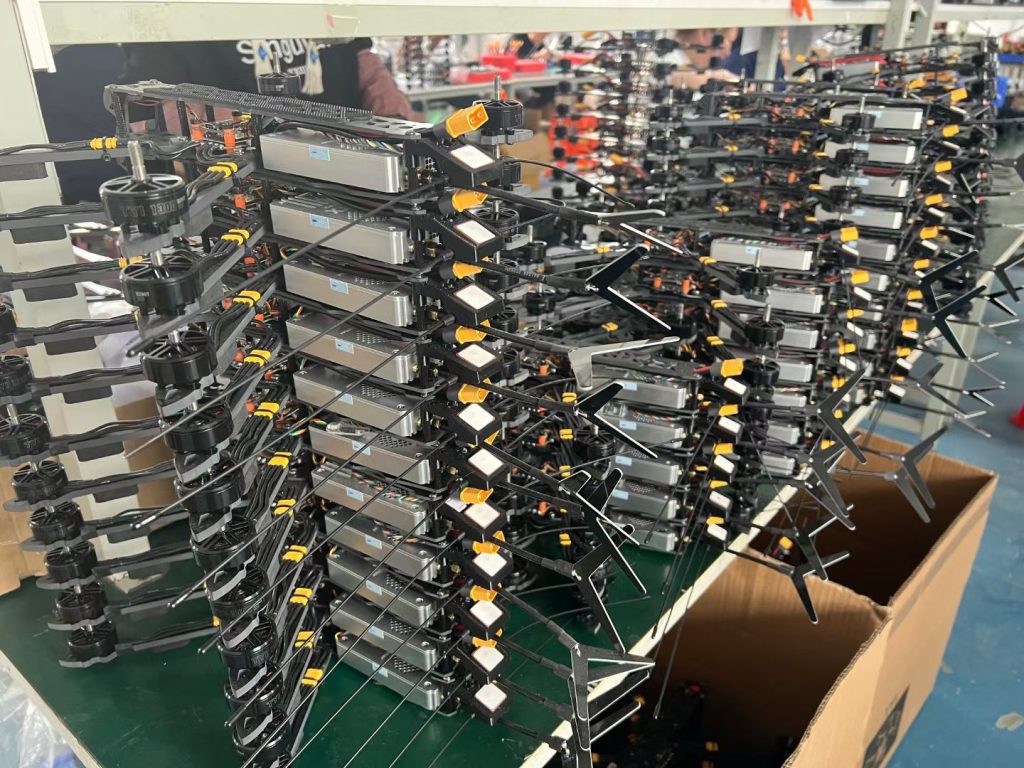
The company works with universities, research institutes, robotics developers, and technology startups worldwide.
Carbon Fiber UAV Structure for Research Platforms
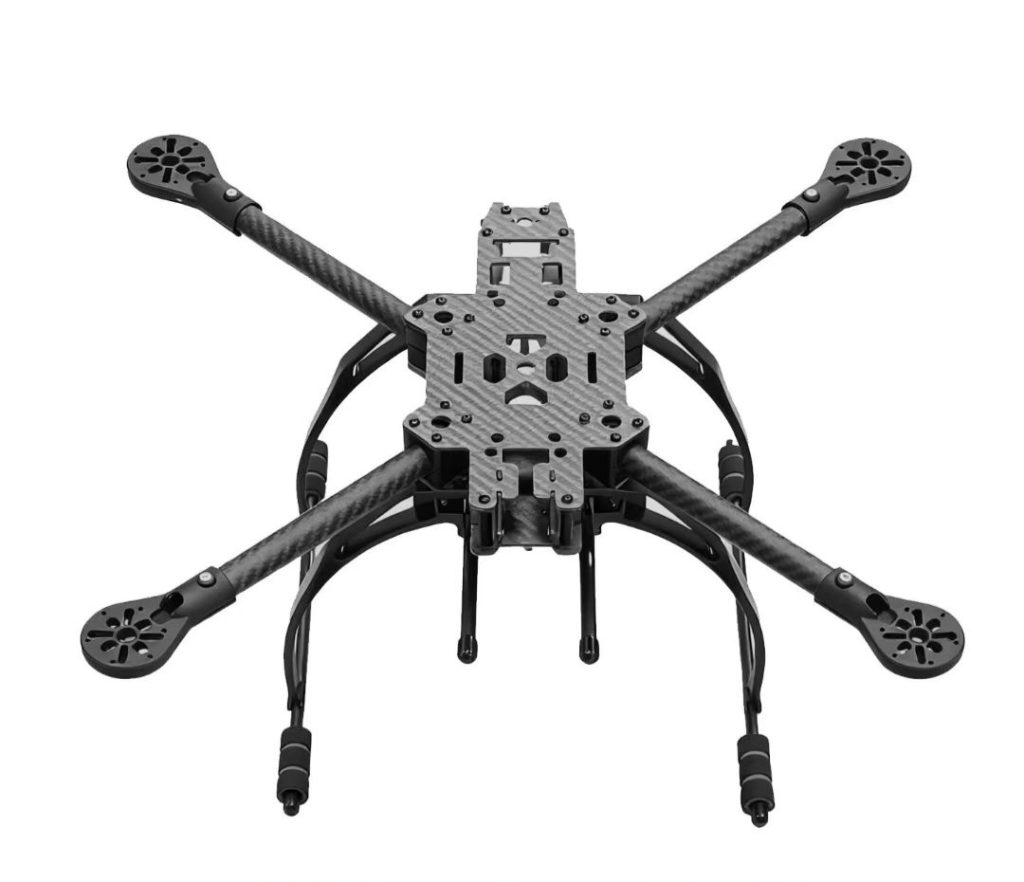
One of the most important features of MSOEN UAV platforms is the use of carbon fiber drone frames.
Carbon fiber materials offer several advantages for research drones.
Lightweight Design
Carbon fiber frames reduce the overall weight of the UAV, improving flight efficiency and endurance.
This allows research drones to stay airborne longer during experiments.
Structural Strength
Carbon fiber provides strong mechanical stability, which is essential for UAV platforms carrying sensors, cameras, or experimental equipment.
Vibration Reduction
Sensitive sensors and cameras require stable platforms to produce accurate data.
Carbon fiber frames help reduce vibration during flight.
Long-Term Durability
Carbon fiber materials are resistant to corrosion and environmental damage, making them suitable for outdoor research missions.
Modular Design for Flexible Experimentation
Research projects often require different equipment configurations.
MSOEN UAV platforms are designed with modular structures that allow easy installation of various components.
Researchers can install:
- cameras
- LiDAR scanners
- thermal sensors
- AI computing modules
- environmental sensors
- communication systems
This flexibility allows the same UAV platform to support multiple research projects.
Flight Control Systems for Autonomous Development
Research drones must support advanced flight control systems that allow developers to modify and test algorithms.
MSOEN UAV platforms support popular open-source flight controllers such as:
- PX4
- ArduPilot
These systems allow researchers to develop and test new features including:
- autonomous navigation
- swarm coordination
- obstacle avoidance
- path planning algorithms
This open architecture is essential for robotics and AI research.
Custom UAV Development for Specialized Projects
Each research project may require a unique UAV configuration.
MSOEN provides custom drone development services to meet specific research requirements.
Customization options include:
- drone size and structure
- propulsion systems
- payload capacity
- sensor integration
- onboard computing modules
This flexibility allows research teams to develop specialized UAV systems for their experiments.
UAV Platforms for Engineering Education
In addition to research applications, drones are becoming valuable teaching tools in engineering and robotics education.
Universities increasingly include UAV technology in courses such as:
- robotics engineering
- aerospace engineering
- artificial intelligence
- computer science
Students can use drone platforms to learn about:
- flight control systems
- sensor integration
- embedded programming
- robotics algorithms
Hands-on drone projects help students develop practical engineering skills.
Why Universities Choose Professional UAV Manufacturers
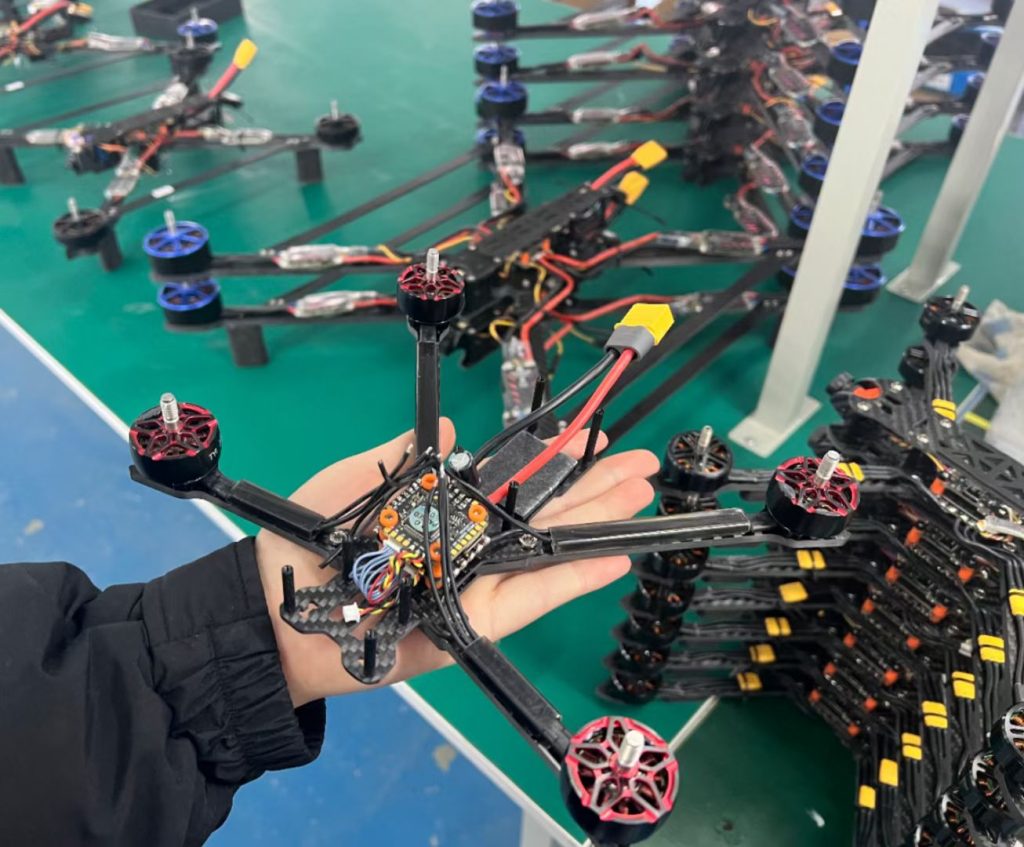
Developing a custom research drone requires advanced engineering knowledge and manufacturing capabilities.
Many universities prefer to collaborate with experienced UAV manufacturers rather than building drone systems from scratch.
Professional manufacturers provide:
- reliable UAV structures
- engineering expertise
- high-quality components
- scalable production capability
Working with a reliable manufacturer helps research institutions focus on their scientific work.
The Future of Autonomous UAV Research
Autonomous UAV technology continues to evolve rapidly. Future research may focus on areas such as:
- drone swarm coordination
- AI-powered aerial robotics
- long-endurance UAV platforms
- urban air mobility systems
- autonomous delivery drones
Universities and research institutions will play an important role in developing these technologies.
Flexible UAV platforms will be essential tools for experimentation and innovation.
MSOEN – Supporting Global UAV Research and Innovation
As drone technology becomes increasingly important in science and engineering, the demand for professional UAV platforms continues to grow.
MSOEN is committed to supporting research institutions and technology developers by providing:
- autonomous UAV platforms
- carbon fiber drone structures
- custom drone development solutions
- flexible research UAV systems
Universities, robotics laboratories, and technology companies looking for custom autonomous drone platforms can explore collaboration opportunities with the MSOEN engineering team.
Together, advanced UAV technology can help accelerate innovation and support the next generation of robotics and autonomous systems.








No comments yet