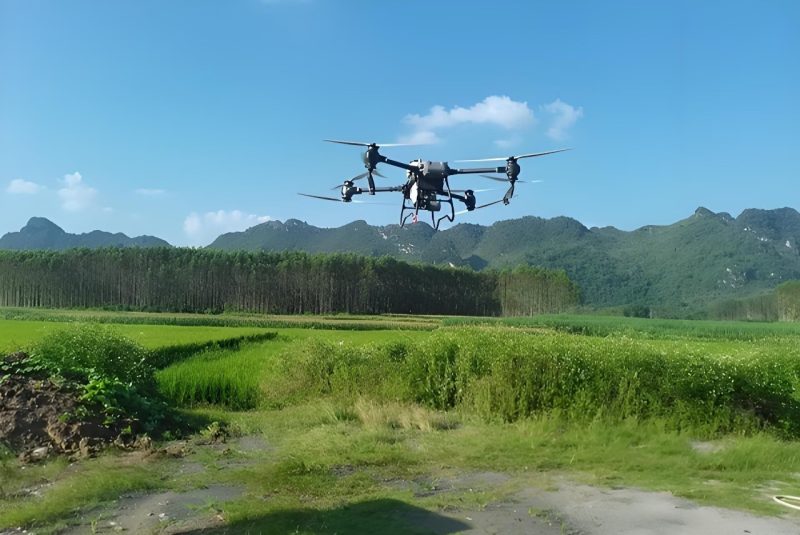




Agricultural drones are transforming modern farming by improving crop management, increasing spraying efficiency, and reducing labor costs. For farms, agricultural companies, and distributors around the world, choosing the right drone solution is becoming an important investment decision.
However, buying an agricultural drone is not only about selecting a machine with a good price. Buyers need to consider drone performance, spraying capability, battery system, durability, technical support, and supplier reliability.
This complete guide explains what global buyers should know before purchasing agricultural drones for farming projects.
1. Understand Your Farming Requirements First
Before buying an agricultural drone, buyers should clearly define their application needs.
Different farming projects may require different drone configurations.
Important questions include:
- What crops will the drone be used for?
- How large is the farming area?
- What type of spraying work is required?
- How many working hours are needed per day?
- What environmental conditions will the drone operate in?
For example:
- Rice farms may require drones with strong waterproof performance.
- Fruit farms may need accurate spraying systems.
- Large agricultural fields may require longer flight endurance.
Understanding your requirements helps you choose the right drone model.
2. Choose the Right Agricultural Drone Type
Agricultural drones are available in different configurations depending on farming applications.
Common types include:
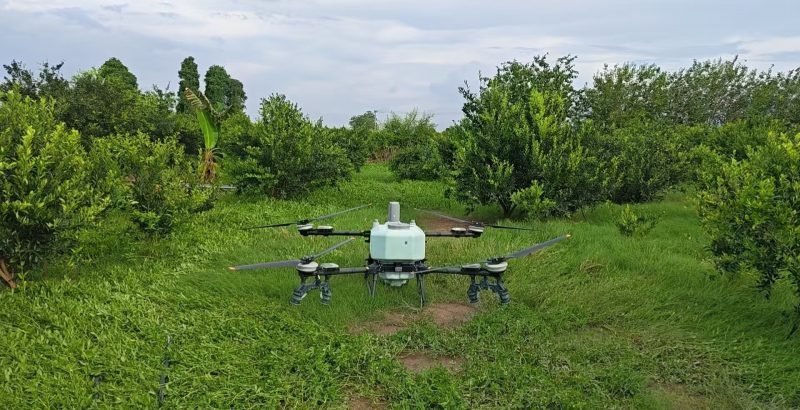
Spraying Drones
Spraying drones are widely used for:
- Fertilizer application
- Pesticide spraying
- Crop protection
- Field management
They help farmers cover large areas quickly and evenly.
Mapping and Monitoring Drones
These drones use cameras and sensors to collect farmland data, helping farmers:
- Monitor crop growth
- Identify plant problems
- Improve farming decisions
Multi-Function Agricultural Drones
Some advanced drones combine spraying, mapping, and intelligent management functions to provide complete farming solutions.
3. Evaluate Key Drone Specifications
When purchasing agricultural drones, buyers should carefully review technical specifications.
Flight Time
Longer flight time means:
- More farmland coverage
- Less battery replacement
- Higher working efficiency
Spray Capacity
The tank capacity affects daily operation efficiency.
Buyers should consider:
- Tank volume
- Spray width
- Spray speed
- Flow control system
Flight Stability
A professional agricultural drone should have:
- Accurate positioning
- Stable hovering
- Reliable navigation
- Strong environmental adaptability
4. Pay Attention to Battery and Charging Systems
Battery performance directly affects agricultural drone productivity.
A high-quality battery system should provide:
- Long operating time
- Fast charging capability
- Safety protection
- Long service life
For commercial farming projects, buyers should also consider purchasing additional batteries and charging equipment to maintain continuous operation.
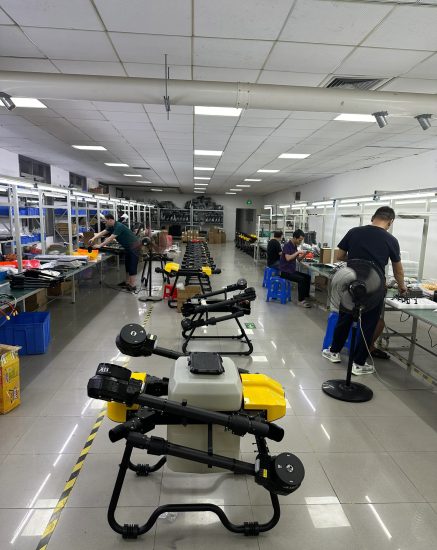
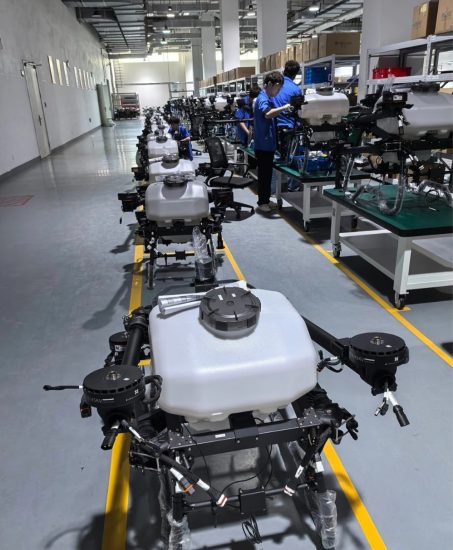
5. Check Supplier Manufacturing Experience
Selecting a reliable supplier is one of the most important steps.
Before cooperation, buyers should evaluate:
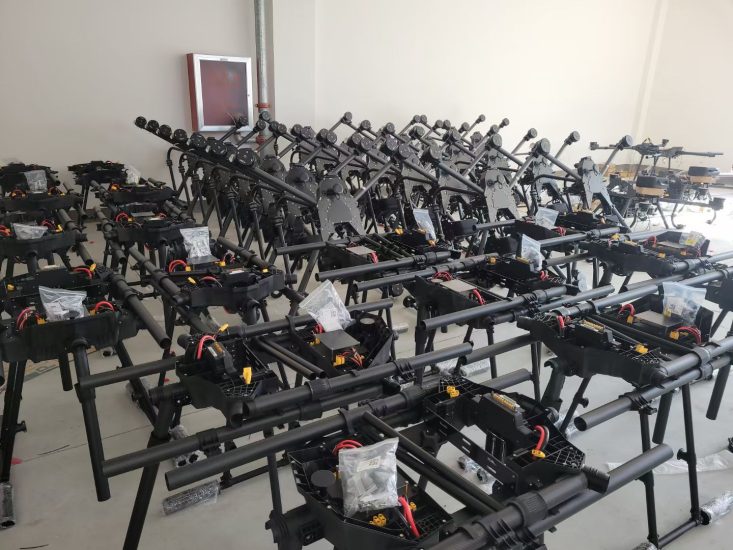
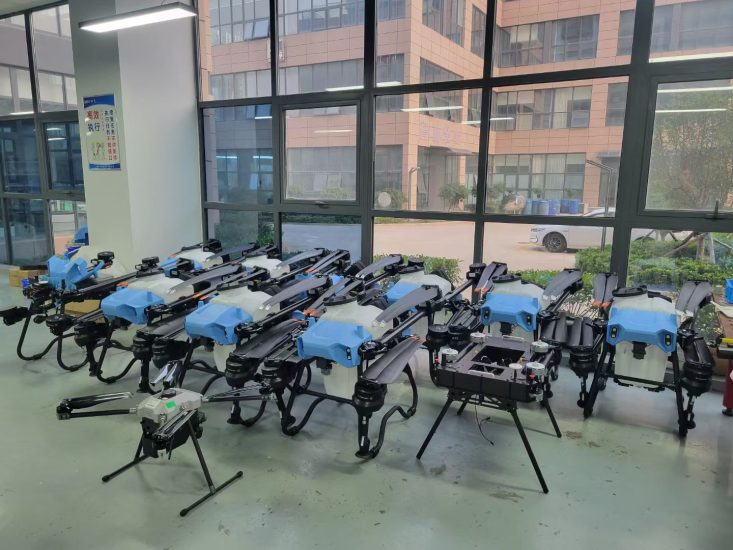
- Factory production capability
- Product testing process
- Engineering support
- Export experience
- Customer service
A professional manufacturer should provide detailed product information and support international buyers throughout the purchasing process.
6. Consider OEM and Wholesale Opportunities
Many agricultural businesses and distributors prefer OEM agricultural drones to build their own brands.
OEM services may include:
- Custom logo
- Customized packaging
- Software language adjustment
- Product appearance design
- Special configuration requirements
For importers and distributors, OEM cooperation can help create competitive advantages in local markets.
7. Understand Import and Shipping Requirements
International buyers should consider logistics before ordering agricultural drones.
Important points include:
- Product packaging
- Battery transportation requirements
- Export documents
- Customs clearance procedures
Since agricultural drones usually include lithium batteries, professional shipping arrangements are important to ensure smooth delivery.
8. Test Samples Before Bulk Purchasing
For large farming projects or distribution businesses, testing samples before bulk orders is recommended.
Sample testing can help buyers evaluate:
- Actual flight performance
- Spraying efficiency
- Product durability
- User operation experience
This reduces purchasing risks and helps buyers make better decisions.
Frequently Asked Questions (FAQ)
Q1: Are agricultural drones suitable for small farms?
Yes. Agricultural drones can be used for small, medium, and large farms. Buyers can select different sizes according to farmland area and operation requirements.
Q2: What should I check before importing agricultural drones?
You should check product specifications, supplier experience, certifications, battery shipping requirements, warranty policies, and technical support.
Q3: Can agricultural drones be customized for different countries?
Yes. Many manufacturers provide customization services, including language settings, branding, packaging, and technical configurations.
Q4: How can agricultural drones improve farming efficiency?
Agricultural drones can reduce manual labor, increase spraying accuracy, save time, and help farmers manage larger farming areas.
Q5: What is the expected lifespan of an agricultural drone?
The lifespan depends on product quality, maintenance, operating environment, and usage frequency. Regular maintenance can extend service life.
Conclusion
Buying an agricultural drone for global farming projects requires careful planning and supplier evaluation. The right drone should match your farming needs, provide reliable performance, and come from a manufacturer with strong technical support.
For international buyers, choosing a professional agricultural drone supplier can help improve farming efficiency, reduce operating costs, and create long-term business opportunities in the growing agricultural technology market.


No comments yet