



Investing in a drone can improve efficiency, reduce labor costs, and create new business opportunities. However, many buyers focus only on price and overlook factors that directly affect performance, maintenance costs, and long-term value. Whether you are purchasing a drone for aerial photography, inspection, agriculture, mapping, or security applications, selecting the right model requires careful evaluation.
Why Choosing the Right Drone Matters
A drone is more than just a flying device. It is a working tool that should match your business goals. Buying a drone with insufficient payload capacity, limited flight time, or poor reliability can lead to frequent downtime and higher operating expenses.
Before making a decision, ask yourself:
- What tasks will the drone perform?
- How often will it be used?
- What environment will it operate in?
- Is customization required?
- Will spare parts and technical support be available?
Answering these questions can help avoid costly mistakes.
Define Your Application Requirements
Different industries require different drone capabilities.
Aerial Photography and Video
If your business involves photography or filmmaking, prioritize:
- Stable flight performance
- High-resolution cameras
- Three-axis gimbal stabilization
- Long flight endurance
- Portable design
Surveying and Mapping
Mapping operations require:
- Accurate positioning systems
- RTK support
- High-quality image sensors
- Automatic route planning
- Consistent flight stability
Inspection and Monitoring
Power line inspections, construction projects, and infrastructure monitoring demand:
- Long-distance transmission
- High zoom capabilities
- Obstacle avoidance systems
- Reliable positioning accuracy
Agricultural Operations
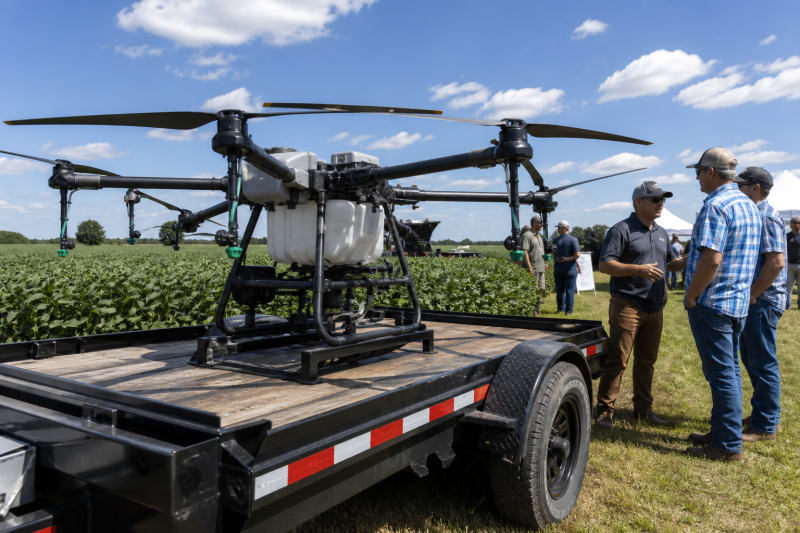
Agricultural drones should offer:
- Large payload capacity
- Efficient spraying systems
- High working efficiency
- Easy maintenance
- Strong resistance to harsh environments
Consider Flight Time
Flight time directly affects productivity.
Short flight durations require frequent battery replacements, increasing operating costs and reducing efficiency.
For commercial applications, longer flight endurance helps:
- Cover larger areas
- Reduce downtime
- Improve work efficiency
- Lower labor costs
When evaluating flight time, consider actual working conditions rather than laboratory specifications.
Payload Capacity Is Important
Payload capacity determines what equipment a drone can carry.
Examples include:
- Cameras
- Sensors
- Spraying systems
- Thermal imaging devices
- Loudspeakers
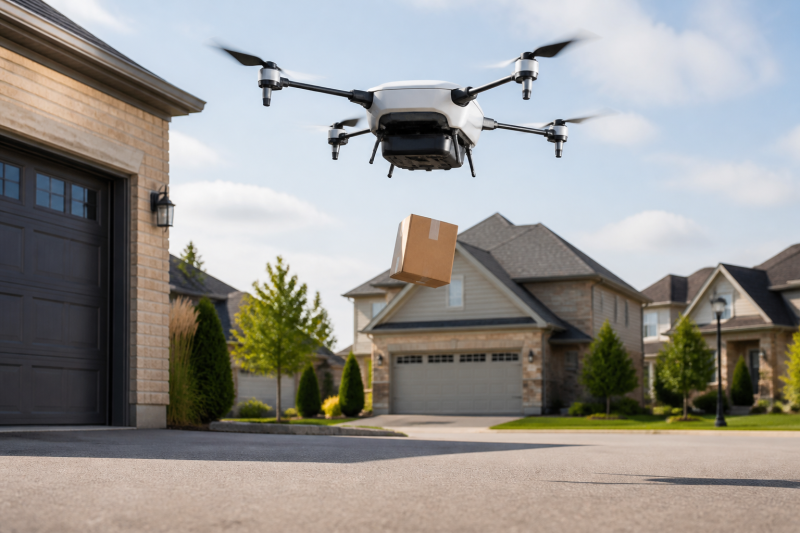
- Delivery containers
Choosing insufficient payload capacity may limit future upgrades and applications.
Reliability and Durability
Commercial drones often operate in demanding environments.
Look for features such as:
- Strong frame structure
- Weather resistance
- Stable communication systems
- High-quality motors
- Efficient cooling design
Reliable drones reduce maintenance frequency and increase operational uptime.
Battery System and Charging Efficiency
Battery performance significantly affects operating costs.
Important factors include:
- Charging speed
- Battery lifespan
- Safety protection
- Easy replacement
- Availability of spare batteries
For high-frequency operations, fast charging and multiple battery sets can greatly improve efficiency.
Software and Intelligent Functions
Modern drones are equipped with advanced functions that simplify operations.
Useful features include:
- GPS positioning
- Automatic return-to-home
- Waypoint flight planning
- Obstacle avoidance
- Intelligent tracking
- Real-time video transmission
These functions can improve safety and reduce pilot workload.
Spare Parts Availability
Many buyers overlook after-sales support.
Before purchasing, verify whether the manufacturer can provide:
- Replacement propellers
- Motors
- Batteries
- Flight controllers
- Technical support
- Maintenance services
Easy access to spare parts minimizes downtime and extends the drone’s service life.
Should You Choose Standard or Custom Drones?
Standard drones are suitable for common applications and offer fast delivery.
Custom drones are ideal when your project requires:
- Specific payload integration
- Unique flight requirements
- Extended endurance
- Special communication systems
- OEM and ODM solutions
Custom development allows businesses to create products tailored to their operational needs.
Total Cost of Ownership Matters
The lowest purchase price does not always provide the best value.
Consider the total cost, including:
- Initial investment
- Batteries
- Maintenance
- Spare parts
- Training
- Software updates
- Operational efficiency
A reliable drone with lower maintenance costs often delivers better long-term returns.
How to Choose a Reliable Drone Manufacturer
A professional manufacturer should provide:
- Stable product quality
- Engineering support
- OEM and ODM services
- Quality testing procedures
- Fast response times
- Long-term spare parts supply
Working with an experienced manufacturer helps reduce risks and ensures consistent performance.
Conclusion
Choosing the right drone for your business requires more than comparing prices. Understanding your application, evaluating performance requirements, considering long-term operating costs, and selecting a dependable manufacturing partner are all essential steps.
Whether you need drones for photography, agriculture, inspection, mapping, or industrial projects, investing in the right solution can improve efficiency, increase productivity, and create long-term value for your business.
FAQ
How do I choose the right drone for my business?
Start by identifying your application requirements, flight time needs, payload capacity, and expected operating environment. These factors will determine the most suitable drone solution.
What is the most important factor when buying a commercial drone?
Reliability, flight endurance, payload capacity, and after-sales support are usually more important than price alone.
Should I choose a standard drone or a custom drone?
Standard drones are suitable for general tasks, while custom drones are better for projects requiring specialized functions or unique payload systems.
How long should a commercial drone fly?
The ideal flight time depends on the application, but longer endurance generally improves efficiency and reduces downtime.
Why is after-sales support important?
Good technical support and spare parts availability help minimize downtime and ensure long-term operation, which ultimately lowers ownership costs.


No comments yet