


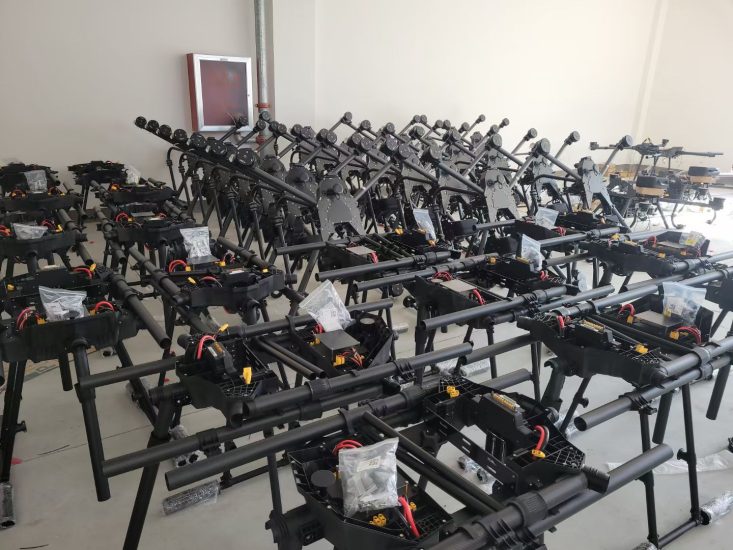
![Image [1]-China's Aerial Photography Drone Manufacturing: Redefining the Skies-msoen](https://www.msoen.com/wp-content/uploads/2026/01/02da71f10c192955-768x1024.jpg)
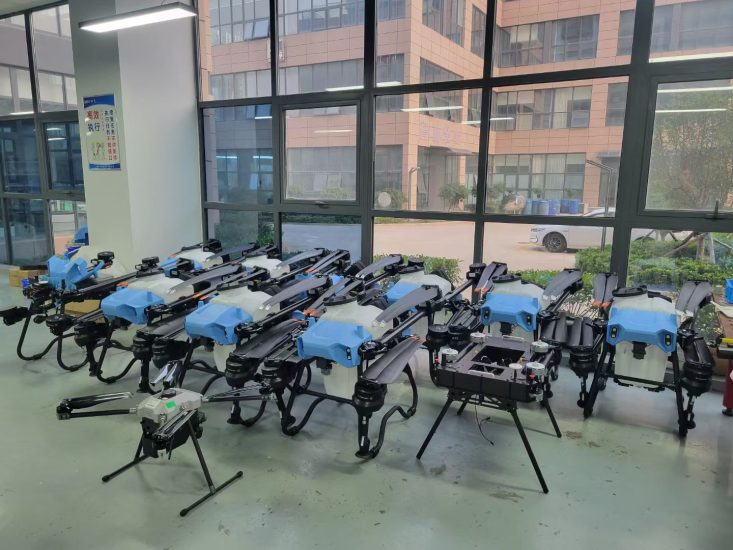
![Image [2]-China's Aerial Photography Drone Manufacturing: Redefining the Skies-msoen](https://www.msoen.com/wp-content/uploads/2026/01/4fc1c2356c192846-768x1024.jpg)
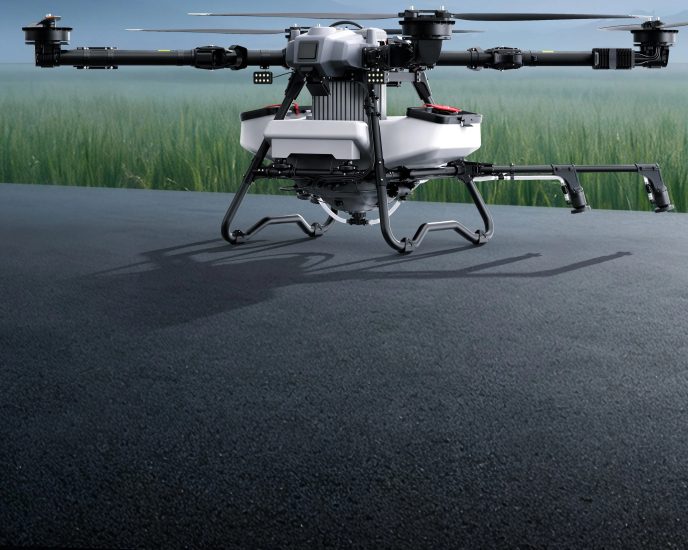
![Image [3]-China's Aerial Photography Drone Manufacturing: Redefining the Skies-msoen](https://www.msoen.com/wp-content/uploads/2026/01/490dfc895f192828-768x1024.jpg)
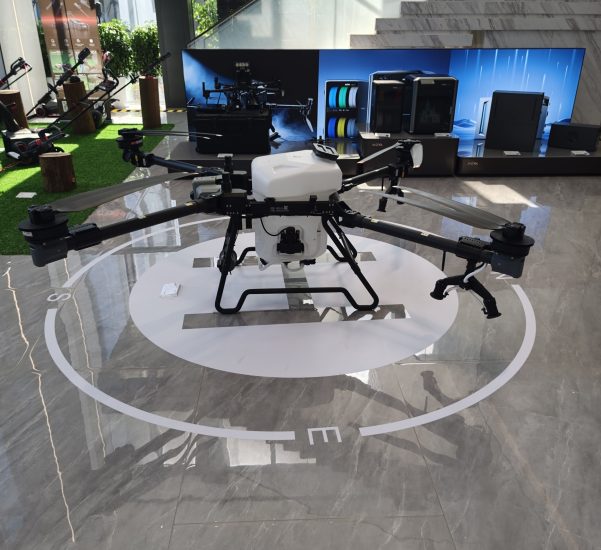
![Image [4]-China's Aerial Photography Drone Manufacturing: Redefining the Skies-msoen](https://www.msoen.com/wp-content/uploads/2026/01/cf212fb489195220-768x1024.jpg)
![Image [5]-China's Aerial Photography Drone Manufacturing: Redefining the Skies-msoen](https://www.msoen.com/wp-content/uploads/2026/01/25b1b8e53d192813-768x1024.jpg)

The global market for consumer and commercial drones has experienced exponential growth over the past decade, with China emerging as a dominant force in this high-tech industry. As a leading manufacturer of aerial photography drones, I have witnessed firsthand how Chinese companies are not only meeting but redefining international standards in design, performance, and accessibility. This article delves into the unique strengths of China’s drone manufacturing sector, the technological innovations driving its success, and the impact these devices are having on industries ranging from filmmaking to agriculture.
The Rise of China in the Global Drone Market
China’s ascent in the drone industry is no accident. It stems from a combination of government support, a robust supply chain, and a culture of rapid innovation. According to market research firm IDC, Chinese brands accounted for over 70% of global drone shipments in 2023, with DJI alone capturing nearly 50% of the consumer drone market. This dominance is built on decades of investment in electronics manufacturing, aerospace engineering, and artificial intelligence—foundational pillars that enable Chinese manufacturers to produce drones that are both affordable and technologically advanced.
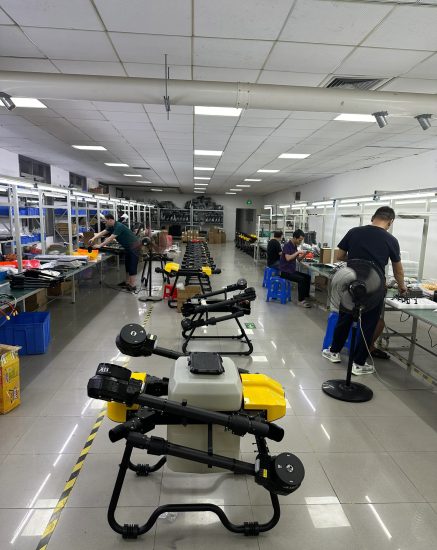
One key advantage lies in China’s vertically integrated supply chains. From sourcing raw materials like lightweight carbon fiber to assembling sophisticated sensors and flight controllers, most components can be sourced domestically at competitive prices. This reduces reliance on foreign suppliers and accelerates production timelines—a critical factor in an industry where speed-to-market often determines success. Additionally, government initiatives such as tax incentives for tech startups and funding for R&D labs have fostered a thriving ecosystem of drone manufacturers, software developers, and service providers.
Technological Innovations Driving Excellence
Chinese drone manufacturers are renowned for pushing the boundaries of what aerial photography drones can achieve. Here are some standout innovations that set them apart:
1. Advanced Camera Systems
Modern aerial photography drones from Chinese brands feature cameras capable of capturing 4K/8K video and high-resolution still images with exceptional clarity. Many models incorporate gimbals with three-axis stabilization, ensuring smooth footage even in windy conditions. Some flagship drones now offer interchangeable lenses, RAW photo capture, and AI-powered subject tracking—features once exclusive to professional cinema cameras. For instance, DJI’s Inspire series includes Zenmuse cameras with large sensors that rival traditional DSLRs, enabling photographers to shoot cinematic-quality content from the sky.
2. Intelligent Flight Modes
AI integration has revolutionized drone operation. Features like obstacle avoidance (using stereo vision and infrared sensors), automated flight paths (via waypoint navigation), and “follow me” modes allow users with minimal training to capture complex shots effortlessly. Chinese manufacturers have also pioneered gesture control and voice commands, making drones more intuitive for beginners. For example, Autel Robotics’ EVO Lite+ drone uses AI to recognize faces and objects, adjusting framing automatically to keep subjects centered.
3. Extended Flight Time and Range
Battery technology remains a challenge for drones, but Chinese companies have made significant strides. By optimizing motor efficiency and using high-density lithium-polymer batteries, many models now offer flight times exceeding 30 minutes—double what early drones could manage. Enhanced transmission systems (such as DJI’s OcuSync) extend control ranges up to 15 kilometers, allowing photographers to explore vast landscapes without losing connectivity.
4. Rugged Design for Diverse Environments
Recognizing that aerial photography often occurs outdoors, Chinese manufacturers prioritize durability. Drones are engineered to withstand rain, dust, and extreme temperatures (-10°C to 40°C). Foldable designs, popularized by DJI’s Mavic series, make drones portable enough to carry in a backpack—ideal for travel photographers. Water-resistant coatings and reinforced frames further ensure reliability in challenging conditions.
Applications Beyond Hobbyists: Commercial and Industrial Uses
While consumer drones dominate headlines, Chinese-manufactured aerial photography drones are increasingly being adopted across commercial sectors:
- Filmmaking and Media: Production crews use drones to capture sweeping landscape shots, dynamic chase scenes, and overhead views that were previously impossible or prohibitively expensive. For example, Chinese directors have employed drones to film epic battle sequences in historical dramas, achieving cinematic grandeur at a fraction of the cost of helicopters.
- Real Estate: Agents leverage drones to create immersive property tours, showcasing homes and land from unique angles. High-resolution imagery helps buyers visualize spaces remotely, accelerating sales cycles.
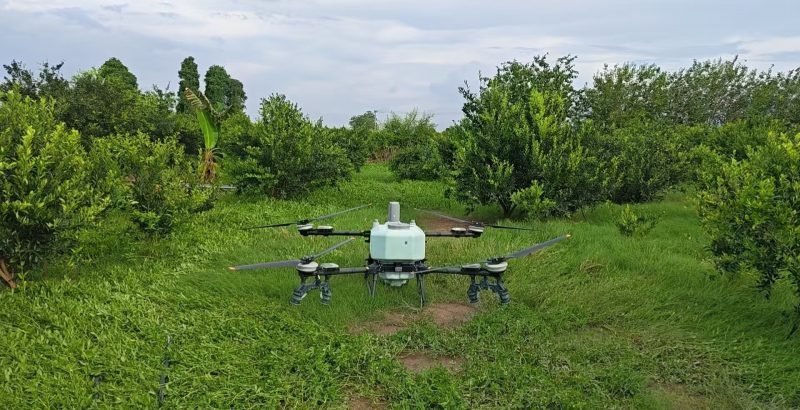
- Agriculture: Farmers use drones equipped with multispectral cameras to monitor crop health, detect pests, and optimize irrigation. Data collected from aerial surveys enables precision farming, reducing water and pesticide usage by up to 30%.
- Search and Rescue: Emergency responders deploy drones with thermal imaging cameras to locate missing persons in disaster zones or dense forests. Their ability to access hard-to-reach areas saves valuable time during critical missions.
Sustainability and Ethical Considerations
As drone usage grows, so does scrutiny over environmental and privacy impacts. Chinese manufacturers are addressing these concerns proactively:
- Eco-Friendly Materials: Many drones now use recycled plastics and biodegradable components to reduce waste. DJI, for instance, has launched a trade-in program encouraging users to recycle old drones.
- Privacy Protection: To prevent misuse, drones are equipped with geofencing features that restrict flights near sensitive areas like airports and government buildings. Manufacturers also provide guidelines for ethical data collection.
- Noise Reduction: Innovations in propeller design and motor efficiency have lowered operational noise levels, minimizing disturbance to wildlife and communities.
Challenges and Future Outlook
Despite their success, Chinese drone manufacturers face challenges. Regulatory hurdles vary globally, with some countries imposing strict import restrictions or requiring local assembly. Competition from Western brands like Skydio (USA) and Parrot (France) is intensifying, particularly in niche markets. Additionally, maintaining technological leadership requires continuous investment in R&D—an area where smaller manufacturers may struggle.
Looking ahead, several trends will shape the future of China’s drone industry:
- 5G Integration: Faster data transmission via 5G networks will enable real-time streaming of high-definition footage and remote piloting from anywhere in the world.
- AI-Powered Analytics: Drones will evolve beyond image capture to provide actionable insights. For example, agricultural drones could analyze soil moisture levels and recommend fertilization schedules.
- Urban Air Mobility (UAM): Chinese companies are exploring passenger-carrying drones for short-distance urban transport, though regulatory approval remains years away.
Conclusion
China’s dominance in aerial photography drone manufacturing is a testament to its ability to blend innovation, efficiency, and scale. By prioritizing user-friendly designs, cutting-edge technology, and adaptability across industries, Chinese brands have democratized aerial photography—empowering creators, businesses, and communities worldwide. As the industry continues to evolve, one thing is clear: the skies above us are becoming a canvas for creativity and progress, painted by the ingenuity of Chinese manufacturers.
For those seeking reliable, high-performance aerial photography drones, exploring products from established Chinese brands offers unparalleled value. Whether you’re a hobbyist capturing sunsets or a business owner streamlining operations, these devices represent the pinnacle of modern technology—designed to help you see the world from new heights.


No comments yet