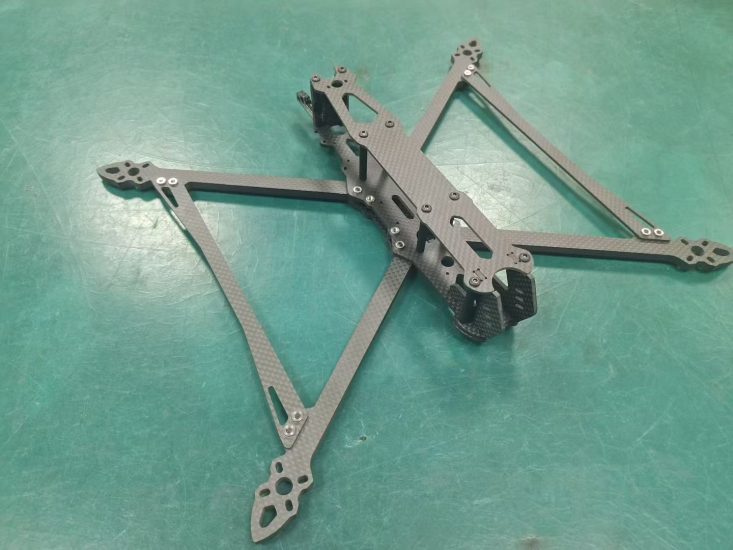


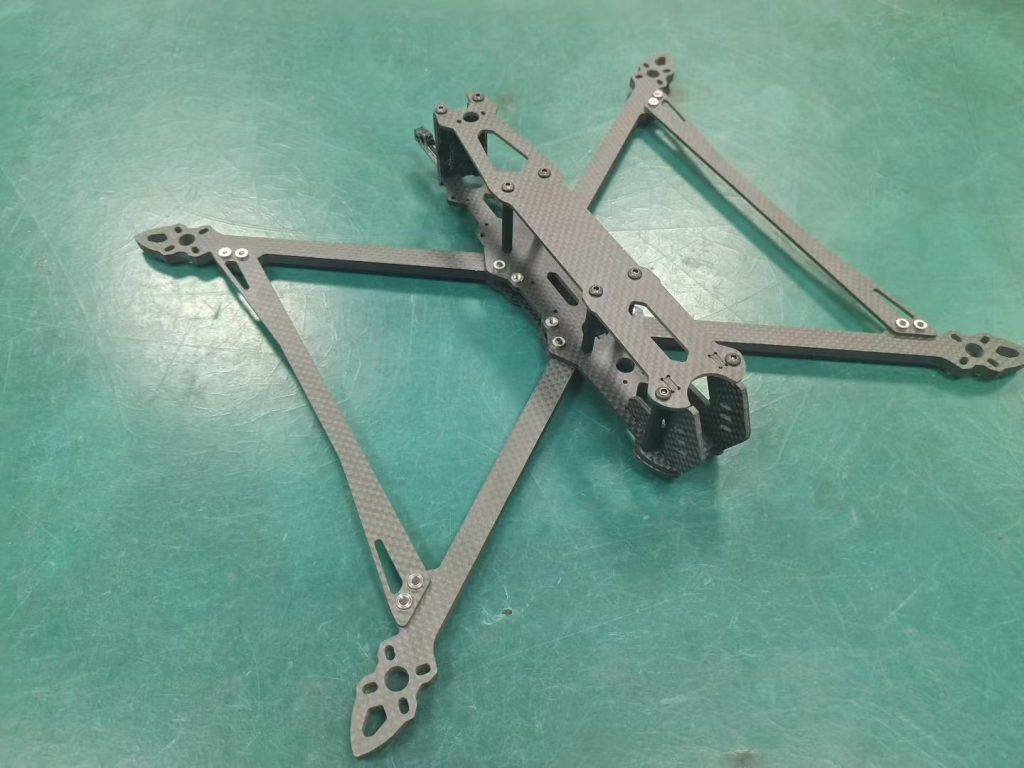
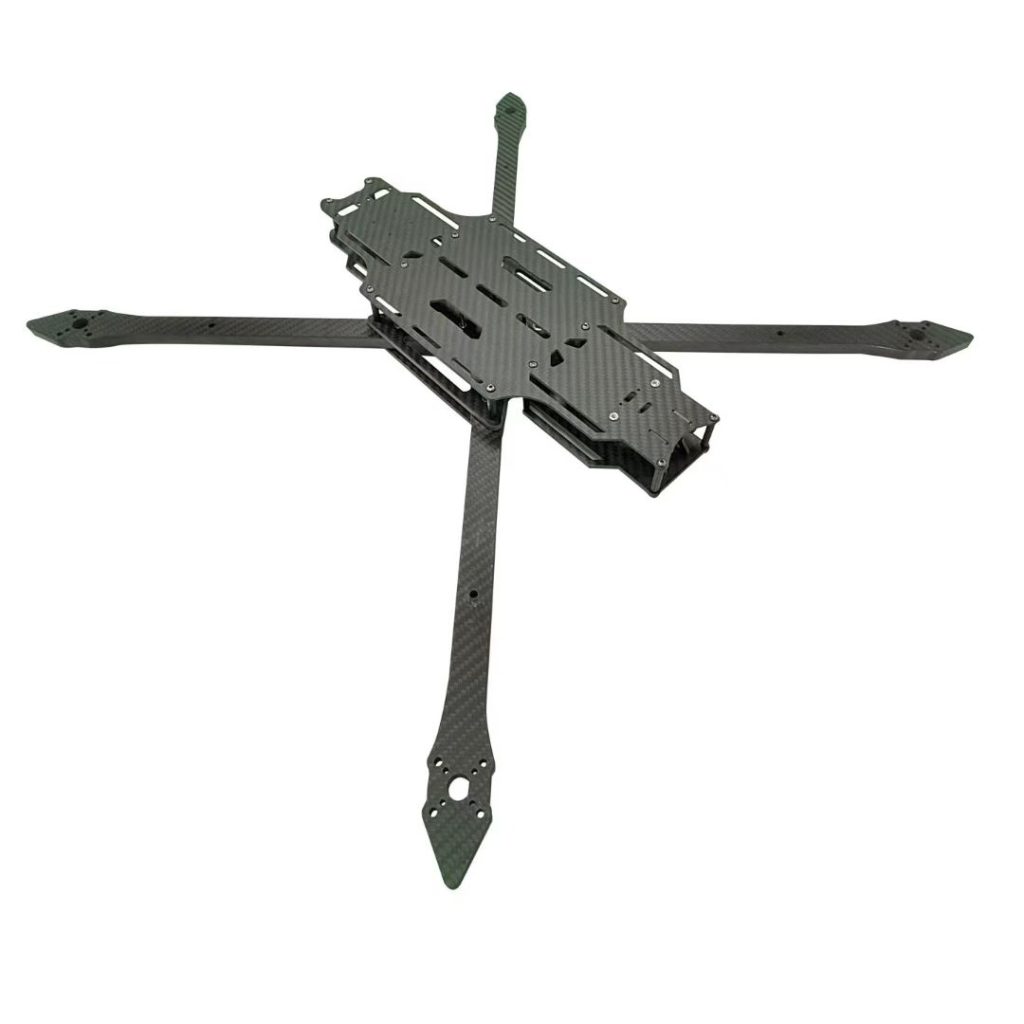
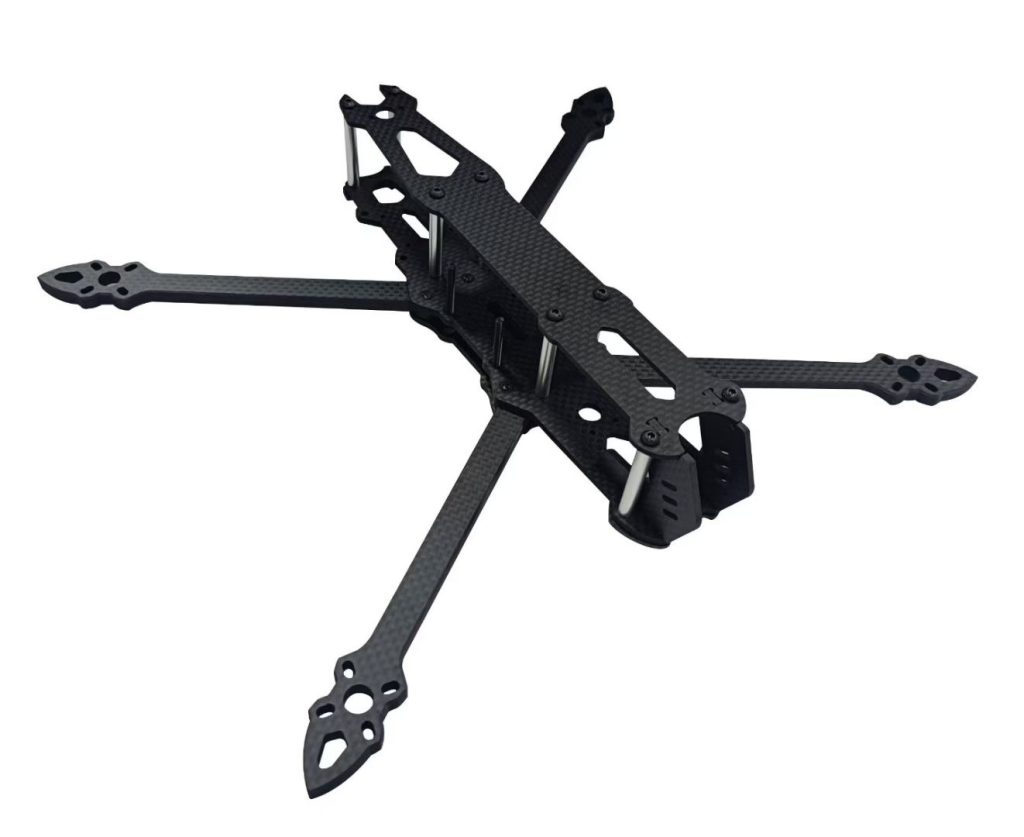

The global drone industry has entered an era where lightweight materials, high durability, and long endurance are essential for professional unmanned aerial vehicles (UAVs). Among all structural materials, carbon fiber has become the preferred choice for high-performance drones used in agriculture, inspection, mapping, logistics, and scientific research.
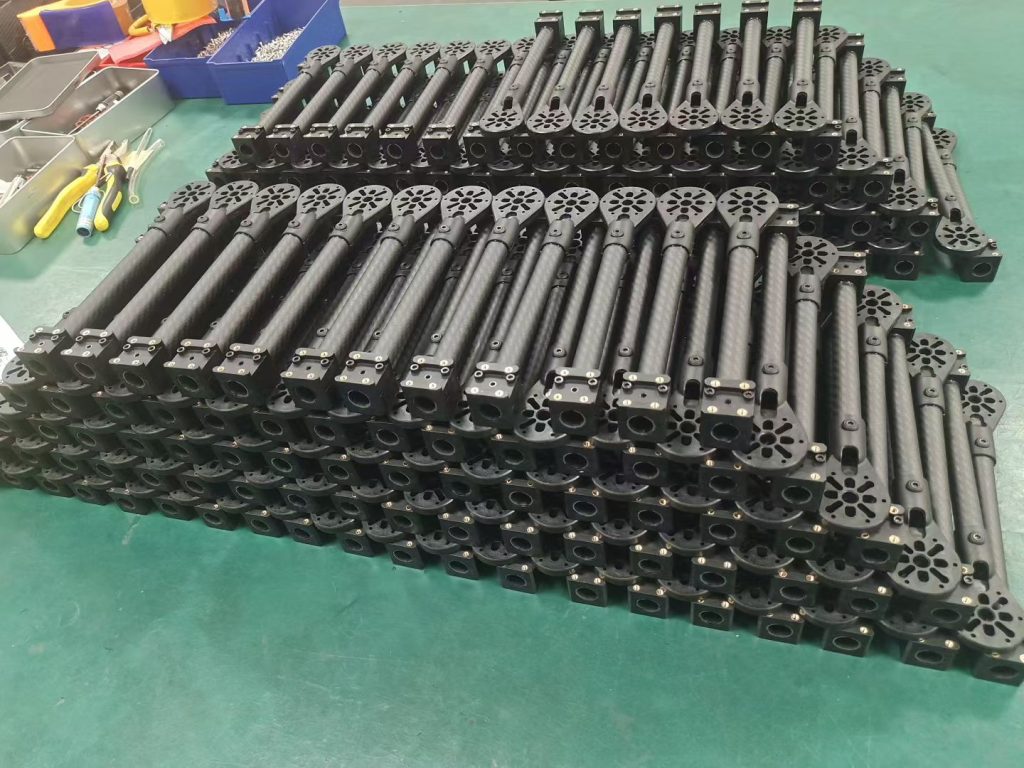
A carbon fiber UAV factory specializes in designing and producing advanced drone structures using carbon fiber composite materials. These factories combine aerospace-level engineering, precision manufacturing, and modern automation to produce drone frames that are stronger, lighter, and more efficient than traditional materials.
One of the emerging brands focusing on advanced carbon fiber UAV production is MSOEN, a company committed to developing durable and intelligent UAV platforms for professional and industrial applications.
Why Carbon Fiber Is the Best Material for UAV Manufacturing
Carbon fiber composites have transformed the UAV industry. Compared with aluminum or plastic frames, carbon fiber offers several advantages that significantly improve drone performance.
1. Extremely Lightweight Structure
Weight reduction is one of the most critical goals in UAV design. Carbon fiber has a very high strength-to-weight ratio, allowing engineers to design frames that are significantly lighter while maintaining structural rigidity.
Benefits include:
- Longer flight endurance
- Higher payload capacity
- Improved flight stability
- Reduced energy consumption
For industrial UAVs that carry cameras, sensors, or spraying systems, this weight advantage becomes essential.
2. Exceptional Structural Strength
Carbon fiber materials are known for their high tensile strength and stiffness. UAV frames made from carbon fiber can withstand harsh operating conditions such as:
- High wind resistance
- Frequent takeoff and landing cycles
- Heavy payload operations
- Outdoor industrial environments
MSOEN carbon fiber UAV structures are engineered to maintain rigidity while minimizing vibration, ensuring precise and stable flight performance.
3. Corrosion Resistance
Unlike metal materials, carbon fiber does not rust or corrode. This makes it highly suitable for drones operating in:
- Agricultural environments
- Coastal regions
- Humid climates
- Chemical exposure areas
This durability significantly extends the lifespan of UAV platforms and reduces maintenance costs.
4. Excellent Vibration Absorption
High-quality aerial photography and sensor data require minimal vibration during flight. Carbon fiber naturally dampens vibrations better than many traditional materials.
This helps improve:
- Image clarity for aerial photography
- Sensor accuracy for mapping and inspection
- Stability during autonomous flight missions
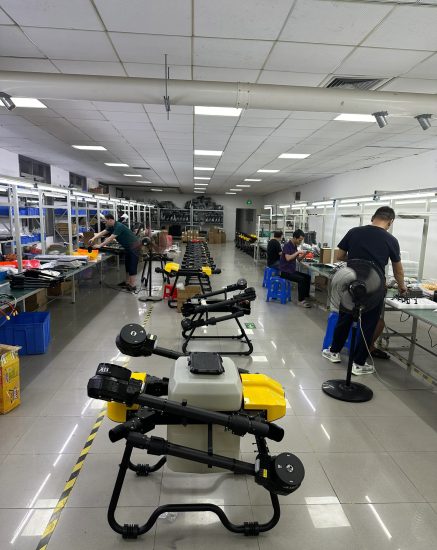
Inside a Carbon Fiber UAV Factory
A professional carbon fiber UAV factory involves several advanced manufacturing processes. These processes ensure the structural integrity and precision required for high-performance drones.
1. Carbon Fiber Material Preparation
The manufacturing process begins with carbon fiber sheets or woven fabrics combined with resin systems. Engineers carefully select fiber orientation to optimize strength and flexibility in different parts of the drone frame.
Different layers may be used for:
- Structural support
- Impact resistance
- Weight reduction
This layered composite design is a key advantage of carbon fiber technology.
2. Mold Design and Composite Layup
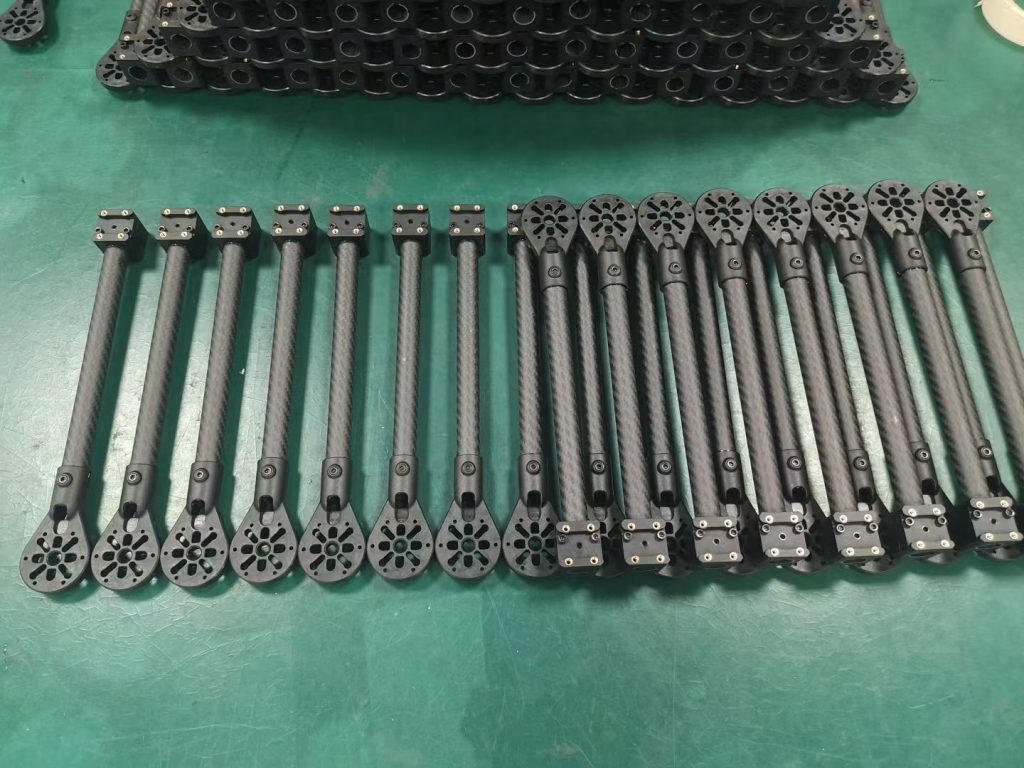
Precision molds are used to shape UAV components such as:
- Drone arms
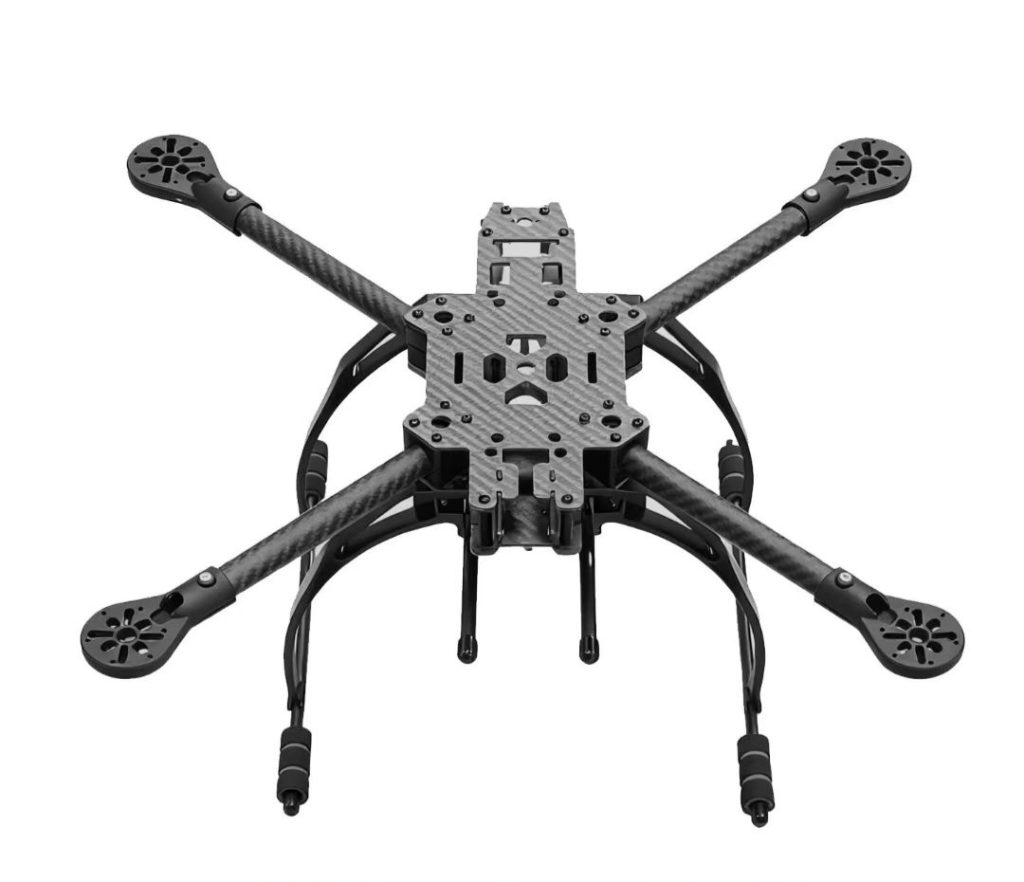
- Central fuselage structures
- Landing gear
- Protective housings
Technicians place carbon fiber layers into molds following engineered patterns. This process, called composite layup, determines the strength and durability of the final UAV structure.
3. High-Temperature Curing
After layup, components undergo high-temperature curing in ovens or autoclaves. This step allows the resin to fully bond with the carbon fiber layers, creating a rigid and durable composite structure.
The curing process ensures:
- Maximum structural strength
- Uniform material density
- Long-term durability
4. Precision CNC Processing
Once cured, carbon fiber components are trimmed and refined using CNC machining technology. This ensures exact tolerances for:
- Motor mounts
- Electronic component placements
- Sensor integration points
Precision machining is essential to guarantee reliable UAV assembly.
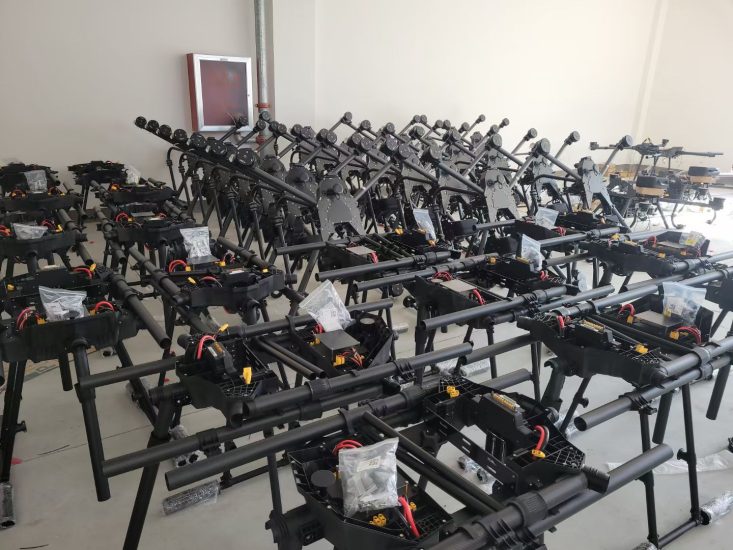
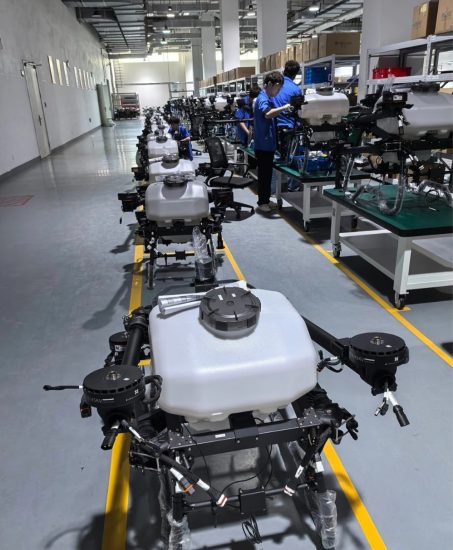
5. Assembly and Quality Testing
Final assembly integrates:
- Flight controllers
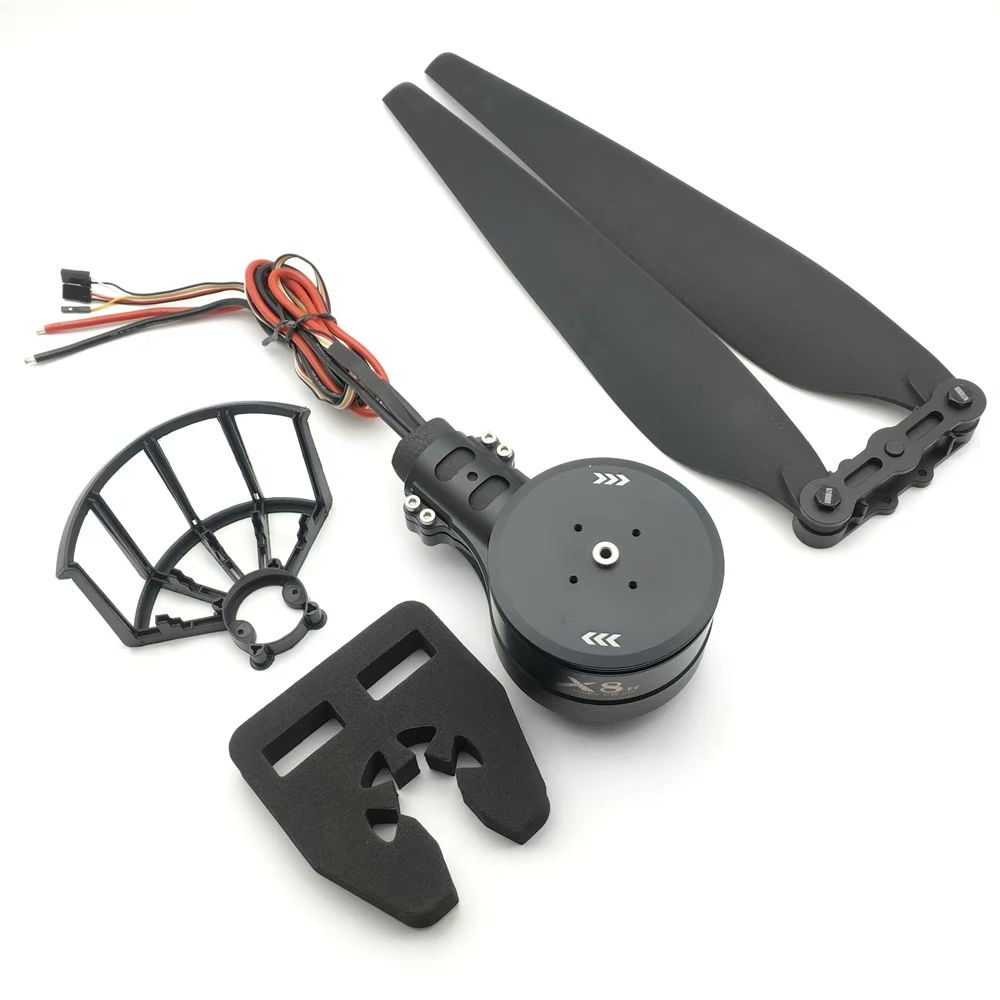
- Motors and propulsion systems
- Batteries and power modules
- Navigation sensors
Each UAV frame undergoes rigorous structural and flight testing before deployment.
MSOEN Carbon Fiber UAV Manufacturing Capabilities
MSOEN is a manufacturer focusing on high-quality UAV platforms with carbon fiber structures. The company integrates advanced materials, intelligent flight systems, and professional engineering to create reliable UAV solutions.
Key strengths of MSOEN carbon fiber UAV manufacturing include:
Advanced Carbon Fiber Engineering
MSOEN engineers design UAV structures using optimized carbon fiber layering to achieve the best balance between weight and strength.
Modular UAV Frame Design
The company adopts modular drone structures, allowing components such as arms, payload mounts, and sensors to be replaced or upgraded easily.
Industrial-Grade Production
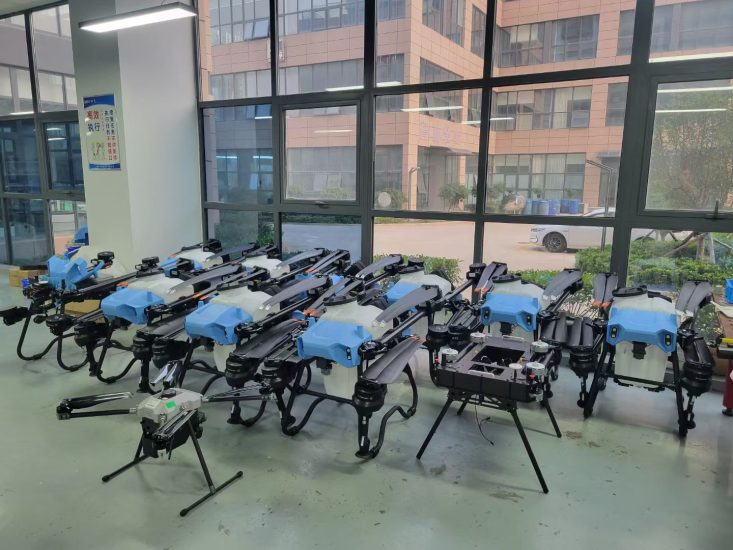
MSOEN operates modern manufacturing facilities capable of producing carbon fiber UAV structures for large-scale industrial deployment.
Strict Quality Control
Each UAV undergoes multiple inspections including:
- Structural strength testing
- Vibration analysis
- Flight stability testing
- Electronic integration checks
These processes ensure that every UAV meets professional performance standards.
Applications of Carbon Fiber UAVs
Carbon fiber UAV platforms are widely used across many industries due to their performance advantages.
Agriculture
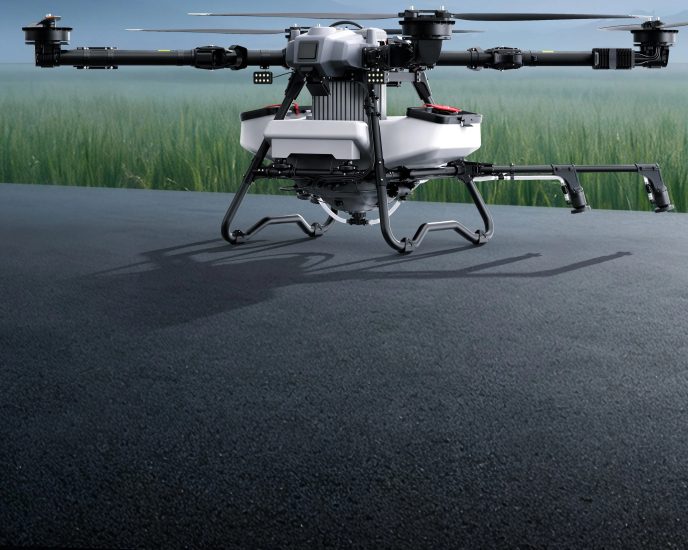
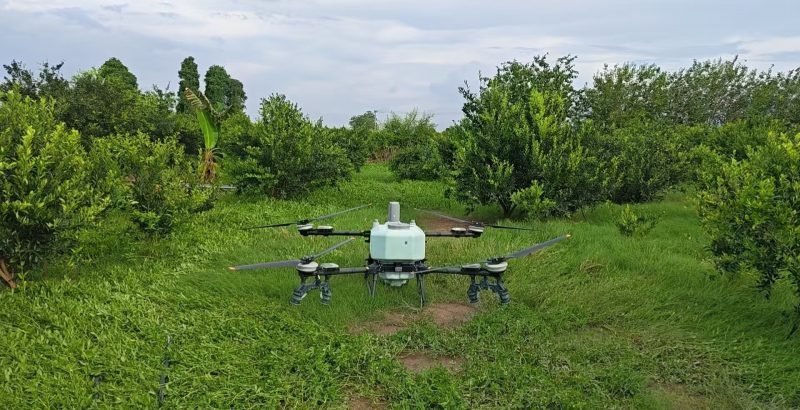
Carbon fiber drones are used for:
- Crop monitoring
- Precision spraying
- Field mapping
The lightweight frame allows longer flight times across large farmland areas.
Infrastructure Inspection
Utility companies and engineers use carbon fiber UAVs to inspect:
- Power lines
- Bridges
- Wind turbines
- Oil pipelines
These drones provide safer and more efficient inspection methods.
Mapping and Surveying
Surveying professionals rely on carbon fiber UAVs for:
- 3D terrain modeling
- Topographic mapping
- Construction site monitoring
Stable flight and vibration reduction improve data accuracy.
Scientific Research
Universities and research institutions use UAVs to study:
- Environmental change
- Wildlife monitoring
- Climate research
- Geographic analysis
Carbon fiber UAVs provide reliable data collection platforms for field research.
Why Businesses Choose MSOEN Carbon Fiber UAVs
Organizations selecting UAV platforms typically evaluate several key factors: durability, performance, customization, and long-term reliability.
MSOEN provides advantages in all of these areas.
Lightweight Yet Durable Design
Carbon fiber construction ensures strong structures with minimal weight.
Long Flight Endurance
Optimized frame design reduces power consumption and increases mission duration.
Customizable Platforms
Different sensors, payloads, and mission equipment can be integrated depending on project needs.
Reliable Manufacturing
Modern factories and strict quality processes ensure consistent product performance.
Future Trends in Carbon Fiber UAV Manufacturing
The UAV industry continues to evolve rapidly. Several trends are shaping the future of carbon fiber drone factories.
Intelligent Autonomous Systems
Future UAVs will combine carbon fiber structures with advanced AI flight systems for fully autonomous missions.
Larger Industrial UAV Platforms
Heavy-lift drones using carbon fiber frames will support logistics, cargo delivery, and large-scale inspection operations.
Improved Composite Materials
New carbon fiber composite technologies will further reduce weight while improving durability.
Integration With Smart Sensors
Carbon fiber UAVs will increasingly integrate LiDAR, hyperspectral cameras, and advanced data analytics systems.
MSOEN continues investing in research and manufacturing innovation to remain at the forefront of these developments.
Conclusion
Carbon fiber has become the foundation of modern UAV manufacturing, enabling drones that are lighter, stronger, and more efficient than ever before. As industries increasingly rely on drones for data collection, inspection, agriculture, and research, demand for high-quality carbon fiber UAV platforms continues to grow.
A professional carbon fiber UAV factory plays a critical role in delivering these advanced aerial systems. By combining composite engineering, precision manufacturing, and intelligent flight technology, companies like MSOEN are shaping the future of the global drone industry.
Organizations looking to adopt carbon fiber UAV technology can explore the capabilities of MSOEN to discover reliable drone platforms designed for demanding professional applications.


No comments yet