

![Image [1]-Best FPV Drone Kit for DIY Drone Builders-msoen](https://www.msoen.com/wp-content/uploads/2026/03/20260312061426483-1000021264-1024x1024.jpg)

![Image [3]-Best FPV Drone Kit for DIY Drone Builders-msoen](https://www.msoen.com/wp-content/uploads/2026/03/20260312061409589-1000021268-768x1024.jpg)
![Image [4]-Best FPV Drone Kit for DIY Drone Builders-msoen](https://www.msoen.com/wp-content/uploads/2026/03/20260312061517543-1000021254-1024x576.jpg)
![Image [5]-Best FPV Drone Kit for DIY Drone Builders-msoen](https://www.msoen.com/wp-content/uploads/2026/03/20260312061425571-1000021262-1024x1024.jpg)
![Image [6]-Best FPV Drone Kit for DIY Drone Builders-msoen](https://www.msoen.com/wp-content/uploads/2026/03/20260312061424992-1000021265-1024x768.jpg)
📦 Quick Introduction
Building your own FPV drone has become one of the most exciting and rewarding experiences for drone enthusiasts. Unlike ready-to-fly drones, FPV drone kits allow builders to assemble their own aircraft from individual components. This process provides a deeper understanding of drone technology while offering complete control over performance, customization, and upgrades.
In recent years, DIY FPV drones have become extremely popular among hobbyists, engineers, and professional pilots. With the right FPV drone kit, builders can create a drone that matches their flying style, whether it is for racing, cinematic filming, freestyle flying, or long-range exploration.
This guide explains what an FPV drone kit includes, how to choose the best kit for DIY builders, and the key factors that influence drone performance.
What Is an FPV Drone Kit?
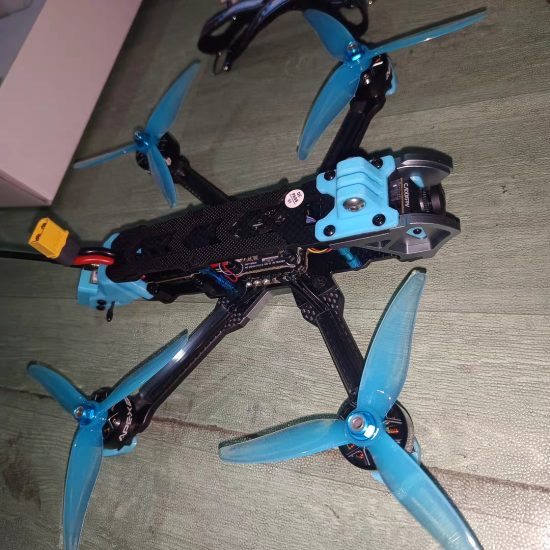
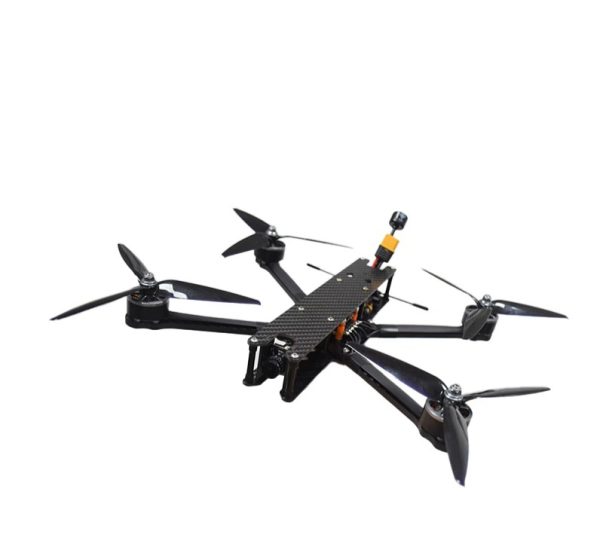
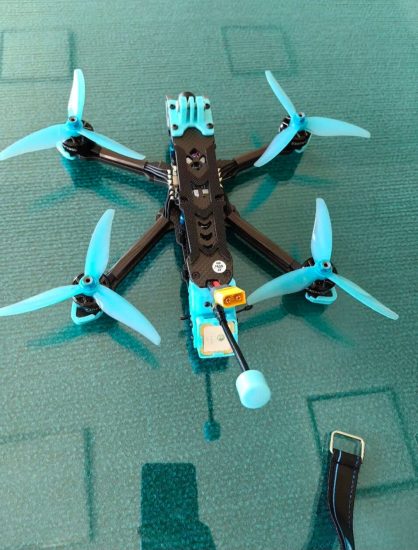
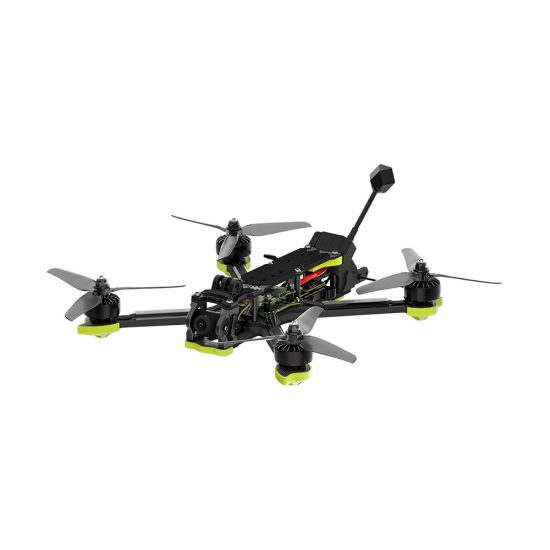
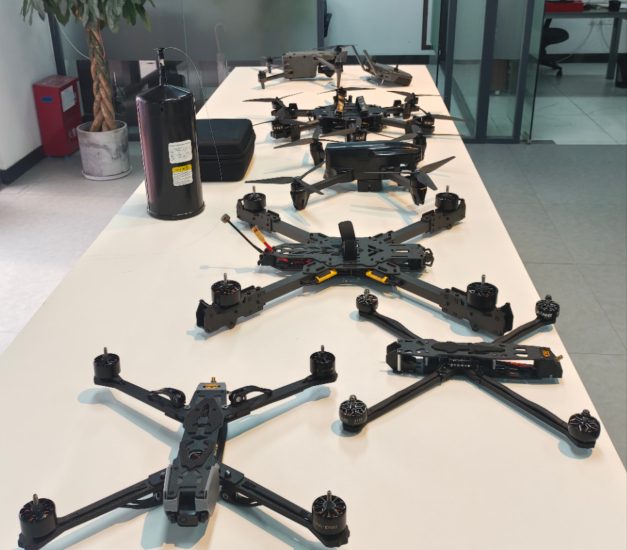
An FPV drone kit is a package of components that allows users to assemble a complete drone themselves. Instead of purchasing a fully assembled aircraft, builders receive individual parts that must be installed and configured.
A typical FPV drone kit usually includes:
- Drone frame
- Brushless motors
- Electronic speed controllers
- Flight controller
- Propellers
- FPV camera
- Video transmitter
- Power distribution components
Some kits also include wiring accessories, mounting hardware, and configuration guides.
By assembling these parts, builders gain hands-on experience with drone technology and can customize their drone according to specific performance goals.
Why DIY FPV Drone Kits Are So Popular
DIY drone building has grown rapidly in popularity over the past few years. Several reasons explain why many pilots prefer building their own drones.
Full Customization
One of the biggest advantages of building your own drone is customization. Builders can select components that match their desired flight performance, speed, camera quality, and endurance.
This flexibility allows each drone to be unique.
Better Understanding of Drone Technology
Assembling a drone teaches builders how each component works and how the system operates as a whole.
This knowledge helps pilots troubleshoot problems, repair damaged parts, and upgrade components more easily.
Easier Maintenance
When pilots build their own drones, they know exactly how each part is installed. This makes repairs and maintenance much simpler after crashes or wear.
Performance Optimization
DIY builders can optimize their drone for specific applications such as racing, cinematic filming, or long-range flight.
Key Components in an FPV Drone Kit
Understanding the main components of a drone kit helps builders choose the right configuration.
Drone Frame
The frame is the structural base of the drone. It holds all components together and protects the electronics during flight.
Most FPV drone frames are made from carbon fiber because it is strong, lightweight, and durable.
Frame size also determines the size of propellers and overall drone stability.
Brushless Motors
Motors generate the thrust that lifts the drone into the air. High-quality brushless motors provide strong power while maintaining efficiency.
Motor selection influences speed, acceleration, and flight stability.
Electronic Speed Controllers (ESC)
ESCs regulate the power delivered from the battery to the motors. They allow the flight controller to adjust motor speed during flight.
Fast and responsive ESC systems improve drone handling and control.
Flight Controller
The flight controller is the brain of the drone. It processes sensor data and stabilizes the aircraft during flight.
Modern flight controllers include advanced sensors such as gyroscopes and accelerometers that help maintain balance.
Propellers
Propellers convert motor power into lift and movement. Different propeller sizes and blade shapes influence flight speed, agility, and efficiency.
Builders often experiment with different propellers to find the best performance balance.
FPV Camera and Video Transmitter
The FPV camera captures live video and sends it to the pilot through a video transmitter.
Low-latency video transmission is essential for accurate control and immersive flying.
Types of FPV Drone Kits
FPV drone kits are available in several configurations designed for different skill levels and applications.
Beginner FPV Drone Kits
Beginner kits include simplified components that are easier to assemble and configure.
These kits usually prioritize stability and durability rather than extreme speed.
Racing Drone Kits
Racing drone kits are designed for high speed and agility. They use lightweight frames, powerful motors, and responsive electronics.
These kits are ideal for pilots interested in competitive drone racing.
Cinematic FPV Drone Kits
Cinematic drone kits are designed for capturing smooth aerial footage. They often include camera mounting systems and stabilization features.
These drones are widely used in filmmaking and video production.
Long Range Drone Kits
Long range kits focus on flight endurance and signal transmission distance.
They include efficient power systems and aerodynamic frames that allow the drone to travel far from the pilot.
Important Factors When Choosing an FPV Drone Kit
Selecting the right kit requires careful consideration of several key factors.
Build Quality
High-quality materials ensure that the drone frame and components can withstand crashes and heavy use.
Durable components reduce maintenance costs and improve long-term reliability.
Ease of Assembly
Some kits are designed for beginners and include clear instructions and pre-configured components.
More advanced kits may require soldering, wiring, and software configuration.
Compatibility of Components
All components in the kit must be compatible with each other. This includes motor power ratings, ESC specifications, battery voltage, and flight controller firmware.
Proper compatibility ensures stable and safe operation.
Upgrade Potential
Many builders prefer kits that allow future upgrades.
Being able to replace motors, cameras, or flight controllers allows the drone to evolve with the pilot’s skills.
Steps to Build an FPV Drone from a Kit
Building an FPV drone typically follows a step-by-step process.
Step 1: Assemble the Frame
The frame is assembled first to create the structure that holds all components.
Step 2: Install the Motors
Motors are mounted on the arms of the frame and connected to the electronic speed controllers.
Step 3: Install the Flight Controller
The flight controller is placed near the center of the drone to maintain balanced weight distribution.
Step 4: Connect Power and Wiring
Builders connect the battery input, ESCs, and flight controller using proper wiring.
Step 5: Install the FPV Camera System
The camera and video transmitter are installed to enable real-time video transmission.
Step 6: Configure Software
The flight controller must be configured through software to ensure proper motor direction and control settings.
Benefits of Building Your Own FPV Drone
DIY drone building offers several advantages for pilots.
Personalized Drone Performance
Builders can create a drone that matches their exact performance needs.
Learning Valuable Technical Skills
Building drones develops knowledge in electronics, aerodynamics, and robotics.
Easier Repairs
DIY builders understand their drone systems better, making repairs faster and more affordable.
Greater Flying Satisfaction
Flying a drone that you built yourself provides a strong sense of accomplishment.
Tips for Successful FPV Drone Building
Building a drone requires patience and careful attention to detail.
Follow Assembly Instructions
Carefully follow instructions to avoid wiring mistakes or component damage.
Use Proper Tools
Quality tools help ensure clean soldering and secure installation.
Test Components Gradually
Test each component during assembly to ensure everything functions correctly.
Start with Beginner Kits
New builders should start with simple kits before attempting advanced builds.
The Future of DIY FPV Drone Kits
The DIY drone community continues growing rapidly. Future FPV drone kits will likely include several improvements.
Modular Designs
Modular components will allow easier assembly and upgrades.
Smarter Flight Controllers
Advanced controllers may include built-in safety features and automated configuration tools.
Improved Battery Technology
Better batteries will extend flight time while maintaining lightweight designs.
Expanded Educational Use
Drone building is becoming popular in engineering education and robotics programs.
Conclusion
FPV drone kits provide an exciting opportunity for builders to create their own high-performance drones. By assembling individual components, pilots gain a deeper understanding of drone technology while enjoying full customization of performance and design.
Choosing the best FPV drone kit requires careful evaluation of frame quality, motor power, compatibility, and upgrade potential. With the right components and proper assembly, DIY builders can create powerful drones for racing, cinematic filming, freestyle flying, and long-range exploration.
As drone technology continues to advance, DIY FPV drone kits will remain an important part of the global drone community, helping enthusiasts develop technical skills and push the boundaries of aerial innovation.
FAQ
What is an FPV drone kit?
An FPV drone kit is a set of components that allows users to assemble a drone themselves rather than purchasing a fully assembled aircraft.
Are FPV drone kits suitable for beginners?
Yes. Many beginner kits are designed with simplified components and instructions that make the building process easier.
Do FPV drone kits include cameras?
Most FPV drone kits include a camera and video transmitter for real-time first-person video transmission.
Is building a drone difficult?
Building a drone requires patience and basic technical skills, but many builders learn quickly with practice and proper instructions.
Can FPV drone kits be upgraded?
Yes. Most DIY drones allow upgrades such as stronger motors, better cameras, and improved flight controllers.



No comments yet