




A Complete Guide to Building Your Own First-Person View Drone
📦 Quick Introduction
Building your own FPV drone is one of the most rewarding experiences for drone enthusiasts and technology hobbyists. Unlike buying a ready-to-fly drone, a DIY FPV drone kit allows builders to understand every component of the aircraft and customize performance according to their needs.
FPV (First-Person View) drones provide a unique flying experience because the pilot sees real-time video directly from the drone’s onboard camera. This immersive perspective allows precise control and dynamic flight maneuvers that are difficult to achieve with traditional drones.
A well-designed FPV drone kit gives DIY builders the opportunity to assemble a high-performance drone for racing, freestyle flying, exploration, or cinematic aerial filming. In this guide, we will explore what FPV drone kits include, why DIY builds are popular, and how builders can choose the best kit for their projects.
What Is an FPV Drone Kit?
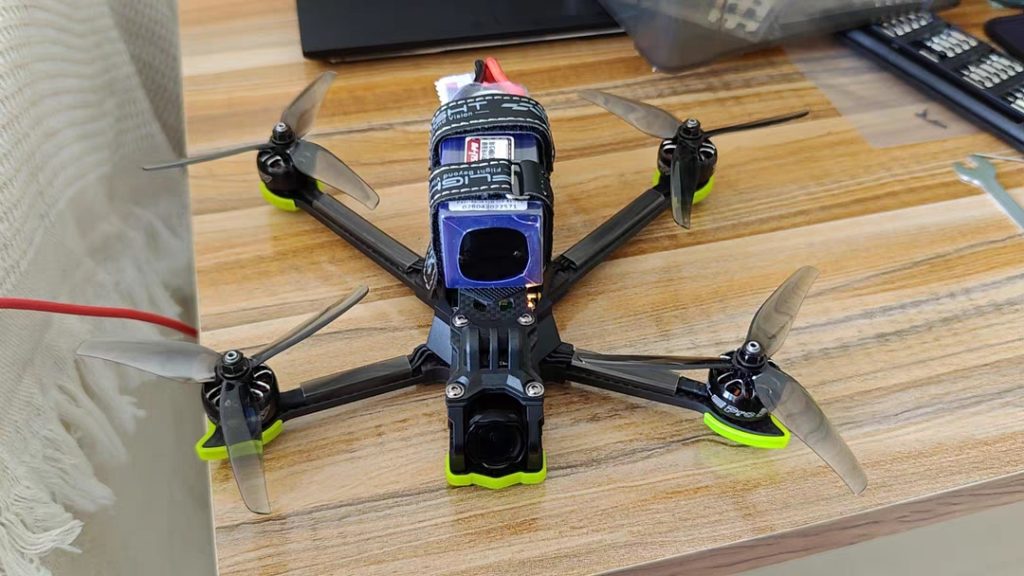
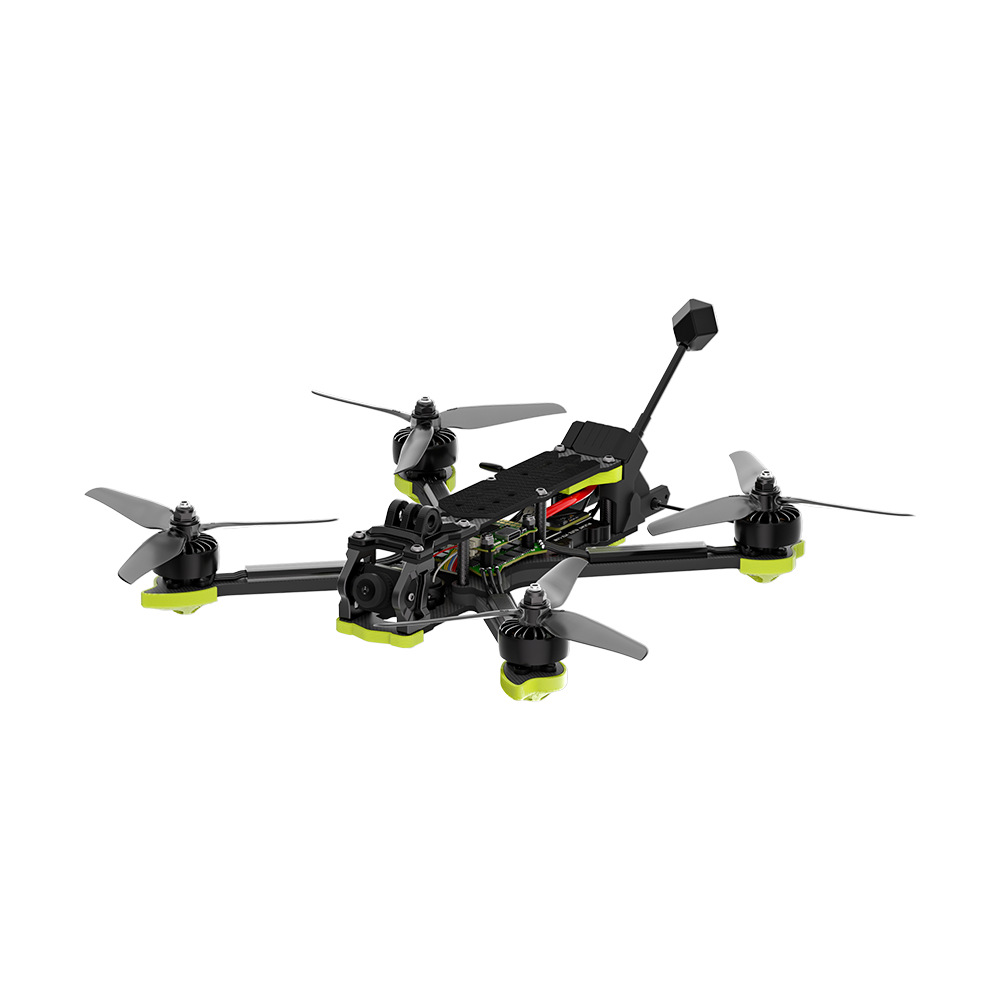
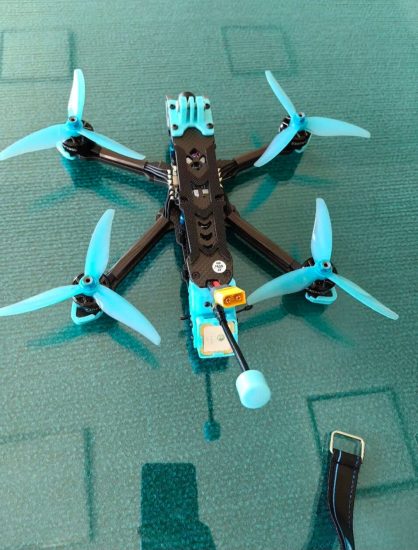
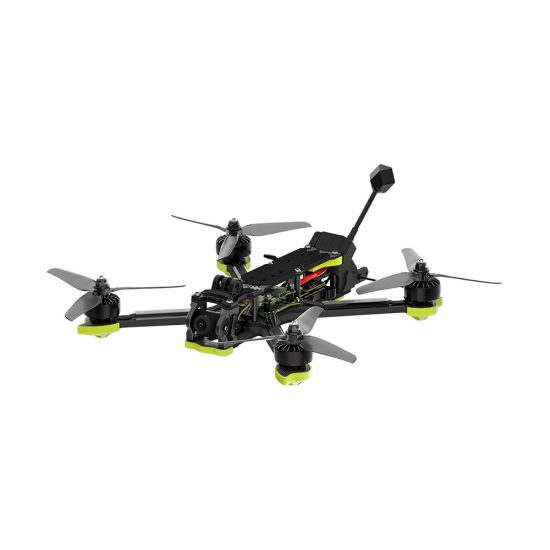
An FPV drone kit is a collection of components that allows users to assemble their own FPV drone. These kits typically include the core hardware required to build a quadcopter capable of real-time video flight.
Instead of purchasing a preassembled drone, builders install and connect each component manually.
Typical FPV drone kit components include:
- Carbon fiber drone frame
- Brushless motors
- Electronic speed controllers (ESC)
- Flight controller
- Propellers
- FPV camera
- Video transmitter (VTX)
- Antennas
- Battery connectors
Some kits may also include a power distribution board and wiring accessories.
DIY builders can assemble these parts into a fully functional FPV aircraft capable of high-speed flight and immersive video transmission.
Why DIY Builders Prefer FPV Drone Kits
Many drone enthusiasts choose DIY kits rather than ready-made drones. Building a drone from scratch offers several advantages.
Full Customization
DIY builders can choose components based on their preferred flying style. For example, a racing drone requires different motors and propellers compared to a long-range exploration drone.
Customization allows pilots to optimize performance for specific applications.
Better Technical Understanding
Building an FPV drone teaches users how each component works. Builders learn about:
- Flight control systems
- Motor power and efficiency
- Battery performance
- Video transmission technology
This knowledge helps pilots troubleshoot issues and maintain their drones more effectively.
Easier Repairs
When a DIY-built drone crashes or experiences technical problems, the builder already understands the internal structure.
This makes repairs faster and more affordable.
Upgrade Flexibility
DIY drones are highly modular. Builders can easily upgrade components such as:
- Motors
- Cameras
- flight controllers
- antennas
This flexibility allows the drone to evolve over time as new technologies become available.
Core Components of an FPV Drone Kit
Understanding the key components of an FPV drone kit is essential for DIY builders.
Carbon Fiber Frame
The frame acts as the skeleton of the drone. Most FPV drones use carbon fiber frames because they are lightweight and extremely strong.
A strong frame protects electronics while maintaining high maneuverability.
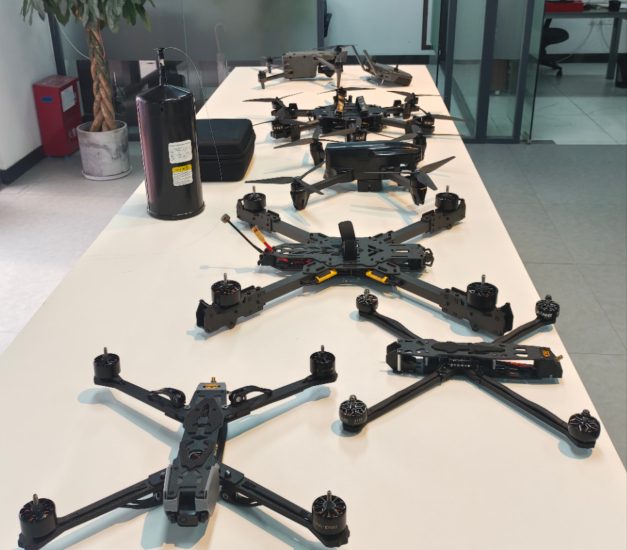
Frame sizes commonly include:
- 3 inch frames for compact drones
- 5 inch frames for versatile performance
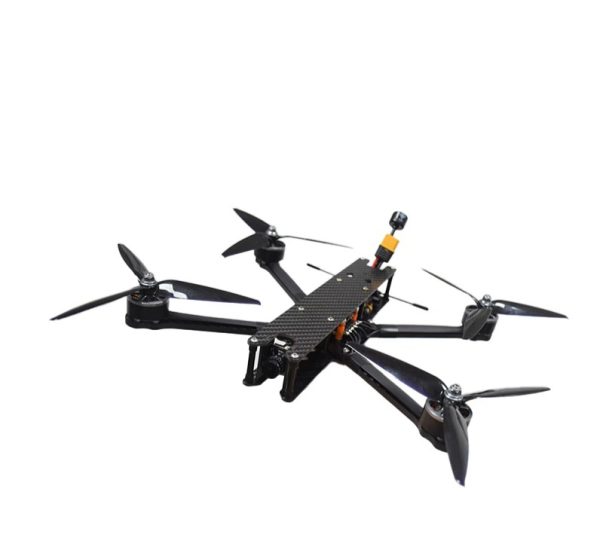
- 7 inch frames for long-range flight
The 5 inch frame size is the most popular for general FPV flying.
Brushless Motors
Brushless motors provide the power that drives the propellers.
These motors are preferred because they offer:
- High efficiency
- strong thrust
- long operational lifespan
Motor selection depends on drone size, propeller type, and intended flight style.
Powerful motors enable rapid acceleration and sharp maneuverability.
Electronic Speed Controllers
Electronic speed controllers regulate the power delivered from the battery to the motors.
ESC units respond to commands from the flight controller and adjust motor speed accordingly.
Fast and reliable ESC systems improve responsiveness and allow precise flight control.
Flight Controller
The flight controller is the central processing unit of the drone. It interprets pilot commands and stabilizes the aircraft during flight.
Modern flight controllers include sensors such as:
- Gyroscopes
- Accelerometers
- Barometers
These sensors allow the drone to maintain balance and orientation.
Advanced flight controllers also support tuning options for customized flight performance.
FPV Camera
The FPV camera captures live video from the drone’s perspective.
Low-latency cameras are essential because they allow pilots to react quickly while flying.
Camera quality directly affects the pilot’s ability to navigate obstacles and perform precise maneuvers.
Video Transmitter
The video transmitter sends the camera’s signal to the pilot’s FPV goggles or monitor.
Stable transmission ensures that the pilot receives clear video during flight.
Reliable signal transmission is particularly important when flying at high speeds or longer distances.
Propellers
Propellers convert motor power into thrust.
Different propeller sizes and blade designs affect:
- acceleration
- top speed
- efficiency
Many FPV pilots experiment with propeller types to find the best balance between speed and control.
Popular Applications for DIY FPV Drones
DIY FPV drones can be used in many different environments and activities.
FPV Racing
Drone racing is one of the most exciting uses of FPV technology.
Pilots navigate drones through complex obstacle courses at high speeds.
Custom-built drones allow racers to optimize performance for competitive conditions.
Freestyle Flying
Freestyle flying focuses on creativity and aerial tricks.
Pilots perform flips, dives, and complex maneuvers while capturing dramatic footage.
DIY drones provide the agility and power required for these dynamic movements.
Long Range Exploration
Some builders design drones specifically for long-distance exploration.
These drones use larger frames and efficient power systems to travel greater distances.
Pilots can explore landscapes and remote areas from a unique aerial perspective.
Cinematic Filmmaking
FPV drones are increasingly used in film production.
Their ability to fly through narrow spaces and follow moving subjects creates unique cinematic shots.
DIY builds allow filmmakers to customize drones for specific filming requirements.
Tips for Building Your First FPV Drone
Building a drone for the first time can seem challenging, but following a few basic guidelines can simplify the process.
Choose Compatible Components
Ensure that all electronic components work together properly.
Matching motors, ESC units, and flight controllers is essential for stable performance.
Organize Wiring Carefully
Clean and organized wiring improves reliability and reduces the risk of electrical issues.
Use Quality Tools
Precision tools such as soldering irons and hex drivers make assembly easier.
Good tools also reduce the risk of damaging components.
Test Components Before Flight
Always test the drone’s electronics before installing propellers.
This prevents accidents and ensures the system functions correctly.
Advantages of DIY FPV Drone Kits
DIY drone kits offer several important benefits compared to ready-made drones.
Complete Customization
Builders can choose every component to match their flying style.
Educational Experience
Building a drone teaches valuable skills in electronics, engineering, and aerodynamics.
Lower Long-Term Costs
Replacing individual components is cheaper than replacing an entire drone.
Strong Community Support
The FPV community shares tutorials, build guides, and troubleshooting advice online.
The Future of DIY FPV Drone Building
DIY drone building continues to evolve as new technologies emerge.
Future improvements may include:
- more efficient motors
- lighter frame materials
- advanced flight stabilization systems
- improved video transmission quality
- smarter onboard processing
These innovations will allow DIY builders to create drones with even greater performance and reliability.
Conclusion
FPV drone kits provide an exciting opportunity for builders to create their own high-performance aircraft. By assembling each component manually, builders gain a deeper understanding of drone technology while customizing the drone to suit their preferred flying style.
Whether used for racing, freestyle flying, cinematic filming, or exploration, DIY FPV drones offer flexibility, performance, and a rewarding building experience.
For hobbyists and technology enthusiasts, building an FPV drone from a kit is not only a technical project but also a gateway into one of the most exciting areas of modern aerial technology.
FAQ
What is an FPV drone kit?
An FPV drone kit is a collection of components that allows users to assemble their own drone capable of first-person view flight.
Is building an FPV drone difficult?
Building a drone requires basic technical skills, but many beginners successfully build their first drone by following guides and tutorials.
What tools are needed to build a drone?
Common tools include a soldering iron, screwdrivers, hex drivers, and electrical testing tools.
How long does it take to build an FPV drone?
A typical build may take several hours depending on experience and component complexity.
Can DIY FPV drones be upgraded?
Yes. DIY drones are modular, allowing builders to upgrade motors, cameras, and electronics over time.



No comments yet