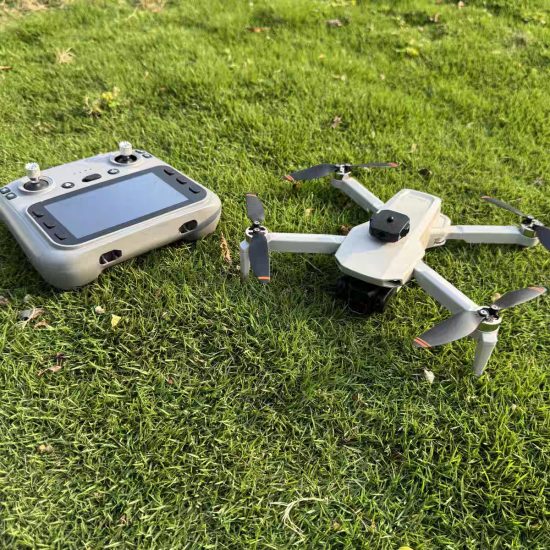


![Image [1]-Best Camera Drone for Photography and Cinematic Filmmaking-msoen](https://www.msoen.com/wp-content/uploads/2026/01/07f826db4b194838-1024x1024.jpg)
![Image [2]-Best Camera Drone for Photography and Cinematic Filmmaking-msoen](https://www.msoen.com/wp-content/uploads/2026/01/5ced0788d4195152-768x1024.jpg)
![Image [3]-Best Camera Drone for Photography and Cinematic Filmmaking-msoen](https://www.msoen.com/wp-content/uploads/2026/01/e46bda83bc195152-1024x768.jpg)
![Image [4]-Best Camera Drone for Photography and Cinematic Filmmaking-msoen](https://www.msoen.com/wp-content/uploads/2026/01/529a7ff665195152-768x1024.jpg)
![Image [5]-Best Camera Drone for Photography and Cinematic Filmmaking-msoen](https://www.msoen.com/wp-content/uploads/2026/01/b100e1b304194838-1024x1024.jpg)
![Image [6]-Best Camera Drone for Photography and Cinematic Filmmaking-msoen](https://www.msoen.com/wp-content/uploads/2026/01/3c01e792fe194838-768x1024.jpg)
Finding the right camera drone today is not just about flying—it is about capturing moments with clarity, stability, and emotion. Whether you are filming landscapes, creating cinematic travel content, or building professional visual projects, a well-designed drone can completely transform how your stories are told from the sky.
1. The Evolution of Camera Drones
Over the past decade, camera drones have transformed from niche gadgets into essential creative tools. What once required helicopters, heavy rigs, and large crews can now be achieved by a single operator with a compact, foldable aircraft that fits into a backpack.
Modern drones integrate advanced stabilization systems, intelligent flight modes, long-range transmission, and high-resolution imaging. These features allow users to capture smooth footage, precise framing, and breathtaking aerial perspectives that were once impossible for individual creators.
Unlike early models that focused purely on flight, today’s drones are built around the camera. Sensors, lenses, image processors, and gimbal systems are engineered together, ensuring that every movement translates into fluid, cinematic motion.
This shift has made drones essential for:
- Travel filmmakers
- Real estate professionals
- Wedding videographers
- Social media creators
- Outdoor adventurers
- Documentary makers
2. What Makes a Great Camera Drone?
Not all drones are created equal. A true camera-focused drone must balance performance, reliability, and imaging quality. Here are the core elements that define a professional-grade aerial camera system.
2.1 Camera Resolution and Sensor Quality
Resolution is more than just numbers. While 4K is now considered standard, higher resolutions provide additional flexibility for cropping, stabilization, and post-production adjustments.
However, resolution alone is not enough. Sensor size, dynamic range, and low-light performance are equally important. A larger sensor captures more light, delivers better color depth, and reduces noise, especially during sunrise, sunset, or night scenes.
2.2 Gimbal Stabilization
A gimbal is the heart of cinematic footage. A 3-axis gimbal compensates for:
- Wind gusts
- Sudden movement
- Sharp turns
- Altitude changes
This ensures footage remains smooth, level, and professional-looking, even in challenging conditions.
2.3 Flight Stability and Control
Stable flight leads to stable footage. High-quality drones rely on advanced GPS modules, optical positioning sensors, and obstacle detection systems to maintain precise positioning.
This stability allows for:
- Slow cinematic pans
- Locked-off aerial shots
- Smooth tracking sequences
- Precise waypoint navigation
3. Why Foldable Drones Dominate the Market
Portability has become a key factor in drone design. Foldable drones offer a powerful combination of convenience and performance.
3.1 Easy Transportation
Creators often travel. A compact drone can be carried:
- In a backpack
- Inside a camera bag
- In carry-on luggage
This portability encourages spontaneous creativity—allowing users to capture moments wherever inspiration strikes.
3.2 Quick Deployment
Foldable designs reduce setup time. Many modern drones can be launched in under a minute, making them ideal for fast-changing light conditions such as golden hour or unexpected weather breaks.
3.3 Durability and Protection
Folded arms protect motors, propellers, and sensors during transport. This reduces the risk of damage and extends the lifespan of the aircraft.
4. Intelligent Flight Modes That Change Everything
One of the biggest advancements in modern drones is intelligent flight software. These systems allow users to focus on storytelling rather than piloting.
4.1 Follow Mode
This feature tracks a moving subject automatically. It is ideal for:
- Hiking
- Cycling
- Surfing
- Running
- Outdoor sports
The drone maintains distance, framing, and altitude, producing dynamic footage without manual control.
4.2 Orbit Mode
Orbit mode allows the drone to circle a subject while keeping it centered. This is commonly used in:
- Real estate videos
- Landscape filming
- Cinematic intros
- Promotional content
4.3 Waypoint Navigation
Waypoint systems allow creators to predefine a flight path. The drone repeats the same route precisely, making it ideal for:
- Timelapse sequences
- Seasonal comparisons
- Long-term projects
5. Real-World Use Cases for Camera Drones
5.1 Travel and Adventure Filmmaking
From mountain peaks to ocean cliffs, drones reveal perspectives that ground cameras cannot. Aerial shots add scale, drama, and emotion to travel stories.
Creators can showcase:
- Remote landscapes
- Hidden beaches
- Vast forests
- Desert panoramas
5.2 Real Estate and Architecture
Aerial footage helps viewers understand property layout, surrounding areas, and overall atmosphere. This is particularly useful for:
- Luxury homes
- Resorts
- Commercial properties
- Large estates
5.3 Weddings and Events
Drones add cinematic depth to emotional moments. Overhead shots of venues, group formations, and scenic environments elevate the visual narrative.
5.4 Social Media and Content Creation
Short-form video platforms reward visually striking content. Aerial footage stands out instantly, increasing engagement and watch time.
6. Battery Life and Long-Range Performance
6.1 Why Flight Time Matters
Longer flight time allows creators to:
- Experiment with multiple angles
- Wait for perfect lighting
- Capture extended sequences
- Reduce the number of landings
Modern drones typically offer between 25 to 40 minutes per battery.
6.2 Transmission Distance
Long-range transmission systems ensure stable video feeds over several kilometers. This is essential for:
- Mountain filming
- Ocean shots
- Large landscapes
- Survey-style filming
A strong signal ensures safety and precise framing even at great distances.
7. Safety and Obstacle Avoidance
Professional drones integrate multiple vision sensors and infrared systems. These detect obstacles in real time, allowing the drone to:
- Stop automatically
- Reroute safely
- Maintain stable altitude
- Prevent collisions
This technology reduces crash risks and builds confidence for new pilots.
8. Weather Resistance and Build Quality
While no drone is fully weatherproof, higher-end models offer improved resistance to wind and light moisture. Reinforced frames, sealed motors, and precision-engineered propellers increase durability.
This allows creators to work in:
- Coastal winds
- Mountain conditions
- Open plains
- Urban environments


No comments yet