


![Image [1]-Beginner Guide to Flying a Drone Safely – A Complete Starter Guide by MSOEN-msoen](https://www.msoen.com/wp-content/uploads/2026/03/20260306074023827-1000020858-1024x882.jpg)
![Image [2]-Beginner Guide to Flying a Drone Safely – A Complete Starter Guide by MSOEN-msoen](https://www.msoen.com/wp-content/uploads/2026/03/20260306074131355-1000020857.jpg)
![Image [3]-Beginner Guide to Flying a Drone Safely – A Complete Starter Guide by MSOEN-msoen](https://www.msoen.com/wp-content/uploads/2026/03/20260306074141868-1000020855-1024x1024.jpg)
![Image [4]-Beginner Guide to Flying a Drone Safely – A Complete Starter Guide by MSOEN-msoen](https://www.msoen.com/wp-content/uploads/2026/03/20260306074023820-1000020862.jpg)
![Image [5]-Beginner Guide to Flying a Drone Safely – A Complete Starter Guide by MSOEN-msoen](https://www.msoen.com/wp-content/uploads/2026/03/20260306074132260-1000020860-1024x768.jpg)
![Image [6]-Beginner Guide to Flying a Drone Safely – A Complete Starter Guide by MSOEN-msoen](https://www.msoen.com/wp-content/uploads/2026/03/f909e73179010958-1024x768.jpg)
![Image [7]-Beginner Guide to Flying a Drone Safely – A Complete Starter Guide by MSOEN-msoen](https://www.msoen.com/wp-content/uploads/2026/03/20260306074023184-1000020861-1024x768.jpg)
![Image [8]-Beginner Guide to Flying a Drone Safely – A Complete Starter Guide by MSOEN-msoen](https://www.msoen.com/wp-content/uploads/2026/03/2f0e2850cf010957.jpg)
📦 Quick Introduction
Flying a drone for the first time can be exciting, but it also requires responsibility and proper knowledge. Many beginners are eager to launch their drone immediately, yet safe operation requires understanding flight controls, environment awareness, and basic drone technology.
In this beginner-friendly guide created by MSOEN, we explain how new pilots can safely learn to fly a drone, avoid common mistakes, and develop the skills needed for stable and controlled flight.
Introduction to Drone Flight
Drone flying has become a popular activity for hobbyists, photographers, farmers, and technology enthusiasts. Modern drones are equipped with intelligent flight systems that make them easier to control than ever before.
Despite these advancements, learning to fly safely is still very important. A drone is essentially a small aircraft, and careless operation can lead to crashes or equipment damage.
For beginners, the key to successful drone flight is understanding three basic elements:
- Drone flight controls
- Environmental awareness
- Proper preparation before takeoff
Companies like MSOEN, which develop professional drone platforms, emphasize safe flight practices for both beginners and experienced pilots.
Understanding Basic Drone Controls
Before flying a drone, beginners must understand the basic control system.
Most drones are operated using a remote controller with two joysticks.
Each joystick controls different flight movements.
Throttle (Altitude Control)
The throttle controls how high the drone flies.
Pushing the throttle upward increases motor speed and makes the drone rise. Pulling it downward reduces power and lowers the drone.
Learning smooth throttle control is essential for stable takeoff and landing.
Yaw (Rotation)
Yaw allows the drone to rotate left or right while staying in the same position.
This control changes the direction the drone is facing without moving it forward or backward.
Yaw control is often used when positioning a drone for photography or inspection tasks.
Pitch (Forward and Backward Movement)
Pitch moves the drone forward or backward.
When the drone tilts forward, it moves ahead. When it tilts backward, it moves in the opposite direction.
Beginners should practice gentle pitch movements to maintain stability.
Roll (Side Movement)
Roll moves the drone left or right.
This allows the drone to shift sideways while maintaining altitude.
Combining roll and pitch movements allows the drone to travel smoothly through the air.
Choosing the Right Location for Your First Flight
The environment where you fly your drone has a significant impact on safety.
Beginners should always start flying in a large open area.
Ideal training locations include:
- Open parks
- Large empty fields
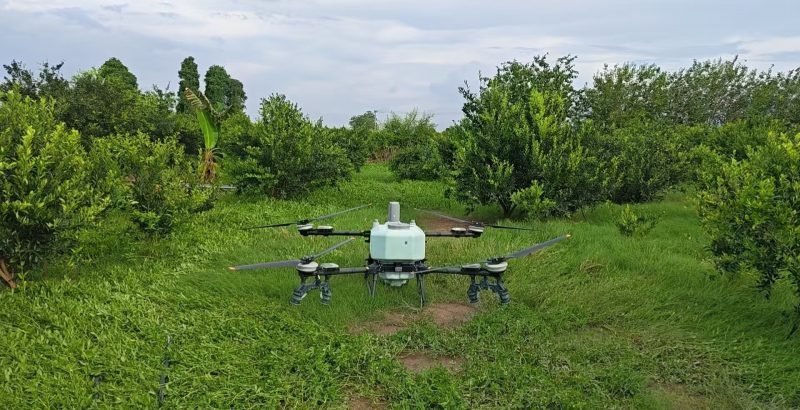
- Rural farmland areas
- Outdoor training grounds
These locations provide enough space to practice without obstacles.
Avoid flying near:
- Crowded areas
- Tall buildings
- Power lines
- Airports
Flying in a clear environment gives beginners more time to react and correct mistakes.
Step-by-Step Guide to Your First Drone Flight
Learning to fly a drone should be done gradually. Beginners should follow a structured training approach.
Step 1: Perform a Pre-Flight Check
Before every flight, inspect your drone carefully.
Basic checks include:
- Battery fully charged
- Propellers securely attached
- Controller connected
- GPS signal stable (if available)
- Camera or payload properly mounted
These simple checks help prevent many common issues.
Step 2: Start with a Low Takeoff
For your first flight, slowly increase the throttle until the drone lifts about one meter above the ground.
Hold the drone in this hovering position.
This allows you to observe how the drone responds to control inputs.
Step 3: Practice Stable Hovering
Hovering is one of the most important skills for beginners.
Try to keep the drone in a fixed position without drifting.
This exercise helps develop control precision and confidence.
Step 4: Practice Simple Movements
Once hovering feels comfortable, begin practicing simple movements:
- Move forward slowly
- Move backward
- Shift left and right
- Rotate the drone
Keep movements slow and controlled.
Step 5: Practice Landing
Landing should always be done gently.
Gradually reduce throttle until the drone touches the ground smoothly.
Avoid sudden drops that could damage the landing gear or propellers.
Common Mistakes Beginner Drone Pilots Make
Even modern drones with intelligent stabilization can crash if basic mistakes occur.
Understanding common errors can help beginners avoid them.
Flying Too High Too Quickly
Many beginners immediately fly their drone high into the sky.
This can make orientation difficult and increase crash risk.
Start with low-altitude flights until you gain confidence.
Ignoring Wind Conditions
Strong wind can push lightweight drones off course.
Beginners should avoid flying in windy weather.
Not Checking Battery Levels
Low battery levels can cause unexpected landings.
Always monitor battery status during flight.
Losing Orientation
When the drone faces toward the pilot, control directions may appear reversed.
Beginners should practice orientation awareness to avoid confusion.
Safety Tips for Responsible Drone Flying
Responsible drone operation protects both equipment and people nearby.
Maintain Visual Line of Sight
Always keep your drone visible.
Flying beyond visual range increases the risk of losing control.
Respect Privacy
Avoid flying over private property or crowded areas without permission.
Monitor Weather Conditions
Rain, strong wind, or poor visibility can affect flight safety.
Keep Safe Distance
Maintain a safe distance from people, animals, and buildings.
Professional drone manufacturers like MSOEN emphasize responsible operation to ensure safe integration of drones into everyday environments.
How Beginners Can Improve Their Drone Skills
Learning to fly a drone takes practice.
Beginners can improve their skills through regular training.
Recommended practice exercises include:
- Square flight patterns
- Circular flight practice
- Controlled altitude changes
- Precision landing exercises
These exercises improve coordination and control accuracy.
Over time, pilots become more confident and capable of performing complex aerial maneuvers.
The Future of Drone Flight
Drone technology is advancing rapidly, making flying easier and safer.
Several new developments are shaping the future of UAV operation.
Intelligent Flight Assistance
Modern drones can automatically maintain altitude, avoid obstacles, and return to home if signal is lost.
Autonomous Flight Missions
Many drones can now follow pre-programmed flight paths for tasks such as mapping or inspection.
Advanced Agricultural Applications
Agricultural drones are helping farmers monitor crops, spray fields, and improve farming efficiency.
Companies like MSOEN are developing advanced drone systems that combine intelligent navigation with reliable engineering.
Conclusion
Flying a drone for the first time is an exciting experience, but safety and preparation are essential for successful operation.
Beginners should start by understanding basic flight controls, choosing an open environment, and practicing simple maneuvers before attempting advanced flights.
With patience and regular practice, new pilots can quickly develop the skills needed to operate drones confidently and responsibly.
As drone technology continues to evolve, companies such as MSOEN are helping make aerial innovation more accessible for professionals, hobbyists, and industries around the world.
FAQ
Is flying a drone difficult for beginners?
Modern drones are designed to be beginner-friendly, but learning basic controls and practicing regularly is important.
What is the best place to practice drone flying?
Large open fields or parks with minimal obstacles are ideal for beginners.
How long does it take to learn to fly a drone?
Most beginners can learn basic flight skills within a few practice sessions.


No comments yet