

![Image [1]-Beginner-Friendly Drones: Capture Stunning Aerial Shots with Ease-msoen](https://www.msoen.com/wp-content/uploads/2025/12/705be9ca8a203751-768x1024.jpg)
![Image [2]-Beginner-Friendly Drones: Capture Stunning Aerial Shots with Ease-msoen](https://www.msoen.com/wp-content/uploads/2025/12/8bd3d721bf203751-768x1024.jpg)
![Image [3]-Beginner-Friendly Drones: Capture Stunning Aerial Shots with Ease-msoen](https://www.msoen.com/wp-content/uploads/2025/12/47dc5571e6203750-768x1024.jpg)
![Image [4]-Beginner-Friendly Drones: Capture Stunning Aerial Shots with Ease-msoen](https://www.msoen.com/wp-content/uploads/2025/12/a6d15c5d90203343-768x1024.jpg)
![Image [5]-Beginner-Friendly Drones: Capture Stunning Aerial Shots with Ease-msoen](https://www.msoen.com/wp-content/uploads/2025/12/a2749201af203343-768x1024.jpg)
![Image [6]-Beginner-Friendly Drones: Capture Stunning Aerial Shots with Ease-msoen](https://www.msoen.com/wp-content/uploads/2025/12/6f55cfd782203343-768x1024.jpg)
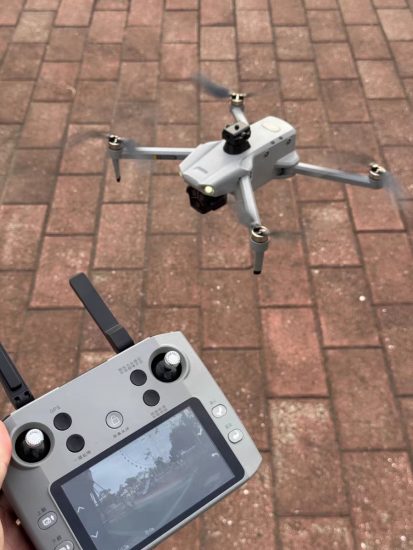
Flying a drone for the first time can be exciting but challenging. Beginner-friendly drones make aerial photography simple, allowing users to capture professional-looking shots without experience. This guide highlights features to look for in beginner drones, tips for safe flying, and practical advice to ensure that newcomers can enjoy stunning aerial photography with confidence.
1. Why Beginner-Friendly Drones Matter
Learning to fly a drone can be intimidating. Complex controls, unstable flight, and potential crashes often discourage beginners. Beginner-friendly drones are designed with easy-to-use controls, safety features, and automated flight modes to make learning smooth and enjoyable.
These drones let users focus on creativity rather than worrying about technical challenges, making it possible to capture impressive aerial photos and videos from the first flight.
2. Key Features of Beginner Drones
Ease of Use: Beginner drones often come with simple controllers or app-based controls that are intuitive for new users.
Stability: Gyroscopic stabilization and GPS-assisted flight help maintain steady shots even in light wind.
Safety Features: Automatic return-to-home, low-battery warnings, and obstacle avoidance prevent accidents and crashes.
Camera Quality: Even entry-level drones now include 1080p or 4K cameras with gimbal stabilization for smooth footage.
Portability: Lightweight and compact drones are easier to carry, perfect for travel and outdoor adventures.
Intelligent Flight Modes: Features like hover, follow-me, and pre-set flight paths allow beginners to focus on capturing photos instead of manually controlling the drone.
3. Benefits of Beginner-Friendly Drones
- Reduced Learning Curve: Easy controls and automated features allow beginners to start flying immediately.
- Safer Flights: Built-in sensors reduce the risk of crashing.
- Affordable Options: Many beginner drones are cost-effective while still providing excellent camera quality.
- Fun and Engaging: Users can capture aerial shots quickly, boosting confidence and motivation.
4. Tips for Beginners
- Start in Open Spaces: Practice in large areas with few obstacles.
- Check Local Laws: Always follow drone regulations and restricted airspace rules.
- Update Firmware: Ensure the drone’s software is up to date for safety and stability.
- Learn Basic Controls: Familiarize yourself with takeoff, landing, hovering, and directional controls before attempting advanced maneuvers.
- Use Intelligent Flight Modes: These features help maintain steady shots while learning manual control gradually.
5. Accessories for Beginners
- Extra Batteries: Allows longer practice sessions and more flights per day.
- Propeller Guards: Protects the drone during crashes and indoor flights.
- Carrying Cases: Keeps the drone safe during transport.
- Landing Pads: Ensures clean takeoffs and landings on rough or dirty surfaces.
- ND Filters or Lens Covers: Protects camera lenses and improves image quality in bright conditions.
6. Common Beginner Mistakes
- Flying in crowded or restricted areas
- Ignoring weather conditions such as wind or rain
- Overlooking battery management
- Forgetting pre-flight calibration
- Attempting complex maneuvers too early
Avoiding these mistakes will help beginners enjoy a safer and more productive flying experience.
7. Conclusion
Beginner-friendly drones make aerial photography accessible and enjoyable for anyone. With intuitive controls, safety features, and automated flight modes, even first-time pilots can capture stunning photos and videos from above. By choosing a drone suited for beginners, learning to fly becomes easier, more enjoyable, and rewarding, turning every flight into an opportunity for creative exploration.








No comments yet