






Autonomous Research UAV for Universities – Advanced Carbon Fiber Drone Platforms by MSOEN
The global demand for autonomous unmanned aerial vehicles (UAVs) has grown rapidly in recent years. Universities, research laboratories, robotics institutes, and technology companies are increasingly using UAV platforms to explore advanced technologies such as artificial intelligence, autonomous navigation, aerial mapping, environmental monitoring, and smart agriculture.
To support these innovations, researchers require professional UAV platforms that are flexible, customizable, and reliable. Many commercial drones are designed mainly for photography or simple industrial applications, which limits their ability to support complex research experiments.
This is why many research institutions are now searching for specialized autonomous UAV manufacturers capable of providing customizable drone platforms designed specifically for scientific research and educational projects.
MSOEN is a growing UAV brand that focuses on carbon fiber UAV manufacturing, autonomous drone platforms, and customized research UAV systems. The company provides reliable UAV solutions for universities, research institutes, and technology innovators around the world.
Why Universities Need Autonomous UAV Platforms
Modern universities are investing heavily in robotics research, AI development, and autonomous systems. UAVs have become one of the most important tools for research and experimentation.
A professional research UAV platform allows scientists and students to study real-world applications of robotics and artificial intelligence.
Some common university research areas involving UAVs include:
- Autonomous flight control systems
- Artificial intelligence navigation
- Computer vision and image recognition
- Multi-drone swarm technology
- Environmental monitoring
- Smart city aerial data collection
A flexible UAV platform allows researchers to modify sensors, flight algorithms, and communication systems easily.
Carbon Fiber UAV Platforms for Scientific Research
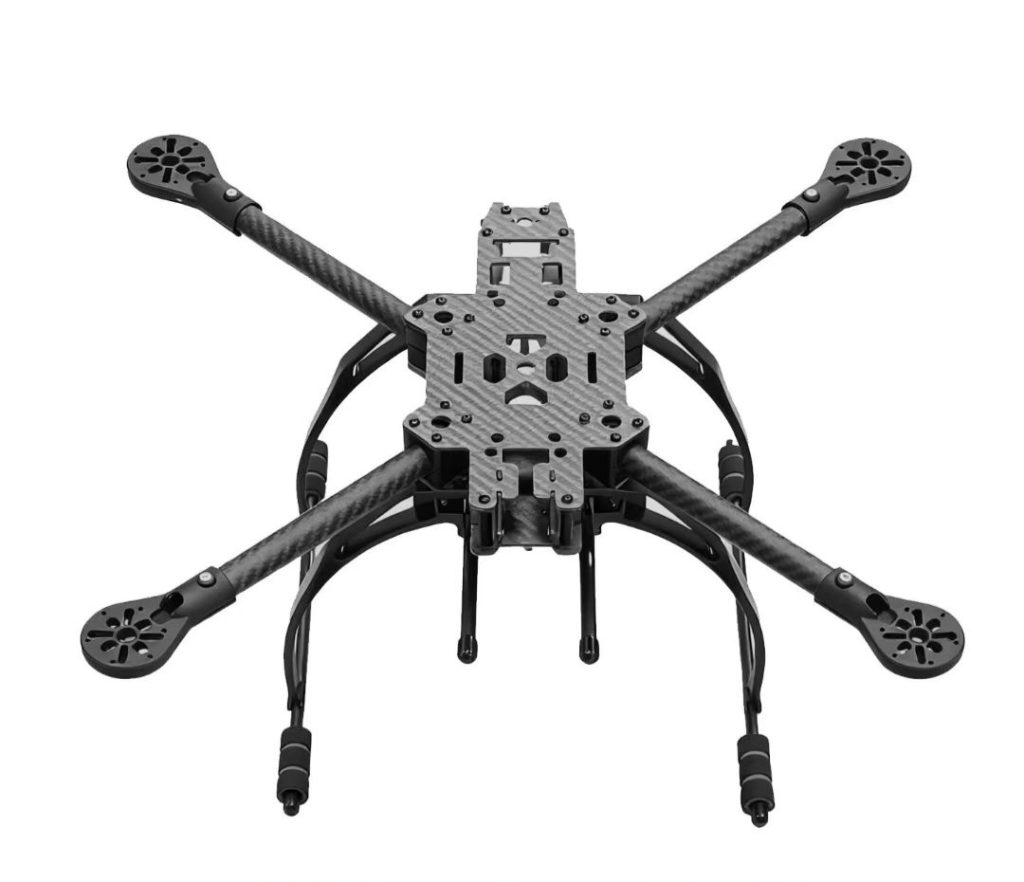
One of the most important components of a high-performance drone is its structural frame. Carbon fiber has become the preferred material for professional UAV manufacturing.
Lightweight Design
Carbon fiber materials are extremely lightweight compared to metal structures. This allows UAVs to achieve:
- longer flight time
- improved battery efficiency
- higher payload capacity
For research experiments that require multiple sensors or onboard computers, a lightweight frame is essential.
High Strength and Durability
Carbon fiber provides outstanding structural strength. UAV frames made from carbon fiber can withstand strong vibrations and repeated flight operations.
This is particularly important for research drones that may be used frequently during experimental testing.
Modular Structure
Carbon fiber UAV platforms can be designed with modular structures, making it easy to replace or upgrade components.
Researchers can quickly install:
- LiDAR sensors
- thermal cameras
- hyperspectral cameras
- AI computing modules
- experimental payload devices
MSOEN Autonomous UAV Research Platforms
MSOEN develops professional carbon fiber UAV systems designed for research and education.
These UAV platforms support advanced development projects including AI algorithms, robotics experiments, and autonomous navigation research.
Multirotor Research UAV
Multirotor drones are the most commonly used UAV platforms for universities because they are stable and easy to control.
MSOEN provides:
- quadcopter research drones
- hexacopter UAV platforms
- octocopter heavy payload drones
These drones can carry cameras, sensors, and experimental modules for different research projects.
Fixed-Wing UAV for Long-Endurance Research
Some research projects require long flight times for aerial mapping or environmental observation.
MSOEN also develops fixed-wing UAV platforms that provide:
- longer endurance
- wider coverage area
- efficient energy consumption
These drones are often used in environmental science and large-scale mapping studies.
Hybrid VTOL Research UAV
VTOL (Vertical Takeoff and Landing) UAVs combine the advantages of multirotor and fixed-wing drones.
These systems allow researchers to explore advanced flight technologies including:
- transition flight algorithms
- long-range autonomous missions
- energy-efficient drone operations
Custom UAV Development for Research Institutions
Every research institution has unique requirements for its UAV platforms. Some projects require specialized sensors, while others focus on AI processing or communication systems.
MSOEN provides custom UAV development services for universities and research organizations.
Customization options include:
UAV Frame Design
Custom carbon fiber frames can be designed based on payload capacity and flight requirements.
Sensor Integration
Research drones can be equipped with various sensors including:
- LiDAR scanners
- infrared cameras
- environmental sensors
- agricultural analysis cameras
AI Computing Integration
Autonomous UAV projects often require onboard computing systems.
MSOEN UAV platforms support integration with:
- NVIDIA AI modules
- onboard edge computing systems
- robotics processors
Communication Systems
Research UAVs can include various communication technologies such as:
- long-range telemetry
- 5G communication modules
- satellite communication support
UAV Platforms for Educational Programs
Many universities are now introducing UAV engineering programs and robotics laboratories.
A professional drone platform allows students to gain hands-on experience with real UAV systems.
MSOEN supports educational programs by providing:
- teaching UAV kits
- modular drone platforms
- programmable flight controllers
- research-grade drone systems
These platforms help students understand:
- drone assembly
- flight control programming
- sensor integration
- AI flight algorithms
UAV Applications in Scientific Research
Autonomous UAV platforms are now widely used in many research disciplines.
Environmental Monitoring
Researchers use UAVs to monitor ecosystems and collect environmental data.
Common applications include:
- forest monitoring
- wildlife tracking
- pollution analysis
- climate research
Agricultural Research
Agricultural universities use drones to analyze crop conditions and farming efficiency.
UAVs help researchers study:
- plant health monitoring
- crop growth patterns
- soil moisture analysis
- precision agriculture technologies
Smart City Research
Urban research teams are using drones to study traffic patterns, urban planning, and infrastructure monitoring.
Autonomous UAVs provide valuable aerial data for city management systems.
Advantages of Working with a Specialized UAV Factory
Choosing the right UAV manufacturer is essential for research institutions.
Professional UAV factories provide several advantages:
Engineering Expertise
Experienced UAV engineers can design drones optimized for performance and reliability.
Custom Manufacturing
A professional factory can create custom drone designs for specialized research projects.
Reliable Supply
Factories with stable production capacity can provide long-term support for research programs.
Technical Support
Professional manufacturers often provide technical guidance for UAV integration and development.
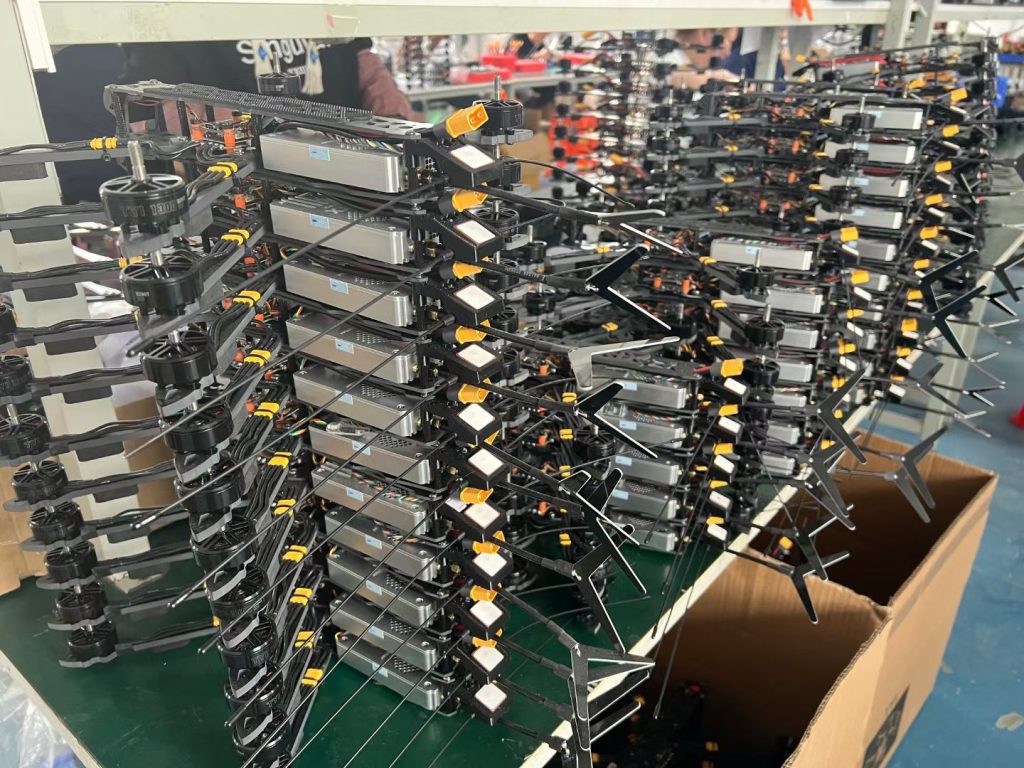
MSOEN Carbon Fiber UAV Manufacturing Process
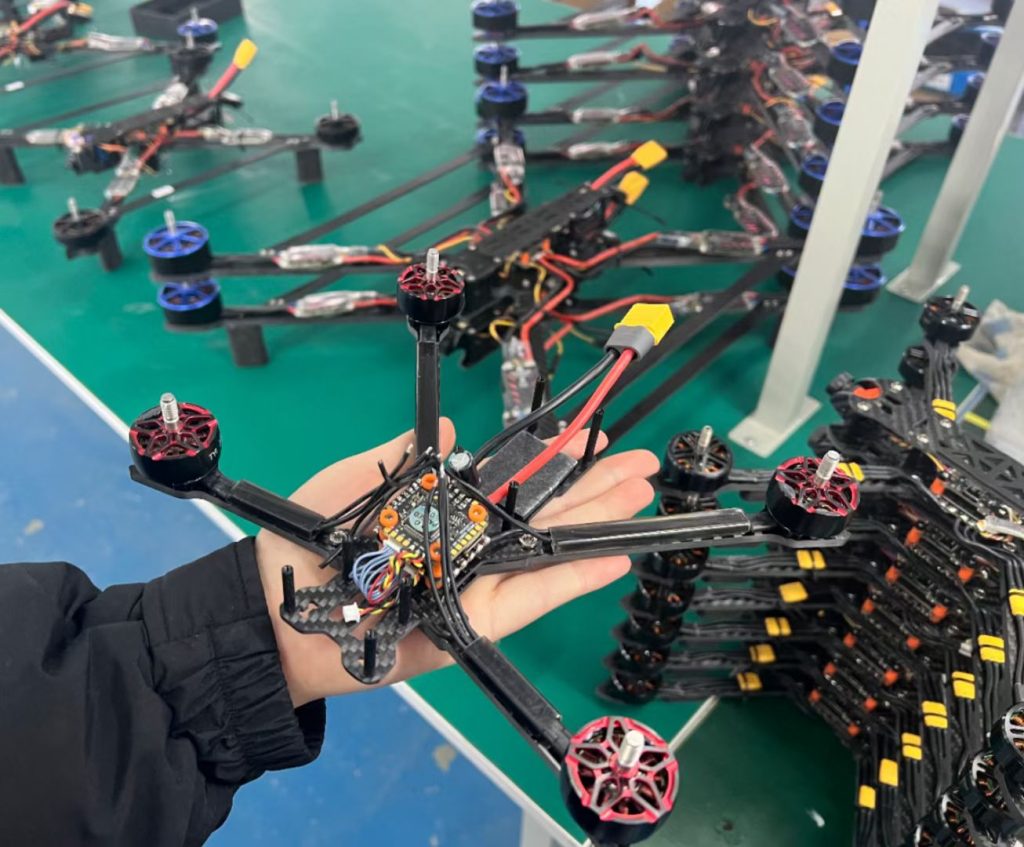
MSOEN follows a professional manufacturing process to ensure product quality.
UAV Structural Engineering
Each UAV platform is carefully designed to balance strength and weight using advanced carbon fiber materials.
Precision Manufacturing
Carbon fiber components are manufactured with precision tools to maintain structural integrity.
System Integration
Motors, flight controllers, sensors, and communication modules are integrated into the drone system.
Flight Testing
Each UAV undergoes flight testing to verify stability and performance before delivery.
Global Opportunities for UAV Research Collaboration
With the rapid growth of autonomous technology, collaboration between universities and UAV manufacturers is becoming increasingly important.
Research institutions often work with manufacturers to develop:
- experimental UAV prototypes
- autonomous flight technologies
- drone swarm systems
- advanced sensing platforms
These collaborations accelerate innovation and technological progress.
MSOEN – Supporting the Future of Autonomous UAV Research
As UAV technology continues evolving, research institutions need reliable drone platforms that support innovation and experimentation.
MSOEN is committed to providing advanced carbon fiber UAV systems designed for research, education, and technology development.
With flexible customization capabilities and strong engineering expertise, MSOEN supports global partners in building the next generation of autonomous drone technologies.
Organizations looking for autonomous research UAV platforms, carbon fiber drone manufacturing, or custom UAV development solutions are welcome to explore collaboration opportunities with MSOEN.








No comments yet