


![Image [1]-Autonomous Drones: Revolutionizing Modern Operations-msoen](https://www.msoen.com/wp-content/uploads/2026/03/a477fd3c6e011114-1024x768.jpg)
![Image [2]-Autonomous Drones: Revolutionizing Modern Operations-msoen](https://www.msoen.com/wp-content/uploads/2026/03/f909e73179010958-1024x768.jpg)
![Image [3]-Autonomous Drones: Revolutionizing Modern Operations-msoen](https://www.msoen.com/wp-content/uploads/2026/03/2f0e2850cf010957.jpg)
![Image [4]-Autonomous Drones: Revolutionizing Modern Operations-msoen](https://www.msoen.com/wp-content/uploads/2026/03/050805819c010925-1024x768.jpg)
![Image [5]-Autonomous Drones: Revolutionizing Modern Operations-msoen](https://www.msoen.com/wp-content/uploads/2026/03/9cb94eafc3010937-1024x847.jpg)
![Image [6]-Autonomous Drones: Revolutionizing Modern Operations-msoen](https://www.msoen.com/wp-content/uploads/2026/03/c85afa534e010946-1024x754.jpg)
Autonomous Drones: Revolutionizing Modern Operations
In an era where efficiency, safety, and innovation define successful businesses, autonomous drones have emerged as one of the most transformative technologies. These intelligent aerial systems operate independently, using advanced sensors, artificial intelligence, and GPS-based navigation to perform complex tasks without constant human control.
Autonomous drones are no longer futuristic gadgets—they are practical tools revolutionizing industries such as agriculture, logistics, industrial inspection, security, and environmental monitoring. By leveraging these drones, companies can save time, reduce costs, and access areas previously unreachable or too dangerous for humans.
Key Features of Autonomous Drones
Autonomous drones are distinguished by their advanced technological capabilities:
- Smart Navigation: Equipped with GPS, LiDAR, and obstacle detection sensors, autonomous drones can navigate challenging environments accurately.
- AI-Powered Decision Making: Artificial intelligence enables drones to recognize patterns, adjust flight paths, and respond to unexpected obstacles autonomously.
- Programmable Missions: Operators can predefine flight routes, scanning patterns, and operational tasks, allowing the drones to execute missions automatically.
- Long Flight Duration: Optimized energy-efficient motors and advanced battery technology allow drones to complete extensive tasks without frequent recharging.
- Real-Time Data Collection: Drones capture high-resolution images, thermal scans, and sensor data, offering instant insights for better decision-making.
Industry Applications
1. Agriculture
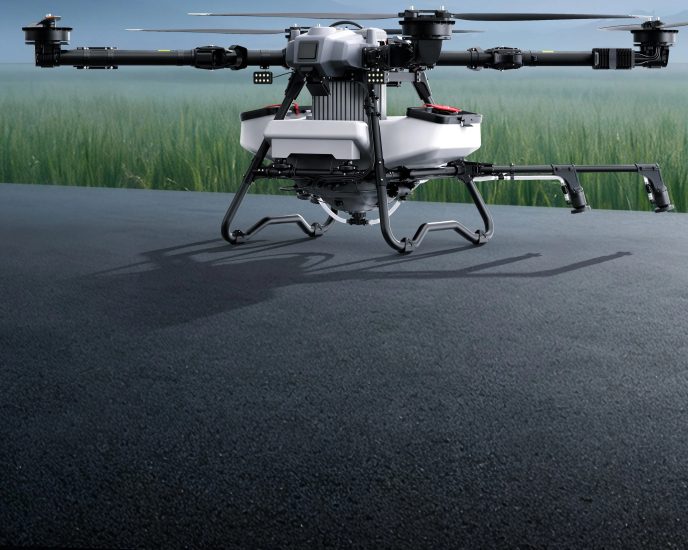
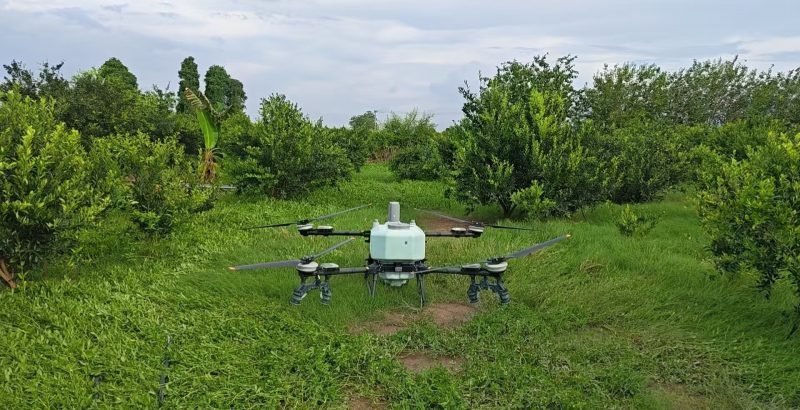
Modern farming requires precision and efficiency. Autonomous drones equipped with multispectral cameras can monitor crop health, detect irrigation needs, and even carry out targeted spraying. By reducing manual labor and increasing operational accuracy, these drones help farmers maximize yields and minimize resource waste.
Inquiry Prompt: If you are looking for innovative agricultural solutions that improve productivity and precision, exploring autonomous drones could be the right step forward.
2. Industrial Inspection
Inspection tasks in industrial settings can be risky and time-consuming. Autonomous drones can safely assess power lines, pipelines, factories, and construction sites, detecting structural issues, monitoring equipment, and providing actionable insights—all without endangering personnel.
3. Logistics and Delivery
Autonomous drones are transforming the logistics industry by enabling rapid, reliable, and contactless delivery of lightweight goods. Intelligent route planning ensures timely arrivals, while drones bypass road traffic, reaching areas traditional vehicles cannot.
4. Security and Surveillance
Autonomous drones offer continuous surveillance of large areas, equipped with motion detection and thermal imaging. They can detect unauthorized activities, alert operators to potential threats, and cover more ground than human patrols.
5. Environmental Monitoring
Researchers and environmental agencies use autonomous drones to monitor forests, track wildlife, detect pollution, and map terrain. Drones provide accurate data while minimizing human risk and environmental disruption.
Benefits of Using Autonomous Drones
- Efficiency: Perform repetitive or hazardous tasks without human intervention.
- Safety: Reduce risks associated with manual inspections or operations in dangerous areas.
- Cost Savings: Cut down labor costs and operational downtime.
- Accuracy: Collect high-quality, real-time data for precise decision-making.
- Scalability: Deploy multiple drones for large-scale projects with minimal human oversight.
Inquiry Prompt: Businesses seeking smarter, safer, and more cost-effective operational solutions can benefit greatly from integrating autonomous drones into their workflow.
Choosing the Right Autonomous Drone
Selecting the right drone depends on your industry, operational needs, and mission requirements. Consider these factors:
- Flight Duration and Range: Ensure the drone can complete tasks without frequent recharging.
- Payload Capacity: Some applications, like spraying or deliveries, require drones capable of carrying equipment or goods.
- Sensors and Cameras: Choose drones with the necessary imaging technology for your specific use case.
- Software Compatibility: The drone should integrate with your existing workflow or mission-planning software.
- Support and Maintenance: Reliable after-sales service ensures minimal downtime and consistent performance.
Future Outlook
Autonomous drones represent a paradigm shift in aerial operations. With advances in AI, battery technology, and sensor integration, drones will become more capable, adaptable, and accessible. Industries that adopt autonomous drone technology now are positioning themselves for higher efficiency, improved safety, and stronger competitive advantage.
Inquiry Prompt: For organizations aiming to stay ahead of the curve, evaluating autonomous drones for operational use is a crucial step in embracing the future of smart technology.
Autonomous drones are more than machines—they are a gateway to intelligent, safe, and efficient operations. By leveraging these advanced aerial tools, businesses can unlock productivity, reduce risks, and innovate in ways previously impossible.


No comments yet