





Introduction: The Growing Demand for Autonomous UAV Platforms in Research
In recent years, autonomous unmanned aerial vehicles (UAVs) have become essential tools for universities, robotics laboratories, engineering institutes, and technology research centers. Researchers are constantly exploring new applications for drones, including artificial intelligence, autonomous navigation, environmental monitoring, mapping, and advanced robotics systems.
Unlike consumer drones, research drones require open development platforms, modular hardware, reliable flight control systems, and customizable structures. Universities and research institutions need UAV platforms that can support various sensors, cameras, LiDAR systems, and AI modules.
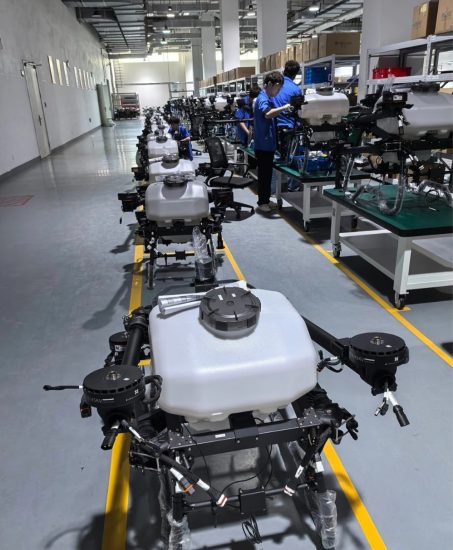
This is where professional UAV manufacturers like MSOEN play an important role. As a specialized drone manufacturer, MSOEN focuses on developing high-performance autonomous UAV platforms designed specifically for education, research, and industrial development.
MSOEN autonomous drone platforms provide researchers with the flexibility and reliability required to test new algorithms, develop advanced robotics systems, and build next-generation aerial technologies.
Why Universities and Research Institutions Need Autonomous UAV Platforms
Autonomous UAV systems offer unique capabilities that traditional research tools cannot provide. Universities around the world are increasingly integrating drones into engineering programs, robotics laboratories, and environmental research projects.
Some of the key research areas where autonomous drones are used include:
Artificial Intelligence and Machine Learning
Autonomous drones allow researchers to test AI algorithms in real-world environments. AI-powered drones can recognize objects, track movement, and make navigation decisions without human intervention.
Students and researchers can develop algorithms for:
- autonomous navigation
- obstacle avoidance
- real-time object detection
- aerial data processing
- swarm drone coordination
These applications are critical for the future of robotics and autonomous systems.
Robotics and Autonomous Systems
Many universities focus on robotics development. UAVs provide an excellent platform for testing robotic control systems, sensor integration, and motion planning algorithms.
Researchers can experiment with:
- flight control algorithms
- autonomous mission planning
- real-time data communication
- cooperative drone systems
An open UAV development platform is essential for these types of experiments.
Environmental and Geographic Research
Autonomous drones are widely used in environmental studies and geographic research.
Researchers use drones for:
- forest monitoring
- wildlife tracking
- pollution measurement
- agricultural research
- climate studies
Autonomous UAVs can collect large amounts of data quickly and safely, making them valuable tools for scientific research.
MSOEN Autonomous Drone Platform for Education and Research
MSOEN designs and manufactures professional UAV platforms specifically for research institutions and universities. These drones are built with high-quality materials, open architecture, and customizable configurations.
The goal of MSOEN is to provide a flexible UAV platform that allows engineers and researchers to focus on innovation rather than hardware limitations.
Modular UAV Design
One of the most important features of the MSOEN research drone platform is its modular design.
The modular architecture allows users to easily integrate various components such as:
- AI computing modules
- LiDAR sensors
- high-resolution cameras
- thermal imaging systems
- environmental sensors
- custom payload devices
This flexibility makes the platform ideal for universities conducting multidisciplinary research.
Open Development Platform
Research institutions need access to open systems that allow customization and software development.
MSOEN UAV platforms support open flight control systems and allow researchers to modify:
- flight control parameters
- navigation algorithms
- sensor integration
- communication systems
- data processing frameworks
This enables researchers to develop and test new technologies without hardware restrictions.
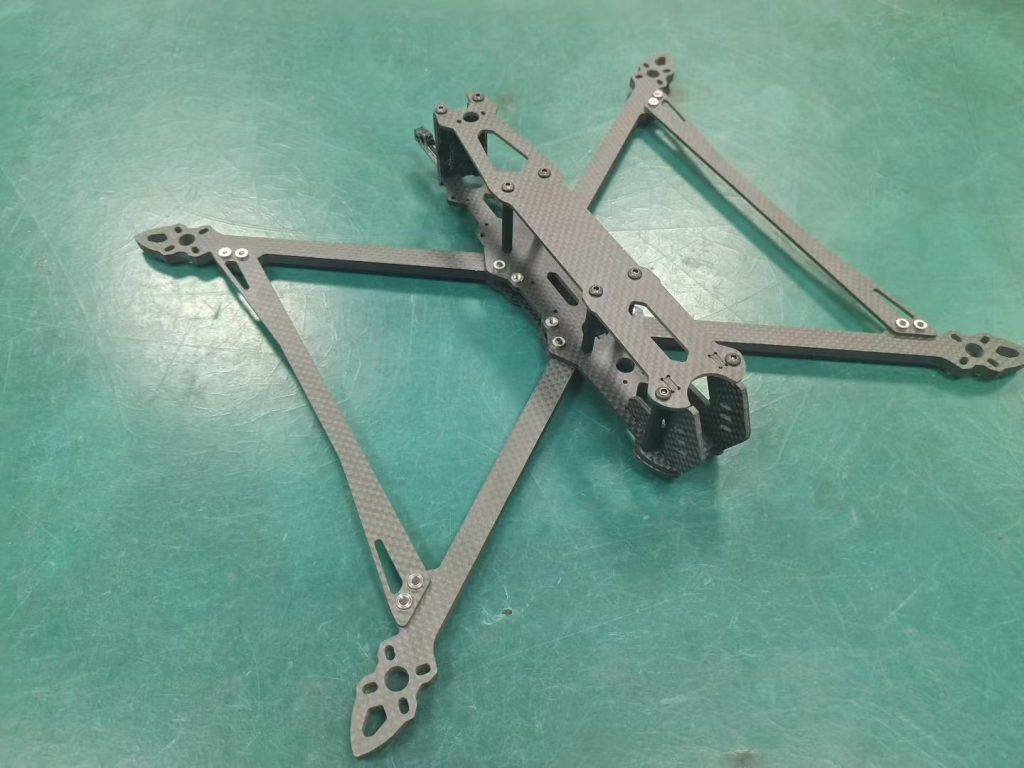
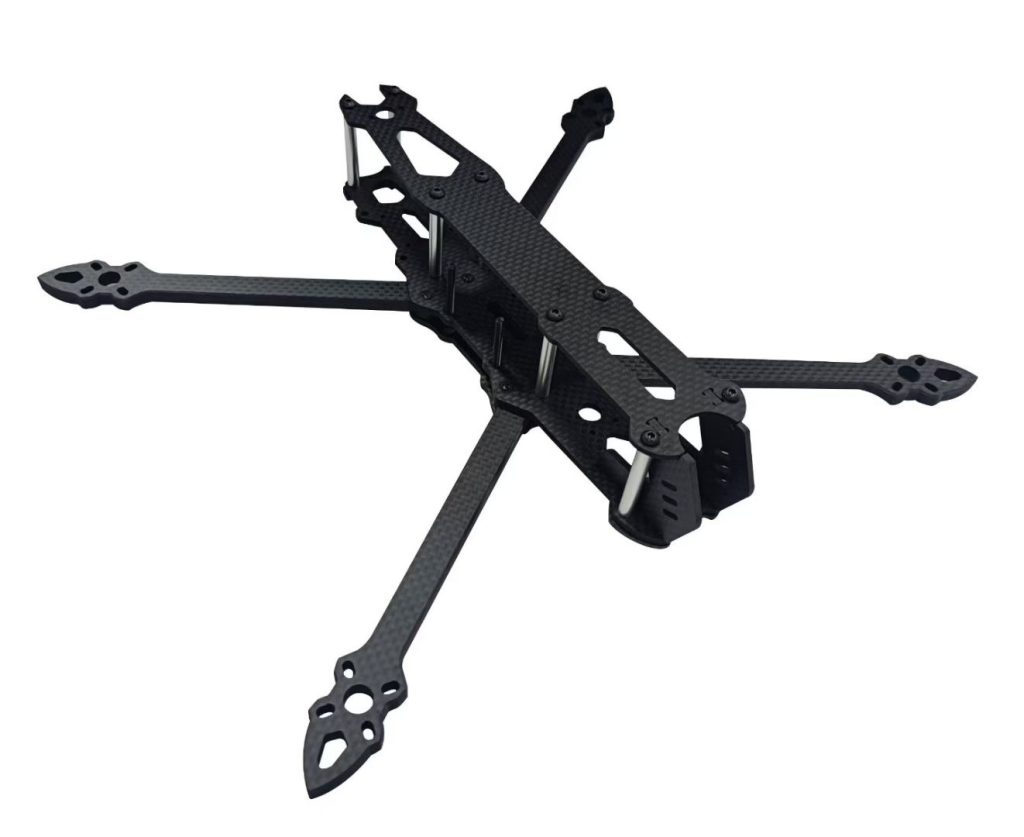
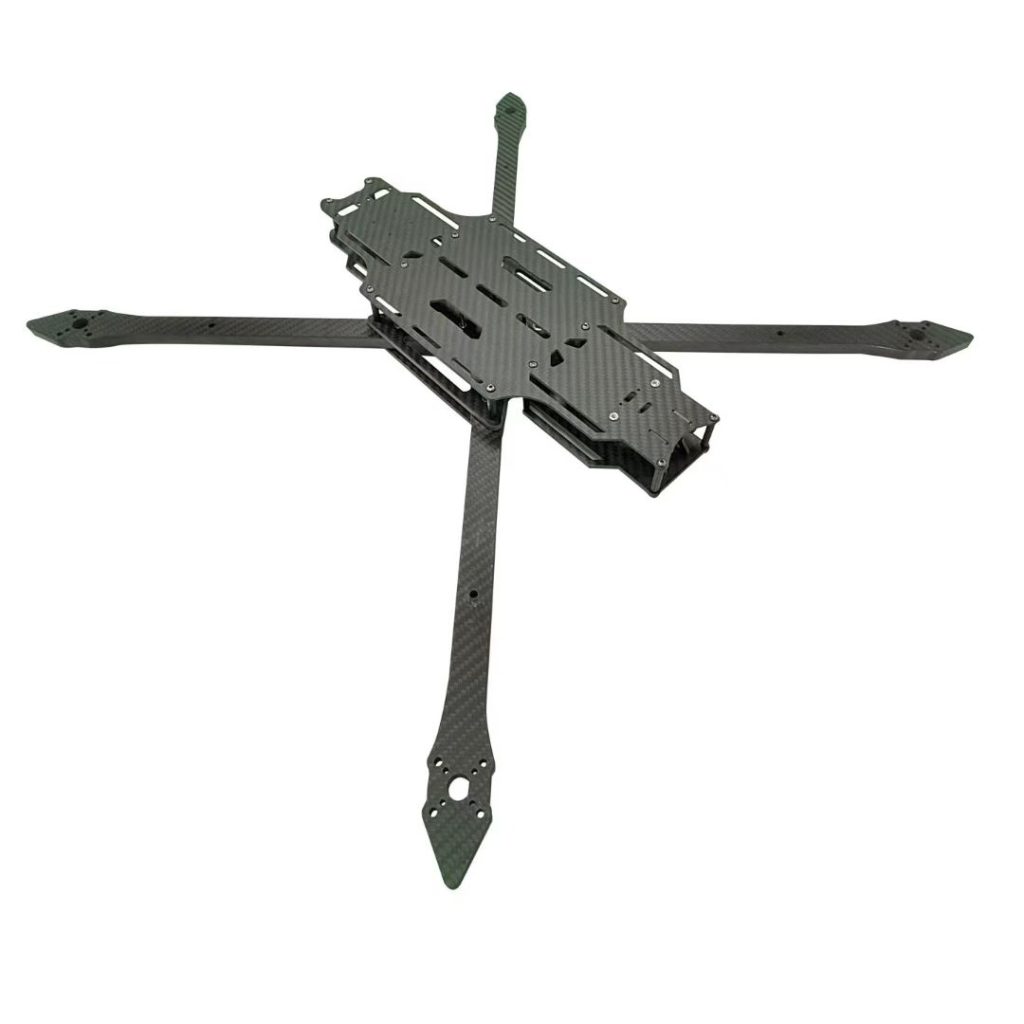
High-Strength Carbon Fiber Structure
The airframe of MSOEN UAV platforms is built using carbon fiber materials, which offer several advantages:
- lightweight structure
- high mechanical strength
- vibration resistance
- corrosion resistance
- longer service life
Carbon fiber UAV frames are ideal for research drones that require long flight times and stable flight performance.
Applications of Autonomous Research Drones
Autonomous UAV platforms developed by MSOEN are used in many different fields.
Robotics and AI Laboratories
Universities developing robotics and AI systems need UAV platforms that can support advanced sensors and computing modules. MSOEN drones provide the flexibility needed for these experiments.
Researchers can test:
- AI navigation algorithms
- autonomous obstacle avoidance
- real-time data analysis
- multi-drone coordination
Engineering and Aerospace Education
Many engineering schools now include drone technology in their curriculum. Students can learn about:
- aerodynamics
- flight control systems
- embedded systems
- UAV structure design
Hands-on experience with UAV systems significantly improves the learning process.
Geographic Mapping and Surveying
Autonomous drones can capture aerial images and collect geographic data with high precision.
These drones are used for:
- land mapping
- 3D terrain modeling
- infrastructure inspection
- urban planning research
Environmental Monitoring
Researchers studying ecosystems and climate change can use autonomous drones to collect environmental data in remote areas.
Autonomous UAVs reduce risks and improve research efficiency.
Custom UAV Development Services from MSOEN
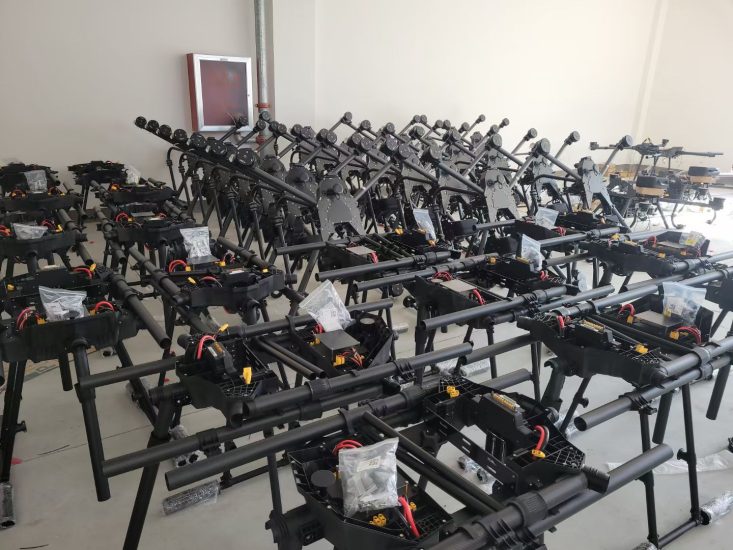
In addition to standard UAV platforms, MSOEN also provides custom drone development services for universities, laboratories, and technology companies.
Custom solutions may include:
- specialized UAV structures
- custom payload integration
- long endurance drone platforms
- AI research drone platforms
- heavy lift research drones
The engineering team at MSOEN works closely with research institutions to develop UAV systems that meet specific project requirements.
Advantages of Choosing a Professional UAV Manufacturer
When selecting a UAV supplier for research projects, universities and laboratories should consider several important factors.
Reliable Engineering Support
Research drones often require modifications and technical adjustments. Working with a professional manufacturer ensures access to engineering support when needed.
Customization Capabilities
Every research project has unique requirements. A professional UAV manufacturer can provide custom solutions rather than one-size-fits-all products.
Stable Product Quality
High-quality materials and reliable manufacturing processes are essential for research equipment. Professional UAV factories ensure consistent product quality.
Long-Term Cooperation
Many universities establish long-term partnerships with UAV manufacturers to support ongoing research programs.
Future Trends in Autonomous Drone Research
Autonomous UAV technology is evolving rapidly. In the coming years, research institutions will explore new areas such as:
- fully autonomous flight systems
- AI-powered drone swarms
- advanced environmental monitoring networks
- smart city aerial infrastructure
- cooperative robotics systems
These innovations will require flexible UAV platforms that can support continuous experimentation and development.
MSOEN is committed to supporting universities and research institutions by providing advanced UAV platforms for the next generation of drone technology.
Cooperation Opportunities with MSOEN
Universities, robotics laboratories, and research institutions around the world are welcome to collaborate with MSOEN.
Whether you need a ready-to-use autonomous UAV platform or a customized drone development project, MSOEN provides flexible solutions designed for research and education.
Research teams looking for reliable UAV platforms for robotics development, AI research, environmental studies, or engineering education can explore cooperation opportunities with MSOEN to support their next project.


No comments yet