





In modern agriculture, technology is transforming the way farmers manage crops, improve productivity, and reduce labor costs. One of the most important innovations in agricultural technology is the autonomous agricultural drone, also known as a farming UAV.
Agricultural drones are now widely used for crop monitoring, pesticide spraying, fertilizer spreading, field mapping, and precision farming. With the help of intelligent flight systems and advanced sensors, drones allow farmers to manage large farmland areas more efficiently than traditional methods.
As global agriculture becomes increasingly automated, the demand for reliable agricultural UAV systems is growing rapidly. Farmers, agricultural companies, and distributors around the world are actively searching for professional agricultural drone manufacturers that can provide high-quality and customizable UAV solutions.
China has become a major center for agricultural drone manufacturing due to its strong supply chain, engineering expertise, and competitive production capabilities. Among the emerging manufacturers in this field, MSOEN is developing advanced autonomous agricultural drone platforms designed for modern farming operations.
This article explores the advantages of agricultural drones, the key features of autonomous farming UAV systems, and why many international buyers choose professional manufacturers like MSOEN.
The Growing Role of Drones in Modern Agriculture
Agriculture is facing several global challenges, including labor shortages, rising production costs, and increasing demand for food.
Traditional farming methods often require large amounts of manual labor and time-consuming operations. Agricultural drones offer a smarter solution by automating many farming tasks.
With the help of UAV technology, farmers can quickly collect data and apply treatments across large areas of farmland.
Agricultural drones are commonly used for:
- crop health monitoring
- pesticide spraying
- fertilizer distribution
- crop mapping
- irrigation management
- soil analysis
These technologies allow farmers to make more accurate decisions and improve overall crop yields.
What Is an Autonomous Agricultural Drone?
An autonomous agricultural drone is a UAV system that can perform farming operations with minimal human intervention.
Unlike basic remote-controlled drones, autonomous drones are equipped with intelligent systems that allow them to plan and execute flight missions automatically.
Key technologies in autonomous agricultural drones include:
GPS Navigation Systems
Modern drones use high-precision GPS systems to navigate accurately across farmland.
The flight path can be pre-programmed using mapping software, allowing the drone to cover fields efficiently.
Smart Flight Control Systems
Advanced flight controllers enable the drone to maintain stable flight and automatically adjust its position during operations.
These systems allow the UAV to maintain consistent spraying height and speed.
Obstacle Avoidance Technology
Agricultural environments often include trees, power lines, and other obstacles.
Autonomous drones can detect and avoid these obstacles to ensure safe operation.
Precision Spraying Systems
Agricultural drones are equipped with specialized spraying systems that distribute pesticides or fertilizers evenly across crops.
This helps reduce chemical waste and improves treatment effectiveness.
Advantages of Agricultural Drones for Farmers
Agricultural UAV technology offers several advantages compared with traditional farming equipment.
Increased Efficiency
Drones can cover large areas of farmland in a short time.
This allows farmers to complete spraying or monitoring tasks much faster than manual methods.
Reduced Labor Costs
Labor shortages are a major problem in many agricultural regions.
Using drones allows farmers to reduce the number of workers required for field operations.
Precision Agriculture
Drone sensors can collect detailed data about crop conditions.
Farmers can analyze this data to apply treatments only where needed, improving efficiency and reducing chemical use.
Access to Difficult Terrain
Some farmland areas are difficult to access using tractors or traditional equipment.
Drones can easily fly over uneven terrain and reach remote areas.
MSOEN Autonomous Agricultural Drone Solutions
MSOEN focuses on developing advanced UAV systems designed for agricultural applications.
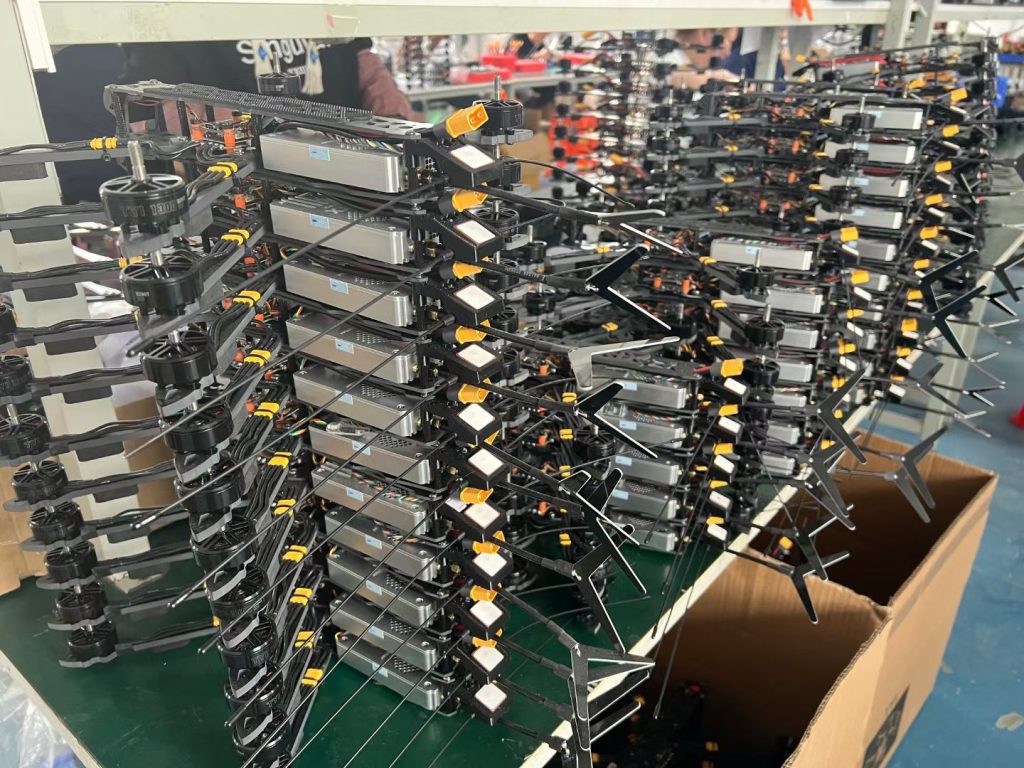
The company combines drone engineering expertise with modern manufacturing technology to create reliable farming UAV platforms.
MSOEN agricultural drones are designed for:
- crop spraying
- fertilizer spreading
- crop monitoring
- farmland mapping
These drones help farmers improve productivity while reducing operational costs.
Carbon Fiber Drone Structure for Agricultural UAVs
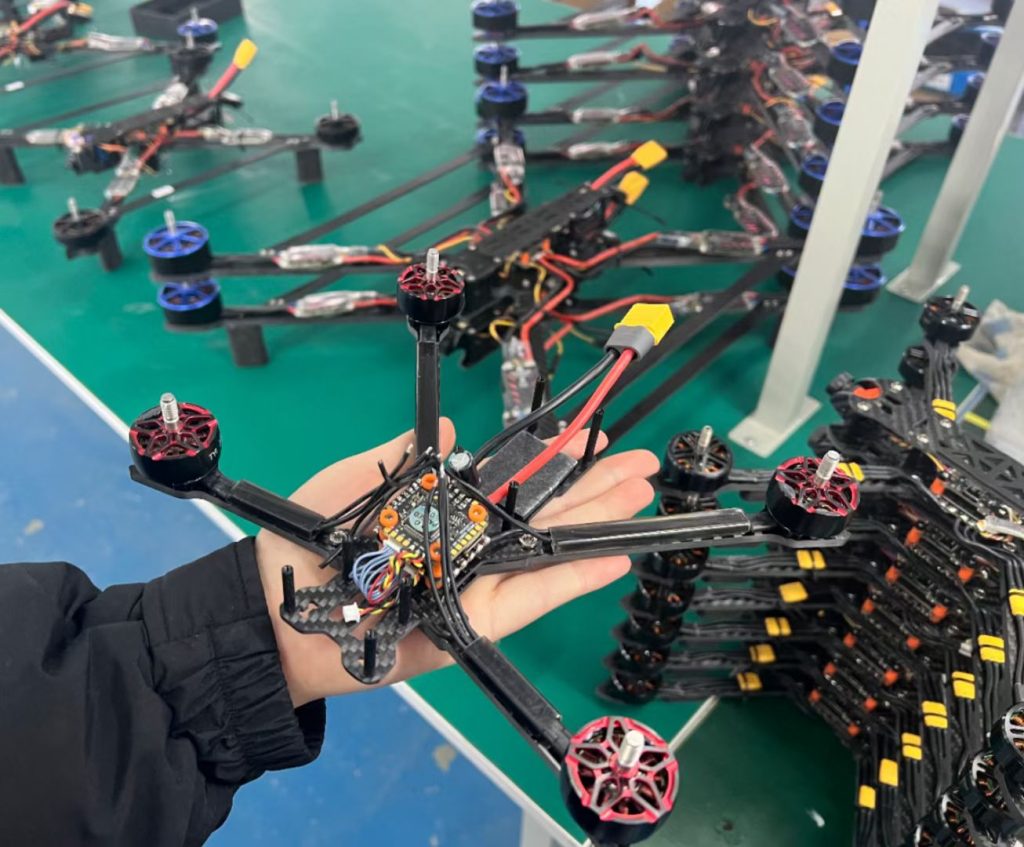
One of the important design features of MSOEN agricultural drones is the use of carbon fiber frames.
Carbon fiber materials provide several advantages for farming UAV systems.
Lightweight Construction
A lighter drone structure improves flight efficiency and increases operating time.
Strong Structural Stability
Agricultural drones often carry heavy liquid tanks for pesticides or fertilizers.
Carbon fiber provides strong support for these payloads while maintaining structural stability.
Resistance to Environmental Conditions
Farming environments may involve humidity, dust, and chemical exposure.
Carbon fiber frames are resistant to corrosion and environmental damage.
Custom Agricultural Drone Development
Different farming environments require different UAV configurations.
MSOEN offers custom agricultural drone solutions based on specific project requirements.
Customization options may include:
- spraying tank capacity
- drone frame size
- motor power configuration
- sensor integration
- flight control systems
This flexibility allows agricultural companies to develop UAV systems suitable for their local farming conditions.
Agricultural Drone Applications
Agricultural drones are used in many farming activities.
Crop Spraying
Drones can spray pesticides and fertilizers evenly across farmland.
This improves treatment coverage and reduces chemical waste.
Crop Health Monitoring
Multispectral cameras installed on drones can analyze plant health and detect early signs of disease.
Farmers can respond quickly to prevent crop damage.
Precision Fertilization
Drones allow fertilizers to be applied only where needed, improving nutrient efficiency.
Agricultural Mapping
UAV aerial images help farmers create accurate field maps for farm planning and management.
Global Market for Agricultural Drones
The demand for agricultural drones is expanding rapidly worldwide.
Countries investing heavily in precision agriculture include:
- United States
- Brazil
- Australia
- India
- Southeast Asia
These regions have large farming areas that benefit greatly from UAV technology.
As agriculture becomes more technology-driven, the market for farming drones is expected to grow significantly in the coming years.
Why International Buyers Choose Chinese Agricultural Drone Manufacturers
China has become a leading supplier of agricultural drones for global markets.
Several factors contribute to this success.
Mature Drone Manufacturing Industry
China has a well-developed UAV supply chain that includes motors, batteries, sensors, and carbon fiber materials.
Competitive Pricing
Efficient production processes allow Chinese manufacturers to offer high-quality drones at competitive prices.
Continuous Technological Innovation
Chinese drone engineers continue to improve UAV performance and develop new agricultural drone technologies.
MSOEN – Supporting the Future of Smart Agriculture
Agricultural automation is becoming an essential part of modern farming.
Autonomous drones are helping farmers improve productivity, reduce labor costs, and manage crops more efficiently.
MSOEN is committed to developing high-performance agricultural UAV platforms, carbon fiber drone systems, and customized farming drone solutions for global partners.
Agricultural distributors, farming technology companies, and large-scale farm operators looking for reliable agricultural drone manufacturing partners are welcome to explore cooperation opportunities with the MSOEN team.
Together, innovative UAV technology can support the future of smart agriculture and sustainable food production.








No comments yet