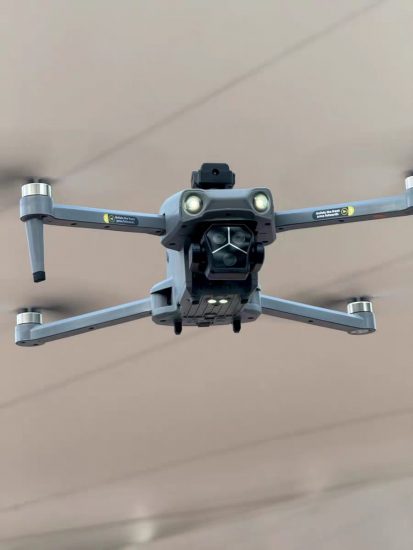




 As a professional aerial photography drone factory, we have witnessed the rapid evolution of unmanned aerial vehicles over the past decade. What once started as a niche technology for hobbyists has now become an essential tool across industries such as filmmaking, agriculture, surveying, construction, real estate, public safety, and industrial inspection.
From the factory floor to the skies above global markets, aerial photography drones are no longer just flying cameras—they are integrated systems combining aerodynamics, precision electronics, intelligent flight control, and high-performance imaging technologies. In this article, we share an in-depth overview of aerial photography drones from the manufacturer’s perspective, covering design, production, technology, quality control, OEM/ODM services, and international export trends.
1. What Is an Aerial Photography Drone?
An aerial photography drone is a multi-rotor or fixed-wing unmanned aircraft equipped with a high-resolution camera and stabilized gimbal system. Its primary purpose is to capture photos and videos from the air with precision, stability, and efficiency.
Unlike consumer toy drones, professional aerial photography drones are engineered for:
- Stable flight under wind conditions
- Long endurance and extended control range
- High-quality image and video transmission
- Accurate positioning using GPS/RTK
- Safe and intelligent flight systems
As a factory, we focus on professional-grade UAV manufacturing, ensuring that each drone meets international performance and safety standards.
2. The Growing Global Demand for Aerial Photography Drones
The global drone market has experienced consistent growth, driven by increased adoption in commercial and industrial sectors. Today, aerial photography drones are widely used in:
- Film and media production
- Real estate and architecture visualization
- Infrastructure inspection
- Mapping and surveying
- Tourism promotion
- Event coverage
- Environmental monitoring
From our export data, we see particularly strong demand from North America, Europe, Southeast Asia, the Middle East, and Australia, where professional users require durable, customizable, and cost-effective drone solutions.
As a factory, we respond to this demand by offering scalable production capacity, flexible configurations, and private-label manufacturing.
3. Core Components of an Aerial Photography Drone
Every aerial photography drone we manufacture is built from carefully selected components. Below are the key systems involved:
3.1 Airframe and Structural Design
The drone body is typically made from lightweight yet durable materials such as carbon fiber composites or reinforced engineering plastics. Structural balance is critical for stable flight and vibration reduction.
3.2 Flight Control System
The flight controller is the “brain” of the drone. It processes sensor data, stabilizes the aircraft, and ensures accurate maneuvering. Our factory integrates advanced flight control algorithms for smooth and responsive performance.
3.3 Power System
High-efficiency brushless motors, ESCs, and lithium polymer batteries work together to provide sufficient thrust, endurance, and safety. We perform strict motor matching and battery aging tests during production.
3.4 Camera and Gimbal
The camera system defines the drone’s imaging capability. Options include:
- 4K / 6K / 8K video cameras
- CMOS sensors with high dynamic range
- 3-axis mechanical gimbal stabilization
We support multiple camera brands and custom integration.
3.5 Transmission and Control
Reliable image transmission and remote control links are essential. Our drones support long-distance transmission, low-latency FPV, and encrypted data channels for professional use.
4. Manufacturing Process: From Design to Assembly
As a factory, we follow a standardized yet flexible manufacturing workflow:
Step 1: Product Design and Engineering
Our R&D team creates drone designs based on market needs, application scenarios, and client requirements. This includes mechanical design, electronic schematics, firmware development, and prototype testing.
Step 2: Component Sourcing and Inspection
All key components are sourced from verified suppliers. Incoming materials undergo inspection to ensure consistency and reliability before entering the production line.
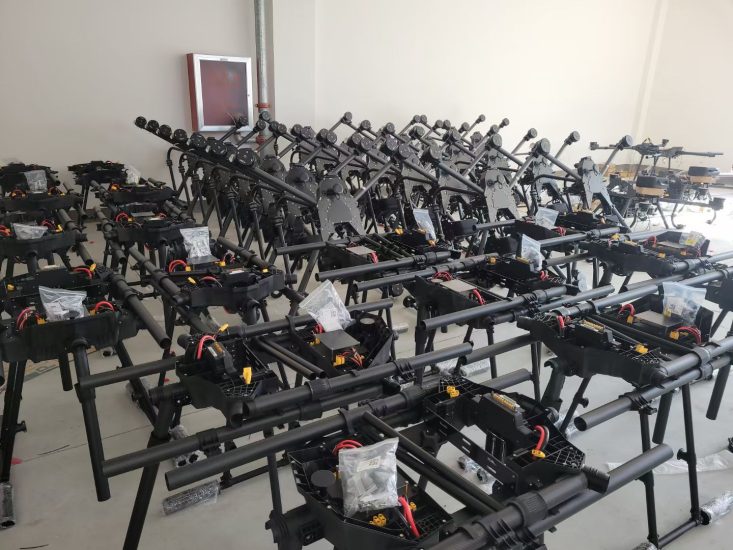
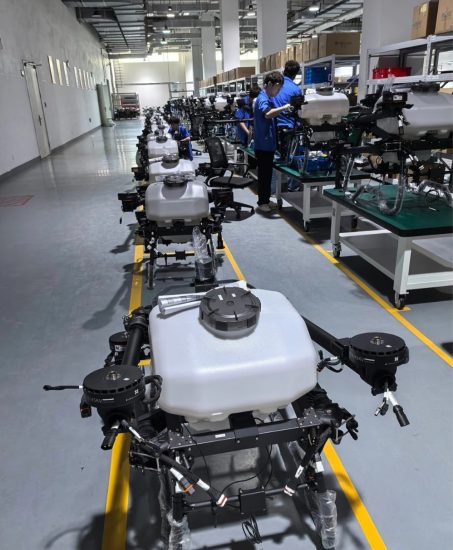
Step 3: Assembly and Integration
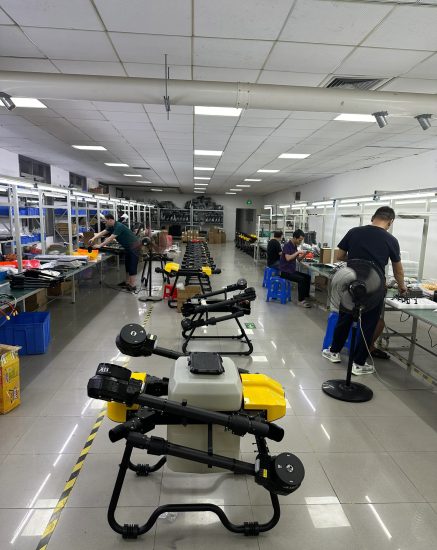
Skilled technicians assemble airframes, install electronic components, and integrate camera systems. Each assembly step follows strict SOPs to minimize defects.
Step 4: Calibration and Testing
Every drone undergoes:
- IMU and compass calibration
- Motor and ESC testing
- Flight control tuning
- Camera and gimbal calibration
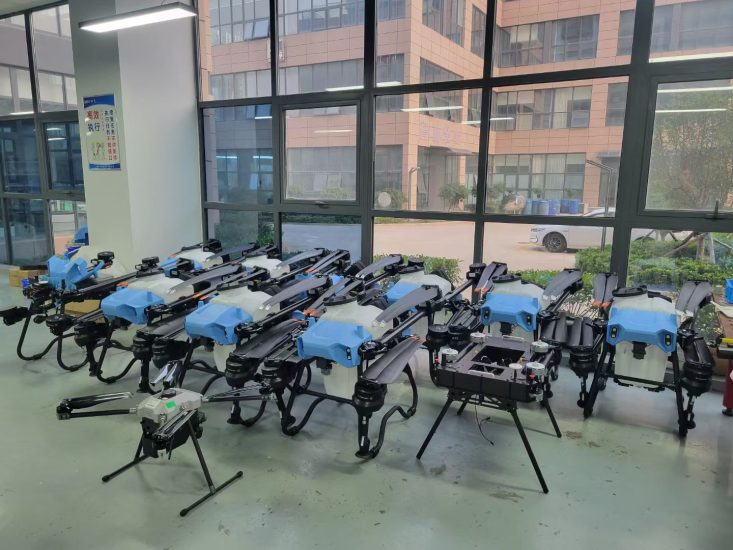
Step 5: Flight Testing and Quality Control
Before packaging, drones are test-flown to verify stability, GPS accuracy, transmission quality, and imaging performance.
5. Quality Control Standards in Our Drone Factory
Quality control is a core strength of our factory. We implement a multi-layer QC system, including:
- Incoming material inspection (IQC)
- In-process quality control (IPQC)
- Final inspection (FQC)
- Pre-shipment random inspection
Each aerial photography drone must pass electrical safety tests, flight stability tests, and endurance checks. This ensures consistency across large production batches.
6. OEM and ODM Aerial Photography Drone Solutions
As a professional drone manufacturer, we provide OEM and ODM services for international brands, distributors, and startups.
OEM Services
- Private logo branding
- Customized packaging
- Manual and software localization
- Minor hardware configuration adjustments
ODM Services
- Full product design and development
- Custom airframe design
- Camera and payload customization
- Firmware and app development
Our factory supports low MOQ for pilot projects and scalable production for mass orders.
7. Customization Options for Professional Clients
Different industries require different drone capabilities. We offer extensive customization options, including:
- Camera resolution and sensor size
- Gimbal type and payload capacity
- Flight time and battery configuration
- GPS, RTK, or vision positioning systems
- Remote controller design
- Software and UI language
Customization allows clients to differentiate their products in competitive markets.
8. Export Experience and International Compliance
We have extensive experience exporting aerial photography drones worldwide. Our factory assists clients with:
- CE, FCC, and other certifications
- UN38.3 and MSDS for batteries
- Export packaging compliance
- User manuals in multiple languages
Understanding international regulations is essential for smooth customs clearance and market entry.
9. Advantages of Working Directly with a Drone Factory
Compared to trading companies, working directly with a factory offers clear advantages:
- Better pricing and cost transparency
- Direct technical communication
- Faster customization response
- Stable long-term supply
- Strong after-sales and spare parts support
We build long-term partnerships rather than one-time transactions.
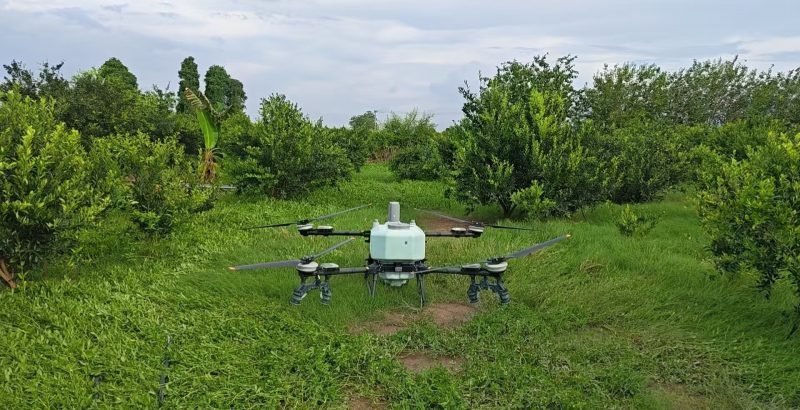
10. Applications of Our Aerial Photography Drones
Our factory-produced drones are used in a wide range of real-world scenarios:
- Cinematic video production
- Commercial photography services
- Construction progress monitoring
- Infrastructure inspection
- Tourism and marketing content creation
- Environmental and geographic surveys
Each application influences how we design and optimize our drone models.
11. After-Sales Support and Technical Assistance
We believe manufacturing does not end at shipment. Our after-sales support includes:
- Technical documentation
- Online troubleshooting support
- Spare parts supply
- Firmware updates
- Training materials for operators
Reliable support strengthens our clients’ brands in their local markets.
12. Future Trends in Aerial Photography Drone Manufacturing
Looking ahead, we see several key trends shaping the industry:
- AI-assisted flight and image processing
- Enhanced obstacle avoidance systems
- Longer endurance and faster charging
- Modular payload systems
- Increased demand for private-label drones
As a factory, we continuously invest in R&D to stay ahead of market changes.
13. Sustainability and Responsible Manufacturing
We are committed to responsible manufacturing by:
- Improving energy efficiency in production
- Reducing material waste
- Enhancing battery safety and lifecycle management
- Designing durable drones with longer service life
Sustainability is becoming an important consideration for global buyers.
14. Why Choose Our Factory as Your Drone Manufacturing Partner
Choosing the right manufacturing partner is critical to success in the drone market. Our strengths include:
- Professional UAV manufacturing experience
- Strong R&D and customization capability
- Strict quality control
- Competitive pricing
- Reliable export and logistics support
We help our clients turn ideas into market-ready aerial photography drones.
Conclusion
Aerial photography drones represent the perfect combination of technology, creativity, and industrial manufacturing. As a professional drone factory, we are proud to support global partners with reliable, customizable, and high-performance UAV solutions.
From design and production to branding and export, our goal is to deliver drones that perform consistently in real-world environments and help our clients grow their businesses worldwide. The sky is not the limit—it is just the beginning.


No comments yet