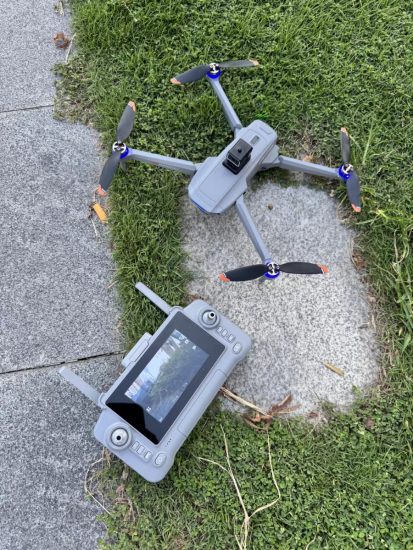




In the booming aerial imaging industry, selecting the right aerial photography drone supplier is critical to ensuring product quality, operational efficiency, and long-term business growth. With hundreds of vendors flooding the market—from small-scale assemblers to full-stack manufacturers—B2B buyers (distributors, brands, and industry adopters) face a daunting task. This guide breaks down the key selection criteria, industry trends, and best practices to help you partner with a supplier that aligns with your goals.
Why Supplier Choice Defines Your Success
A drone is more than hardware; it’s a tool that impacts your brand reputation, client satisfaction, and bottom line. A poor supplier choice can lead to:
-
Product Failures: Inconsistent flight stability, camera malfunctions, or short battery life eroding client trust.
-
Compliance Risks: Non-adherence to global standards (CE, FCC, RoHS) blocking market entry.
-
High Hidden Costs: Frequent repairs, slow support, or supply chain delays eating into margins.
Conversely, a reliable supplier delivers scalability, innovation, and peace of mind—allowing you to focus on growth.
5 Critical Criteria for Evaluating Aerial Photography Drone Suppliers
Not all suppliers are created equal. Use these five pillars to vet potential partners:
1. Technical Capabilities: Beyond Basic Specifications
Technical prowess separates top suppliers from the rest. Look beyond marketing claims and assess:
Core Hardware Expertise
-
Flight Systems: Stable flight controllers (e.g., Pixhawk-based or proprietary designs), brushless motors with high thrust-to-weight ratios, and redundant sensors (GPS, IMU, barometer).
-
Imaging Payloads: Support for high-resolution cameras (4K/8K), interchangeable lenses, and specialized sensors (thermal, multispectral, LiDAR). Ask about compatibility with third-party gear (e.g., Sony, Canon, or FLIR modules).
-
Power Efficiency: Battery technology (LiPo vs. Li-ion), smart BMS (Battery Management Systems) for cycle life, and fast-charging options.
Software & AI Integration
Modern drones thrive on intelligent software. Prioritize suppliers offering:
-
Customizable Flight Modes: Waypoint navigation, object tracking, and automated mission planning (e.g., grid surveys for agriculture).
-
Data Analytics Tools: Post-processing software for mapping (GIS integration), NDVI analysis (crop health), or 3D modeling.
-
OTA Updates: Over-the-air firmware upgrades to fix bugs and add features without physical returns.
Red Flag: Suppliers who limit software access or use closed ecosystems may hinder your ability to differentiate.
2. Quality Control: From Component to Final Product
Reliability starts with rigorous quality control (QC). Ask suppliers to detail their QC process, which should include:
-
Component Testing: Individual validation of sensors, motors, and batteries (e.g., stress-testing cameras for low-light performance).
-
Assembly Checks: Soldering integrity, frame alignment, and waterproofing (for industrial use; IP65/IP67 ratings).
-
Field Validation: 50+ flight hours in diverse conditions (wind, rain, extreme temperatures) to simulate real-world use.
-
Certifications: ISO 9001 (quality management), CE/FCC (regional compliance), and optional aviation authority approvals (e.g., FAA Part 107 for U.S. commercial use).
Pro Tip: Request a sample unit for independent testing—this reveals hidden flaws (e.g., poor gimbal stabilization or short flight times).
3. Service & Support: Your Safety Net
Even the best drones require support. Evaluate suppliers on:
-
Warranty Terms: Minimum 12-month coverage for parts/labor; extended warranties for industrial clients.
-
Response Time: 24/7 technical support (via email, chat, or phone) and on-site service for large accounts.
-
Spare Parts Availability: Local warehouses or global distribution networks to avoid downtime.
-
Training Resources: User manuals, video tutorials, and onsite training for your team (critical for complex industrial drones).
Example: A European surveying firm chose a supplier with regional repair centers, reducing drone downtime by 40% during peak project seasons.
4. Customization & Scalability: Adapting to Your Growth
Your needs will evolve—your supplier should too. Look for:
-
OEM/ODM Flexibility: Ability to co-design drones with your branding (logo, color scheme), modified payloads, or software pre-installs.
-
MOQ (Minimum Order Quantity) Alignment: Low MOQs (e.g., 20–50 units) for startups; volume discounts (5–10% for 500+ units) for established brands.
-
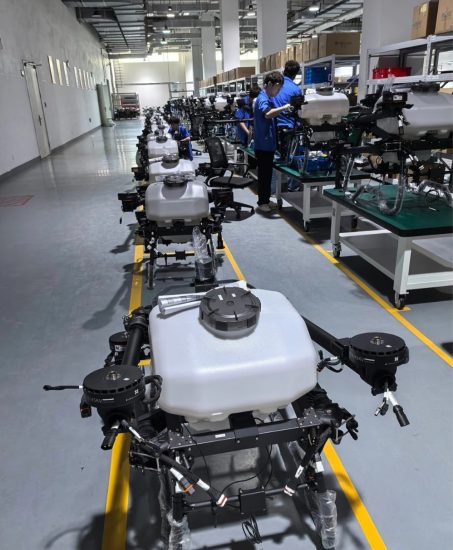
Scalable Production: Capacity to ramp up output (e.g., 10,000+ units/year) without compromising quality.
Case Study: A U.S. prosumer brand scaled from 200 to 5,000 units annually by partnering with a supplier using automated assembly lines and modular component design.
5. Pricing Transparency: No Hidden Surprises
Avoid suppliers with vague pricing. Demand a clear breakdown of:
-
Unit Cost: Base price + optional add-ons (e.g., extra batteries, cases, or software licenses).
-
Shipping & Duties: Incoterms (FOB, CIF) and responsibility for customs fees.
-
Payment Terms: Flexible options (e.g., 30% deposit, 70% on delivery) for new partners.
Warning Sign: Suppliers pressuring you into large upfront payments or refusing to share cost breakdowns may have hidden margins.
Industry Trends Shaping Supplier Choices
To stay ahead, align with suppliers investing in these trends:
1. AI-Driven Autonomy
Suppliers integrating AI for obstacle avoidance, predictive maintenance, and adaptive flight paths (e.g., adjusting altitude in strong winds) will dominate.
2. Sustainable Design
Eco-conscious buyers prefer suppliers using recyclable materials (e.g., carbon fiber frames) and energy-efficient components (solar-assisted batteries).
3. Hybrid Use Cases
Drones that switch between roles (e.g., mapping by day, security patrols by night) require suppliers with multi-sensor integration expertise.
4. 5G & Edge Computing
Suppliers offering 5G-enabled drones for real-time data streaming (e.g., live event broadcasting) or edge processing (onboard data analysis) will gain traction.
How to Shortlist & Onboard a Supplier
Follow this step-by-step process:
-
Define Requirements: List must-haves (e.g., 4K camera, 30-minute flight time) and nice-to-haves (e.g., custom branding).
-
Research & Shortlist: Use industry directories (e.g., Drone Industry Insights) to find 3–5 suppliers matching your criteria.
-
Request Proposals: Ask for quotes, sample units, and references from existing clients.
-
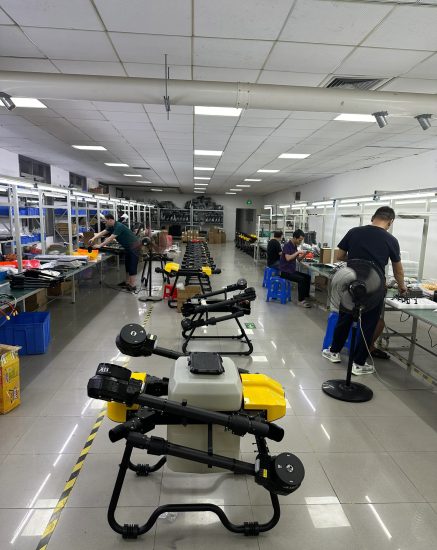
Site Visits (If Possible): Tour manufacturing facilities to verify production capacity and QC processes.
-
Pilot Test: Run a small batch (5–10 units) in your target environment (e.g., agricultural fields, urban areas).
-
Negotiate & Contract: Lock in terms (warranty, support, scalability) in writing.
Conclusion: Partner for Long-Term Value
Choosing an aerial photography drone supplier isn’t just a transaction—it’s a strategic partnership. By prioritizing technical excellence, quality control, flexible support, and alignment with industry trends, you’ll secure a supplier that grows with your business.
Remember: The cheapest option rarely delivers the best ROI. Invest in a partner that shares your commitment to innovation and reliability—your clients (and bottom line) will thank you.
THE END


No comments yet