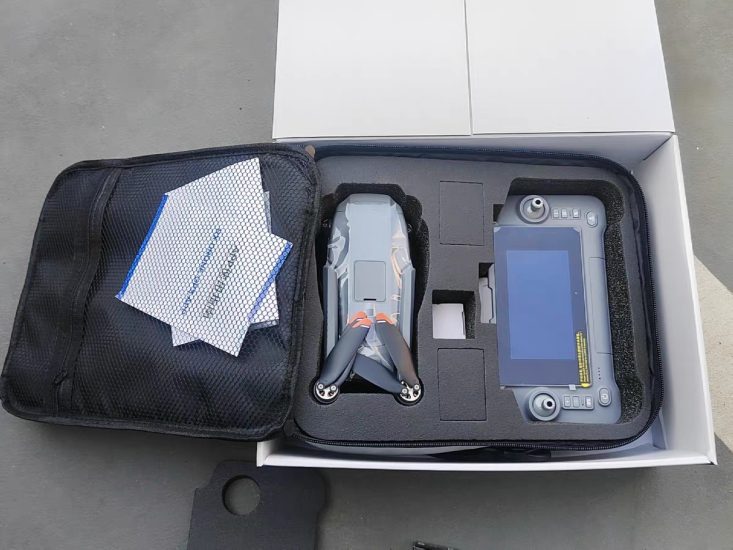




Advanced Drone Manufacturing and Global Deployment: Building the Next Generation of UAV Solutions 🚀
The drone industry has entered a new phase defined by industrial scalability, intelligent automation, and global deployment. No longer limited to hobbyist use or isolated pilot projects, unmanned aerial vehicles (UAVs) are now integrated into core business operations across agriculture, logistics, infrastructure, and environmental management. This article explores advanced drone manufacturing, international market adaptation, and how next-generation UAV solutions are built to meet real-world demands.
1. From Concept to Industrial-Grade Drone 🛠️
Industrial drones are designed with a very different mindset compared to consumer models. Reliability, safety, and mission continuity are the top priorities.
Key design considerations include:
- Structural strength and vibration resistance
- Redundant systems for motors, sensors, and power
- Long operational lifespan and easy maintenance
- Compatibility with industrial payloads
Engineers focus on balancing durability with weight efficiency to ensure stable flight under heavy payloads and long working hours.
2. Materials and Structural Innovation 🧩
Modern drone frames use advanced composite materials such as carbon fiber and reinforced polymers. These materials offer high strength while remaining lightweight.
Innovations in structural design include:
- Foldable arms for easier transportation
- Waterproof and dustproof enclosures
- Heat-resistant motor mounts for high-temperature environments
Such features are essential for drones operating in agriculture, deserts, coastal regions, and cold climates.
3. Power Systems and Flight Endurance 🔋
Power technology is a critical factor in drone performance. While lithium batteries remain the standard, manufacturers are optimizing energy efficiency through:
- High-efficiency motors and propellers
- Intelligent power management systems
- Hybrid and fuel-assisted power solutions
Extended flight endurance directly increases productivity, especially for spraying, mapping, and inspection missions.
4. Intelligent Flight Control Systems 🧠
At the core of every advanced drone is a sophisticated flight control system. These systems process data from multiple sensors in real time to ensure stable and precise flight.
Key capabilities include:
- Autonomous route planning
- Terrain-following flight
- Obstacle detection and avoidance
- Emergency landing and return-to-home functions
These features reduce pilot workload and enhance operational safety.
5. Payload Integration and Customization 🎯
Different industries require different payloads. Advanced drone platforms are designed to support flexible payload integration.
Common payload types:
- High-resolution optical cameras
- Multispectral and hyperspectral sensors
- Thermal imaging modules
- Spraying systems and spreaders
Through modular payload interfaces, a single drone platform can serve multiple applications.
6. OEM and ODM Manufacturing Models 🏭
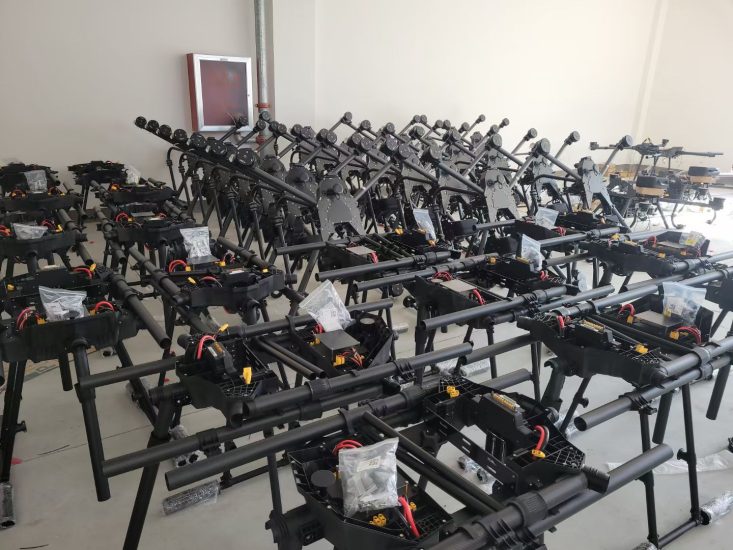
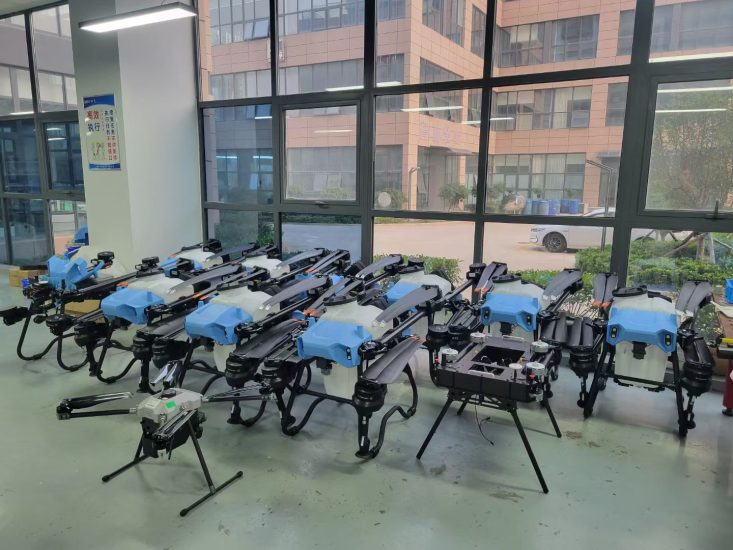
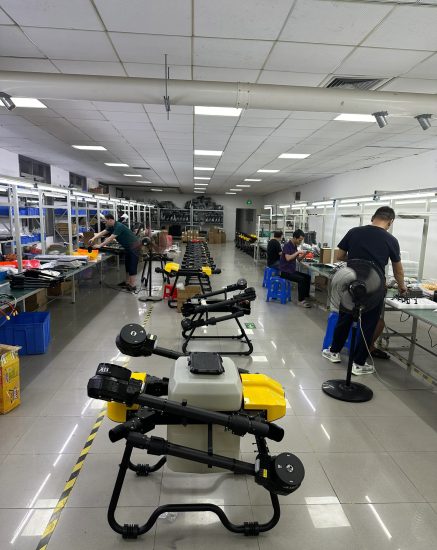
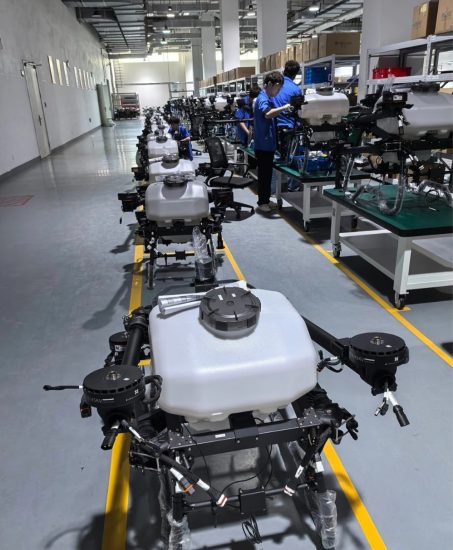
OEM and ODM manufacturing play a vital role in the global drone supply chain. These models allow brands to launch customized drone products without investing in full in-house development.
OEM/ODM services typically cover:
- Hardware and airframe customization
- Firmware and control software adaptation
- Compliance with regional aviation regulations
- Branding and packaging
This approach accelerates market entry and reduces development risk.
7. Global Deployment and Market Adaptation 🌍
Deploying drones globally requires adaptation to different regulatory environments, climates, and user behaviors.
Successful global drone solutions are designed with:
- Multi-language control interfaces
- Adjustable flight parameters for local regulations
- Training and technical support systems
- Compatibility with local power and communication standards
This flexibility enables drones to operate efficiently in diverse international markets.
8. Drone Applications Driving Global Demand 📈
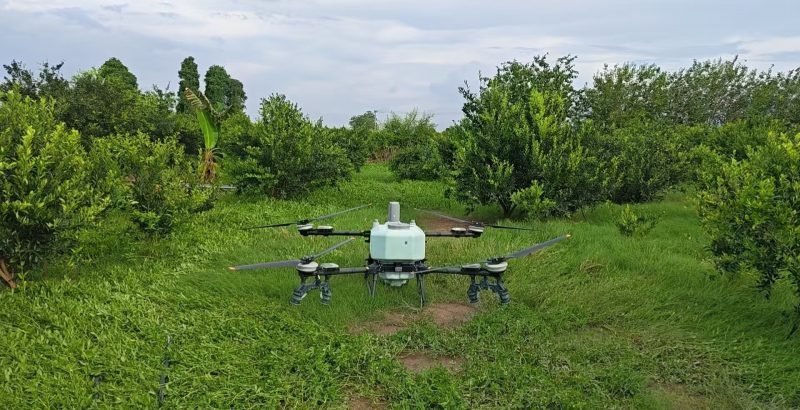
🌾 Agriculture
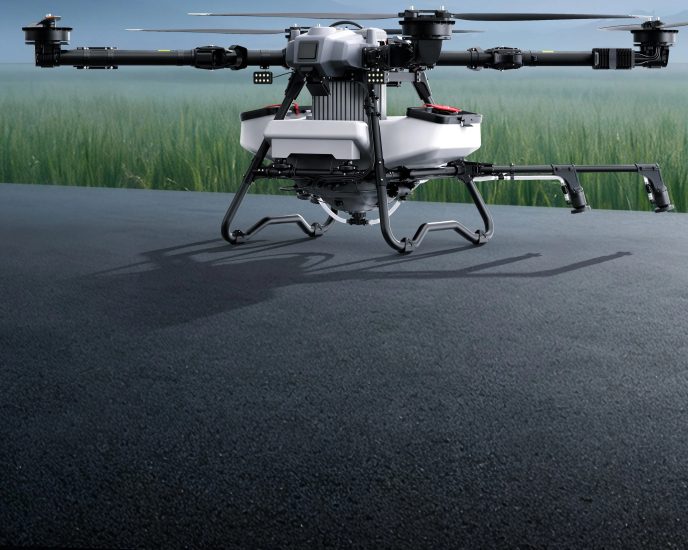
Drones support precision spraying, seeding, and crop monitoring, helping farmers reduce costs and increase yields.
⚡ Energy and Utilities
Inspection drones improve safety and efficiency in power generation, transmission, and renewable energy management.
🏗️ Infrastructure and Construction
Drones provide accurate mapping, progress tracking, and asset monitoring for large-scale projects.
🌱 Environmental Monitoring
UAVs track deforestation, wildlife populations, and environmental changes with minimal ecological disturbance.
9. Safety, Compliance, and Risk Management 🔒
Industrial drones must meet strict safety and compliance standards. Manufacturers integrate features such as:
- Redundant flight control systems
- Encrypted communication links
- Geofencing and altitude limits
- Automated system diagnostics
These measures protect both operators and the surrounding environment.
10. Future Outlook for the Drone Industry 🚁
The future of drone technology will be shaped by:
- Higher levels of autonomy and AI integration
- Swarm coordination for large-area missions
- New energy solutions for ultra-long endurance
- Deeper integration with enterprise and IoT systems
As these technologies mature, drones will become essential infrastructure tools rather than optional equipment.
Conclusion ✨
Advanced drone manufacturing is laying the foundation for a globally connected UAV ecosystem. By combining intelligent flight systems, robust manufacturing processes, and flexible customization models, modern drones are meeting the complex needs of industries worldwide.
Companies that invest in scalable drone solutions, OEM/ODM partnerships, and global compliance strategies will be best positioned to lead the next stage of unmanned aviation. The future of drones is not only about flight—it is about intelligence, reliability, and real-world impact. 🚀


No comments yet