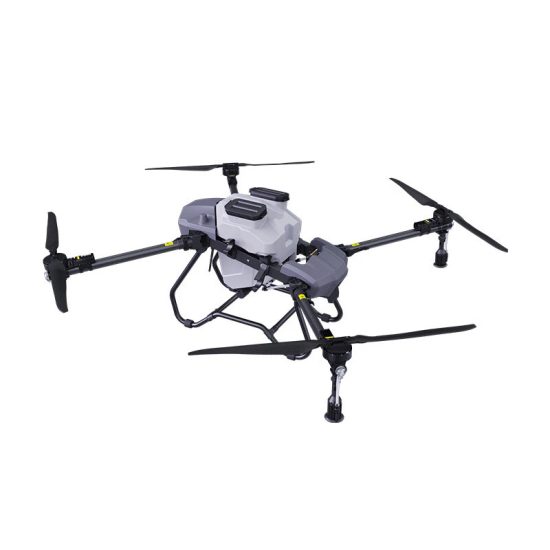


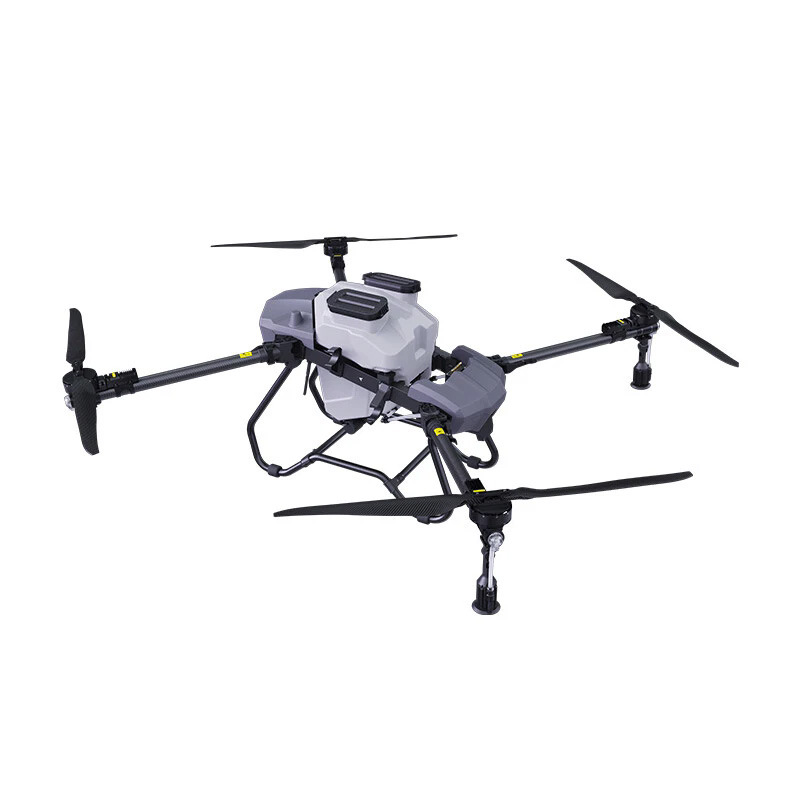

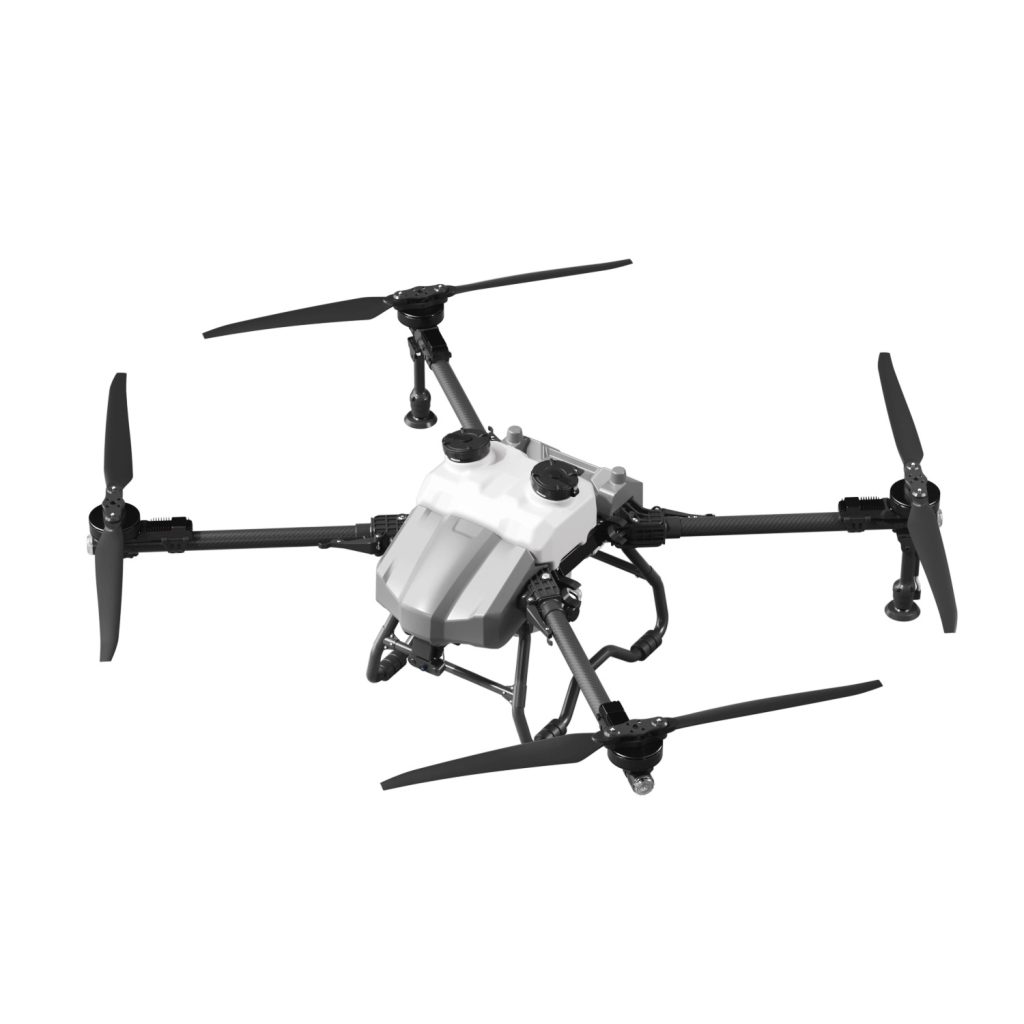
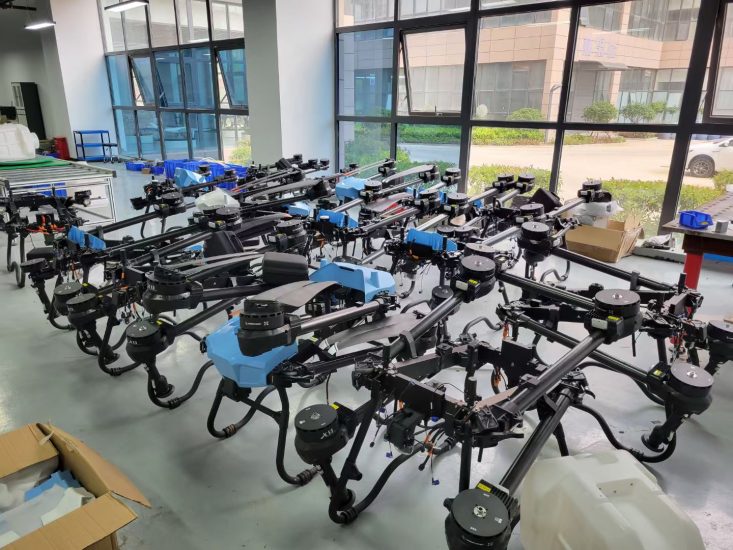
Walk into any major farming hub in Thailand, Vietnam, or Indonesia today, and you’ll see a massive shift happening in the skies. The old, gas-guzzling manned crop dusters are disappearing. In their place, a new king has emerged: the modern heavy-lift agricultural drone.
But with so many models on the market, why has this specific 40L-class drone become the undisputed best-seller across Southeast Asia?
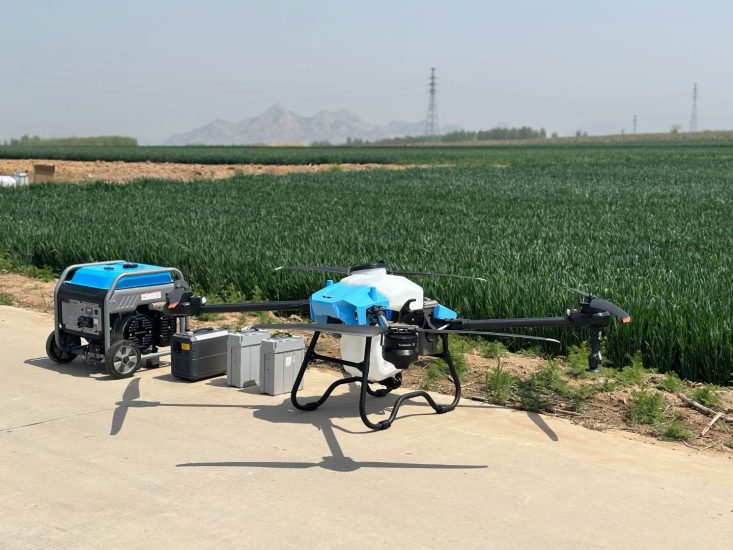
To find out, we took this unit to a 50-hectare fragmented rice paddy in Thailand’s Chao Phraya River basin. We put it through a grueling 30-day field test in 35°C heat and 80% humidity.
Here is the unfiltered reality of its performance and the exact ROI math every plantation owner needs to see.
1. The Field Test: Built for the Tropics
Southeast Asian agriculture is brutal on machinery. It’s not just the heat; it’s the fine dust from dry fields and the unpredictable crosswinds in palm oil plantations.
We pushed the drone to its advertised limits:
-
Payload & Stability: We loaded the full 40L tank. Even with a 12-knot crosswind (common during monsoon transitions), the drone maintained a rock-solid altitude of 3 meters above the canopy. The quad-rotor design provides an incredibly low center of gravity, preventing the pendulum-effect crashes lighter drones suffer from.
-
The 4-Nozzle Centrifugal System: This is a game-changer for dense crops like rubber trees or mature rice. By using centrifugal force to atomize the liquid, it creates a fine, uniform mist. In our tests, we achieved a 98% droplet uniformity rate, ensuring the chemicals actually stick to the leaves instead of bouncing off or causing runoff.
-
Battery Swap Speed: In the tropics, downtime equals lost money. The smart battery system allowed us to hot-swap a depleted battery for a fresh one in exactly 45 seconds.
2. Solving the “Southeast Asia Pain Points”
Why do local farmers prefer this drone over cheaper alternatives or traditional methods? It boils down to three localized advantages:
-
No More “Walking in the Heat”: Manual backpack spraying in 35°C weather is a health hazard. Workers dehydrate quickly, leading to inconsistent spraying. This drone allows a single operator to cover 100 hectares a day while standing in the shade.
-
Terrain Following for Palm & Rubber: Southeast Asia is not flat like the American Midwest. Using its downward-facing LiDAR and millimeter-wave radar, the drone automatically adjusts its height when flying over uneven terrain or drainage ditches, maintaining a perfect 2.5 to 3-meter spraying distance at all times.
-
Surviving the Dust: The internal components are fully potted and sealed against moisture and conductive dust. After 30 days of heavy use, we popped the hood—zero corrosion, zero sensor errors.
3. The REAL Reason It’s a Best-Seller: The ROI Analysis
At the end of the day, farmers don’t buy drones because they are “cool.” They buy them because they print money.
Let’s look at the numbers. In many parts of Southeast Asia, hiring a drone service costs between $12 to $15 USD per hectare.
Here is the conservative 12-month financial projection for a single drone setup:
Cost Factor |
Details |
Amount (USD) |
|---|---|---|
Initial Investment |
1x Drone Unit + 6x Smart Batteries + Charger |
$14,000 |
Daily Operating Cost |
Electricity ($3) + Consumables ($7) |
$10 / day |
Daily Revenue |
20 hectares/day @ $13/hectare average rate |
$260 / day |
Net Profit Per Day |
Revenue minus operating costs |
$250 / day |
Monthly Profit |
Based on 25 working days per month |
$6,250 / month |
The Payback Period:
$14,000 (Investment) ÷ $6,250 (Monthly Profit) = 2.24 months.
Let that sink in. In most regions, this drone completely pays for itself in under 70 days of actual fieldwork. After that, it’s pure profit. For plantation cooperatives or large-scale rice farmers, the decision is a complete no-brainer.
The Verdict
The reason this agricultural drone is flying off the shelves in Southeast Asia isn’t found in a flashy marketing brochure. It’s found in the brutal economics of the farm.
It solves the region’s biggest headache—labor shortages—while delivering a precision spray that saves farmers up to 30% on chemicals annually. When a piece of machinery can pay for itself before the rice is even ready for harvest, it doesn’t just become a best-seller; it becomes an essential tool for survival in modern agriculture.
THE END


No comments yet