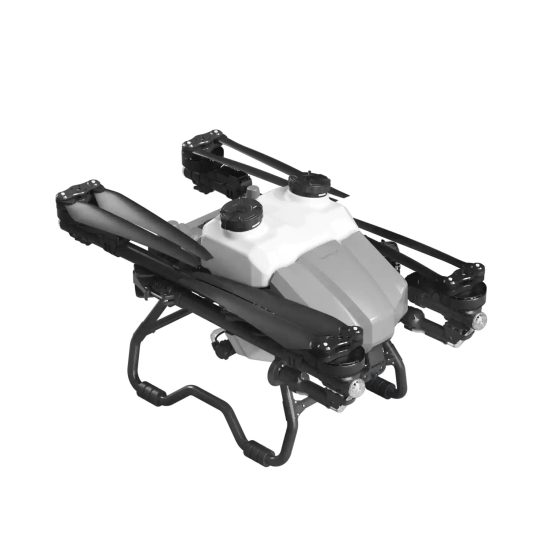


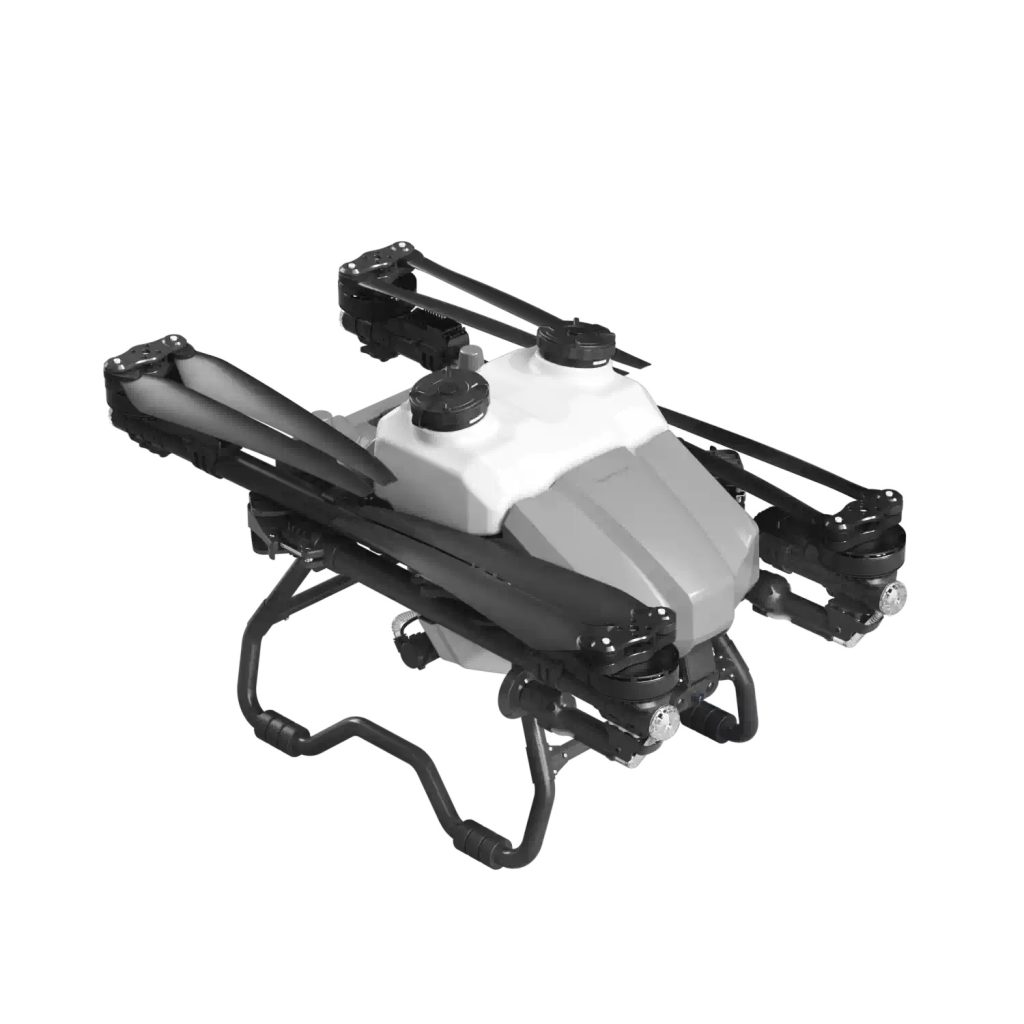
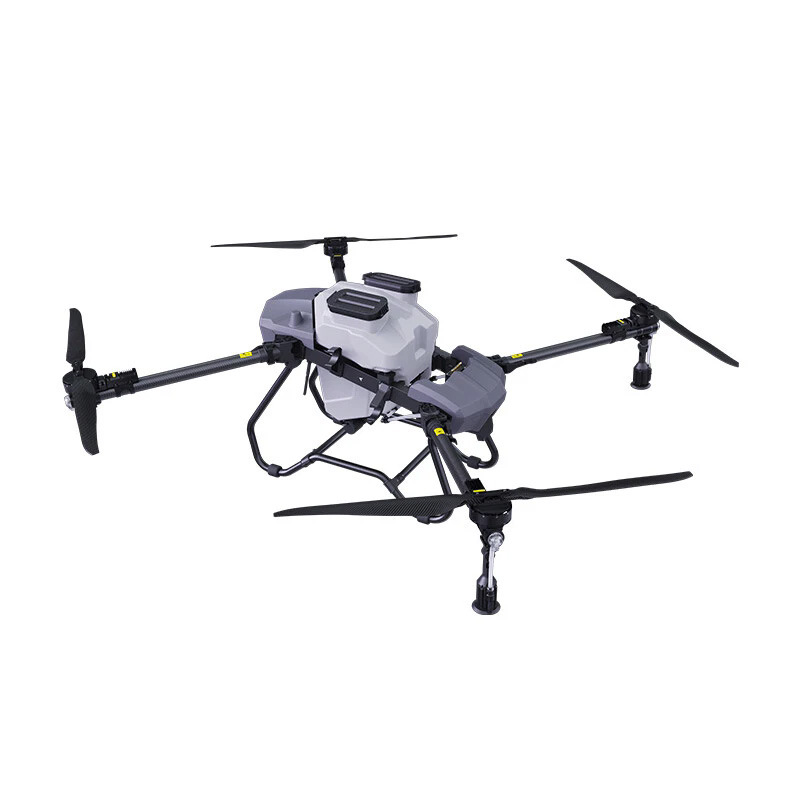

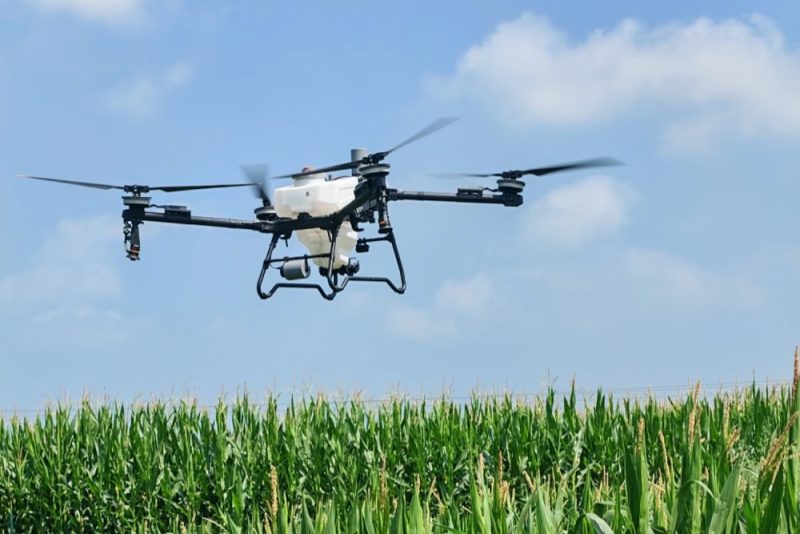
Agricultural drones can significantly improve the efficiency of crop spraying, but simply using a drone does not guarantee excellent results. In actual field operations, some users may experience uneven coverage, excessive spray drift, poor penetration, insufficient application, or wasted agricultural products.
Poor spraying performance is usually caused by a combination of factors, including incorrect flight parameters, unsuitable nozzles, unstable flow rates, weather conditions, improper maintenance, and incorrect operation.
This guide explains the most common reasons why agricultural drone spraying may not achieve the expected results and provides practical solutions for improving application performance.
1. The Flight Height Is Not Suitable
Flight altitude has a direct effect on spray coverage.
If the drone flies too high, the spray droplets may be affected by wind before reaching the crop. This can result in:
-
Spray drift
-
Uneven distribution
-
Reduced application accuracy
-
Increased product waste
If the drone flies too low, the spray pattern may not fully cover the target area.
The ideal flight height depends on:
-
Crop height
-
Nozzle design
-
Spray system
-
Wind conditions
-
Field conditions
Operators should follow the recommended operating range for the specific drone and spraying system.
2. The Flight Speed Is Too Fast
Flight speed can also affect spray performance.
If the drone moves too quickly, the spraying system may not apply enough product to the target area. This can result in insufficient coverage.
If the drone moves too slowly, excessive application may occur.
The correct balance depends on:
-
Flow rate
-
Spray width
-
Product application requirements
-
Crop type
A professional agricultural drone should ideally allow operators to adjust flight speed and application parameters according to actual field conditions.
3. The Spray Flow Rate Is Incorrect
The flow rate determines how much liquid is applied during operation.
If the flow rate is too low:
-
The crop may not receive sufficient coverage
-
The application effect may be reduced
If the flow rate is too high:
-
Product consumption may increase
-
Over-application may occur
-
Spray droplets may become more difficult to control
Operators should check the relationship between:
-
Drone speed
-
Spray width
-
Flow rate
-
Application rate
These parameters should be adjusted together rather than independently.
4. The Nozzles Are Blocked or Damaged
Nozzles are critical components of the spraying system.
During operation, nozzles may become blocked by:
-
Particles in the liquid
-
Agricultural product residue
-
Dirt
-
Improper cleaning
A blocked nozzle may produce an uneven spray pattern.
A damaged nozzle may create:
-
Excessive flow
-
Irregular droplets
-
Uneven coverage
Before each operation, operators should inspect the nozzles and ensure that they are clean and working properly.
Regular cleaning can help maintain consistent spraying performance.
5. The Spray Droplets Are Not Suitable
Droplet size can affect spray coverage and drift.
Very small droplets may be more easily affected by wind.
Larger droplets may reduce drift but may not provide the same level of coverage in certain applications.
The ideal droplet characteristics depend on:
-
Crop type
-
Target area
-
Agricultural product
-
Weather conditions
-
Nozzle configuration
Operators should select suitable nozzles and operating parameters based on the application requirements.
6. Wind Conditions Are Too Strong
Weather is one of the most important factors affecting agricultural drone spraying.
Strong wind may cause:
-
Spray drift
-
Uneven application
-
Reduced target coverage
-
Increased product loss
Even a high-performance agricultural drone may not achieve good spraying results under unsuitable weather conditions.
Before operation, users should evaluate:
-
Wind speed
-
Wind direction
-
Temperature
-
Humidity
-
Rain forecast
Spraying during more stable weather conditions can help improve application consistency.
7. The Drone Is Not Maintaining a Stable Altitude
Altitude stability is particularly important for uniform spraying.
If the drone frequently rises and falls, the distance between the nozzles and the crop can change.
This may lead to:
-
Uneven spray width
-
Different application rates
-
Inconsistent coverage
Terrain-following and altitude control functions can be especially useful in uneven fields and orchards.
However, operators should still confirm that the system is properly configured and calibrated.
8. The Pump Is Not Operating Normally
The pump controls the movement of liquid through the spraying system.
A pump problem may cause:
-
Unstable flow
-
Low pressure
-
Uneven spraying
-
Reduced spray width
Possible causes include:
-
Blockage
-
Wear
-
Insufficient power
-
Improper maintenance
-
Damaged components
If the flow rate changes unexpectedly during operation, the pump and related components should be inspected.
9. The Agricultural Product Is Not Properly Mixed
Some agricultural products may require proper mixing before spraying.
If the liquid is not mixed correctly, particles may settle at the bottom of the tank and affect the spraying system.
This can result in:
-
Blocked nozzles
-
Uneven application
-
Unstable concentration
Operators should follow the product instructions and ensure that the liquid is prepared correctly before filling the drone tank.
10. The Battery Is Low or Performance Is Declining
Battery performance can affect the operation of the entire agricultural drone.
A battery with insufficient power may cause:
-
Reduced flight time
-
Reduced operating efficiency
-
Early return-to-home
-
Unstable operation in certain situations
Battery performance can decline over time due to:
-
Repeated charging cycles
-
Improper storage
-
Excessive heat
-
Long-term use
For professional operations, battery condition should be checked regularly.
11. The Drone Is Overloaded
Operating with a payload above the recommended capacity can affect flight performance.
An overloaded drone may experience:
-
Reduced flight time
-
Higher power consumption
-
Reduced maneuverability
-
Increased motor load
-
Less stable operation
The actual payload should remain within the recommended operating range.
A drone should not be selected solely based on maximum theoretical capacity. Buyers should also consider the payload used during normal agricultural operations.
12. The Spray Width Is Not Properly Calibrated
If the actual spray width is different from the programmed flight path, untreated areas or overlapping applications may occur.
This may result in:
-
Missed areas
-
Repeated spraying
-
Uneven application
-
Increased product consumption
Before large-scale operation, users should verify the actual spray width and adjust the flight route accordingly.
13. The Flight Route Is Not Properly Planned
Poor route planning can reduce efficiency and spraying consistency.
Common problems include:
-
Excessive overlap
-
Missed areas
-
Incorrect turning routes
-
Uneven coverage near field boundaries
A suitable route should consider:
-
Field shape
-
Obstacles
-
Wind direction
-
Crop rows
-
Takeoff and landing areas
Proper planning can help reduce unnecessary flight time and improve the overall quality of the operation.
14. Orchard Spraying Requires Different Operating Methods
Orchard spraying can be more difficult than spraying flat farmland.
Trees may have:
-
Dense canopies
-
Different heights
-
Uneven spacing
-
Complex terrain
If the drone flies too high, spray may not reach the target area effectively.
If it flies too low or too close, the airflow may not provide the desired coverage.
For orchard operations, operators may need to adjust:
-
Flight altitude
-
Speed
-
Spray flow
-
Flight route
-
Operating direction
The correct settings depend on the type and structure of the orchard.
15. Poor Maintenance Can Reduce Spraying Performance
Regular maintenance is essential for agricultural drones.
Important maintenance tasks include:
-
Cleaning the tank
-
Cleaning nozzles
-
Checking pumps
-
Inspecting pipes
-
Checking propellers
-
Inspecting motors
-
Checking batteries
-
Updating necessary software
-
Inspecting the frame
A small problem in one component can affect the entire spraying system.
Regular maintenance can help reduce unexpected downtime during important agricultural seasons.
How to Improve Agricultural Drone Spraying Performance
A practical improvement process can include the following steps.
Step 1: Check the Weather
Avoid operating under unsuitable wind or rain conditions.
Step 2: Inspect the Drone
Check the battery, motors, propellers, pump, pipes, and nozzles.
Step 3: Confirm the Liquid Preparation
Make sure the agricultural product is properly prepared and mixed.
Step 4: Calibrate the Spraying System
Check the flow rate and spray pattern.
Step 5: Set the Correct Flight Parameters
Adjust:
-
Flight altitude
-
Flight speed
-
Flow rate
-
Spray width
Step 6: Conduct a Small Test
Before treating a large area, perform a small test operation.
Check whether the spray is:
-
Even
-
Stable
-
Properly distributed
Step 7: Adjust Based on Field Conditions
The same settings may not work equally well in every field.
Adjust the operating parameters according to crop height, terrain, wind, and other conditions.
Frequently Asked Questions
Why is my agricultural drone spraying unevenly?
Possible causes include blocked nozzles, incorrect flight speed, unsuitable altitude, unstable flow rate, or improper spray width settings.
Why is the spray drifting away from the crop?
Strong wind, very small droplets, excessive flight altitude, or unsuitable operating conditions may cause spray drift.
Why is the agricultural drone using too much liquid?
Possible reasons include excessive flow rate, incorrect calibration, excessive overlap, or an unsuitable flight route.
How can I improve spraying coverage?
Check the nozzle system, adjust flight altitude and speed, calibrate the flow rate, and operate under suitable weather conditions.
Why is spraying performance different between fields?
Different crops, terrain, weather conditions, crop heights, and field layouts may require different operating parameters.
How often should the spraying system be maintained?
The spraying system should be inspected regularly, especially before and after intensive agricultural operations. Nozzles, pumps, pipes, and tanks should be cleaned and checked as needed.
Final Thoughts
Poor agricultural drone spraying performance is usually not caused by one single factor. Flight altitude, speed, flow rate, nozzle condition, weather, battery performance, payload, route planning, and maintenance can all affect the final result.
The best way to improve spraying performance is to evaluate the complete operating system rather than focusing on only one component.
Before each operation, check the drone, spraying system, agricultural product, battery, and weather conditions. During operation, monitor the spray pattern and make adjustments when necessary.
With the right equipment configuration and proper operating methods, agricultural drones can provide more consistent and efficient spraying performance for a wide range of farming applications.
THE END


No comments yet