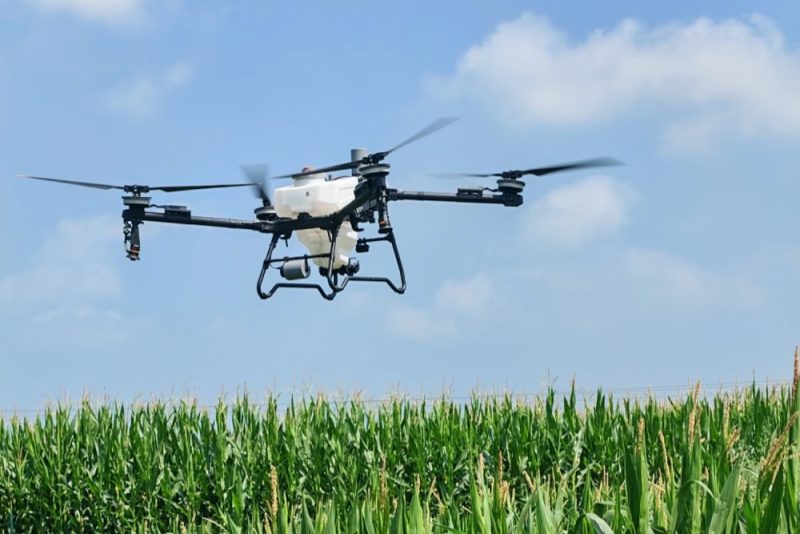




China has become one of the world’s leading suppliers of crop spraying drones, offering advanced technology, competitive pricing, and flexible OEM solutions for distributors, agricultural companies, and commercial farms. However, choosing the right drone is not simply about finding the lowest price. A well-informed purchasing decision can reduce maintenance costs, improve spraying efficiency, and provide better long-term value.
Before placing an order, every buyer should ask the right questions. This guide highlights the ten most important questions to help you select a reliable crop spraying drone from China.
1. What Is the Drone’s Payload Capacity?
Payload capacity determines how much liquid the drone can carry in a single flight. Common options include:
-
10L–20L for small farms
-
30L for medium-sized operations
-
40L–50L for large commercial farms
-
60L or more for extensive agricultural projects
Selecting the correct capacity helps improve efficiency while reducing refill frequency.
2. Which Crops Is the Drone Designed For?
Different crops require different spraying methods. Ask whether the drone has been tested on:
-
Rice
-
Wheat
-
Corn
-
Cotton
-
Soybeans
-
Tea plantations
-
Orchards
-
Vineyards
-
Vegetables
A drone optimized for your target crops will provide better spraying performance and coverage.
3. What Flight Time Can I Expect?
Flight time depends on payload, battery capacity, weather conditions, and operating speed.
Ask about:
-
Flight time with a full tank
-
Flight time without payload
-
Battery charging time
-
Number of batteries recommended for continuous operation
Efficient battery management is essential for maximizing daily productivity.
4. Does the Drone Support Intelligent Flight Features?
Modern crop spraying drones should include advanced automation to improve accuracy and reduce operator workload.
Look for features such as:
-
Automatic route planning
-
Terrain following
-
Obstacle avoidance
-
One-click takeoff and landing
-
Return-to-home
-
Autonomous spraying missions
These functions increase efficiency and improve spraying consistency.
5. What Safety Features Are Included?
Safety should always be a priority.
Ask whether the drone includes:
-
Low battery warnings
-
Radar obstacle detection
-
GPS positioning
-
Signal loss protection
-
Emergency landing mode
-
Motor status monitoring
Reliable safety systems help protect both equipment and operators.
6. Are Spare Parts Easily Available?
Agricultural drones operate in demanding environments and require routine maintenance.
Confirm that the manufacturer can quickly supply:
-
Propellers
-
Motors
-
Pumps
-
Nozzles
-
Batteries
-
Chargers
-
Landing gear
-
Electronic components
Fast access to spare parts minimizes downtime during the farming season.
7. Does the Manufacturer Provide Technical Support?
Strong after-sales service is essential, especially for first-time buyers.
Ask whether technical support includes:
-
Online troubleshooting
-
Video tutorials
-
Maintenance manuals
-
Remote software updates
-
Pilot training
-
Warranty services
Responsive support helps solve problems quickly and keeps operations running smoothly.
8. Can the Drone Be Customized?
If you are a distributor or brand owner, OEM and ODM services can add significant value.
Possible customization options include:
-
Custom logo
-
Private label packaging
-
Product color
-
User manuals
-
Software branding
-
Marketing materials
Customized products help strengthen your brand identity in local markets.
9. What Certifications Does the Drone Have?
Certification requirements vary by country.
Common certifications include:
-
CE
-
FCC
-
RoHS
-
ISO quality management
-
Battery transportation compliance
Request documentation before placing an order to ensure smooth customs clearance and regulatory compliance.
10. What Is the Total Cost of Ownership?
The purchase price is only one part of the overall investment.
Also consider:
-
Batteries
-
Chargers
-
Spare parts
-
Maintenance
-
Shipping costs
-
Import duties
-
Operator training
-
Software updates
A higher-quality drone may cost more initially but often delivers lower operating costs and greater reliability over time.
Tips for Choosing the Right Supplier
A reliable supplier should offer:
-
Professional manufacturing experience
-
Stable product quality
-
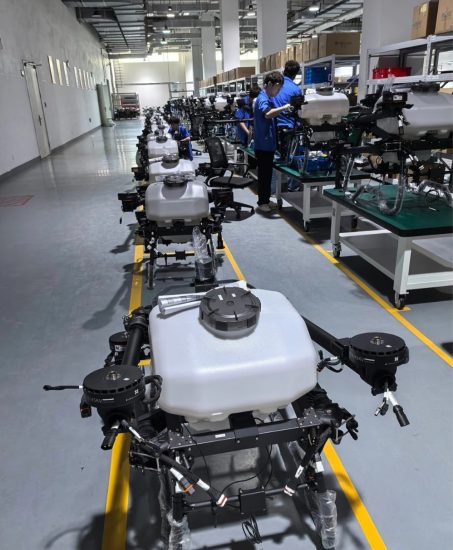
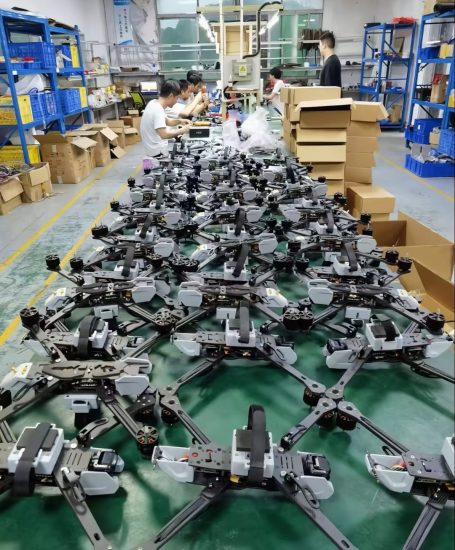
Strict quality control
-
Fast production
-
Global export experience
-
Comprehensive technical support
-
Long-term spare parts availability
Building a long-term partnership with a dependable manufacturer is often more valuable than selecting the lowest-priced option.
Conclusion
Buying a crop spraying drone from China can be an excellent investment when you choose the right manufacturer and ask the right questions. By carefully evaluating payload capacity, intelligent flight features, safety systems, certifications, customization options, after-sales service, and total ownership costs, you can make a confident purchasing decision that supports your business for years to come.
Whether you are an agricultural distributor, commercial farm, or equipment importer, taking the time to compare suppliers and understand your operational needs will help you achieve better productivity, lower maintenance costs, and higher customer satisfaction.
Frequently Asked Questions
How do I choose the right crop spraying drone?
Evaluate your farm size, crop type, payload requirements, battery performance, automation features, and the manufacturer’s technical support before making a purchase.
Are Chinese crop spraying drones reliable?
Many Chinese manufacturers produce high-quality agricultural drones with advanced technology, international certifications, and global export experience. Choosing an experienced supplier is the key.
What payload size is most popular?
For many commercial farms, 30L and 50L models provide an excellent balance of spraying efficiency, flight time, and operating cost.
Can I order drones with my own brand?
Yes. Many manufacturers offer OEM and private-label services, including custom logos, packaging, manuals, and software branding.
Why is after-sales support important?
Reliable technical support, spare parts availability, and software updates help minimize downtime and ensure long-term performance in demanding agricultural environments.
THE END


No comments yet