

Pesticide expenses account for a significant portion of modern farming costs. In addition to the price of chemicals, farmers must also consider labor, fuel, equipment maintenance, and crop losses caused by uneven spraying. Advanced agricultural spraying drones provide a practical solution by improving application accuracy, reducing waste, and increasing operational efficiency.
This guide explains how smart spraying drones help lower pesticide costs while maintaining effective crop protection.
Why Pesticide Costs Continue to Rise
Farmers around the world face increasing production expenses due to:
- Higher pesticide prices
- Labor shortages
- Rising fuel costs
- Stricter environmental regulations
- Increasing demand for higher crop yields
Traditional spraying methods often result in chemical waste, uneven coverage, and unnecessary repeat applications. Precision drone spraying helps solve these problems.
How Agricultural Spraying Drones Reduce Pesticide Costs
1. Precision Spraying Reduces Chemical Waste
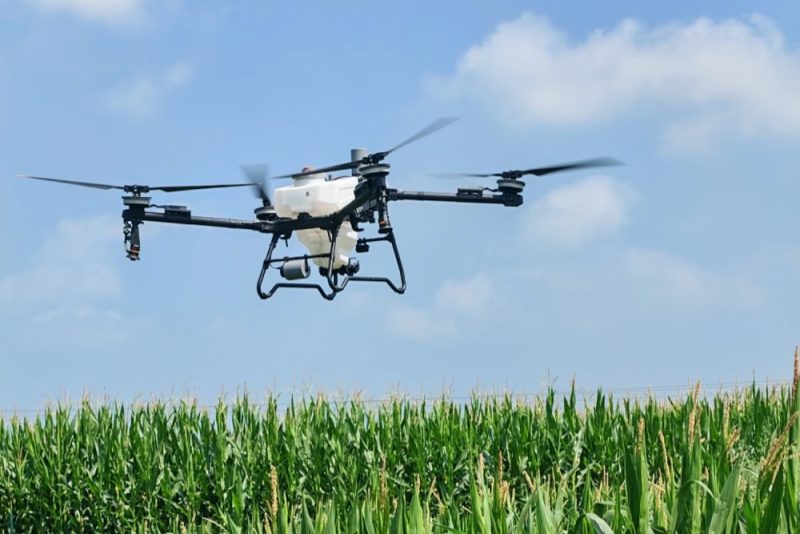
Advanced spraying drones use GPS positioning, intelligent flight control, and automatic route planning to maintain accurate spray paths. This minimizes overlaps and missed areas, ensuring pesticides are applied only where needed.
2. Uniform Droplet Distribution
A high-quality spraying system delivers consistent droplet sizes and even coverage across crops. Better coverage improves pest and disease control while reducing the amount of pesticide required.
3. Adjustable Spray Flow
Modern agricultural drones allow operators to adjust spray flow rates based on crop type, plant density, and field conditions. This flexibility helps avoid over-application and lowers chemical consumption.
4. Faster Field Coverage
Compared with manual spraying, drones can complete spraying tasks much more quickly. Faster operations reduce labor costs and allow farmers to treat crops at the optimal time.
5. Access Difficult Farmland
Agricultural drones can easily operate in:
- Rice fields
- Tea plantations
- Vineyards
- Orchards
- Mountain farms
- Terraced fields
- Wetlands
- Vegetable farms
These areas are difficult for tractors or large spraying equipment, reducing the need for additional machinery.
Additional Cost Savings
Using advanced crop spraying drones can also help reduce:
- Labor expenses
- Fuel consumption
- Machinery maintenance costs
- Water usage
- Crop damage caused by heavy equipment
- Repeated spraying due to missed areas
Over time, these savings can significantly improve farm profitability.
Features That Improve Spraying Efficiency
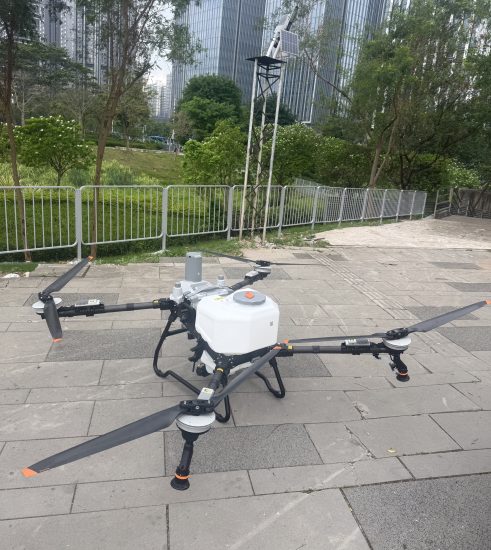
When selecting a professional agricultural spraying drone, look for features such as:
- High-precision GPS navigation
- Intelligent flight planning
- Terrain following
- Automatic obstacle avoidance
- Adjustable spray rate
- High-capacity intelligent batteries
- Foldable carbon fiber frame
- Brushless motors
- Real-time flight monitoring
- Automatic return-to-home function
These technologies improve efficiency while reducing operating costs.
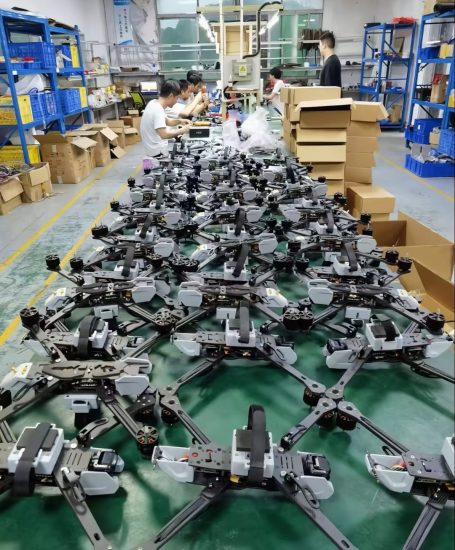
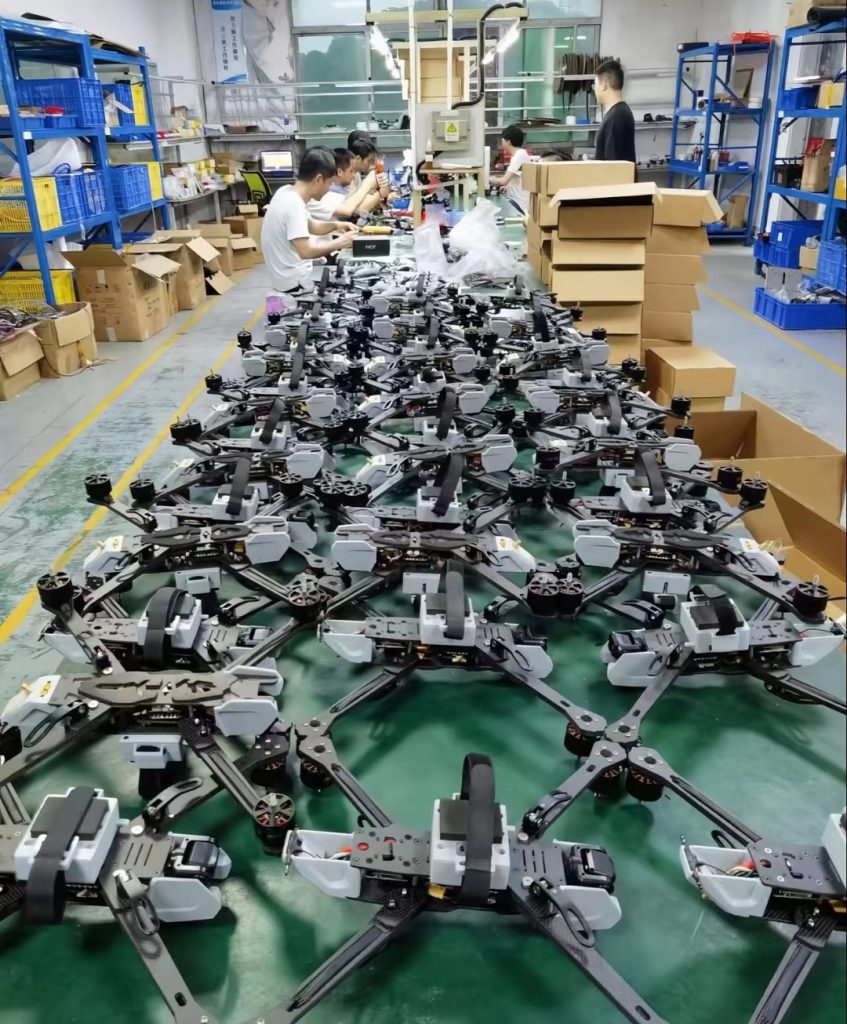
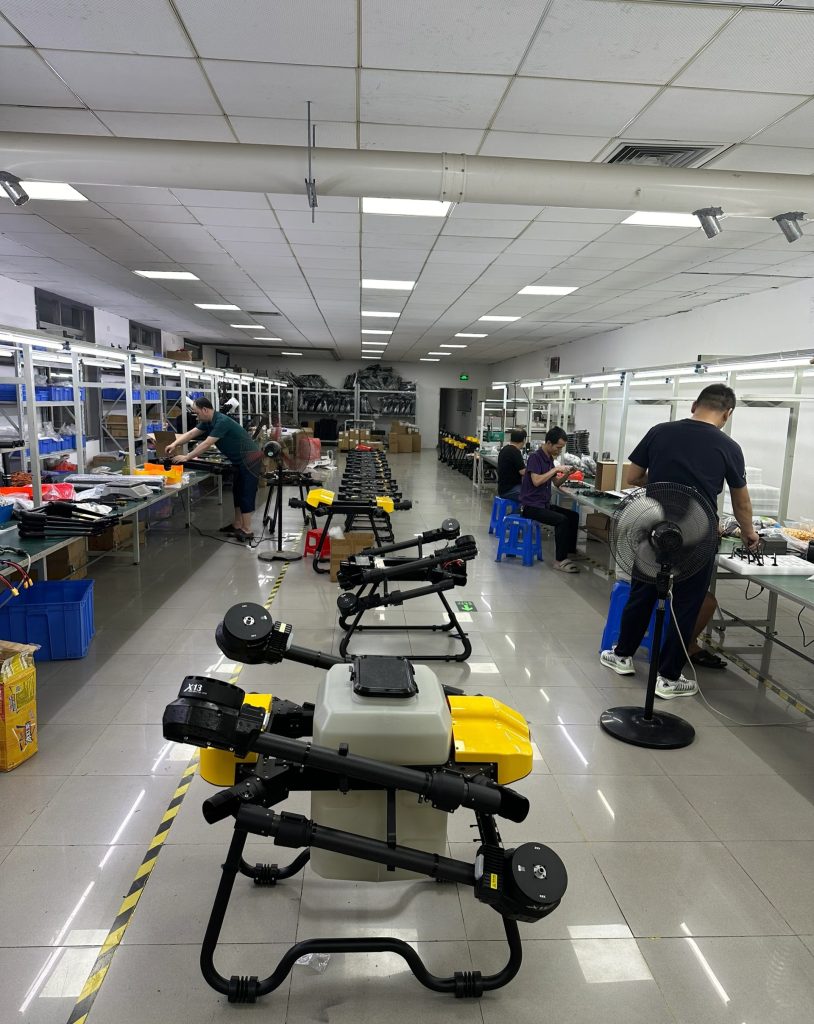
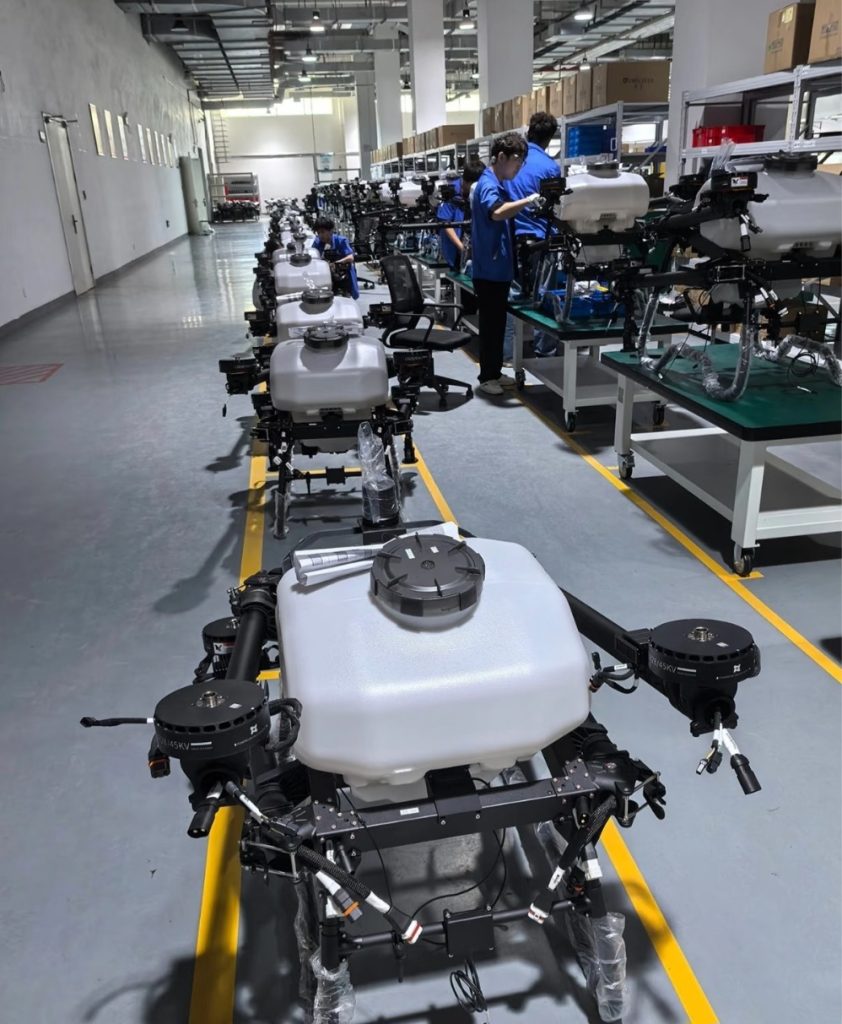
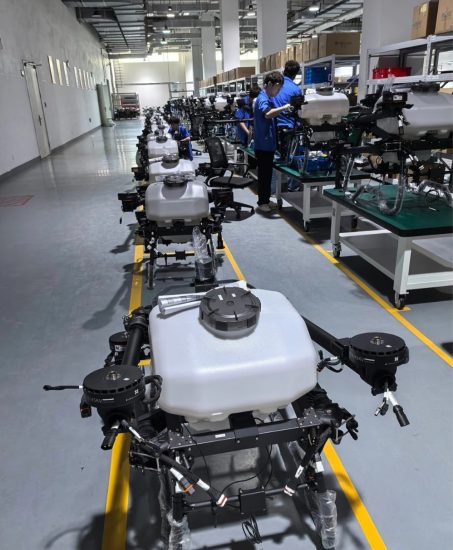
Choosing a Reliable Agricultural Spraying Drone Manufacturer
A trusted manufacturer offers more than quality equipment. Look for suppliers that provide:
- Factory-direct pricing
- OEM and ODM services
- Quality control
- Spare parts availability
- Technical support
- Software updates
- Operator training
- Warranty service
Reliable after-sales support helps maximize the return on your investment.
Industries and Crops
Agricultural spraying drones are widely used for:
- Rice
- Wheat
- Corn
- Soybeans
- Cotton
- Sugarcane
- Coffee plantations
- Tea gardens
- Vineyards
- Citrus orchards
- Vegetable farms
- Forestry pest control
Different crops require different spraying settings, making adjustable systems especially valuable.
Tips for Maximizing Pesticide Savings
To achieve the best results:
- Calibrate the spraying system regularly.
- Use the correct nozzle for each application.
- Follow recommended flight speed and altitude.
- Plan flight routes carefully.
- Monitor weather conditions before spraying.
- Maintain batteries and pumps properly.
- Perform routine inspections before each flight.
Following these practices helps improve spraying accuracy and reduce unnecessary chemical use.
FAQ
How much pesticide can a spraying drone save?
The exact savings depend on crop type, field conditions, spraying settings, and operator experience. Precision application can significantly reduce chemical waste compared with traditional spraying methods.
Can spraying drones reduce labor costs?
Yes. One trained operator can often complete work that would otherwise require several workers, helping farms lower labor expenses and improve efficiency.
Are agricultural spraying drones suitable for small farms?
Yes. Spraying drones are available in different payload capacities, making them suitable for both small family farms and large commercial agricultural operations.
Can drones spray both pesticides and liquid fertilizers?
Yes. Most professional agricultural spraying drones support pesticides, herbicides, fungicides, foliar fertilizers, liquid nutrients, and other approved agricultural liquids.
What should I consider before purchasing a spraying drone?
Key factors include payload capacity, battery performance, spraying system quality, GPS accuracy, safety features, spare parts availability, technical support, and the manufacturer’s experience.
Why buy directly from a spraying drone manufacturer?
Buying directly from a manufacturer offers competitive pricing, OEM customization, stable product quality, professional technical support, reliable spare parts supply, and long-term after-sales service, making it a cost-effective choice for distributors and commercial farms.


No comments yet