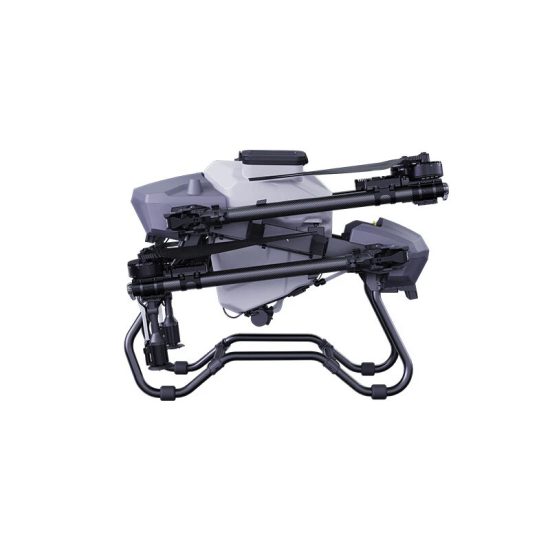


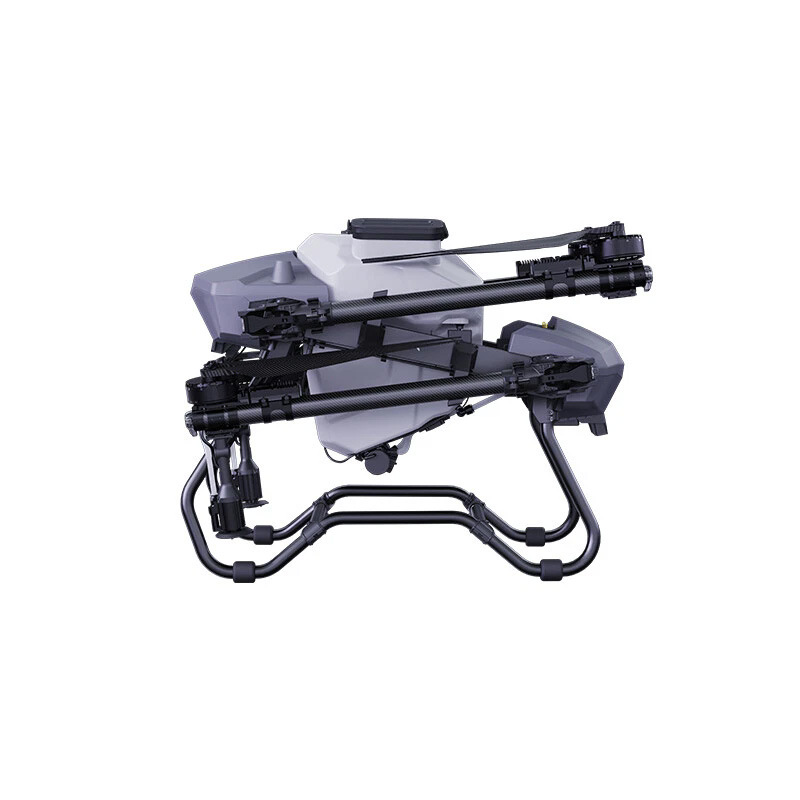
Buying an agricultural spraying drone is an important investment for farmers, agricultural service providers, distributors, and agricultural businesses. With many different models and configurations available, choosing the right product requires more than simply comparing prices.
Before placing an order, buyers should carefully evaluate the drone’s capacity, spraying system, battery performance, flight control, safety features, spare parts, technical support, and total operating cost.
This guide explains the most important factors to check before buying an agricultural spraying drone.
1. Check the Payload Capacity
The first thing to check is the drone’s tank capacity.
Different agricultural operations may require different capacities. A smaller drone may be suitable for small farms and complex terrain, while a larger-capacity drone may be more suitable for large farms and professional spraying services.
Consider:
- Farm size
- Daily spraying area
- Crop type
- Distance between fields
- Frequency of refilling
Do not choose a drone simply because it has the largest tank. The capacity should match your actual operating requirements.
2. Check the Actual Flight Time
Flight time is an important factor in agricultural drone operations.
However, the advertised flight time may not always represent actual working conditions.
Flight time can be affected by:
- Payload
- Battery capacity
- Wind
- Flight speed
- Terrain
- Temperature
When evaluating a drone, ask for realistic flight performance under normal agricultural conditions.
You should also ask:
- How long can the drone operate with a full tank?
- How long does one battery last?
- How many batteries are recommended for daily operations?
This information can help you estimate actual productivity.
3. Evaluate the Battery System
The battery is one of the most important components of an agricultural drone.
Before buying, check:
- Battery capacity
- Charging time
- Battery lifespan
- Battery safety
- Replacement cost
- Battery availability
Professional operators may need multiple batteries to maintain continuous operation.
The charging system is also important. A fast and reliable charger can help reduce downtime during long working days.
4. Check the Spraying System
The spraying system directly affects agricultural work quality.
Important factors include:
- Pump performance
- Spray flow rate
- Number of nozzles
- Spray width
- Droplet size
- Flow control
A suitable spraying system should provide stable and consistent coverage.
Different crops may require different spraying methods. Therefore, buyers should select a configuration according to the actual application.
5. Check Spraying Efficiency
A drone’s spraying efficiency depends on more than tank capacity.
Important factors include:
- Flight speed
- Spray width
- Flow rate
- Battery endurance
- Refilling time
- Field conditions
A larger tank does not always mean higher efficiency.
The complete workflow should be evaluated.
For example, a drone that sprays efficiently but requires a long battery charging time may not provide the expected daily productivity.
6. Evaluate Flight Control and Automation
Modern agricultural drones may include different intelligent functions.
These may include:
- Automatic route planning
- GPS positioning
- Return-to-home
- Obstacle detection
- Terrain following
- Flight path recording
These functions can make operation easier and improve safety.
For new operators, simple and intuitive controls can be particularly important.
For professional agricultural service providers, advanced automation may help improve consistency and productivity.
7. Check Safety Features
Safety should be a major consideration before purchasing an agricultural drone.
Ask whether the drone includes features such as:
- Low-battery warnings
- Signal-loss protection
- Automatic return
- Obstacle detection
- Emergency landing functions
The drone should also be operated according to local regulations and safety requirements.
Operators should receive appropriate training before using the equipment in agricultural areas.
8. Check the Drone’s Durability
Agricultural drones may operate in challenging outdoor conditions.
They may be exposed to:
- Dust
- Moisture
- Wind
- Agricultural liquids
- Frequent transportation
- Long working hours
Therefore, buyers should evaluate the overall durability of the drone.
Important components include:
- Frame
- Motors
- Propellers
- Pumps
- Battery connectors
- Electronic systems
A durable design can help reduce maintenance and replacement costs over time.
9. Check Spare Parts Availability
Before buying an agricultural drone, ask whether spare parts are readily available.
Common replacement parts may include:
- Propellers
- Motors
- Pumps
- Nozzles
- Batteries
- Chargers
- Landing components
A reliable spare-parts supply can help reduce downtime.
For international buyers, it is useful to understand how spare parts can be ordered and delivered after the initial purchase.
10. Check Warranty and Technical Support
A professional agricultural drone is a complex system.
Buyers may need support with:
- Installation
- Operation
- Software
- Maintenance
- Troubleshooting
Before placing an order, ask about:
- Warranty period
- Warranty coverage
- Technical support
- Training
- Remote assistance
Good technical support can help operators solve problems more efficiently.
11. Check Whether the Product Is Suitable for Your Crops
Different crops may require different spraying methods.
Before choosing a drone, consider:
- Crop height
- Crop density
- Field size
- Terrain
- Required spraying volume
A drone suitable for open field crops may not be the best option for orchards or mountainous farmland.
Always choose a product based on the actual working environment.
12. Check the Total Purchase Cost
The product price is only one part of the total investment.
Other costs may include:
- Additional batteries
- Chargers
- Spare parts
- Transportation
- Import duties
- Local taxes
- Maintenance
Before making a decision, calculate the expected total cost.
This helps you compare different configurations more accurately.
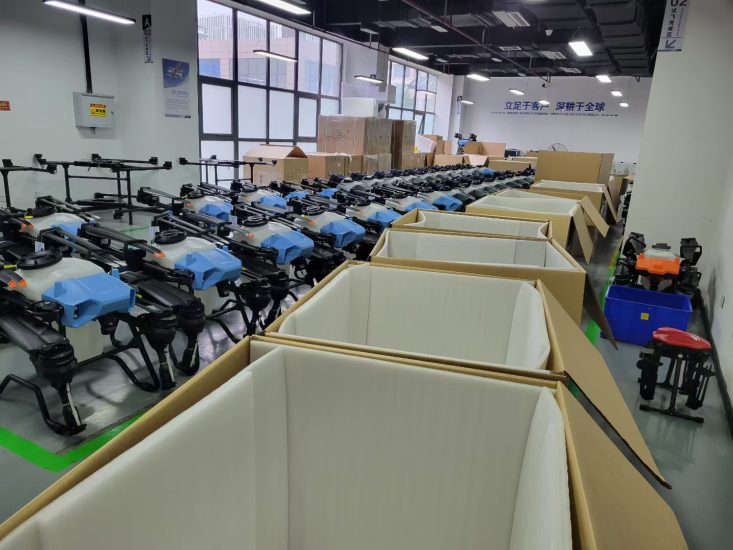
13. Check the Supplier’s Production Capability
If you are buying for distribution or long-term business cooperation, supplier capability is important.
Consider:
- Production capacity
- Product development
- Quality control
- Delivery capability
- Technical team
- OEM support
A supplier that can provide stable long-term support may be more suitable than a supplier offering only a low initial price.
14. Check OEM and Customization Options
For distributors and businesses developing their own product line, OEM services may be important.
Possible customization options may include:
- Logo
- Packaging
- Product labels
- User manuals
- Language
- Appearance
Before discussing customization, clearly explain your requirements and expected quantity.
This can help the supplier provide a more accurate proposal.
15. Check Export and Shipping Requirements
Agricultural drones may contain batteries and electronic components that require special transportation arrangements.
Before ordering internationally, check:
- Product documentation
- Battery information
- Packaging
- Shipping method
- Import requirements
Buyers should also confirm the regulations in their destination country.
16. Questions to Ask Before Buying
Before purchasing, ask:
- What is the recommended farm size?
- What is the payload capacity?
- What is the actual flight time?
- How many batteries are included?
- How long does charging take?
- What is the spraying width?
- What crops is the drone suitable for?
- Are spare parts available?
- What warranty is provided?
- Is technical support available?
- Can OEM customization be provided?
- What is the production lead time?
- What is the estimated shipping cost?
The answers can help you make a more informed purchasing decision.
Final Agricultural Drone Buying Checklist
Before placing an order, check:
- [ ] Payload capacity
- [ ] Actual flight time
- [ ] Battery performance
- [ ] Charging system
- [ ] Spraying system
- [ ] Working efficiency
- [ ] Safety features
- [ ] Durability
- [ ] Spare parts
- [ ] Warranty
- [ ] Technical support
- [ ] OEM options
- [ ] Shipping requirements
- [ ] Total cost
Request a Suitable Agricultural Spraying Drone
Choosing the right agricultural spraying drone requires careful evaluation of your actual requirements.
The best product should match your farm size, crops, terrain, daily workload, budget, and future business plans.
If you are unsure which configuration is suitable, provide information about your crop type, farm size, required spraying area, destination country, and estimated order quantity.
A suitable agricultural drone configuration can then be recommended according to your specific application.
Request agricultural drone specifications, configuration advice, and a quotation for your business.


No comments yet