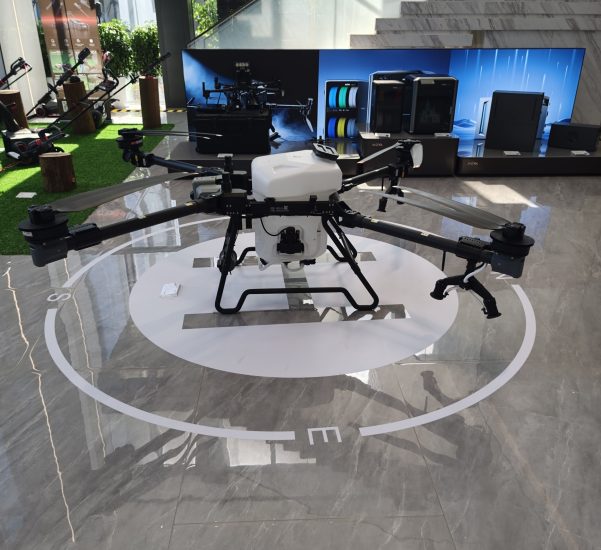



Exporting agricultural spraying drones requires more than simply packaging the aircraft and shipping it to another country. Because an agricultural spraying drone combines an unmanned aircraft, radio communication equipment, batteries, chargers, and agricultural spraying equipment, different parts of the product may be subject to different transportation, customs, aviation, and market-access requirements.
The exact requirements vary by destination country, drone configuration, battery type, shipping method, and intended use.
For manufacturers, exporters, distributors, and overseas buyers, understanding the documentation process before shipment can reduce customs delays and avoid unnecessary compliance problems.
This guide explains the major documents and compliance areas that should be checked when exporting agricultural spraying drones internationally.
1. Why Export Documentation Matters
An agricultural spraying drone normally contains several components that may attract regulatory attention:
-
Unmanned aircraft
-
Flight controller
-
Radio communication equipment
-
Lithium batteries
-
Battery charger
-
Motors
-
Propellers
-
Spray pump
-
Spray tank
-
Nozzles
-
Remote controller
Each component may have different transportation or market requirements.
A shipment can therefore require more documentation than an ordinary agricultural machine.
Before accepting an international order, the exporter should confirm the destination country’s requirements and the transportation company’s requirements.
2. The Destination Country Determines Many Requirements
There is no single worldwide certification that automatically allows an agricultural spraying drone to operate in every country.
Requirements may depend on:
-
Destination country
-
Intended application
-
Drone weight
-
Radio frequency
-
Battery specifications
-
Commercial or private operation
-
Flight environment
-
Agricultural chemical regulations
For example, a drone that is legally sold in one country may require additional registration, radio approval, operator qualifications, or operational authorization in another country.
Therefore, buyers should check local aviation and agricultural regulations before importing equipment.
3. Commercial Invoice
A commercial invoice is one of the basic documents used in international trade.
It normally includes information such as:
-
Exporter
-
Buyer
-
Product description
-
Quantity
-
Unit price
-
Total value
-
Currency
-
Country of origin
-
Trade terms
-
Invoice number
The product description should be accurate and consistent with the actual goods.
For an agricultural spraying drone shipment, the invoice should clearly identify the product rather than using an overly vague description.
4. Packing List
The packing list provides details about how the goods are packed.
It may include:
-
Number of packages
-
Package dimensions
-
Gross weight
-
Net weight
-
Product quantity
-
Package contents
-
Battery quantity
-
Serial numbers where applicable
For large agricultural drones, accurate package dimensions and weights are particularly important because they affect transportation costs.
5. Air Waybill or Bill of Lading
The transport document depends on the shipping method.
For air transportation, an Air Waybill (AWB) is commonly used.
For ocean transportation, a Bill of Lading (B/L) is generally used.
The transport document normally contains information about:
-
Shipper
-
Consignee
-
Carrier
-
Cargo description
-
Number of packages
-
Weight
-
Routing
The information should be consistent with the commercial invoice and packing list.
6. Lithium Battery Documentation
Battery documentation is one of the most important issues when exporting agricultural spraying drones.
Many agricultural drones use rechargeable lithium batteries, which can be regulated as dangerous goods during transportation.
Depending on the battery type and transport method, additional documentation and packaging requirements may apply.
Buyers and exporters may need to provide information such as:
-
Battery type
-
Battery chemistry
-
Watt-hour rating
-
Battery quantity
-
Packing method
-
Test documentation
-
Dangerous-goods information
The exact requirements depend on the battery specification and shipping method.
7. UN 38.3 Test Requirements for Lithium Batteries
Lithium batteries transported internationally are commonly subject to UN 38.3 testing requirements.
The UN 38.3 test framework is designed to evaluate whether lithium battery cells and batteries can withstand conditions associated with transportation.
Depending on the shipment, buyers or carriers may request relevant test documentation.
For an agricultural drone exporter, it is important to confirm that the battery model being shipped matches the documentation.
The battery model, specifications, and test records should not be treated as interchangeable between different products.
8. Safety Data Sheet and Battery Information
Depending on the carrier and shipment requirements, additional battery information or safety documentation may be requested.
A supplier should be able to provide accurate technical information for the actual battery being shipped.
Important information may include:
-
Battery model
-
Nominal voltage
-
Capacity
-
Watt-hour rating
-
Cell chemistry
-
Manufacturer
-
Weight
-
Packaging information
The information should be consistent across the product label, technical documentation, and shipping paperwork.
9. Dangerous Goods Requirements
When lithium batteries are shipped by air, dangerous-goods regulations can apply.
Depending on the battery configuration and packaging arrangement, the shipment may require:
-
Special packaging
-
Battery labels
-
Handling labels
-
Dangerous-goods declaration
-
Qualified shipper
-
Carrier approval
-
Additional transport documentation
The exact requirements should be confirmed with the airline, freight forwarder, or dangerous-goods specialist before shipment.
Do not assume that every drone shipment can be transported under ordinary cargo procedures.
10. Radio and Wireless Equipment Compliance
Agricultural drones communicate with remote controllers through wireless systems.
Depending on the destination market, radio-frequency equipment may require local approval or conformity assessment.
Relevant equipment may include:
-
Remote controller
-
Radio transmitter
-
Communication module
-
Wi-Fi module
-
Other wireless devices
The required certification varies by country.
For exporters, it is important to identify the radio modules used in the final product before determining the applicable market-access requirements.
11. CE Marking for the European Market
For products placed on the European market, certain applicable EU product legislation may require CE marking.
However, CE marking is not a single universal certification specifically for agricultural drones.
Depending on the product configuration, different EU legal requirements may apply to different components or functions.
Potential areas can include:
-
Radio equipment
-
Electromagnetic compatibility
-
Electrical equipment
-
Machinery-related requirements
-
Battery-related requirements
The manufacturer should determine which legislation applies to the specific product and prepare the appropriate technical documentation and EU Declaration of Conformity where required.
Buyers should not rely solely on a CE logo without checking the supporting documentation.
12. FCC Requirements for the United States
For products containing radio-frequency equipment intended for the United States, applicable FCC requirements may need to be considered.
The exact compliance route depends on the wireless technology and equipment configuration.
Exporters should identify:
-
Radio module
-
Frequency bands
-
Transmitter specifications
-
Antenna configuration
-
Applicable FCC authorization
If the drone is intended for commercial sale in the United States, the importer and manufacturer should verify the relevant requirements before shipment.
13. Drone Registration and Operation
Importing a drone and legally operating a drone are not necessarily the same thing.
A country may allow the product to be imported while requiring additional registration or authorization before it can be flown.
Requirements may depend on:
-
Drone weight
-
Commercial use
-
Flight location
-
Pilot qualification
-
Operating altitude
-
Agricultural application
-
Local aviation rules
For commercial agricultural operations, buyers should verify local requirements before starting field operations.
14. Agricultural Chemical Regulations
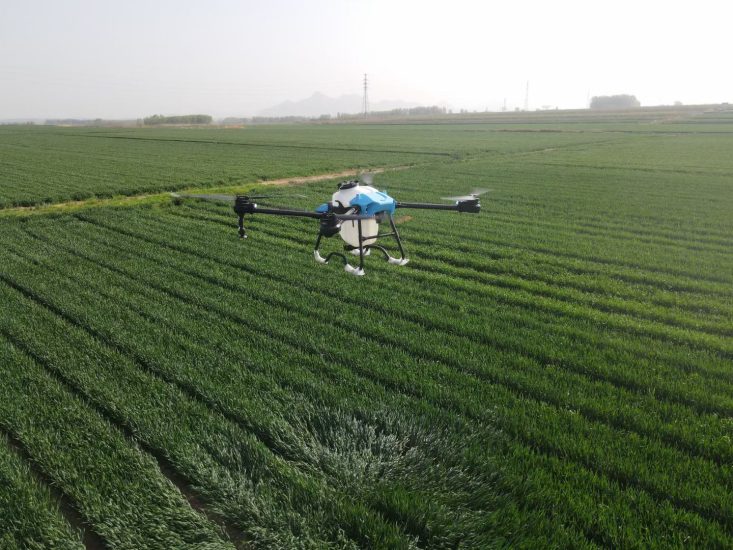
An agricultural spraying drone is different from an ordinary photography drone because it is designed to apply agricultural chemicals.
The drone itself may be subject to aviation regulations, while the agricultural chemical application may be subject to separate agricultural regulations.
These can involve:
-
Pesticide application rules
-
Operator training
-
Chemical handling
-
Buffer zones
-
Environmental protection
-
Crop restrictions
-
Recordkeeping
The drone manufacturer should not be assumed to provide regulatory approval for the chemicals used by the customer.
The operator remains responsible for following applicable local requirements.
15. Certificate of Origin
A Certificate of Origin may be required depending on the destination country, customs procedure, or trade agreement.
It generally identifies where the goods originate.
The exact requirements vary by country and customs authority.
For exporters, it is important that the origin information is consistent with the commercial invoice and other customs documents.
16. Product Technical Specification Sheet
A professional agricultural drone exporter should provide a detailed technical specification sheet.
It may include:
-
Model number
-
Dimensions
-
Empty weight
-
Maximum takeoff weight
-
Payload
-
Tank capacity
-
Battery specifications
-
Flight time
-
Spray width
-
Pump flow
-
Nozzle configuration
-
Operating temperature
-
Navigation system
-
Communication system
This document can help importers, customs brokers, distributors, and regulators understand the product.
17. User Manual
A user manual should explain how to operate and maintain the drone safely.
It may cover:
-
Assembly
-
Battery installation
-
Controller operation
-
Flight preparation
-
Spraying-system setup
-
Calibration
-
Cleaning
-
Maintenance
-
Storage
-
Emergency procedures
For international markets, manuals may need to be provided in the appropriate language depending on local requirements.
18. Warranty Documentation
International buyers should receive clear warranty terms.
The warranty should specify:
-
Warranty period
-
Covered components
-
Excluded damage
-
Repair procedure
-
Replacement policy
-
Shipping responsibilities
-
Technical support process
This is especially important for distributors purchasing agricultural drones in commercial quantities.
19. Serial Numbers and Product Identification
Each drone and battery should have clear product identification where appropriate.
Useful identification information may include:
-
Model number
-
Serial number
-
Battery serial number
-
Manufacturing date
-
Electrical specifications
-
Manufacturer information
Accurate identification makes after-sales service, warranty claims, and maintenance easier.
20. Packaging Requirements
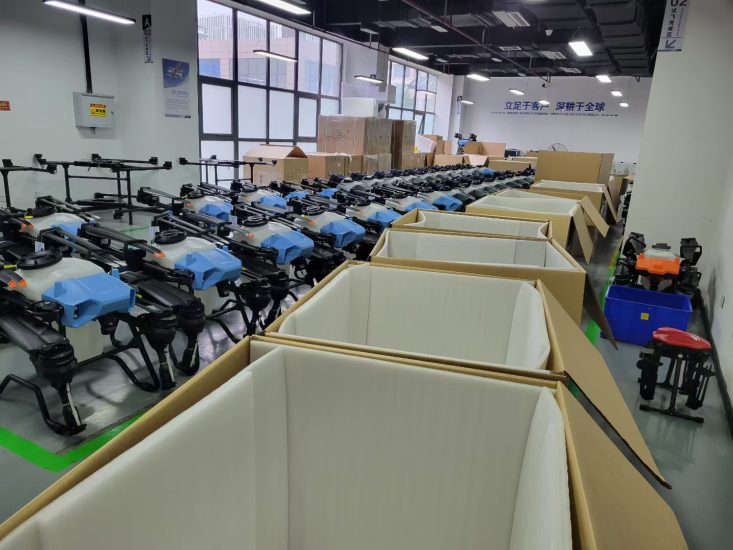
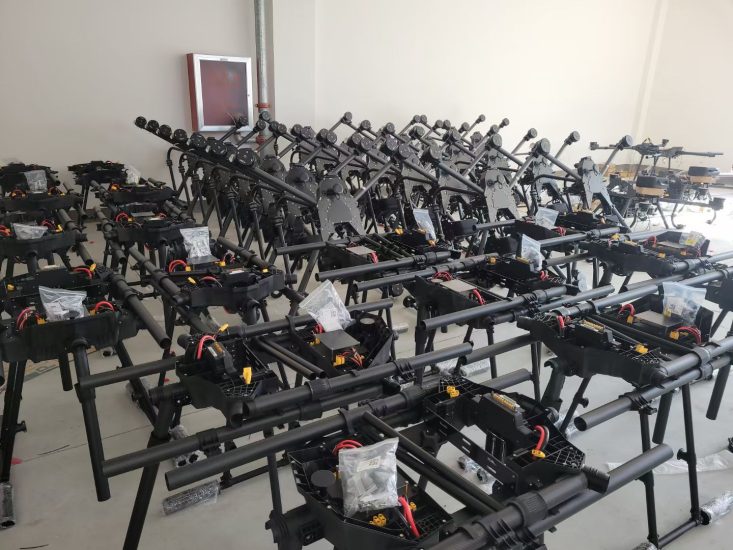
Agricultural drones should be properly packaged for international transportation.
Packaging may need to protect:
-
Drone frame
-
Motors
-
Propellers
-
Spray tank
-
Pump
-
Remote controller
-
Batteries
-
Charger
For lithium batteries, additional packaging requirements may apply depending on the transport method and battery classification.
The exporter should confirm packaging requirements with the selected carrier before shipment.
21. Choosing a Freight Forwarder
A freight forwarder experienced in lithium batteries and drone shipments can help reduce transportation problems.
When selecting a logistics provider, ask:
-
Can you handle lithium batteries?
-
Do you have dangerous-goods shipping experience?
-
Can you arrange air or sea transportation?
-
Can you provide customs clearance?
-
Can you handle battery documentation?
-
Can you arrange destination delivery?
-
Can you advise on packaging requirements?
For international agricultural drone shipments, experience with battery cargo can be particularly valuable.
22. What Should Be Included in an Export Document Package?
A typical export document package may include, depending on the destination and shipment:
Document |
Purpose |
|---|---|
Commercial Invoice |
Customs and commercial information |
Packing List |
Package and cargo details |
Air Waybill / Bill of Lading |
Transport documentation |
Certificate of Origin |
Origin verification when required |
Product Specification |
Technical information |
User Manual |
Operation and safety |
Battery Information |
Transport and product details |
UN 38.3 Documentation |
Lithium battery transport compliance |
Declaration of Conformity |
Where applicable |
Warranty Document |
After-sales support |
Serial Number List |
Product identification |
Not every shipment requires every document. Requirements should be confirmed for the specific destination and transport method.
23. Common Export Mistakes
Several problems can delay agricultural drone shipments.
Incorrect Battery Information
The battery information on shipping documents does not match the actual battery.
Incomplete Packing List
The shipment contains multiple batteries or accessories that are not clearly identified.
Incorrect Product Description
The customs description is too vague or inconsistent with the actual product.
Missing Compliance Documents
The importer discovers after shipment that additional market-access documentation is required.
Incorrect Packaging
The packaging does not meet carrier or dangerous-goods requirements.
Choosing an Inexperienced Carrier
The logistics provider does not have the necessary experience with lithium batteries.
These problems can often be avoided through proper preparation before shipment.
24. International Buyers Should Ask the Supplier
Before placing an order, ask the manufacturer:
-
What documents are included with the shipment?
-
Does the battery have UN 38.3 documentation?
-
What is the battery watt-hour rating?
-
What is the battery classification for transportation?
-
Can you provide a packing list?
-
Can you provide technical specifications?
-
Is a user manual included?
-
What conformity documents are available?
-
What radio certifications are available?
-
Can you provide a Certificate of Origin if required?
-
What export packaging is used?
-
Can you provide serial-number information?
-
Which shipping methods are available?
-
Can your freight forwarder handle lithium batteries?
Getting these answers before payment can reduce unexpected problems later.
25. Exporting Agricultural Drones Successfully
A successful international shipment requires coordination among several parties:
Manufacturer → Exporter → Freight Forwarder → Customs Broker → Importer → Local Aviation/Agricultural Authorities
Each party may have different responsibilities.
The manufacturer should provide accurate technical information.
The exporter should prepare correct commercial documents.
The logistics provider should confirm transportation requirements.
The importer should verify destination-country compliance.
The local operator should obtain any required registration, licenses, or operational approvals.
Conclusion
Exporting agricultural spraying drones internationally requires careful preparation because the shipment may involve unmanned aircraft, radio equipment, lithium batteries, electrical components, and agricultural spraying equipment.
Important documents may include the commercial invoice, packing list, transport document, battery documentation, UN 38.3 records, technical specifications, certificate of origin, conformity documents, user manual, and warranty documentation, depending on the destination and transport method.
The most important principle is to verify requirements before shipment rather than after the cargo has already left the factory.
Manufacturers should prepare accurate product and battery documentation, while international buyers should confirm local aviation, radio, customs, agricultural, and transportation requirements.
For large orders, it is also advisable to work with an experienced freight forwarder and customs professional familiar with drone and lithium-battery shipments.
Because regulations can change and differ significantly between countries, the final compliance decision should always be confirmed with the relevant authorities, carrier, or qualified compliance professional for the specific destination and product configuration.
THE END


No comments yet