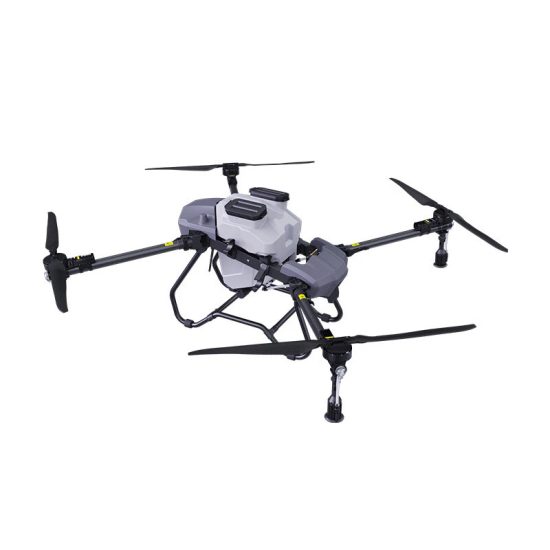


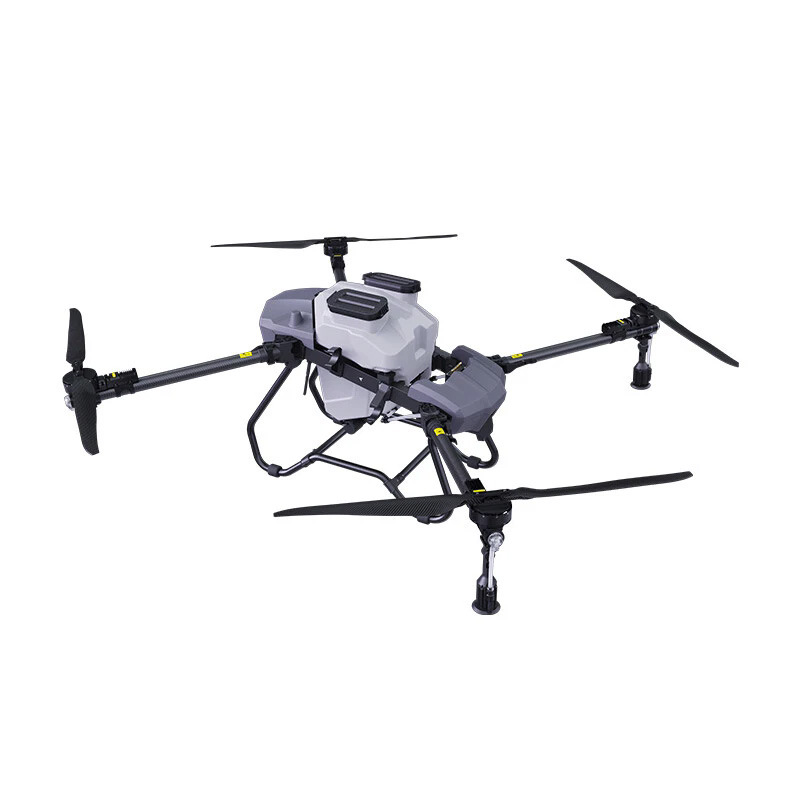
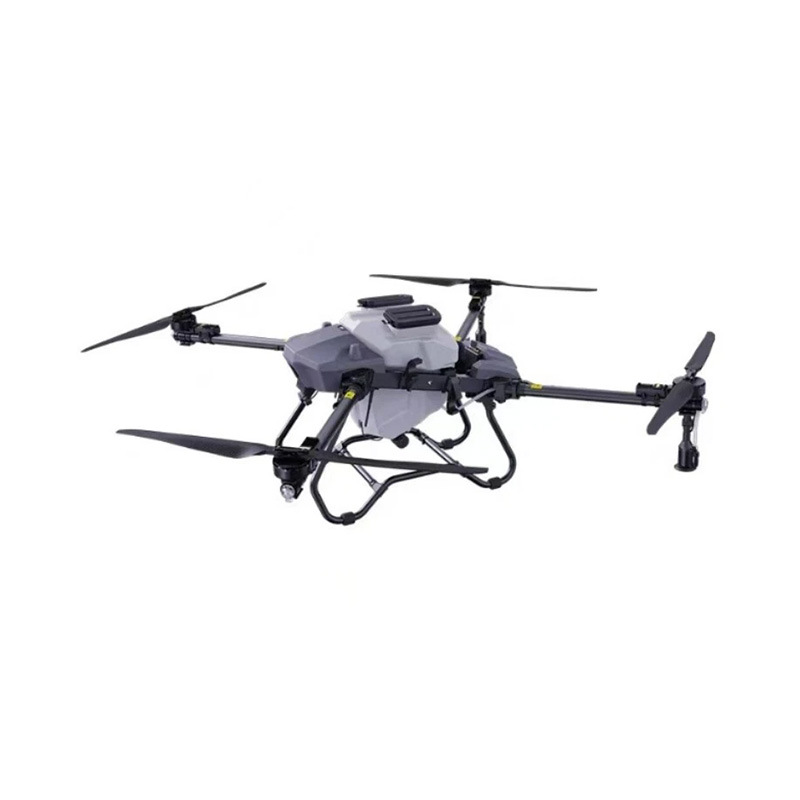
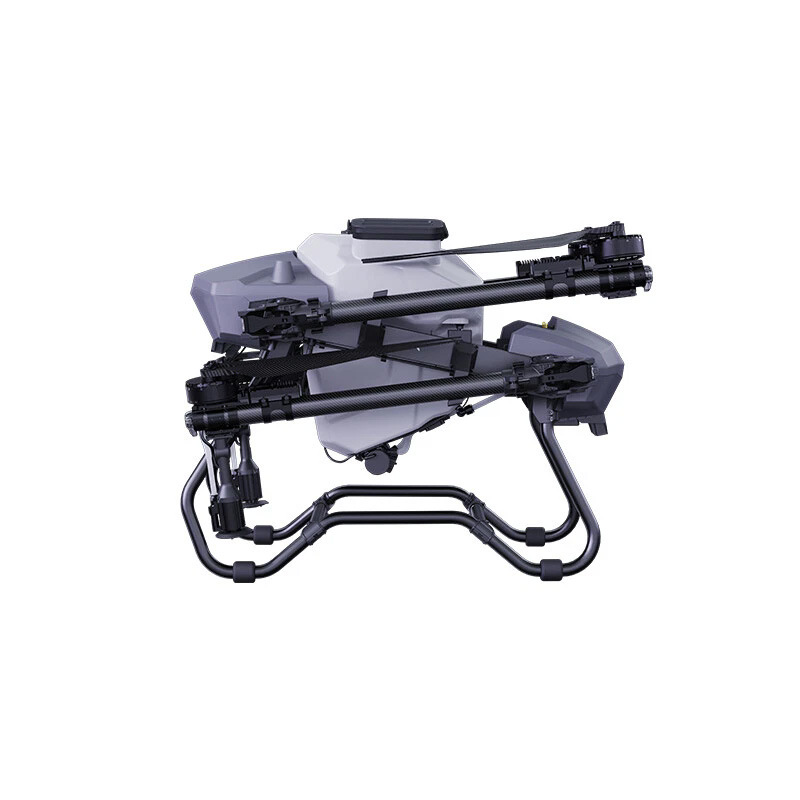
Agricultural drones have transformed modern farming by improving spraying efficiency, reducing labor costs, and helping farmers manage crops more effectively. However, like any advanced technology, agricultural drones can experience operational problems if they are not properly maintained or operated.
Understanding the most common agricultural drone issues and learning how to prevent them can help farmers maximize productivity, reduce downtime, and protect their investment.
This guide covers the most frequent agricultural drone problems and practical solutions for avoiding them.
Problem 1: Short Flight Time
One of the most common complaints among drone operators is reduced flight duration.
Common Causes
-
Aging batteries
-
Improper charging practices
-
Excessive payload weight
-
Extreme weather conditions
-
Poor battery maintenance
Prevention Tips
-
Use original manufacturer batteries.
-
Follow recommended charging procedures.
-
Avoid complete battery discharge.
-
Store batteries in a dry environment.
-
Regularly inspect battery health.
Proper battery management can significantly extend flight performance and battery lifespan.
Problem 2: Uneven Spraying Coverage
Uneven spraying can reduce crop protection effectiveness and increase chemical waste.
Common Causes
-
Incorrect nozzle selection
-
Improper flight altitude
-
Excessive flight speed
-
Wind interference
-
Poor calibration
Prevention Tips
-
Calibrate the spraying system regularly.
-
Use nozzles designed for the target crop.
-
Follow recommended flight parameters.
-
Spray during suitable weather conditions.
-
Conduct test flights before large operations.
Consistent spraying coverage improves pesticide efficiency and crop health.
Problem 3: GPS Signal Loss
Agricultural drones rely heavily on satellite positioning systems.
Common Causes
-
Poor satellite reception
-
Signal interference
-
Obstructions such as buildings or trees
-
Equipment malfunction
Prevention Tips
-
Operate in open environments whenever possible.
-
Wait for strong satellite signals before takeoff.
-
Update firmware regularly.
-
Inspect GPS modules during routine maintenance.
Modern RTK-equipped drones can improve positioning reliability and accuracy.
Problem 4: Obstacle Collisions
Collisions can damage expensive equipment and interrupt operations.
Common Causes
-
Operator inexperience
-
Limited visibility
-
Unexpected obstacles
-
Disabled obstacle avoidance systems
Prevention Tips
-
Survey fields before operations.
-
Use drones with obstacle avoidance technology.
-
Maintain visual awareness during flights.
-
Follow recommended flight routes.
Advanced obstacle detection systems help reduce collision risks significantly.
Problem 5: Motor and Propeller Damage
Motors and propellers are critical components that directly affect flight safety.
Common Causes
-
Dust accumulation
-
Impact damage
-
Excessive operating hours
-
Poor maintenance
Prevention Tips
-
Inspect propellers before each flight.
-
Replace damaged components immediately.
-
Clean motors regularly.
-
Follow maintenance schedules.
Preventive maintenance helps avoid costly repairs and unexpected failures.
Problem 6: Inaccurate Spraying Routes
Poor route accuracy can lead to overlapping applications and missed areas.
Common Causes
-
Weak GPS signals
-
Incorrect route planning
-
Software configuration errors
-
Flight control issues
Prevention Tips
-
Use RTK positioning systems.
-
Verify flight plans before takeoff.
-
Update flight control software.
-
Conduct periodic system calibration.
Accurate route planning improves operational efficiency and reduces chemical waste.
Problem 7: Poor Battery Charging Habits
Improper charging practices are responsible for many battery-related issues.
Common Causes
-
Overcharging
-
Using incompatible chargers
-
Charging in extreme temperatures
-
Ignoring battery warnings
Prevention Tips
-
Use manufacturer-approved chargers.
-
Charge batteries in a temperature-controlled environment.
-
Monitor charging cycles.
-
Replace batteries showing abnormal behavior.
Healthy batteries improve safety and productivity.
Problem 8: Software and Firmware Issues
Modern agricultural drones depend on sophisticated software systems.
Common Causes
-
Outdated firmware
-
Interrupted updates
-
Software compatibility problems
Prevention Tips
-
Keep firmware updated.
-
Follow official update procedures.
-
Backup settings before upgrades.
-
Work with manufacturers that provide technical support.
Reliable software improves stability and operational efficiency.
Problem 9: Water and Dust Damage
Agricultural environments can be challenging for electronic equipment.
Common Causes
-
Operating in heavy rain
-
Poor cleaning practices
-
Inadequate protection ratings
Prevention Tips
-
Follow manufacturer weather guidelines.
-
Clean drones after each operation.
-
Inspect seals and connectors regularly.
-
Store equipment properly.
Protecting electronics extends equipment lifespan.
Problem 10: Insufficient Operator Training
Even the most advanced drone cannot compensate for poor operational practices.
Common Causes
-
Lack of training
-
Limited experience
-
Inadequate understanding of drone systems
Prevention Tips
-
Attend professional training programs.
-
Study manufacturer operating manuals.
-
Practice regularly.
-
Stay informed about software updates and new features.
Well-trained operators achieve higher productivity and safer operations.
The Importance of Preventive Maintenance
Preventive maintenance is often the most effective way to avoid agricultural drone problems.
A maintenance checklist should include:
Daily Inspections
-
Battery condition
-
Propeller inspection
-
Nozzle cleaning
-
Frame inspection
Weekly Inspections
-
Motor testing
-
Pump performance checks
-
GPS verification
-
Firmware review
Seasonal Maintenance
-
Complete system inspection
-
Component replacement if necessary
-
Calibration verification
-
Deep cleaning
Regular maintenance reduces downtime and improves reliability.
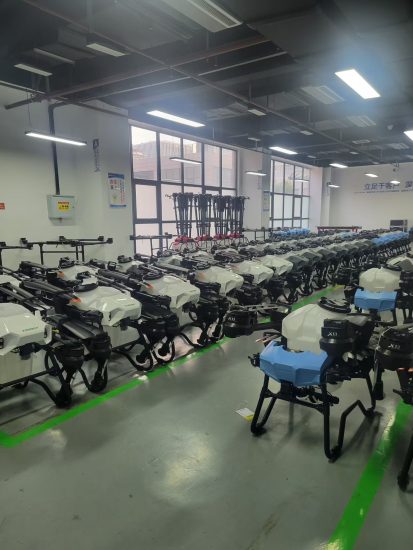
Why Farmers Trust MSOEN Agricultural Drones
MSOEN specializes in professional agricultural drone solutions designed for demanding farming environments.
Our products include:
-
Crop spraying drones
-
Fertilizer spreading drones
-
Mapping drones
-
Inspection drones
-
OEM drone manufacturing
-
ODM drone development
Key Features
-
RTK precision positioning
-
Intelligent obstacle avoidance
-
Terrain-following radar
-
High-capacity payload systems
-
Smart battery management
-
Reliable flight control systems
Professional Support
MSOEN provides:
-
Technical training
-
Spare parts supply
-
Software support
-
After-sales service
-
Custom OEM and ODM solutions
Our goal is to help customers achieve reliable performance and long-term operational success.
Best Practices for Long-Term Reliability
To maximize the lifespan of your agricultural drone:
-
Follow manufacturer maintenance schedules.
-
Use genuine replacement parts.
-
Train operators thoroughly.
-
Store equipment correctly.
-
Monitor battery health regularly.
-
Keep software updated.
These practices help ensure consistent performance season after season.
Conclusion
Agricultural drones are powerful tools that can significantly improve farming efficiency, but they require proper operation and maintenance to deliver their full potential. Common problems such as short flight times, uneven spraying, GPS issues, and battery failures can often be prevented through routine inspections, operator training, and the use of high-quality equipment.
By choosing a reliable agricultural drone manufacturer and implementing a proactive maintenance program, farmers can reduce downtime, increase productivity, and maximize the return on their investment.
FAQ
What is the most common agricultural drone problem?
Battery-related issues and uneven spraying coverage are among the most frequently reported challenges.
How often should agricultural drones be maintained?
Basic inspections should be performed before every flight, while more comprehensive maintenance should follow the manufacturer’s recommended schedule.
Can software updates improve drone performance?
Yes. Firmware updates often improve flight stability, safety functions, and operational efficiency.
How can I extend battery lifespan?
Use proper charging procedures, avoid extreme temperatures, and replace batteries when performance begins to decline.
Does MSOEN provide technical support after purchase?
Yes. MSOEN offers technical training, software assistance, spare parts support, and comprehensive after-sales service for global customers and distributors.
THE END


No comments yet