


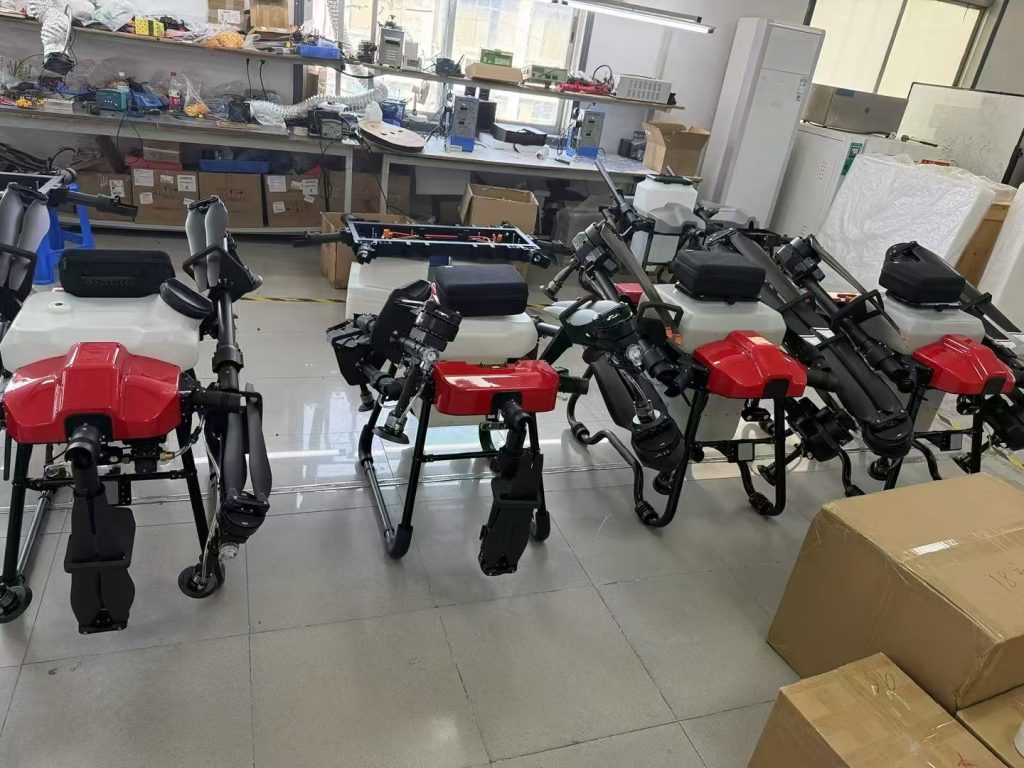
In the sky above farms, disaster zones, and urban landscapes, a quiet revolution is unfolding. UAV (Unmanned Aerial Vehicle)—once a niche military tool—has evolved into a versatile, autonomous workhorse transforming industries from agriculture to emergency response. These pilotless aircraft, guided by sensors, GPS, and artificial intelligence, are redefining how humans interact with the airspace, offering unprecedented efficiency, safety, and access to hard-to-reach areas. Far more than “drones,” UAVs represent a paradigm shift in aerial operations, blending cutting-edge technology with practical problem-solving.
From Military Tool to Civilian Game-Changer
The concept of UAVs dates back to the early 20th century, with primitive radio-controlled aircraft used for target practice. However, it was the 21st century’s advancements in miniaturized electronics, battery life, and AI that unlocked their civilian potential. Today, UAVs range from palm-sized quadcopters to fixed-wing aircraft with wingspans exceeding 30 feet, each tailored to specific tasks. Their defining feature is autonomy: unlike manned aircraft, UAVs can execute missions independently, adjusting routes for weather, obstacles, or mission objectives in real time.
Versatility in Action: UAVs Across Industries
The true power of UAVs lies in their adaptability. Here are just a few domains where they are driving innovation:
1. Agriculture: Eyes in the Sky for Precision Farming
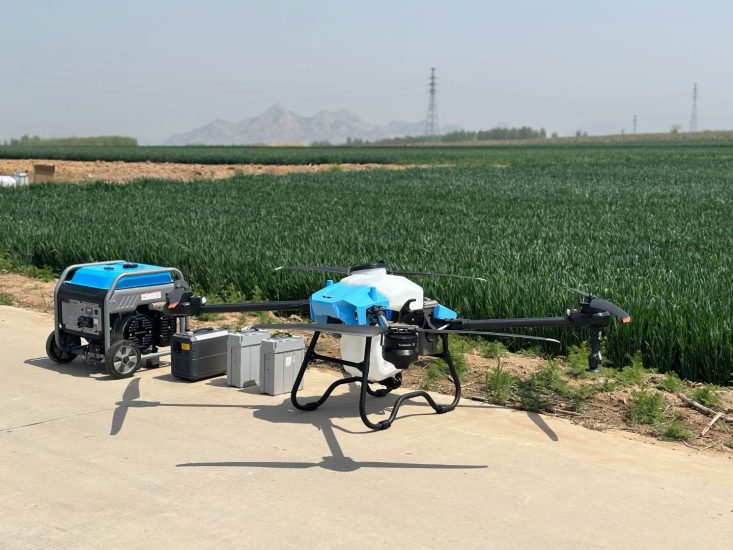
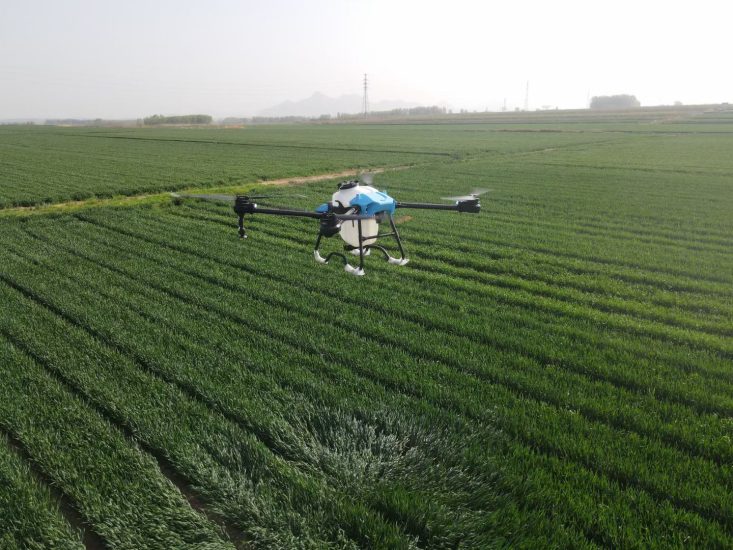
In agriculture, UAVs act as mobile sensing platforms. Equipped with multispectral cameras, they capture data on crop health, soil moisture, and pest infestations—information invisible to the naked eye. Farmers use this to create detailed field maps, enabling targeted interventions (e.g., spot-spraying pesticides only where needed) and boosting yields by up to 20% while cutting input costs. In drought-prone regions like California, UAVs monitor water stress in almond orchards, guiding irrigation to save millions of gallons annually.
2. Disaster Response: Rapid Assessment When Seconds Count
During earthquakes, floods, or wildfires, UAVs provide first responders with critical situational awareness. They can fly over collapsed buildings to locate survivors, map wildfire perimeters to predict spread, or assess flood damage in remote areas—tasks too dangerous or slow for helicopters. After the 2023 Türkiye-Syria earthquake, UAVs surveyed debris fields, identifying safe routes for rescue teams and locating trapped individuals via thermal imaging.
3. Environmental Conservation: Guardians of Fragile Ecosystems
UAVs are becoming indispensable for wildlife protection and habitat monitoring. In Africa, anti-poaching drones patrol national parks, using night-vision cameras to deter illegal hunters. In the Arctic, they track melting ice sheets and polar bear populations, providing data to combat climate change. Even coral reef health is being monitored via underwater UAVs (hybrid aerial-submersible models), which document bleaching events with 4K clarity.
4. Logistics and Infrastructure: Delivering Where Roads Cannot
From medical supplies to e-commerce packages, UAVs are revolutionizing last-mile delivery. In Rwanda, Zipline (a UAV logistics company) has flown over 500,000 blood deliveries to remote clinics, cutting transport times from hours to minutes. In urban areas, UAVs inspect bridges, power lines, and cell towers—replacing risky climbs with high-resolution camera scans that detect cracks or corrosion early.
The Technology Behind Autonomy
What enables UAVs to operate independently? A suite of technologies works in harmony:
-
Sensors: LiDAR (light detection and ranging) creates 3D maps of terrain; thermal cameras detect heat signatures (e.g., wildlife or fire hotspots); and IMUs (inertial measurement units) track orientation and acceleration.
-
AI Algorithms: Machine learning models process sensor data to identify objects (e.g., crops vs. weeds), predict flight paths, or avoid collisions with birds or other aircraft.
-
Communication Systems: 5G and satellite links allow UAVs to transmit data to ground stations in real time, while fail-safes (e.g., return-to-home functions) ensure safety if connections drop.
Challenges and the Path Forward
Despite their promise, UAVs face hurdles. Regulatory frameworks lag behind innovation—many countries restrict UAV flights near airports or over populated areas. Privacy concerns arise as UAVs capture images of private property, requiring clear guidelines on data use. Technical limits, such as short battery life (most commercial UAVs fly <1 hour) and vulnerability to extreme weather, also constrain applications.
The future hinges on collaboration: governments must update air traffic rules to accommodate UAVs alongside manned aircraft; manufacturers need to develop longer-lasting batteries and quieter designs; and users must prioritize ethical deployment (e.g., avoiding surveillance misuse).
A Sky Full of Possibilities
UAVs are more than machines—they are extensions of human capability, reaching where we cannot go and seeing what we cannot see. As technology advances, their roles will expand: imagine UAVs forming “swarms” to reforest degraded lands, or solar-powered models circling the globe to monitor climate patterns. In a world facing complex challenges—from food insecurity to climate change—UAVs offer a skyward solution: autonomous, adaptable, and always ready to serve.
In the end, the story of UAVs is a story of trust: trusting machines to fly, to sense, and to act—on our behalf, and for the good of all.
THE END


No comments yet