

Top Features to Look for in an Agriculture Spraying Drone: A Comprehensive Guide
The global agricultural sector is undergoing a quiet revolution, driven by the integration of advanced technology. Among these innovations, agriculture spraying drones have emerged as game-changers, redefining how farmers manage crop health, optimize resource use, and boost yields. These unmanned aerial vehicles (UAVs) are not just tools; they are precision instruments that address long-standing challenges in traditional pesticide and fertilizer application. For farmers, agronomists, and agricultural businesses, selecting the right drone requires understanding its key features—features that determine efficiency, accuracy, and return on investment. This article delves into the top characteristics to prioritize when evaluating an agriculture spraying drone, providing a roadmap to informed decision-making.
1. Payload Capacity and Liquid Management
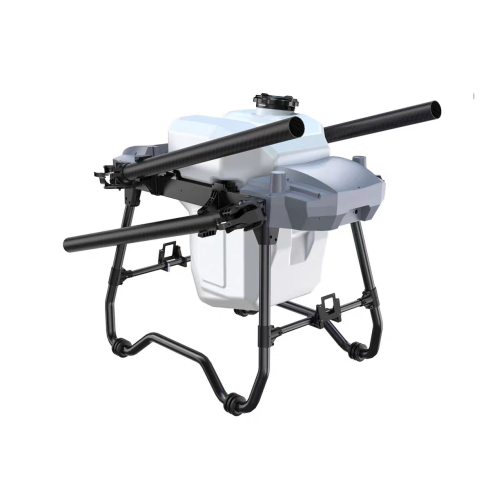
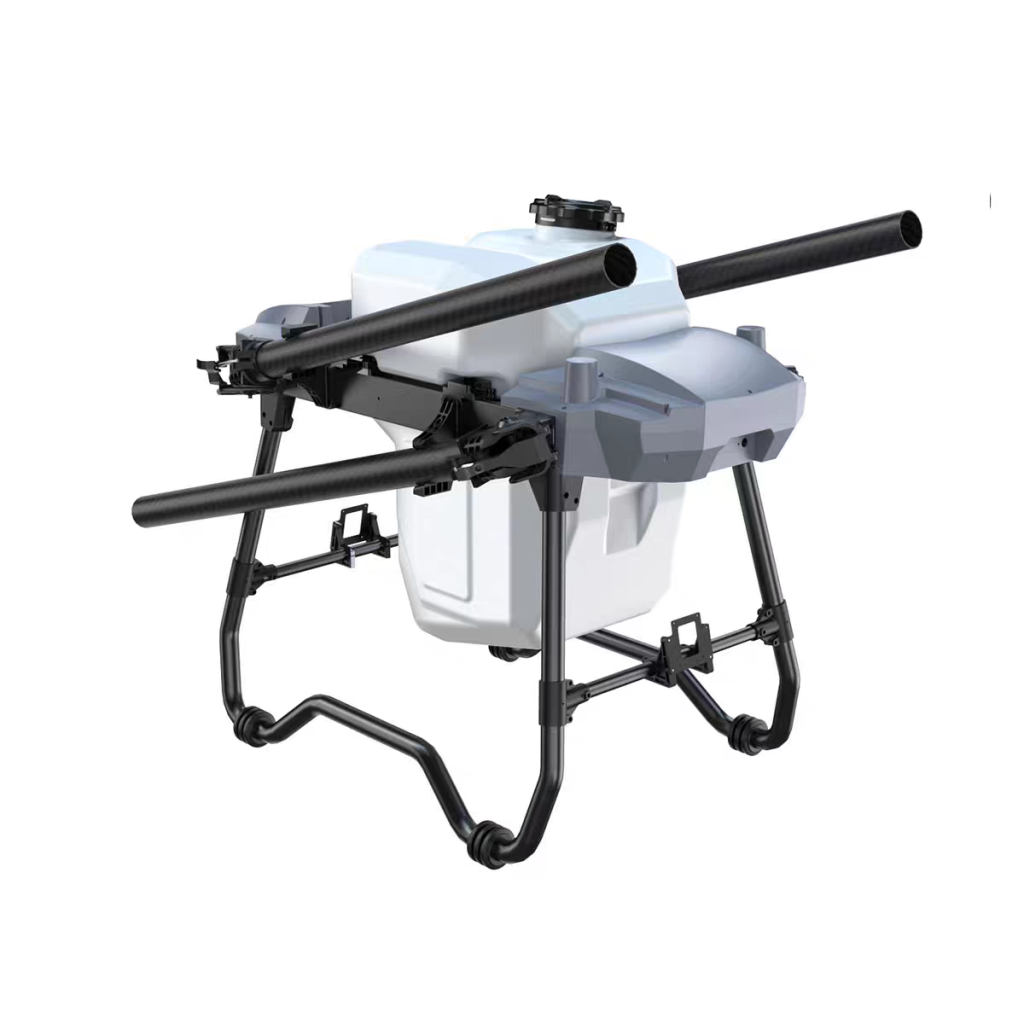
At the heart of any spraying drone lies its ability to carry and dispense liquids effectively. Payload capacity—the maximum weight of liquid (pesticides, fertilizers, or growth regulators) a drone can carry—directly impacts operational efficiency. Drones with larger payloads reduce the number of refills needed per acre, saving time and labor. However, payload must be balanced with flight stability: heavier loads require robust motors and aerodynamic designs to maintain consistent altitude and speed during spraying.
Equally critical is the liquid management system. Modern drones feature intelligent tanks with anti-leakage mechanisms, ensuring no product is wasted during transit or operation. Some models include sensors that monitor liquid levels in real time, alerting operators when refills are needed. Additionally, adjustable flow rates allow customization based on crop type: delicate seedlings may require a gentle mist, while dense foliage might need a stronger spray. The ability to switch between nozzle types (e.g., flat fan, cone, or rotary atomizers) further enhances versatility, enabling precise application tailored to specific pest or nutrient needs.
2. Flight Performance and Stability
A drone’s flight capabilities dictate its coverage area, maneuverability, and reliability in diverse field conditions. Key metrics here include flight time, range, and wind resistance. Most commercial agriculture drones offer 15–30 minutes of flight time per battery charge, translating to 10–20 acres per sortie, depending on payload and speed. Extended flight times (achieved through high-energy-density batteries or hybrid power systems) minimize downtime, making large-scale operations more feasible.
Range, or the distance a drone can travel from its controller, is another vital factor. A longer range allows operators to cover vast fields without frequent repositioning, but it must align with local regulations (many countries restrict UAVs to line-of-sight operation). Wind resistance is often overlooked but critical: drones that can operate stably in winds up to 20–25 km/h (12–15 mph) ensure consistent spray patterns even in less-than-ideal weather, reducing the risk of uneven application.
Stability is enhanced by advanced flight control systems, such as GPS/GLONASS dual-mode positioning, which provides centimeter-level accuracy. This ensures the drone follows pre-programmed paths (waypoints) without deviation, preventing over-spraying or missed areas. Some drones also incorporate obstacle avoidance sensors (radar, LiDAR, or vision cameras), allowing them to navigate around trees, power lines, or buildings autonomously—an invaluable feature for irregularly shaped fields.
3. Precision Spraying Technology
The defining advantage of spraying drones over traditional methods (tractors or manual spraying) is their precision. Traditional equipment often leads to drift (chemicals blown away from target areas) and runoff (excess liquid pooling in low-lying spots), wasting resources and harming non-target organisms. Drones mitigate this through targeted application technologies.
Variable Rate Application (VRA) is a cornerstone of precision spraying. Using data from soil sensors, satellite imagery, or historical yield maps, drones adjust spray volume dynamically across the field—applying more product where pest pressure is high and less where crops are healthy. This reduces chemical usage by 30–50% compared to blanket spraying, lowering costs and environmental impact.
Micron-level droplet control is another breakthrough. Advanced nozzles produce droplets sized between 100–400 microns, optimizing adhesion to leaves while minimizing drift. Some drones even use electrostatic charging to make droplets “stick” to plant surfaces, ensuring maximum absorption. Real-time monitoring via onboard cameras or multispectral sensors allows operators to verify coverage and adjust parameters mid-flight, further enhancing accuracy.
4. Intelligent Navigation and Autonomy
Modern agriculture drones are increasingly autonomous, reducing the need for constant human intervention. Waypoint navigation, enabled by GPS and mapping software, allows operators to upload field boundaries and let the drone follow a predefined path. This eliminates human error in steering, ensuring uniform coverage.
For complex terrains, terrain-following technology adjusts the drone’s altitude based on ground elevation data, maintaining a consistent spray height above crops. This is particularly useful in hilly or uneven fields, where fixed-altitude flying could lead to over- or under-application.
Autonomous takeoff and landing simplify operations, especially for users with limited experience. Some drones also feature “return-to-home” functionality, automatically returning to the launch point if the battery is low or signal is lost—preventing loss of expensive equipment.
5. Durability and Weather Resistance
Agriculture is tough on equipment. Drones must withstand exposure to rain, dust, UV radiation, and rough handling during transport. Ruggedized designs with IP-rated enclosures (e.g., IP55 or higher) protect internal components from moisture and debris. Corrosion-resistant materials, such as carbon fiber frames and aluminum alloys, extend the drone’s lifespan, even in humid or chemically exposed environments.
Weather resistance is equally important. Drones that can operate in light rain (up to 2–3 mm/hour) or high temperatures (up to 40°C/104°F) provide greater flexibility, allowing applications to proceed despite minor weather fluctuations. However, it is essential to avoid flying in strong winds (>25 km/h) or heavy rain, as this compromises safety and accuracy.
6. Data Integration and Analysis
Beyond spraying, drones generate valuable data that can inform future decisions. Multispectral and thermal cameras capture images beyond the visible spectrum, revealing crop stress (e.g., water deficiency, nutrient shortages) before it is visible to the naked eye. This data can be processed using software to create vegetation indices (e.g., NDVI) that highlight problem areas, enabling targeted follow-up applications.
Some drones integrate with farm management software (FMS), syncing spray records, field maps, and sensor data into a single platform. This streamlines record-keeping, helps track input costs, and supports compliance with regulations (e.g., documenting chemical usage for audits). Advanced models even use machine learning algorithms to predict pest outbreaks or optimize spray schedules based on historical data, turning the drone into a proactive farm management tool.
7. Ease of Use and Maintenance
A drone’s value diminishes if it is too complex to operate or maintain. Intuitive user interfaces—such as touchscreen controllers or mobile apps—simplify mission planning, parameter adjustment, and troubleshooting. Features like one-click calibration, automatic battery charging, and modular component design (e.g., swappable nozzles or batteries) reduce setup time and downtime.
Maintenance is another key consideration. Drones with self-diagnostic systems alert users to potential issues (e.g., motor wear, sensor errors) before they escalate. Accessible parts, clear service manuals, and availability of replacement components (from rotors to circuit boards) ensure quick repairs, minimizing disruptions to farming schedules. Training programs offered by manufacturers or third parties also play a role, equipping users with the skills to maximize the drone’s potential.
8. Cost-Effectiveness and ROI
While upfront costs (drones typically range from $5,000 to $50,000) are significant, the return on investment (ROI) depends on long-term savings and productivity gains. Drones reduce labor costs (a single operator can manage multiple units), lower chemical usage (by 30–50%), and increase yields through timely interventions. For example, early detection of pests via drone imagery allows targeted spraying, preventing widespread damage that could reduce harvests by 10–20%.
Financing options, such as leasing or pay-per-acre models, make drones accessible to smallholder farmers. Additionally, government subsidies or grants for precision agriculture adoption can offset initial expenses. When evaluating cost, consider total ownership costs—including maintenance, training, and software subscriptions—rather than just the purchase price.
9. Regulatory Compliance
Adherence to local aviation and agricultural regulations is non-negotiable. Drones must comply with rules governing flight altitude (typically below 120 meters/400 feet), airspace restrictions (avoiding airports or urban areas), and operator licensing (many regions require certification for commercial UAV use). Some drones come with built-in compliance tools, such as geo-fencing (automatically restricting flights to approved zones) or electronic logging devices (recording flight data for audits).
Chemical application regulations also vary by region. Drones must meet standards for drift reduction (e.g., EPA guidelines in the U.S.) and may require specific nozzles or additives to minimize environmental impact. Working with local agricultural extension services or regulatory bodies can help ensure the chosen drone aligns with legal requirements.
10. Scalability and Future-Proofing
Farmers’ needs evolve, so a drone should be scalable. Modular designs allow upgrades to payload capacity, battery life, or sensor suites as operations expand. For example, a farmer starting with a 5-liter drone can later add a 10-liter tank or upgrade to a model with thermal imaging.
Future-proofing involves considering emerging technologies, such as 5G connectivity (enabling real-time data transmission) or AI-driven decision support. Drones that support open-source software or APIs (Application Programming Interfaces) allow integration with third-party tools, ensuring compatibility with evolving farm management systems.
Conclusion
Selecting the right agriculture spraying drone is a strategic decision that hinges on balancing performance, precision, and practicality. By prioritizing features like payload capacity, flight stability, precision spraying, and data integration, farmers can unlock new levels of efficiency and sustainability. As technology advances, drones will continue to play a pivotal role in feeding a growing global population—making the choice of the right tool today a critical step toward a more resilient agricultural future.
In the end, the best drone is not necessarily the most expensive or feature-packed, but the one that aligns with a farm’s unique needs, budget, and long-term goals. With careful evaluation of these key features, farmers can invest in a tool that transforms their operations, one precise drop at a time.
THE END







No comments yet