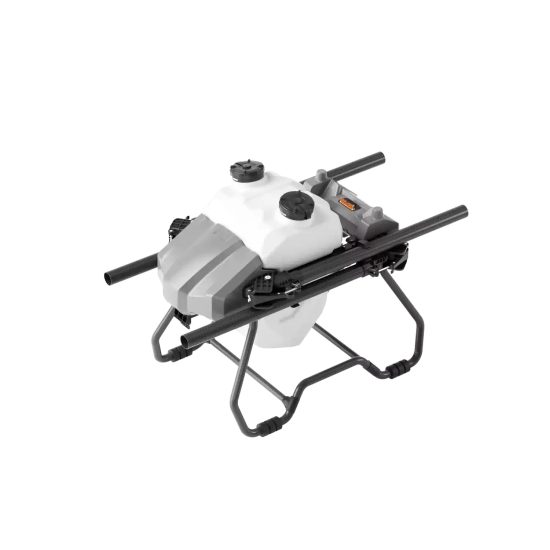



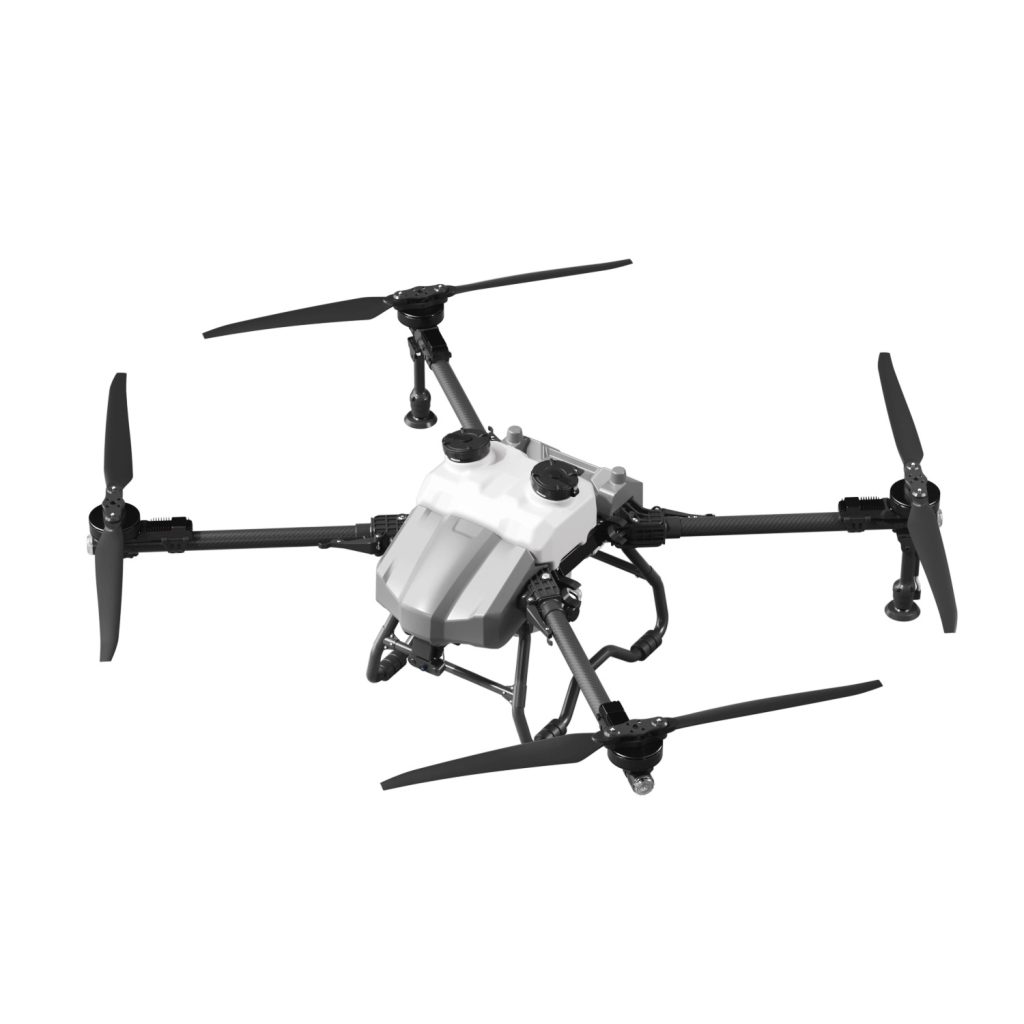

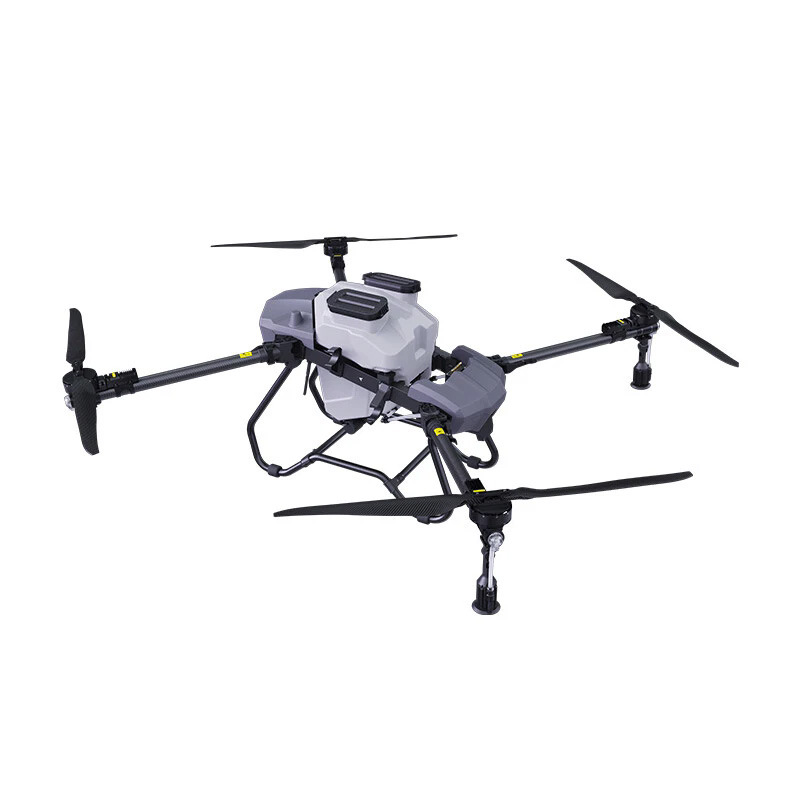
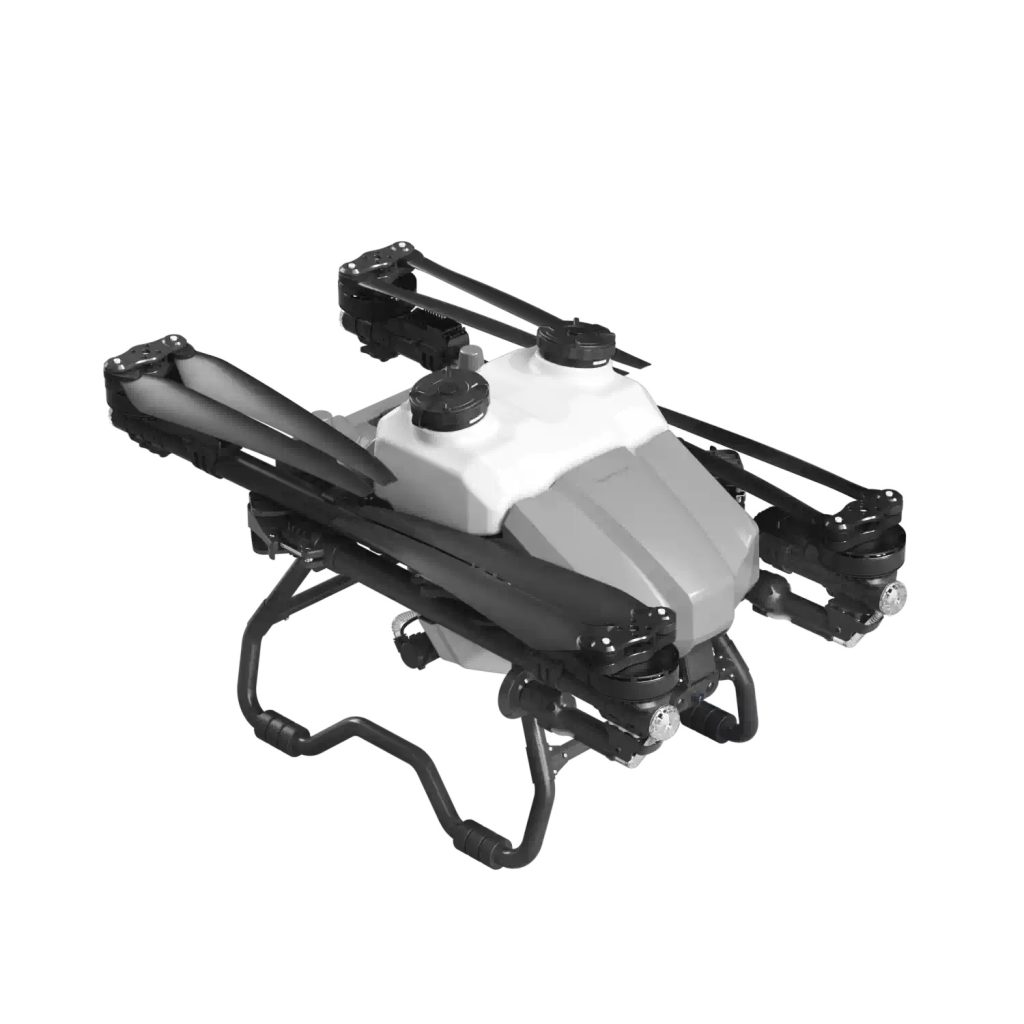
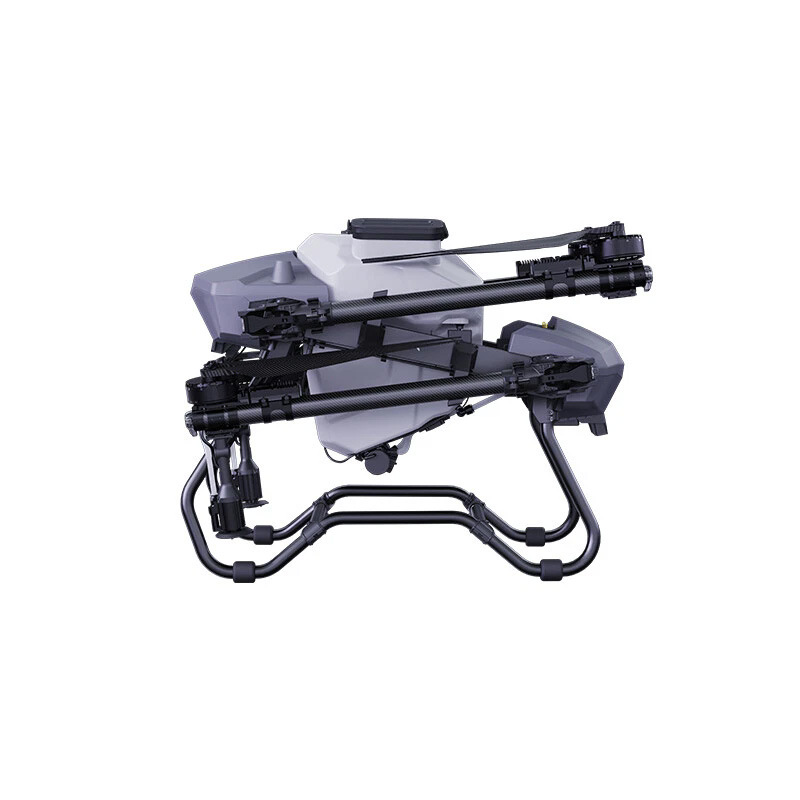
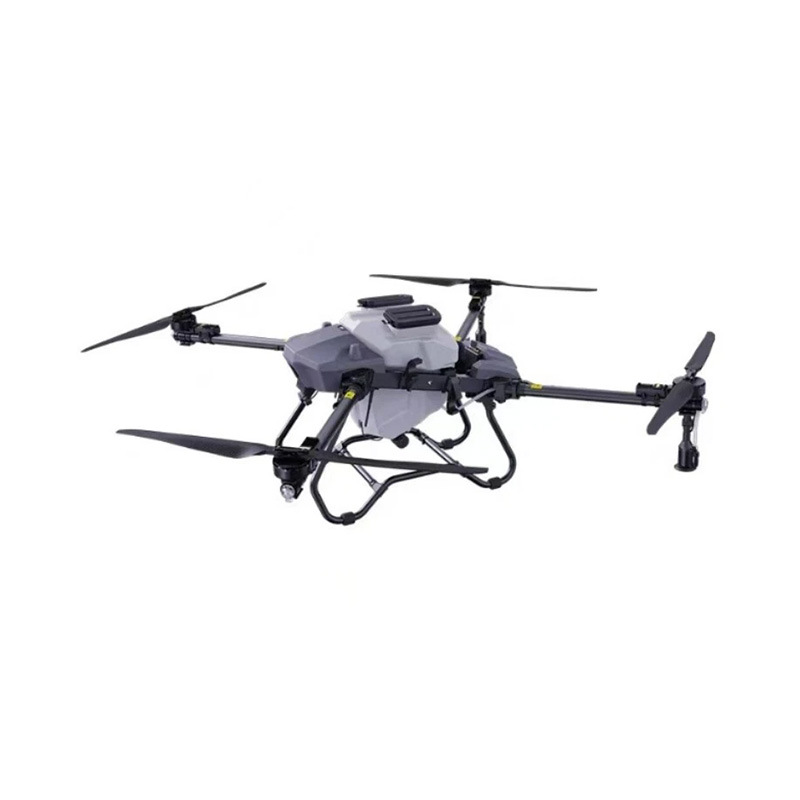
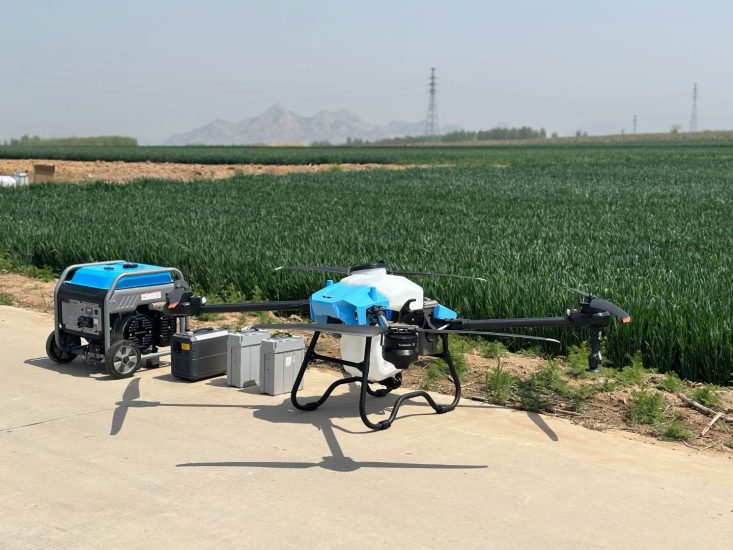
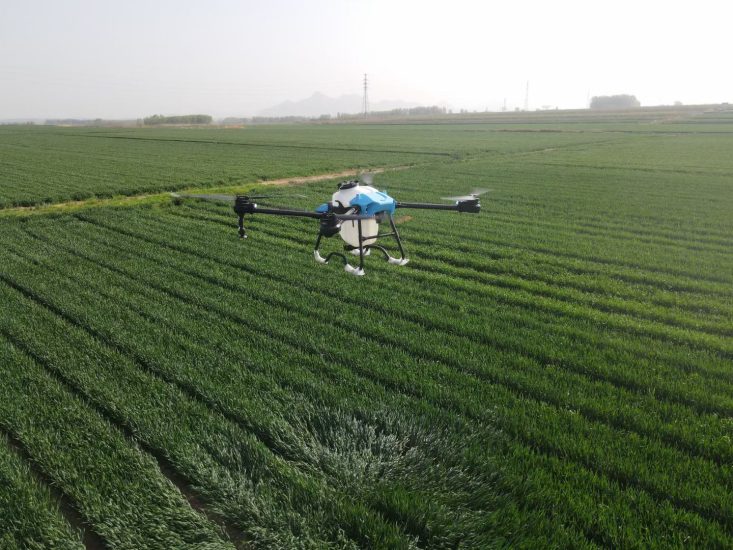
As agricultural technology continues to evolve, choosing the right agricultural spray drone has become a critical decision for farmers and agribusinesses. With many options available in the market, understanding the key features of a high-quality spraying drone can help maximize efficiency, reduce costs, and improve crop performance.
In this guide, we’ll explore the most important features to look for when selecting an agricultural spray drone for modern farming.
Why Choosing the Right Spray Drone Matters
Not all agricultural drones are created equal. The performance, durability, and efficiency of a drone directly impact your farming results. A well-chosen drone can:
- Increase spraying efficiency
- Reduce chemical waste
- Improve crop yield
- Lower operational costs
That’s why it’s essential to evaluate features carefully before making a purchase.
1. Payload Capacity
Payload capacity determines how much liquid (pesticides, fertilizers, or herbicides) a drone can carry per flight.
What to Consider:
- Small farms: 10L–20L capacity
- Medium to large farms: 20L–50L+ capacity
- Higher capacity = fewer refills and higher efficiency
Choosing the right payload depends on your farm size and spraying needs.
2. Spraying System Performance
The spraying system is the core of any agricultural drone.
Key Elements:
- High-pressure pumps
- Adjustable flow rate
- Atomized nozzles for fine droplets
A good spraying system ensures:
- Uniform coverage
- Better absorption by crops
- Reduced chemical waste
3. Flight Control and Automation
Modern agricultural drones come with intelligent flight systems that automate operations.
Must-Have Features:
- GPS-based route planning
- Autonomous flight modes
- Terrain following (important for uneven land)
- Obstacle avoidance
Automation reduces human error and ensures consistent spraying results.
4. Battery Life and Efficiency
Battery performance directly affects productivity.
Look For:
- Long flight time per charge
- Fast-charging capability
- Swappable battery systems
Professional users often prefer multiple batteries to maintain continuous operation throughout the day.
5. Durability and Build Quality
Agricultural environments are harsh, with exposure to chemicals, dust, and moisture.
Important Factors:
- Water-resistant design (IP rating)
- Corrosion-resistant materials
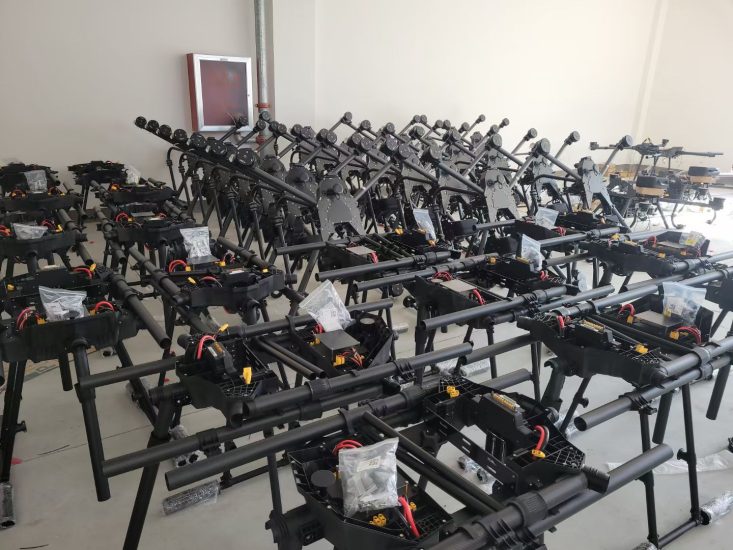
- Strong frame structure
A durable drone ensures long-term reliability and lower maintenance costs.
6. Ease of Operation
Not all farmers are drone experts, so ease of use is crucial.
User-Friendly Features:
- Simple remote control interface
- Mobile app integration
- One-click takeoff and landing
- Automated mission planning
An easy-to-use drone reduces training time and increases operational efficiency.
7. Smart Sensors and Data Capabilities
Advanced agricultural drones are equipped with sensors that provide valuable insights.
Examples:
- Crop health monitoring
- NDVI imaging (for vegetation analysis)
- Real-time data transmission
These features enable precision farming and better decision-making.
8. Safety Features
Safety should never be overlooked when operating drones.
Essential Safety Functions:
- Obstacle detection and avoidance
- Low battery return-to-home
- Emergency stop function
- Signal loss protection
These features protect both the drone and your crops.
9. Maintenance and Support
Reliable after-sales support is critical for long-term use.
Consider:
- Availability of spare parts
- Technical support
- Warranty coverage
Choosing a trusted supplier ensures your drone stays operational with minimal downtime.
10. Cost vs Value
While price is an important factor, it should not be the only consideration.
Evaluate:
- Performance vs cost
- Long-term savings
- Return on investment (ROI)
A slightly higher upfront cost can lead to significant savings over time through improved efficiency and reduced labor.
Bonus: Choosing the Right Brand (OEM/ODM Options)
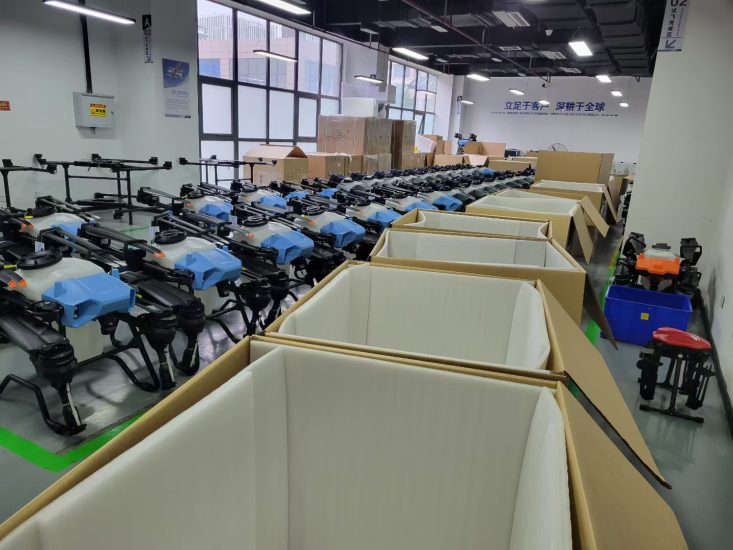
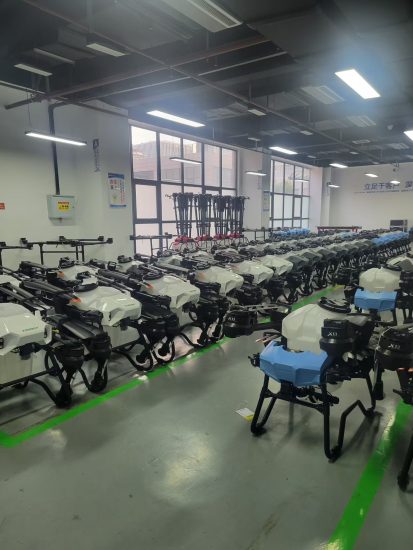
For distributors or large-scale buyers, working with manufacturers that offer OEM/ODM services can be a major advantage.
Benefits include:
- Custom branding
- Tailored specifications
- Competitive pricing
This is especially useful for building your own agricultural drone brand in local markets.
Conclusion
Selecting the right agricultural spray drone requires careful consideration of multiple features, from payload capacity and spraying performance to automation and durability.
By focusing on these key factors, farmers and agribusinesses can invest in a drone that delivers high efficiency, better crop results, and long-term value.
As agriculture continues to move toward automation and precision farming, choosing the right drone is a crucial step toward future success.
Tags:
agricultural spray drone features, best farm drone 2026, crop spraying drone buying guide, UAV agriculture features, precision farming drone, pesticide drone system, smart agriculture technology, farm drone comparison, agriculture UAV guide, OEM drone manufacturer


No comments yet