



Introduction
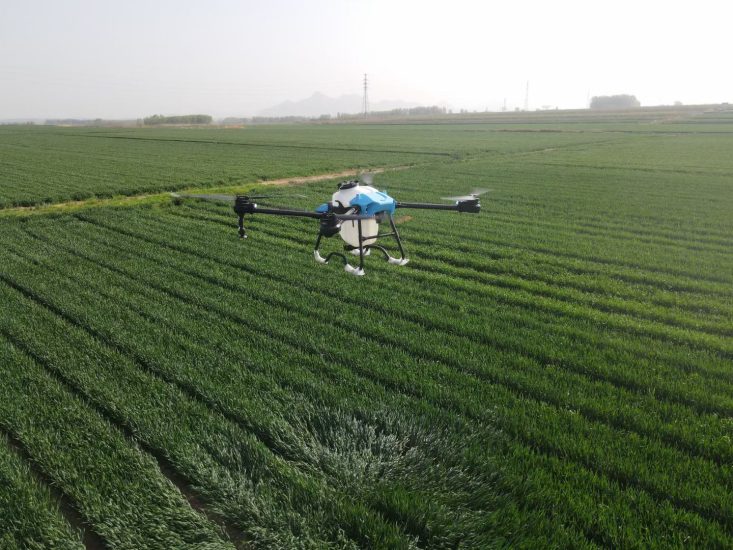
The United States is one of the most advanced agricultural markets in the world, with large-scale farms covering thousands of acres. As labor costs continue to rise and efficiency becomes more critical, crop spraying drones are rapidly gaining popularity among American farmers.
From cornfields in the Midwest to vineyards in California, agricultural spraying drones are transforming traditional farming into a smarter, more efficient system.
Why Large Farms in the U.S. Are Adopting Spraying Drones
1. High Labor Costs
Hiring workers for manual spraying is expensive and time-consuming. Drones significantly reduce labor dependency.
2. Massive Farm Sizes
Large farms require fast and efficient solutions. Drones can cover wide areas in a short time.
3. Precision Agriculture Demand
U.S. farmers are increasingly adopting precision farming technologies to maximize yield and reduce waste.
4. Environmental Regulations
Strict pesticide regulations require accurate and controlled spraying—something drones excel at.
Key Features of Crop Spraying Drones for Large Farms
1. High Payload Capacity
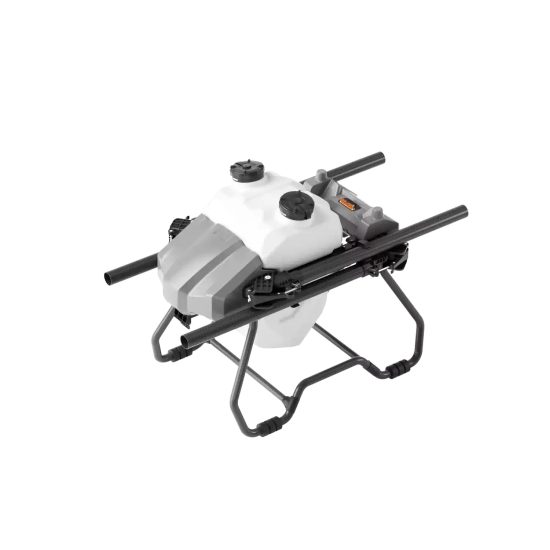
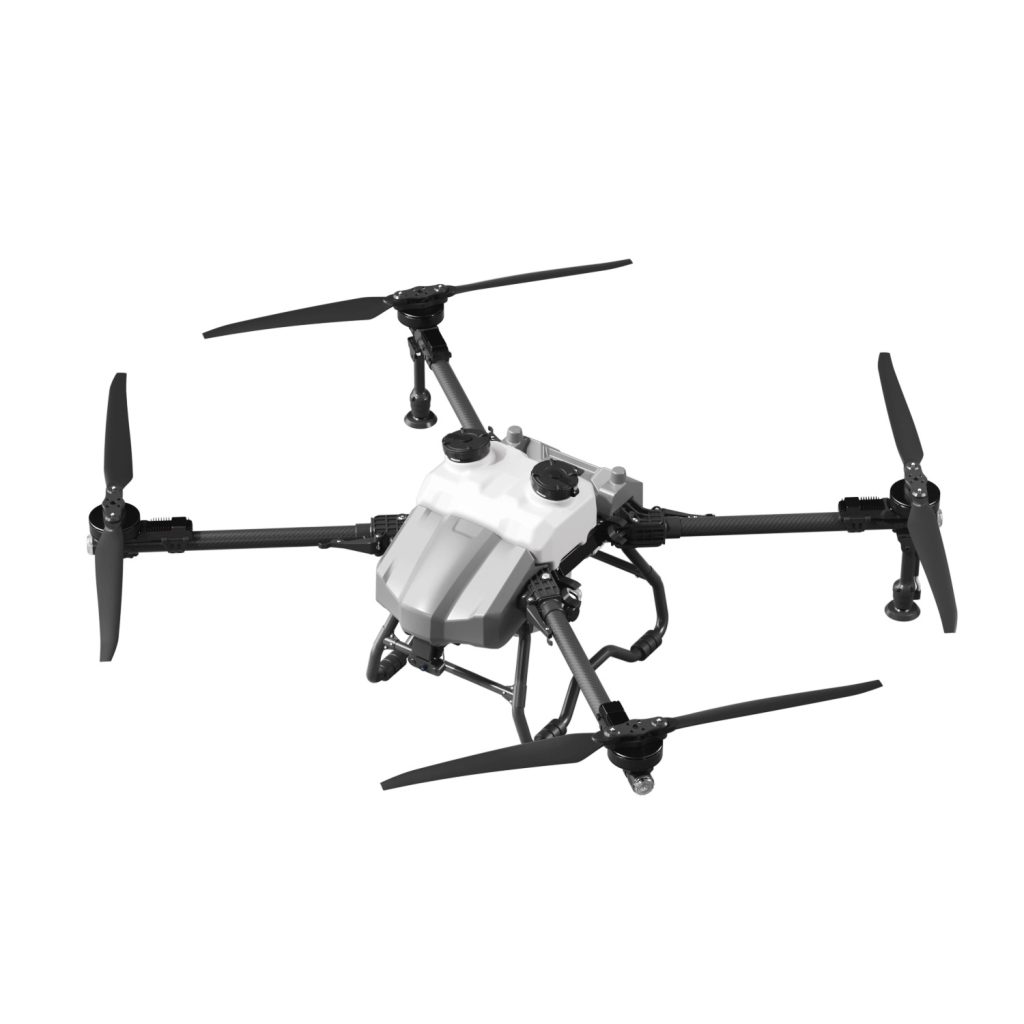
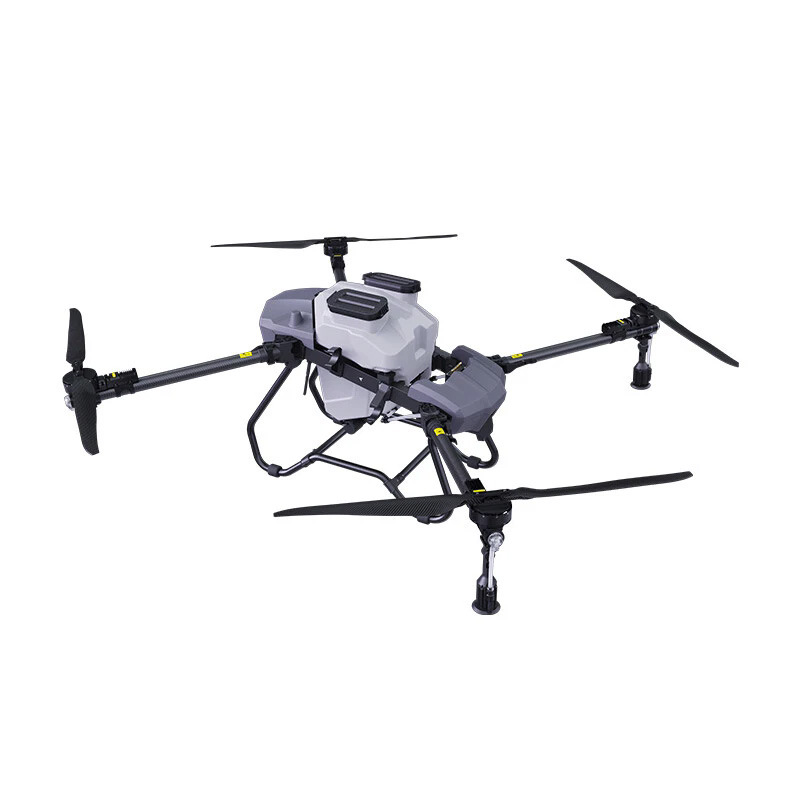
For large-scale farms, drones with 20L–50L tanks are ideal for continuous operation.
2. Wide Spray Coverage
Advanced nozzle systems ensure even distribution across large crop areas.
3. Long Flight Time and Fast Charging
Efficient battery systems allow longer operation cycles and quick turnaround.
4. RTK GPS Precision Mapping
Real-Time Kinematic (RTK) positioning ensures centimeter-level accuracy for precise spraying.
5. Autonomous Flight and Route Planning
Automated flight paths reduce human error and improve efficiency.
Best Use Cases in the United States
Corn and Soybean Farms (Midwest)
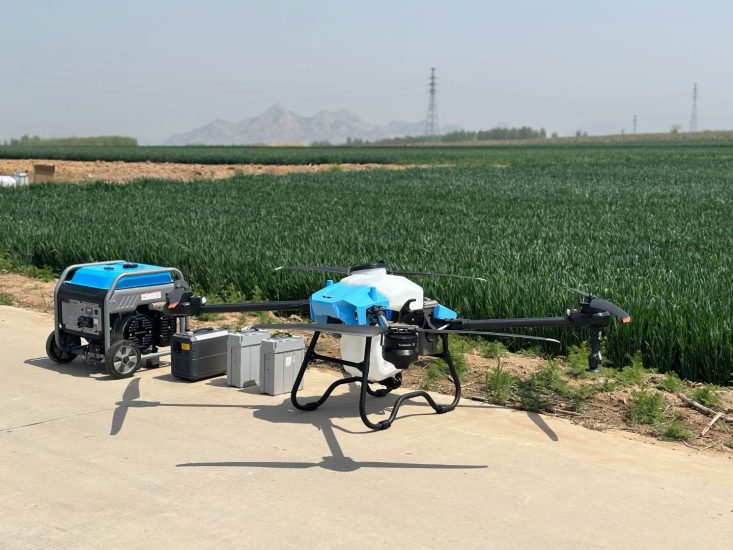
Drones are widely used for pesticide and herbicide spraying across vast fields.
Vineyards (California)
Precision spraying helps protect grapes while minimizing chemical use.
Cotton Farms (Texas)
Drones improve efficiency in pest control over large cotton plantations.
Wheat Farms (Kansas & North Dakota)
Fast coverage makes drones ideal during critical spraying windows.
Benefits of Using Spraying Drones on Large Farms
- Cover hundreds of acres per day
- Reduce chemical waste and environmental impact
- Improve crop consistency and yield
- Lower operational costs over time
- Access hard-to-reach areas easily
Why MSOEN Spraying Drones Are Ideal for U.S. Farms
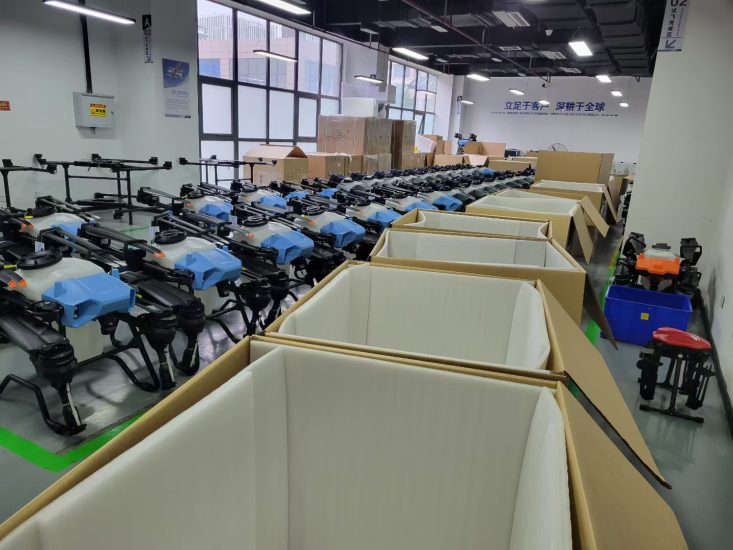
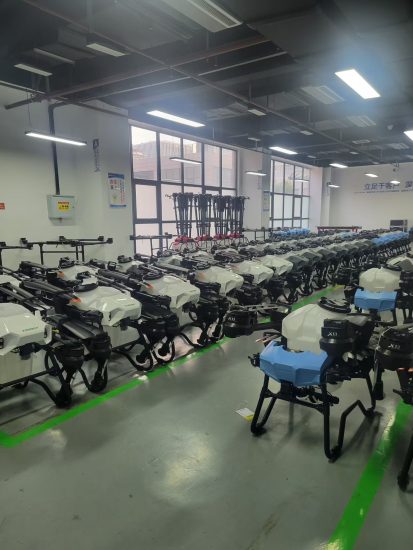
MSOEN provides high-performance agricultural drones designed for large-scale operations.
Key Advantages:
- 20L–50L large-capacity tanks
- High-efficiency spraying system
- RTK GPS precision navigation
- Strong wind resistance for stable flights
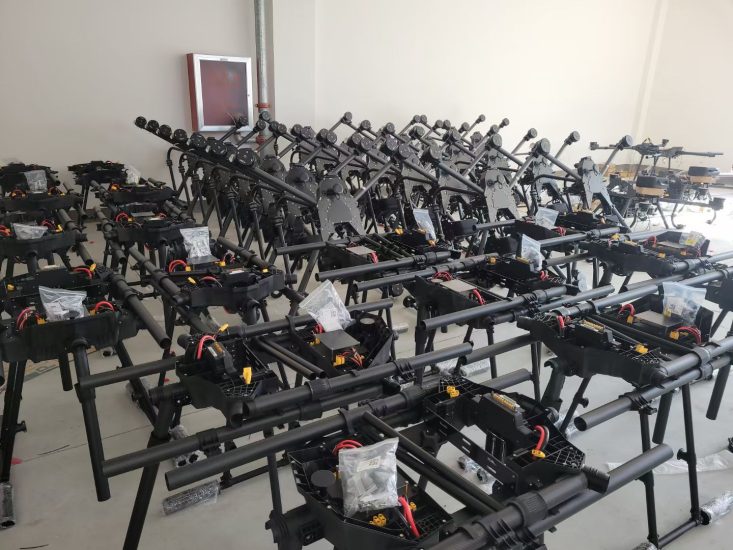
- Modular design for easy maintenance
- OEM/ODM support for distributors and dealers
For importers, dealers, and large farm operators in the United States, MSOEN offers reliable and scalable drone solutions.
Compliance and Regulations in the U.S.
Before using agricultural drones in the U.S., operators must comply with regulations from the Federal Aviation Administration (FAA).
Key Requirements:
- Remote Pilot Certificate (Part 107)
- Drone registration
- Operational limitations (altitude, visibility, etc.)
Always ensure compliance to avoid legal issues and ensure safe operation.
How to Choose the Right Spraying Drone
When selecting a drone for large farms, consider:
- Total farm acreage
- Crop type and spraying frequency
- Budget and ROI
- Battery performance and charging system
- Availability of technical support
Choosing the right drone can significantly impact farm productivity and profitability.
Future of Drone Farming in the United States
With the rise of AI, automation, and smart agriculture, spraying drones will continue to play a major role in U.S. farming. Integration with farm management systems and data analytics will further enhance efficiency.
Conclusion
Crop spraying drones are becoming an essential tool for large farms in the United States. They offer unmatched efficiency, precision, and cost savings compared to traditional methods.
For businesses looking to invest in agricultural drone technology, MSOEN provides reliable, high-performance solutions tailored for large-scale farming needs.
FAQ (SEO优化)
Q1: How many acres can a spraying drone cover in the U.S.?
Depending on the model, drones can cover 50–300 acres per day.
Q2: Are agricultural drones allowed in the United States?
Yes, but operators must follow FAA regulations and obtain proper certification.
Q3: What is the cost of a crop spraying drone?
Prices typically range from $5,000 to $30,000 depending on features and capacity.
Q4: Can drones replace traditional crop spraying equipment?
In many cases, yes—especially for precision and hard-to-reach areas.


No comments yet