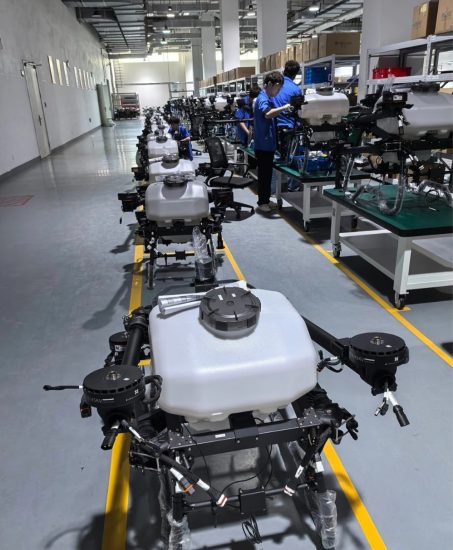


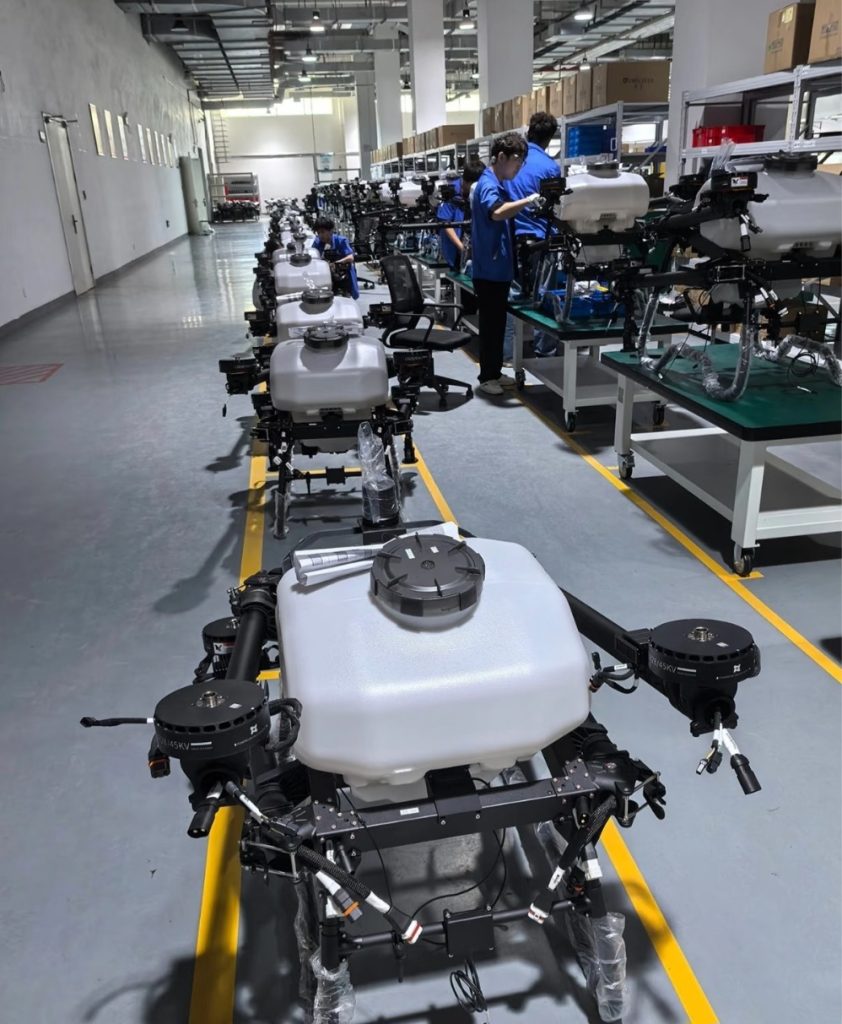
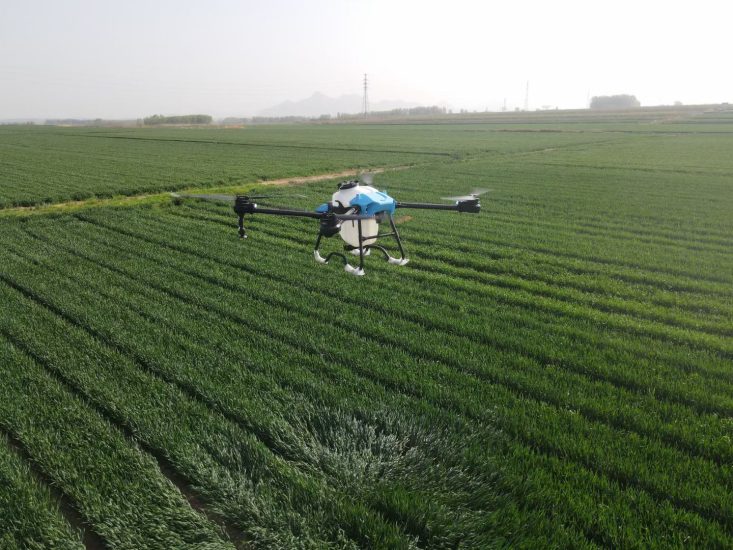
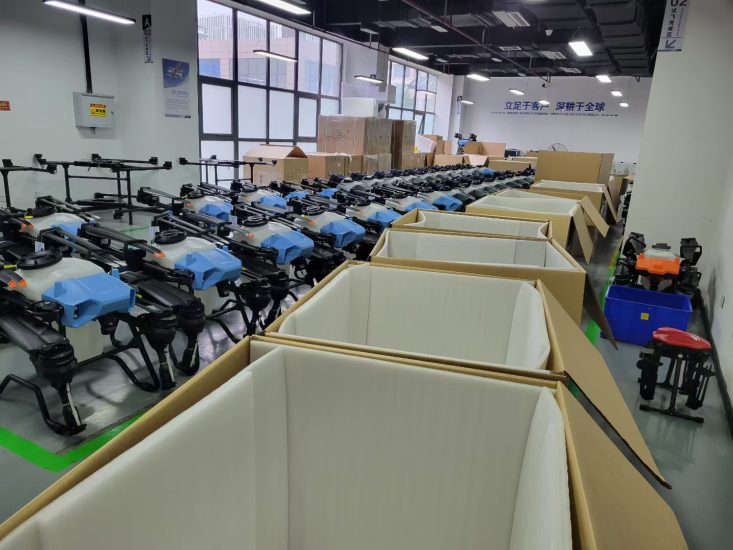
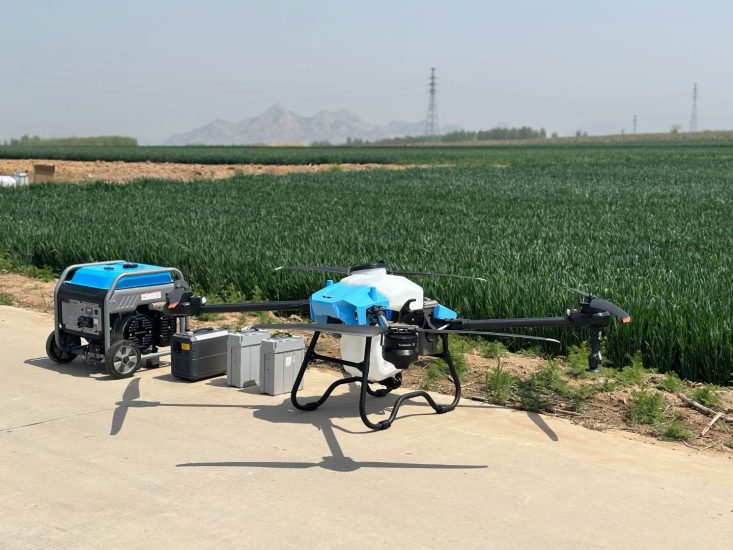
As precision agriculture continues to transform farming worldwide, crop spraying drones have become indispensable for improving productivity, reducing labor costs, and applying pesticides and fertilizers more accurately. China has emerged as the global leader in agricultural drone manufacturing, offering a wide range of high-performance UAVs for farms of all sizes.
For distributors, importers, agricultural service providers, and government procurement agencies, selecting the right China crop spraying drone supplier is crucial. The ideal supplier should provide reliable products, international certifications, comprehensive technical support, and long-term partnership opportunities.
This guide explains what makes a top supplier, how to evaluate manufacturers, and what buyers should consider before importing agricultural drones from China.
Why Source Crop Spraying Drones from China?
China has built a mature agricultural drone industry supported by advanced manufacturing, continuous innovation, and an efficient supply chain.
Major advantages include:
-
Competitive factory-direct pricing
-
Advanced autonomous flight technology
-
Intelligent spraying systems
-
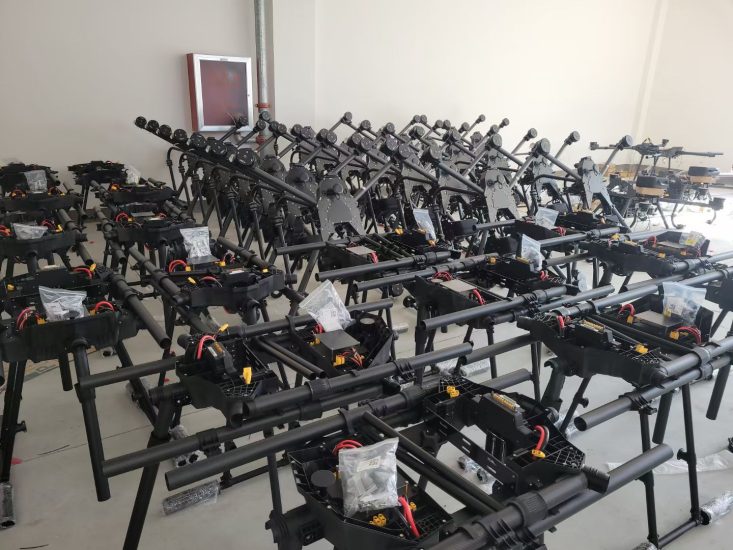
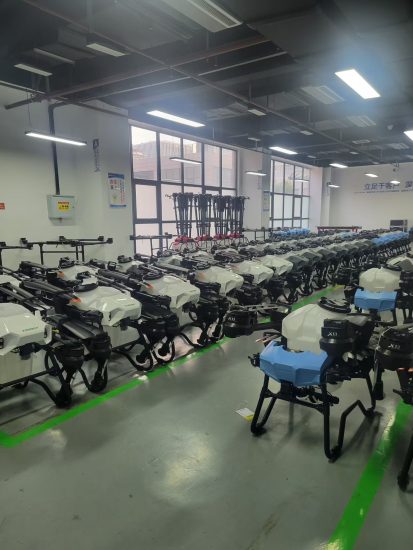
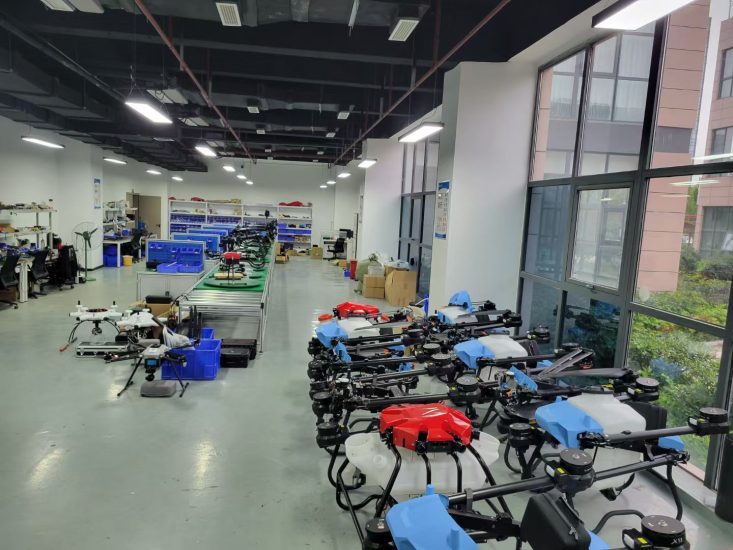
Large production capacity
-
Fast product development
-
OEM & ODM customization
-
Global export experience
-
Comprehensive spare parts supply
-
Professional after-sales support
Chinese suppliers serve customers in Europe, North America, South America, Southeast Asia, Africa, and the Middle East.
What Defines a Top China Crop Spraying Drone Supplier?
A leading supplier offers much more than competitive pricing.
Manufacturing Experience
Choose manufacturers with years of experience in agricultural UAV production. Established factories generally have:
-
Mature production processes
-
Experienced engineering teams
-
Stable quality control systems
-
Reliable supply chains
Strong Research & Development
Innovation is essential in the drone industry.
Top manufacturers continuously improve:
-
Flight control software
-
AI-assisted navigation
-
Obstacle avoidance
-
RTK positioning
-
Battery management systems
-
Spraying accuracy
Regular firmware updates ensure drones remain efficient and secure.
Wide Product Range
Professional suppliers usually offer multiple models suitable for different agricultural applications.
Typical payload options include:
Payload |
Recommended Use |
|---|---|
10L |
Small farms |
20L |
Family farms |
30L |
Medium-sized farms |
40L |
Commercial farming |
50L |
Large-scale operations |
70L |
Industrial agricultural projects |
A broad product portfolio allows buyers to serve different customer segments.
Essential Features to Look For
Before choosing a supplier, evaluate the drone’s technical specifications.
Intelligent Flight System
Modern agricultural drones should support:
-
GPS navigation
-
RTK centimeter-level positioning
-
Automatic route planning
-
One-click takeoff and landing
-
Return-to-home
-
Terrain following
-
Autonomous spraying missions
Efficient Spraying System
A high-quality spraying system should include:
-
High-pressure pumps
-
Multiple nozzle options
-
Adjustable spray volume
-
Uniform droplet distribution
-
Anti-drip technology
-
Precision flow control
This improves pesticide utilization while reducing waste.
Reliable Power System
Professional agricultural drones typically feature:
-
Intelligent lithium batteries
-
Fast charging
-
Battery health monitoring
-
Long service life
-
High-capacity power output
Some systems also support battery swapping for continuous operation.
Durable Structure
Look for frames made from:
-
Carbon fiber
-
Aviation-grade aluminum
-
Corrosion-resistant engineering plastics
These materials provide strength while keeping the aircraft lightweight.
Quality Control Matters
Reliable manufacturers implement strict quality inspection throughout production.
Typical inspections include:
-
Component testing
-
Assembly inspection
-
Flight testing
-
Spraying performance tests
-
Electrical safety checks
-
Battery testing
-
Packaging inspection
Comprehensive quality control reduces product failures after delivery.
International Certifications
Always verify compliance with relevant international standards.
Common certifications include:
-
CE
-
FCC
-
RoHS
-
ISO 9001
-
UN38.3 (Battery Transport)
-
MSDS
Depending on the destination market, additional certifications may be required.
OEM and ODM Services
Many buyers prefer customized products under their own brand.
Professional suppliers can provide:
-
Custom logo printing
-
Product color customization
-
Packaging design
-
User manuals
-
Software interface branding
-
Marketing materials
OEM services help distributors build stronger market recognition.
Spare Parts Support
Agricultural drones require routine maintenance.
Ensure your supplier stocks:
-
Motors
-
ESCs
-
Flight controllers
-
Propellers
-
Pumps
-
Nozzles
-
Radar sensors
-
GPS modules
-
Batteries
-
Chargers
Quick spare parts availability minimizes operational downtime.
Technical Support and Training
After-sales service is critical for long-term success.
A reliable supplier should provide:
-
Online technical assistance
-
Flight training
-
Maintenance manuals
-
Video tutorials
-
Firmware upgrades
-
Remote troubleshooting
-
Warranty support
Professional technical support improves customer satisfaction and reduces maintenance costs.
Export Experience
Suppliers experienced in international trade understand:
-
Export documentation
-
Dangerous goods regulations
-
Battery transportation
-
Sea freight
-
Air freight
-
Customs clearance requirements
-
Protective export packaging
Experienced exporters help ensure smooth international deliveries.
Questions to Ask Before Choosing a Supplier
Before placing an order, ask:
-
Are you a manufacturer or trading company?
-
How many agricultural drones do you produce each month?
-
Which countries do you export to?
-
What certifications do your drones have?
-
What warranty do you provide?
-
Is OEM branding available?
-
How quickly can spare parts be delivered?
-
Do you provide software updates?
-
Can you offer operator training?
-
What is the standard production lead time?
Common Buying Mistakes
Avoid these common mistakes:
-
Choosing suppliers based only on price
-
Ignoring technical support
-
Not verifying certifications
-
Failing to inspect sample units
-
Overlooking spare parts availability
-
Ignoring warranty policies
A reliable supplier creates greater long-term value than the lowest quotation.
Future Trends in Agricultural Drone Technology
The agricultural UAV industry continues to evolve.
Emerging technologies include:
-
AI-powered spraying optimization
-
Fully autonomous operations
-
Variable-rate spraying
-
Cloud fleet management
-
Big data analytics
-
Precision agriculture integration
-
Improved battery efficiency
-
Smart farm connectivity
These innovations will continue to improve agricultural productivity worldwide.
Conclusion
Choosing one of the top China crop spraying drone suppliers requires careful evaluation of manufacturing capability, product quality, certifications, R&D strength, technical support, and export experience. Rather than focusing solely on price, buyers should seek a long-term partner capable of providing reliable equipment, spare parts, software updates, and comprehensive after-sales service.
A trusted Chinese supplier can help distributors and agricultural businesses expand their markets with advanced crop spraying drone solutions that deliver efficiency, reliability, and sustainable farming performance.
FAQ
1. Why are China crop spraying drone suppliers popular?
Because they offer advanced technology, competitive pricing, strong manufacturing capacity, and global export experience.
2. What payload size should I choose?
The ideal payload depends on your farm size and spraying requirements. Common options range from 20L to 70L.
3. Can suppliers provide private-label products?
Yes. Most professional manufacturers offer OEM and ODM services, including logos, packaging, manuals, and software customization.
4. What certifications should agricultural drones have?
Common certifications include CE, FCC, RoHS, ISO 9001, and UN38.3 for battery transportation.
5. How can I verify a supplier’s reliability?
Review their manufacturing experience, quality control processes, certifications, export history, customer references, and after-sales support before placing an order.
THE END


No comments yet