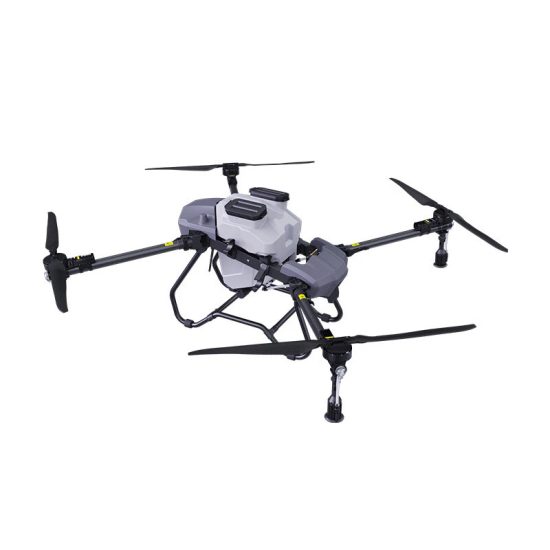


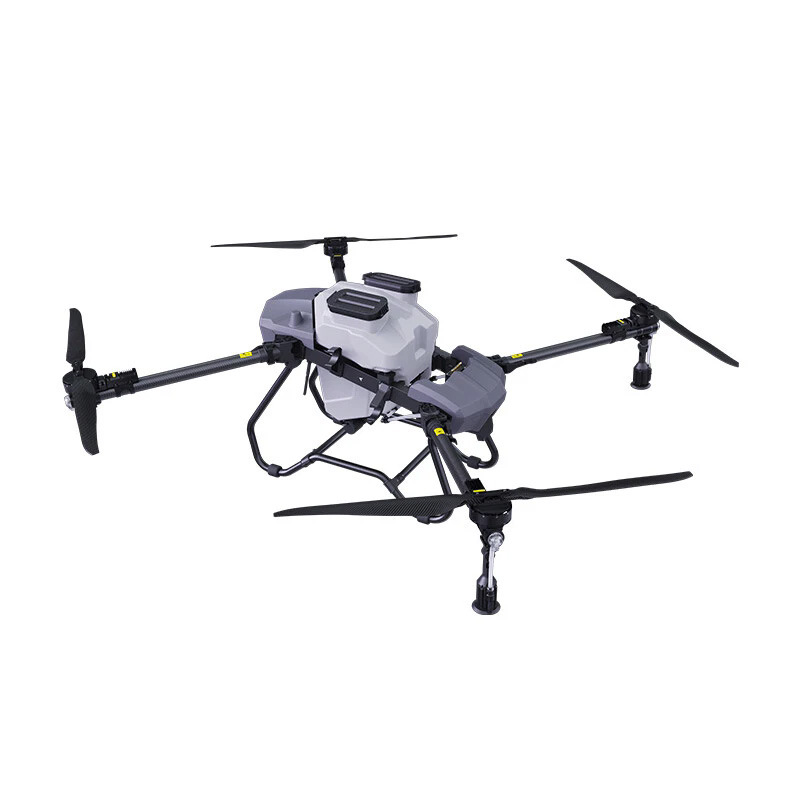

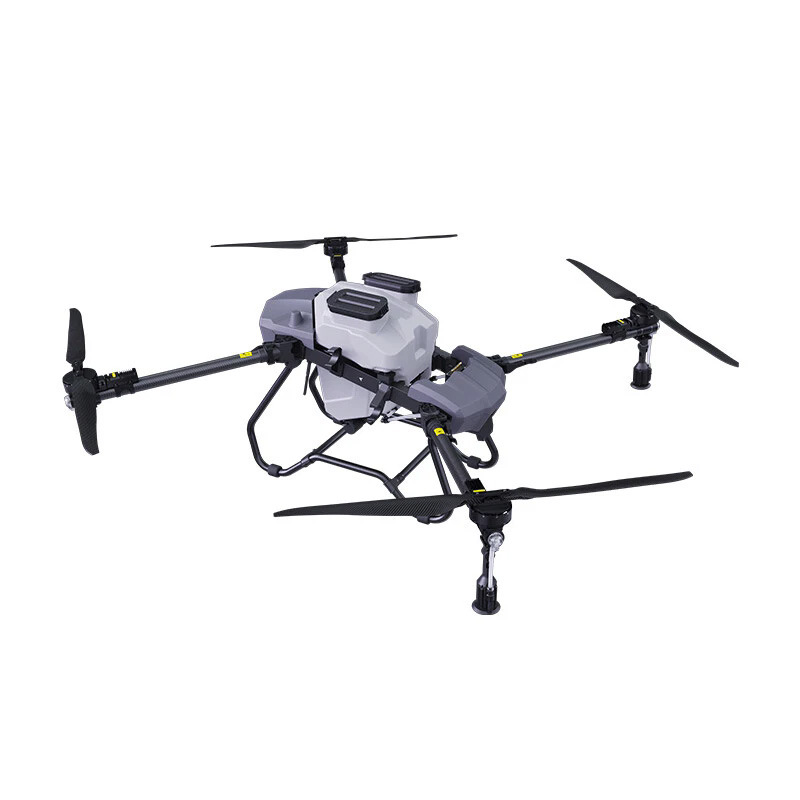
Agriculture is changing rapidly due to automation and smart farming technologies. One of the most impactful innovations in recent years is the agricultural drone. These drones are widely used for spraying, mapping, monitoring, and improving overall farm productivity.
In this article, we will explore the top 10 benefits of using agricultural drones in modern farming and why they are becoming essential tools for farmers and agricultural businesses worldwide.
1. Increased Farming Efficiency
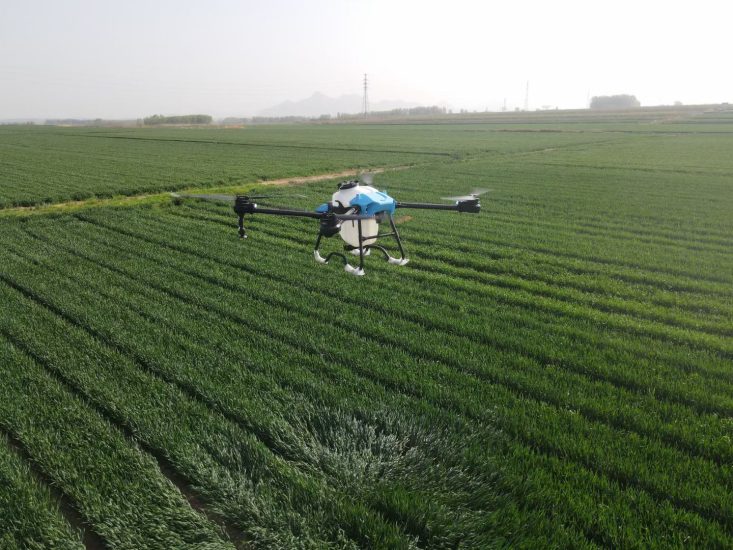
Agricultural drones can cover large areas of farmland in a very short time. Compared to traditional manual spraying, drones can complete tasks in minutes that would normally take hours or even days.
This significantly improves operational efficiency, especially for large-scale farms.
2. Reduced Labor Costs
One of the biggest advantages of farming drones is reducing labor dependency. Farmers no longer need large teams for spraying or monitoring crops.
With drones:
- Fewer workers are needed
- Operational costs are reduced
- Work efficiency increases
3. Precision Agriculture
Drones allow farmers to apply fertilizers and pesticides with high precision.
Benefits include:
- Targeted spraying
- Reduced chemical waste
- Better crop protection
- Environment-friendly farming
This leads to smarter and more sustainable agriculture.
4. Improved Crop Yield
By ensuring accurate spraying and timely crop monitoring, agricultural drones help improve overall crop health.
Healthier crops = higher yield and better quality harvests.
5. Real-Time Crop Monitoring
Agricultural drones can capture high-resolution images and real-time data of farmland.
This helps farmers:
- Detect crop diseases early
- Identify irrigation problems
- Monitor plant growth stages
Early detection reduces crop loss significantly.
6. Faster Decision Making
With aerial data collection, farmers can quickly analyze field conditions and make better decisions.
For example:
- When to spray pesticides
- Where to increase irrigation
- Which areas need fertilization
7. Reduced Chemical Usage
Drones use smart spraying systems that apply chemicals only where needed.
This results in:
- Lower pesticide usage
- Cost savings
- Less environmental pollution
8. Ability to Work in Difficult Terrain
Agricultural drones can easily operate in:
- Mountains
- Wet fields
- Large uneven farms
- Remote areas
This makes them ideal for global farming conditions.
9. Data-Driven Smart Farming
Modern drones collect valuable agricultural data, including:
- Crop health index
- Soil conditions
- Growth patterns
This data helps farmers move toward smart, AI-based agriculture.
10. Scalable for Large Agricultural Projects
Agricultural drones are suitable for both small farms and large industrial plantations.
For large-scale farming, drones can be scaled with:
- Multiple units
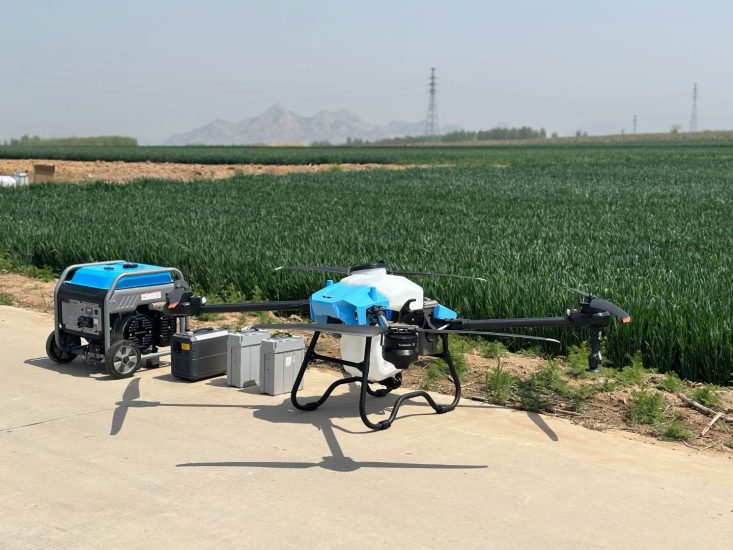
- Battery replacement systems
- Automated flight planning
This makes them a long-term investment for agricultural businesses.
FAQ (Frequently Asked Questions)
Q1: Are agricultural drones suitable for small farms?
Yes. Even small farms benefit from reduced labor and precise spraying.
Q2: Do agricultural drones replace traditional farming methods?
Not completely, but they significantly improve efficiency and reduce manual work.
Q3: Is training required to operate farming drones?
Yes, basic training is usually required for safe and efficient operation.
Q4: Are agricultural drones cost-effective?
Yes. Over time, they reduce labor, chemical, and operational costs.
Agricultural drones are transforming modern farming by improving efficiency, reducing costs, and enabling precision agriculture. From crop monitoring to pesticide spraying, their benefits are wide-ranging and highly valuable for both small farmers and large agricultural enterprises.
As global agriculture continues to modernize, drones will play an even more important role in shaping the future of farming.


No comments yet