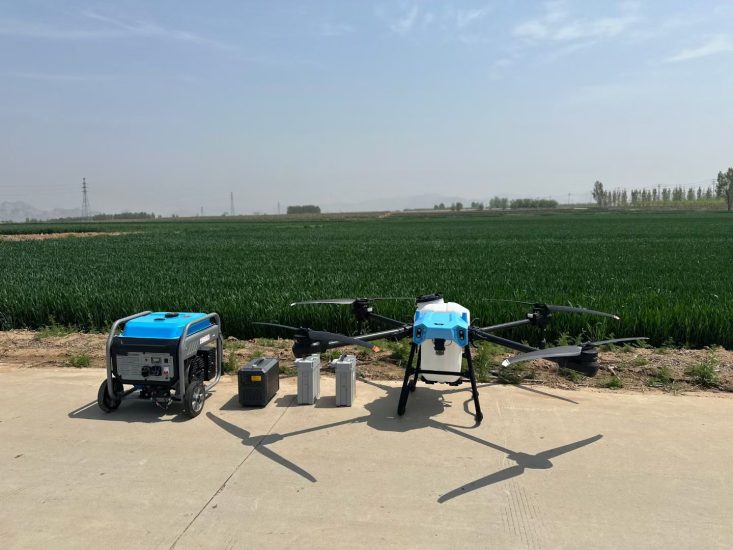


Soybean farming requires careful crop management throughout the growing season. Farmers and agricultural service providers need practical solutions for crop monitoring, spraying operations and field management.
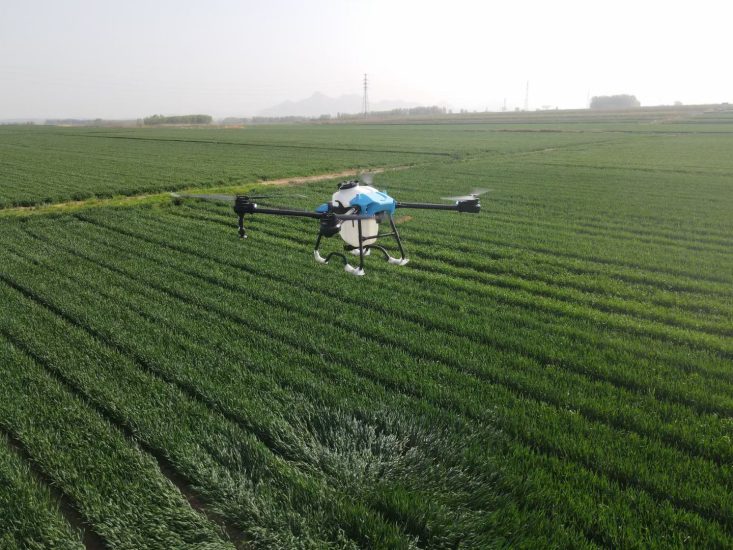
Agricultural spraying drones have become an equipment option worth considering for modern farming operations. They can help operators access certain field areas and carry out targeted spraying tasks, depending on the crop conditions, equipment configuration and local regulations.
For soybean producers in Brazil and other major agricultural markets, choosing the right agricultural drone requires more than comparing tank capacity or purchase price.
This guide explains the key factors to consider when selecting an agricultural spraying drone for soybean farming.
1. Why Consider Agricultural Drones for Soybean Farming?
Soybean farms can cover large areas, and field conditions may change during different growing stages.
Agricultural spraying drones may offer several operational advantages:
-
Access to selected field areas without driving spraying equipment through the crop
-
Flexible deployment for suitable spraying tasks
-
Adjustable spray application settings
-
Digital flight planning on compatible systems
-
Reduced dependence on certain ground-based spraying operations
-
Potentially useful support for agricultural service companies
However, drones are not automatically the best solution for every field or application.
Farmers should compare drone spraying with ground equipment and other application methods according to operating costs, field conditions, weather, chemical requirements and local regulations.
2. Understand Soybean Crop Spraying Requirements
Soybean crops have different management requirements during their growth cycle.
The appropriate spraying method depends on the target pest, disease, weed, crop development stage and agricultural product being applied.
Before selecting a drone, consider:
Crop stage: The height and density of soybean plants can affect spraying access and application conditions.
Field conditions: Wet soil, uneven terrain and difficult access may influence equipment selection.
Target application: Different products and treatment objectives may require different application settings.
Weather: Wind, temperature and humidity can influence spray drift and application performance.
Chemical requirements: Always follow the pesticide label, approved application methods and local agricultural regulations.
A spraying drone should be selected according to the actual agricultural application, not simply because it has a large tank.
3. Choosing the Right Tank Capacity
Tank capacity is one of the first specifications buyers compare.
Different agricultural drone capacities may suit different operating requirements.
Why Consider a 50L Agricultural Spraying Drone?
A 50L agricultural spraying drone may be worth evaluating for commercial agricultural operations and professional spraying service providers.
When comparing a 50L model, check:
-
Maximum tank capacity
-
Pump configuration
-
Nozzle arrangement
-
Spray flow rate
-
Spray width under specified operating conditions
-
Flight control system
-
Battery capacity
-
Charging system
-
Terrain-following or radar options
A larger tank does not automatically mean higher field productivity.
Actual working efficiency depends on application rate, refill time, battery turnaround, field layout, weather and operating procedures.
Compare Complete Equipment Configurations
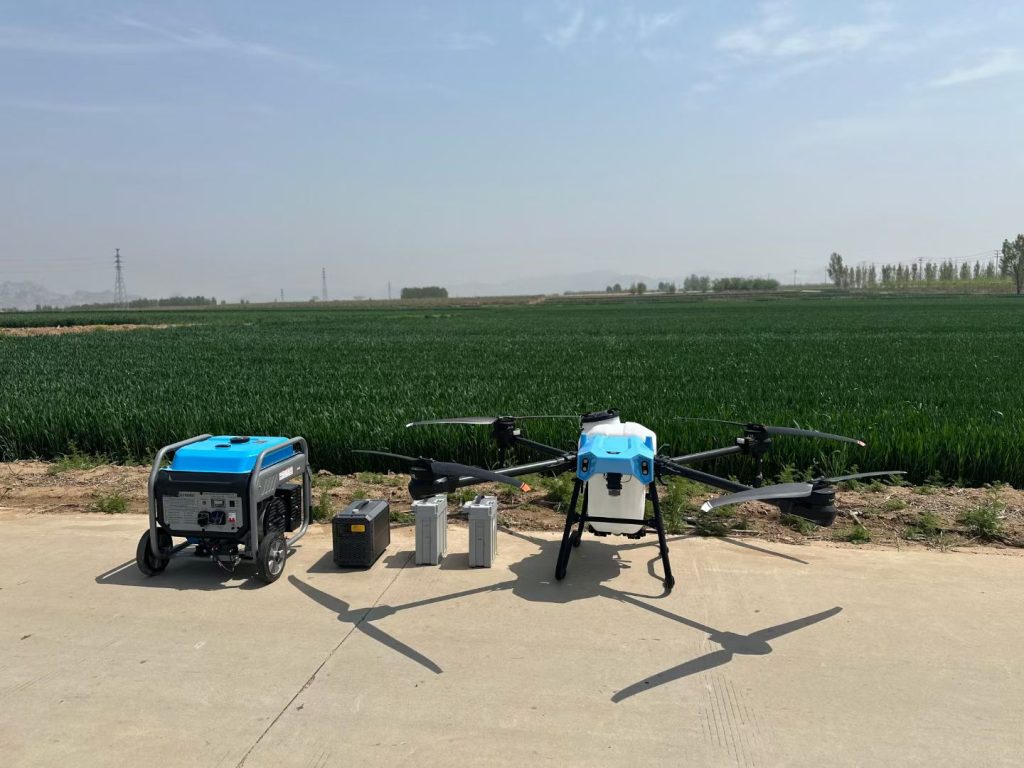
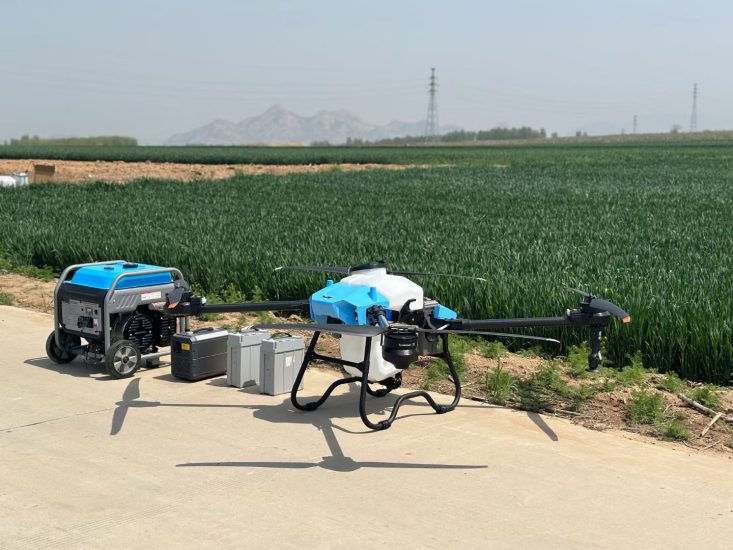
When requesting a quotation, confirm whether the package includes:
-
Drone body
-
Spraying tank
-
Spraying pumps and nozzles
-
Remote controller
-
Flight batteries
-
Battery charger
-
Propellers
-
Optional radar equipment
-
Spare parts
If you require two batteries or additional equipment, request a written packing list before placing your order.
4. Important Spraying System Features
The spraying system is a critical part of an agricultural drone.
For soybean farming, buyers should evaluate the following components.
Spraying Pump
The pump controls the delivery of liquid through the spraying system.
Check its specifications, compatibility and maintenance requirements.
Nozzles
Nozzle selection influences droplet characteristics and application performance.
The correct nozzle depends on the target application, chemical instructions, operating conditions and required droplet size.
Flow Control
An appropriate flow-control system helps operators manage the application rate according to their flight settings.
Filters and Pipelines
Filters and pipelines should be easy to inspect and maintain.
Regular maintenance helps reduce the risk of blockages and inconsistent spraying.
Spray Width
Ask the manufacturer for the recommended spray width under defined conditions.
Do not treat the maximum advertised width as a guaranteed working width for every soybean field.
5. Battery and Charging Requirements
Battery management is important for commercial spraying operations.
A drone with a large tank may still experience operational interruptions if its battery configuration does not match the working schedule.
Before purchasing, check:
-
Battery voltage and capacity
-
Battery quantity
-
Battery weight
-
Charging time
-
Charger compatibility
-
Recommended operating temperature
-
Battery maintenance instructions
-
Replacement battery availability
For professional operators, compare the number of batteries required for the planned daily workload.
Do not assume that every complete drone package includes two batteries. Confirm the exact quantity in the quotation.
6. GPS, Navigation and Terrain Following
Navigation systems can support agricultural drone operations.
Depending on the model and configuration, buyers may consider:
-
GPS navigation
-
Flight route planning
-
Automatic flight functions
-
Terrain-following radar
-
Obstacle detection
-
RTK positioning options
These features are not necessarily included in every model.
For soybean farms with uneven terrain or changing field elevations, ask whether the proposed system supports the intended operating environment.
The operator should also understand the limitations of automated functions and follow the manufacturer’s operating instructions.
7. How to Evaluate Drone Spraying Performance
Before purchasing, request realistic performance information from the manufacturer.
Useful specifications include:
-
Maximum takeoff weight
-
Tank capacity
-
Recommended operating speed
-
Application rate
-
Spray flow rate
-
Battery endurance under defined conditions
-
Recommended flight height
-
Spray width under specified conditions
Actual field capacity should be evaluated through practical testing.
For example, the theoretical spraying area per hour may differ significantly from actual daily productivity because of refilling, battery changes, transport, weather and field preparation.
For soybean farming, a field test under local operating conditions is more useful than relying on a single advertised productivity number.
8. Selecting an Agricultural Drone Supplier in China
For Brazilian importers and agricultural equipment distributors, selecting a reliable manufacturer is an important purchasing decision.
Before ordering, ask the supplier:
-
What agricultural drone models are available?
-
Can you provide complete technical specifications?
-
What battery and charger configurations are offered?
-
Are spraying system components replaceable?
-
Can you supply spare parts?
-
Can you provide operating videos?
-
Is OEM branding available?
-
What warranty terms are offered?
-
Can you provide the documentation needed for import evaluation?
Ask for a clear quotation showing the drone model, accessories, battery quantity and optional equipment.
A professional purchasing process should also include a clear agreement about product configuration, inspection and after-sales support.
9. Importing Agricultural Spraying Drones into Brazil
Brazilian buyers importing agricultural drones from China should confirm the applicable customs and regulatory requirements before shipment.
Important areas include:
-
Correct NCM product classification
-
Import declaration and customs procedures
-
Applicable taxes and charges
-
ANAC aircraft and operating requirements
-
ANATEL requirements for radio equipment
-
DECEA airspace authorization
-
MAPA requirements for agricultural aviation activities
-
Lithium battery transportation documentation
Import clearance and permission to operate an agricultural drone are separate matters.
A product being shipped from China does not automatically mean it can be commercially operated in Brazil without further checks.
Work with a Brazilian customs broker and verify the current requirements with the relevant authorities.
10. Maintenance and Spare Parts for Soybean Spraying Drones
Regular maintenance helps keep agricultural equipment in suitable working condition.
For agricultural spraying drones, pay attention to:
-
Propeller inspection
-
Motor inspection
-
Battery condition
-
Pump operation
-
Nozzle cleaning
-
Filter replacement
-
Pipeline inspection
-
Landing gear
-
Flight controller and navigation system
Distributors and professional spraying companies should consider keeping appropriate spare parts available.
The required inventory depends on the drone model, operating frequency and local maintenance capabilities.
Ask your supplier which spare parts can be purchased separately and how technical support is provided.
11. OEM Agricultural Drone Solutions for Brazilian Distributors
Agricultural equipment distributors may want to develop their own brand in the Brazilian market.
OEM cooperation can be discussed with Chinese manufacturers.
Potential customization options may include:
-
Company logo
-
Customized product colors
-
Branded packaging
-
User manuals
-
Selected accessories
-
Commercial documentation
Before starting an OEM project, confirm the available customization options, order requirements, production schedule and quality-control arrangements.
Also make sure the customized equipment and radio components can meet the applicable Brazilian requirements.
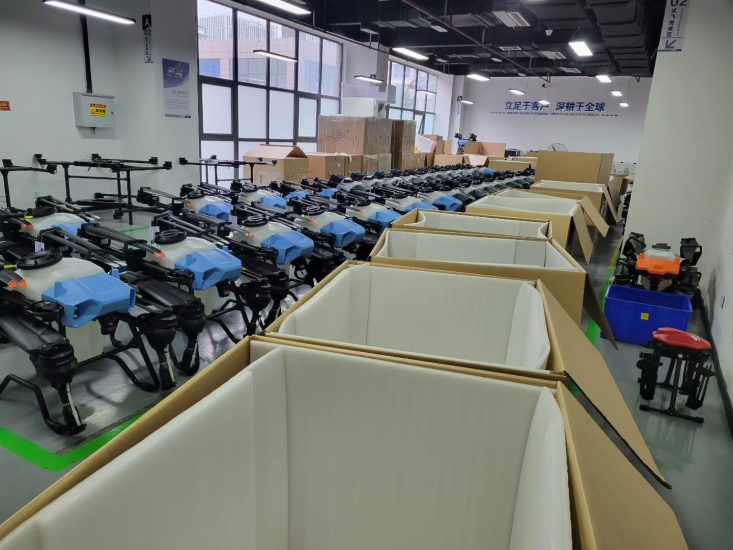
12. Why Consider MSOEN Agricultural Drones?
MSOEN supplies agricultural and industrial drone solutions for international buyers.
For soybean farming equipment buyers, we can discuss agricultural spraying drone models and configurations according to the intended application.
Our agricultural drone range includes larger-capacity spraying solutions for buyers evaluating commercial agricultural equipment.
If you are considering a 50L agricultural spraying drone, you can discuss:
-
Tank capacity and spraying configuration
-
Battery and charger options
-
Remote controller
-
Navigation equipment
-
Optional radar systems
-
Spare parts
-
OEM customization
We welcome inquiries from Brazilian agricultural equipment importers, distributors and professional spraying service providers.
Explore our Agricultural Drones or contact our team to discuss your requirements.
Frequently Asked Questions
1. Can agricultural drones be used for soybean spraying?
Agricultural drones may be used for suitable soybean spraying applications, subject to equipment suitability, product label requirements, weather conditions and local regulations.
2. Is a 50L agricultural spraying drone suitable for soybean farms?
A 50L model may be suitable for some commercial farming and agricultural service applications. Buyers should evaluate tank capacity together with spraying performance, battery configuration, refill arrangements and field conditions.
3. How much area can a 50L agricultural drone spray per hour?
Actual productivity depends on application rate, flight speed, spray width, field layout, refill time, battery changes and weather. Request performance data under clearly defined operating conditions rather than relying on a single advertised figure.
4. What battery configuration should I choose?
Battery configuration depends on the drone model and expected operating schedule. Confirm battery voltage, capacity, quantity and charger compatibility before purchasing.
5. Can I buy soybean spraying drones directly from China?
International buyers can contact Chinese agricultural drone suppliers to discuss product specifications, pricing, OEM options and shipping arrangements. Brazilian importers should also confirm applicable import and operating requirements.
6. Can I customize an agricultural drone with my company logo?
OEM customization may be available depending on the manufacturer and order requirements. Confirm logo placement, colors, packaging and other customization details before production.
7. What spare parts should agricultural drone distributors prepare?
Common maintenance items may include propellers, motors, pumps, nozzles, filters and other model-specific components. The appropriate inventory should be based on the equipment configuration and expected service demand.
Contact MSOEN for Agricultural Spraying Drone Solutions
Are you looking for an agricultural spraying drone for soybean farming?
Whether you are a farm equipment importer, agricultural distributor or spraying service provider, MSOEN welcomes your inquiry.
Tell us your required tank capacity, target application, quantity and preferred equipment configuration.
Our team can discuss suitable agricultural drone options from China.
THE END


No comments yet