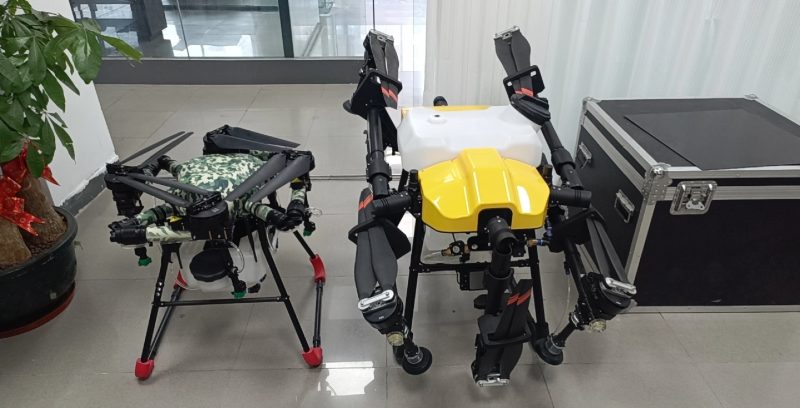



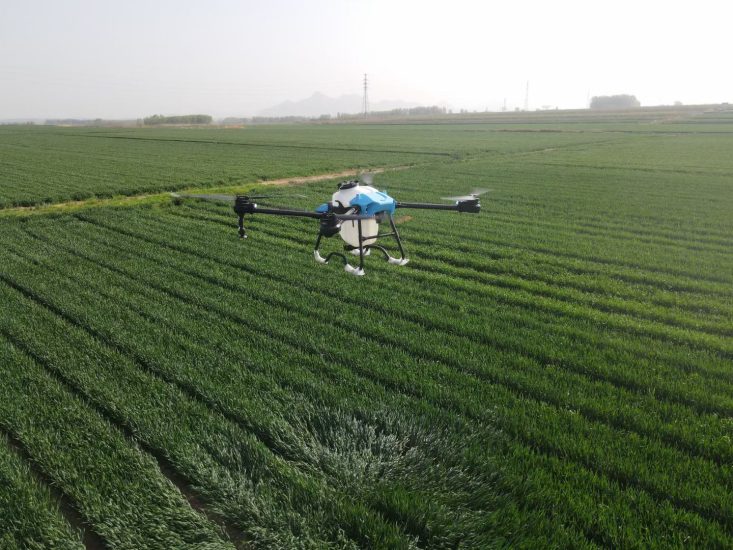
The agricultural industry is rapidly adopting drone technology to improve efficiency, reduce labor costs, and support sustainable farming practices. Crop spraying drones are now widely used for pesticide application, fertilizer spreading, crop monitoring, and precision agriculture.
China has become one of the world’s largest manufacturers and exporters of agricultural drones, supplying customers across Europe, North America, South America, Africa, Southeast Asia, and the Middle East. With hundreds of manufacturers available, choosing the right supplier requires careful evaluation of product quality, certifications, technical support, manufacturing capability, and after-sales service.
This ultimate guide covers everything international buyers need to know before selecting a China crop spraying drone supplier.
Why Choose a China Crop Spraying Drone Supplier?
Chinese manufacturers have developed complete agricultural drone production systems supported by mature supply chains and continuous technological innovation.
Key advantages include:
-
Competitive factory-direct pricing
-
Advanced flight control technology
-
Strong research and development capabilities
-
Large-scale manufacturing capacity
-
OEM & ODM customization
-
Global export experience
-
Reliable spare parts support
-
Professional technical assistance
These strengths make China a preferred sourcing destination for agricultural UAVs.
Main Applications of Crop Spraying Drones
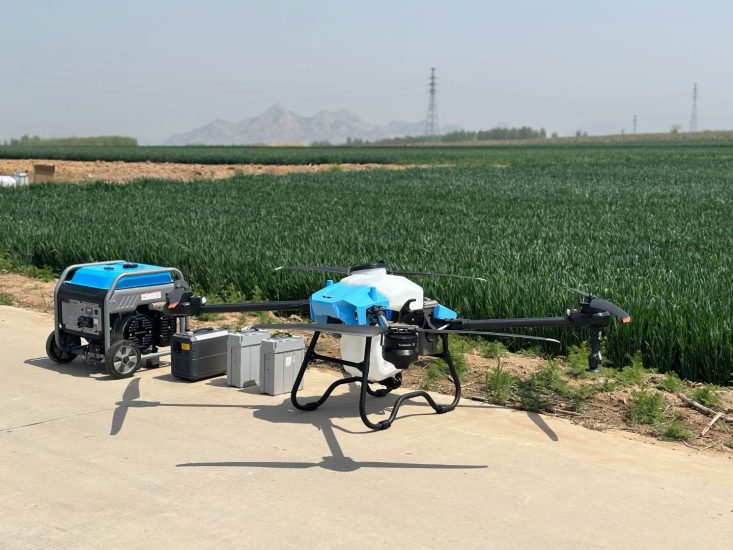
Modern agricultural drones are designed for a wide range of farming tasks.
Crop Spraying
Suitable for applying:
-
Herbicides
-
Fungicides
-
Insecticides
-
Plant growth regulators
-
Liquid fertilizers
Precision spraying reduces chemical waste and improves crop coverage.
Fertilizer Spreading
Many drones support interchangeable spreading systems for:
-
Granular fertilizers
-
Rice seeds
-
Grass seeds
-
Animal feed
This increases equipment utilization throughout the farming season.
Orchard Protection
Agricultural drones are widely used in:
-
Citrus orchards
-
Apple orchards
-
Mango plantations
-
Olive groves
-
Vineyards
Obstacle avoidance and terrain-following technology improve safety in complex environments.
Field Monitoring
Optional cameras and sensors enable:
-
Crop growth monitoring
-
Disease detection
-
Field inspections
-
Vegetation analysis
-
Precision agriculture planning
Choosing the Right Payload
Different farms require different drone capacities.
Payload |
Recommended Application |
|---|---|
20L |
Small farms |
30L |
Medium-sized farms |
40L |
Agricultural contractors |
50L |
Commercial farming |
70L |
Large-scale agricultural projects |
Selecting the correct payload improves efficiency and lowers operating costs.
Essential Technical Features
A professional agricultural drone should include:
Intelligent Flight Control
-
GPS navigation
-
RTK positioning
-
Automatic route planning
-
Return-to-home
-
Automatic takeoff and landing
-
Terrain following
Precision Spraying System
Look for:
-
High-flow pumps
-
Precision nozzles
-
Adjustable flow rate
-
Uniform atomization
-
Intelligent spray control
Obstacle Avoidance
Advanced sensors can detect:
-
Trees
-
Utility poles
-
Buildings
-
Power lines
Obstacle avoidance improves flight safety and reduces accidents.
Smart Battery System
High-quality drones should feature:
-
Intelligent lithium batteries
-
Fast charging
-
Battery health monitoring
-
Temperature protection
-
Long cycle life
Important Certifications
Before purchasing, verify that the supplier provides internationally recognized certifications.
Common certifications include:
-
CE
-
FCC
-
RoHS
-
ISO 9001
-
UN38.3
-
MSDS
Depending on the destination country, additional local approvals may also be required.
Manufacturing Capability
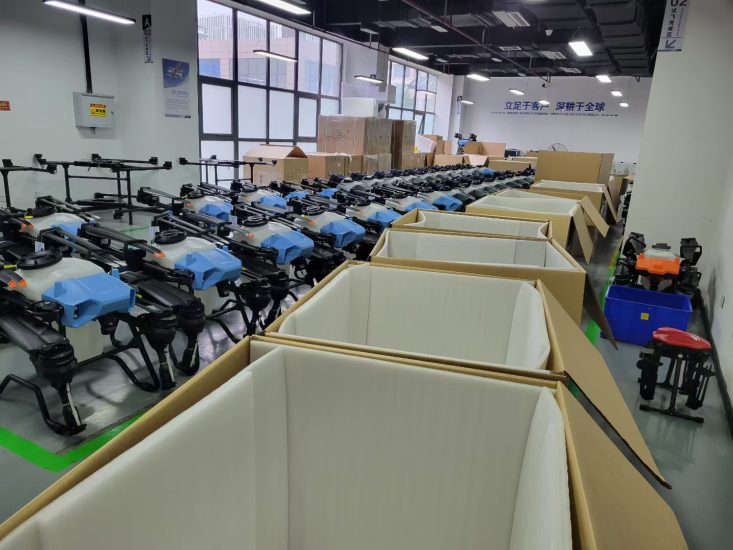
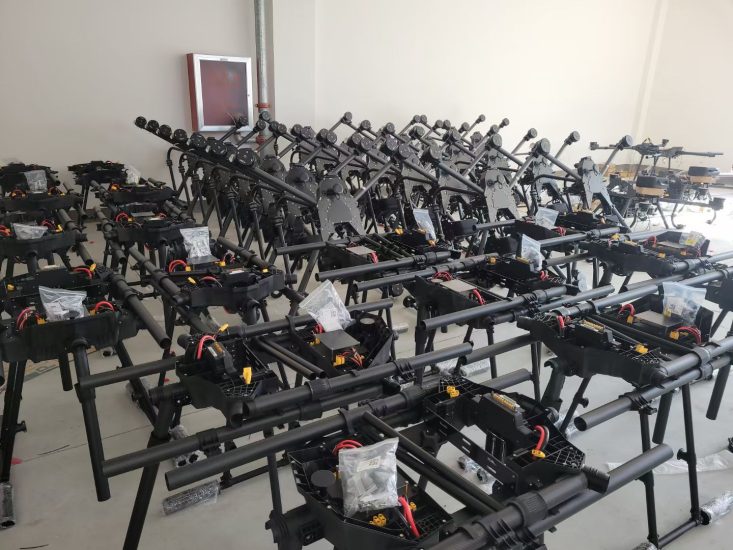
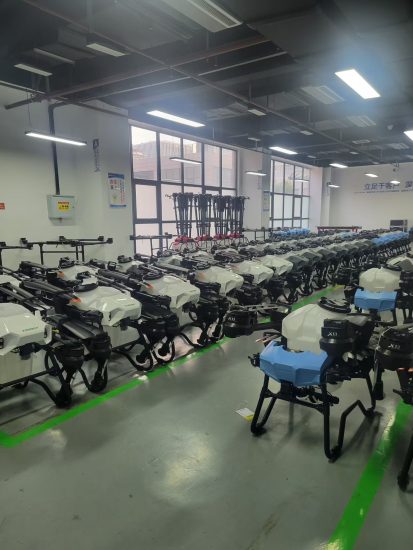
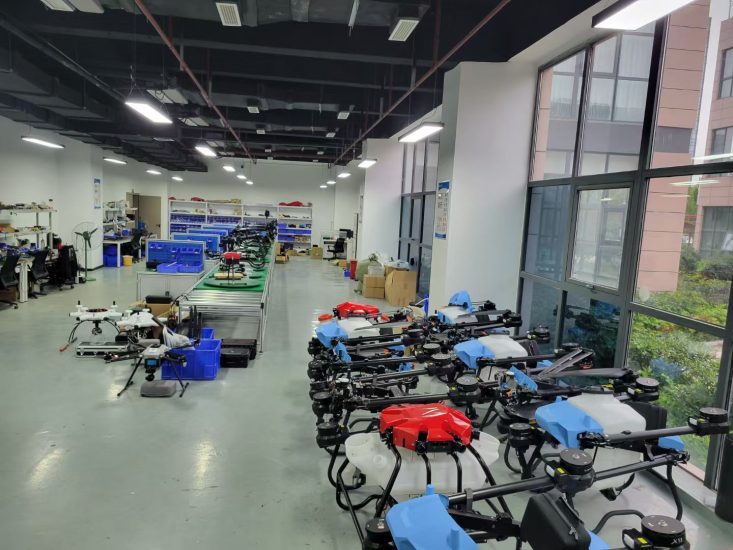
Reliable suppliers usually operate their own factories.
Ask about:
-
Production capacity
-
Factory size
-
Assembly lines
-
Quality inspection procedures
-
Flight testing
-
R&D team
-
Export experience
Manufacturers with strong production capabilities generally provide more consistent product quality.
OEM & ODM Solutions
Professional suppliers commonly offer:
-
Custom logos
-
Product colors
-
Packaging design
-
User manuals
-
Software branding
-
Controller customization
OEM services help distributors establish their own brands in international markets.
Spare Parts Availability
Reliable manufacturers maintain inventories of:
-
Motors
-
Propellers
-
ESCs
-
Flight controllers
-
Pumps
-
Spray nozzles
-
Landing gear
-
Radar sensors
-
Batteries
-
Chargers
Fast spare parts supply minimizes equipment downtime.
Technical Support
Excellent after-sales service is essential.
Look for suppliers offering:
-
Installation guidance
-
Online training
-
Maintenance manuals
-
Video tutorials
-
Firmware updates
-
Remote diagnostics
-
Warranty support
Strong technical support reduces maintenance costs and improves customer satisfaction.
Shipping and Export Experience
Experienced exporters understand:
-
Battery transportation regulations
-
Air freight
-
Sea freight
-
Export packaging
-
Customs documentation
-
Commercial invoices
-
Packing lists
-
Certificates of Origin
Proper export preparation minimizes shipping delays.
How to Evaluate a Supplier
Before placing an order, ask these questions:
-
Are you a manufacturer or trading company?
-
How many years have you produced agricultural drones?
-
Which countries have you exported to?
-
What certifications do your drones have?
-
What warranty do you provide?
-
Can you provide OEM customization?
-
How quickly can spare parts be supplied?
-
Do you offer technical training?
-
What is the production lead time?
-
Can you provide customer references?
Common Mistakes Buyers Should Avoid
Avoid these common purchasing mistakes:
-
Choosing only the lowest price
-
Ignoring certifications
-
Skipping sample testing
-
Overlooking after-sales support
-
Forgetting spare parts
-
Not verifying manufacturing capability
Long-term reliability is more important than short-term savings.
Future Trends in Agricultural Drones
The agricultural UAV industry continues to evolve.
Future innovations include:
-
Artificial intelligence
-
Autonomous flight
-
Precision variable-rate spraying
-
Cloud fleet management
-
Remote diagnostics
-
Smart agriculture integration
-
Improved battery technology
-
Multi-drone coordinated operations
These developments will further improve farming efficiency and sustainability.
Conclusion
Selecting the right China crop spraying drone supplier requires careful evaluation of manufacturing capability, certifications, product quality, technical support, and export experience. A trustworthy supplier should offer not only advanced agricultural drones but also comprehensive OEM solutions, reliable spare parts, operator training, and long-term after-sales support.
By working with an experienced Chinese manufacturer, distributors, importers, and agricultural businesses can access innovative crop spraying technology, competitive pricing, and dependable service that supports long-term business growth.
Frequently Asked Questions (FAQ)
1. Why should I buy crop spraying drones from China?
China offers advanced manufacturing, competitive pricing, strong R&D capabilities, and extensive export experience, making it one of the best sourcing destinations for agricultural drones.
2. Which drone size should I choose?
The right payload depends on your farm size and application. Common options include 20L, 30L, 40L, 50L, and 70L models.
3. What certifications should I verify?
Check for CE, FCC, RoHS, ISO 9001, UN38.3, and MSDS, along with any certifications required in your local market.
4. Can Chinese suppliers provide OEM and ODM services?
Yes. Most professional manufacturers offer custom branding, packaging, software interfaces, user manuals, and product color customization.
5. What support should a reliable supplier provide?
A professional supplier should offer technical training, spare parts, firmware updates, warranty service, maintenance guidance, and remote troubleshooting.
6. How long does international shipping take?
Air freight usually takes 5–10 days, while sea freight generally takes 20–45 days, depending on the destination country, shipping route, and customs clearance process.
THE END


No comments yet