

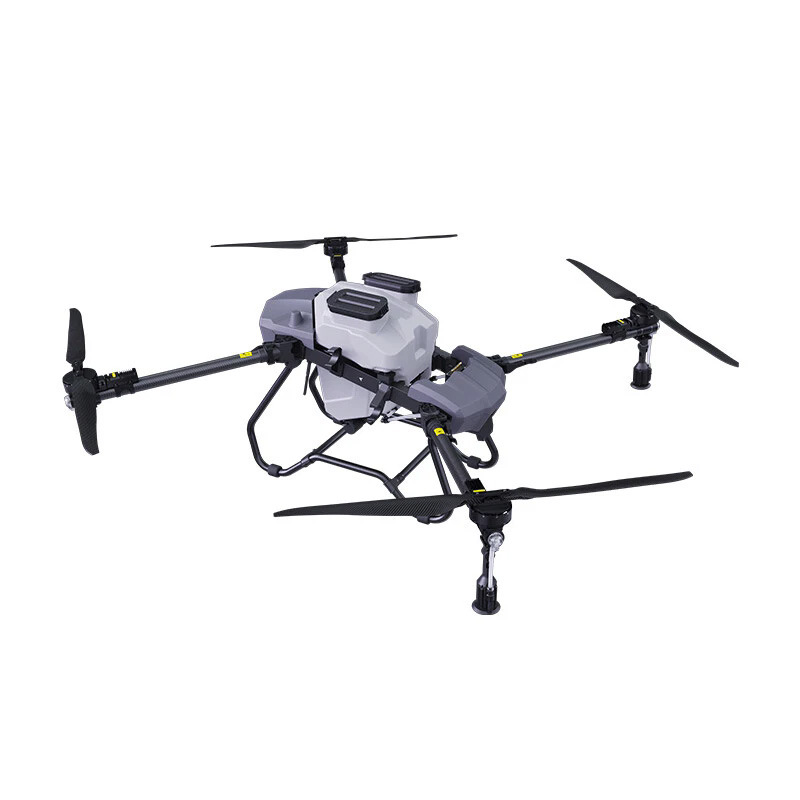

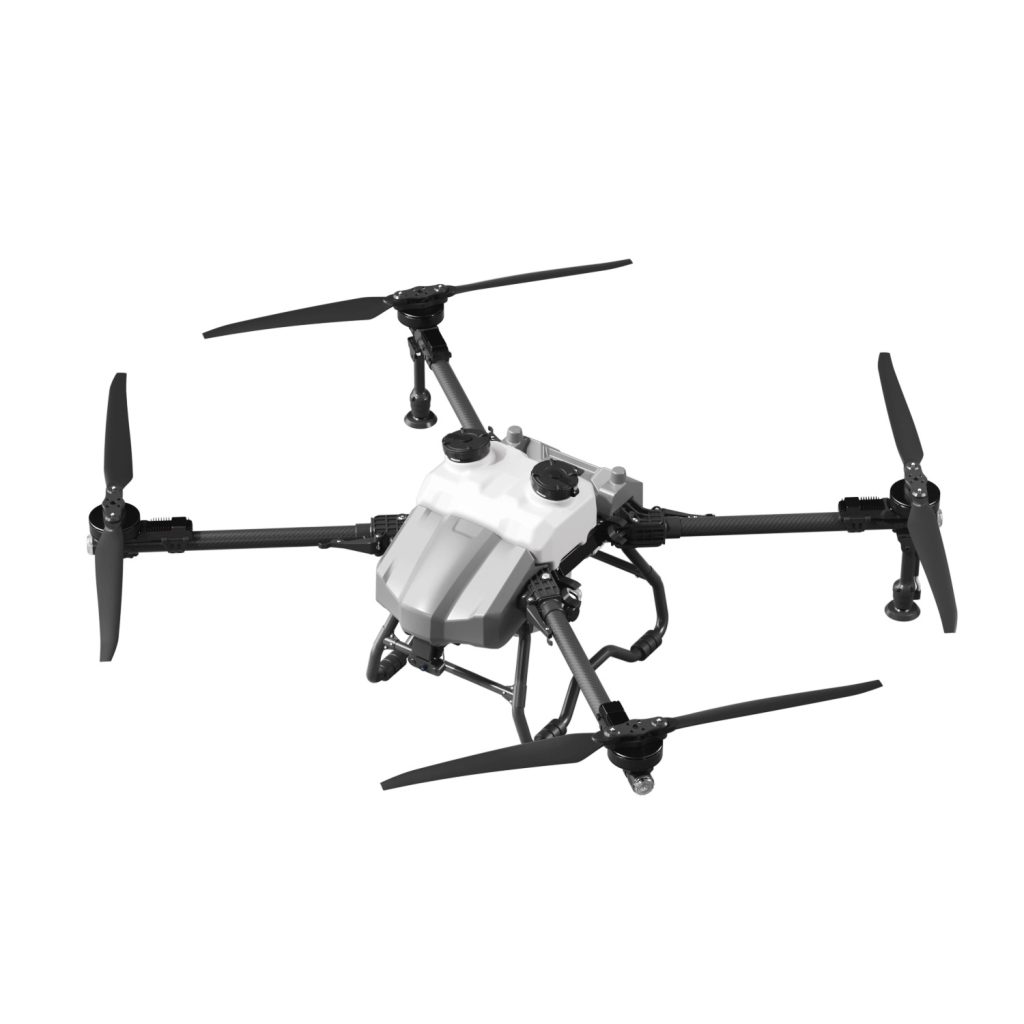
The acquisition of capital equipment in agriculture has historically been fraught with invisible costs: the cost of training, the cost of integration, the cost of failure during the learning curve, and the depreciating value of idle machinery. The traditional model of selling a complex piece of machinery like an agricultural drone often leaves the buyer with a powerful tool but without the knowledge or support system to wield it effectively. This article provides a definitive analysis of a new paradigm in agricultural technology sales: the “Turnkey Profit” model. This approach is defined by three pillars: comprehensive operational training (“Training Included”), a complete suite of ancillary equipment (“Full Accessories Package”), and robust risk mitigation protocols (“Insurance Provided”). We will explore how this ecosystem transforms a high-risk capital purchase into a seamless, revenue-generating deployment from day one.
The Core Problem: The Gap Between Ownership and Proficiency
A spraying drone is not a commodity; it is a sophisticated cyber-physical system. The gap between taking possession of the hardware and achieving profitable, safe, and efficient operation is vast. Most equipment failures and financial losses in the first year of ownership are not due to mechanical defects, but to operational errors. The Turnkey model is designed specifically to bridge this gap.
The Cognitive Load of Precision Agriculture
Operating a drone requires the convergence of agronomy, meteorology, and robotics. A novice operator must understand not only how to fly the aircraft but also how to calibrate spray nozzles for different viscosities, how to read wind vectors, how to interpret NDVI maps for variable rate application, and how to manage battery thermodynamics. Without a structured training program, this cognitive load leads to poor application, crop damage, and equipment crashes.
Pillar 1: The “Training Included” Protocol – From Theory to Field Mastery
Effective training for agricultural drone operation must be multi-layered, moving from theoretical knowledge to supervised practical application. It is not merely about teaching someone to push buttons; it is about building an agronomic technician.
Module 1: The Agronomic Foundation
Before touching a transmitter, the operator must understand the “why.”
-
Chemical Dynamics: Training covers the science of droplet size (VMD – Volume Median Diameter), the impact of evaporation rates on different chemicals, and the principles of drift mitigation.
-
Regulatory Compliance: A comprehensive understanding of local aviation authority regulations, no-spray zones, and environmental protection laws. This is critical for legal operation and risk management.
Module 2: Systems and Maintenance Engineering
A drone is an industrial machine that requires rigorous maintenance.
-
Pre-Flight Forensics: Trainees learn to conduct a “100-point inspection,” identifying hairline cracks in propeller arms, checking bearing play in motors, and verifying the integrity of gasket seals on spray pumps.
-
Firmware and Data Management: Understanding how to update flight controller firmware, calibrate IMUs (Inertial Measurement Units), and manage the data link between the base station and the rover.
Module 3: Flight Dynamics and Scenario-Based Simulation
-
Simulator Training: Before field deployment, operators spend hours in high-fidelity simulators that replicate real-world failures: motor loss, GPS denial, and wind shear. This builds muscle memory for emergency protocols.
-
The Field Transition: Under the supervision of a master trainer, the operator transitions to a live aircraft. The training focuses on managing the aircraft in varying wind conditions and executing precise landing protocols on uneven terrain.
Pillar 2: The “Full Accessories Suite” – Eliminating Operational Bottlenecks
A drone without its ecosystem is a hobbyist device. A professional operation requires a suite of support equipment that ensures the aircraft never waits for a resource. The “Full Accessories” package is engineered to eliminate downtime.
The Power Management Infrastructure
The single biggest bottleneck in drone operations is battery cycling. A professional kit includes:
-
Multi-Bank High-Speed Chargers: Capable of charging 6 to 12 batteries simultaneously. These are not standard chargers; they are intelligent systems that balance cells and monitor internal resistance to prevent thermal runaway.
-
The Battery Fleet: A minimum of 10-15 flight batteries. This ensures a “hot-swap” workflow where depleted batteries are immediately replaced with charged ones, maximizing flight time per day.
The Logistics and Refilling System
-
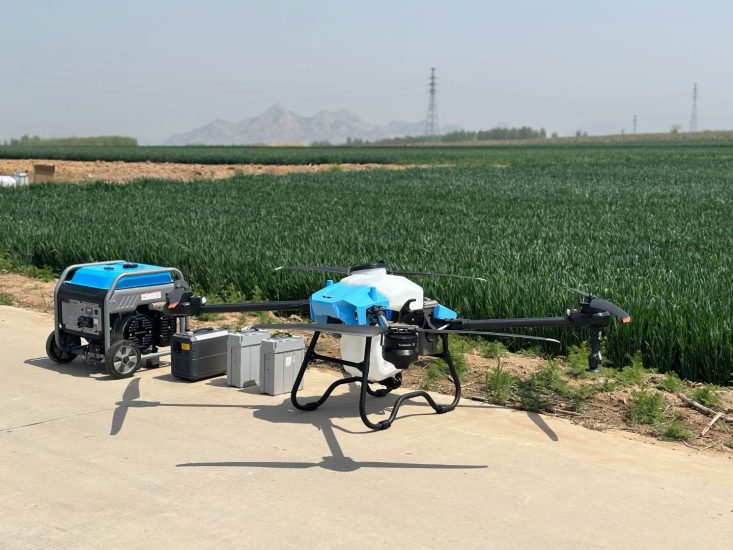
Mobile Ground Station: A ruggedized, wheeled case that serves as a mobile command center. It includes a high-brightness sunlight-readable tablet, a long-range radio telemetry system, and storage for tools.
-
Rapid Refill System: A high-capacity, pressurized mixing tank with a filtration system. This allows for quick refilling of the drone’s tank without contaminating the spray mixture with particulates, which can clog nozzles.
-
Spare Parts Criticality: The kit includes a full set of critical spares: propellers, nozzle tips of various sizes, pump diaphragms, and electronic speed controllers. This ensures that a minor mechanical failure does not ground the operation for days waiting for a shipment.
Pillar 3: The “Insurance Provided” Framework – Mitigating Financial Exposure
Insurance in the drone industry is often an afterthought. In the Turnkey model, it is a foundational component that de-risks the investment.
Hull and Liability Coverage
-
Physical Damage (Hull): Coverage for the aircraft, sensors, and accessories against crash damage, fire, and theft. This is crucial because the cost of a major component failure can approach the cost of a new machine.
-
Third-Party Liability: Protection against claims for bodily injury or property damage. If a drone were to drift and damage a neighbor’s greenhouse or livestock, this insurance protects the operator’s assets.
The Operational Risk Transfer
By including insurance, the seller transfers the financial risk of the “learning curve” to the insurer. A novice operator is statistically more likely to experience a hard landing. Knowing that the financial impact of a repair is covered allows the operator to focus on learning the operational aspects rather than being paralyzed by the fear of a costly mistake.
The Economics of “Ready to Earn”: A Financial Model
The Turnkey model fundamentally alters the Return on Investment (ROI) calculation. By removing the friction of setup, training, and risk, the revenue clock starts ticking immediately.
Compression of the Ramp-Up Period
In a traditional purchase, the first 30 to 60 days are often spent learning the system, sourcing accessories, and dealing with unexpected crashes. During this period, the machine is a cost center. With the Turnkey model, the operator is generating revenue on day one. The cost of the training and accessories is amortized over the first few profitable jobs, effectively making the transition to profitability seamless.
Total Cost of Ownership (TCO) vs. Initial Purchase Price
A savvy buyer looks at TCO.
-
Scenario A (Barebones): Low purchase price + separate training costs + separate accessory costs + high insurance premiums + downtime costs = High TCO.
-
Scenario B (Turnkey): Higher initial price + zero training cost + zero accessory cost + included insurance + immediate revenue generation = Lower TCO and faster ROI.
Technical Deep Dive: The Integration of Systems
The true value of this package lies in the integration of its components. The training is specific to the hardware in the accessory kit. The insurance is underwritten based on the safety protocols taught in the training.
The Role of RTK in Training
The training emphasizes the use of RTK (Real-Time Kinematic) GPS. Trainees learn how to set up the base station, understand the difference between “Float” and “Fix” solutions, and how to use centimeter-level accuracy to prevent overspray. This technology is useless without the knowledge to operate it, which is why training is inseparable from the hardware.
Battery Health Management
The training includes a module on battery health. Operators learn how to read the data from the smart chargers to identify batteries with rising internal resistance. This proactive management prevents battery failures in flight, a leading cause of crashes that insurance might not cover if due to negligence.
Operational Workflow: The Turnkey Day
Let us visualize the first day of operation for a buyer who has received the Turnkey package.
-
Arrival: The operator arrives at the field with the mobile ground station. The tablet is already configured with the field boundaries.
-
Deployment: The RTK base station is set up in minutes. The drone is unpacked from its custom case.
-
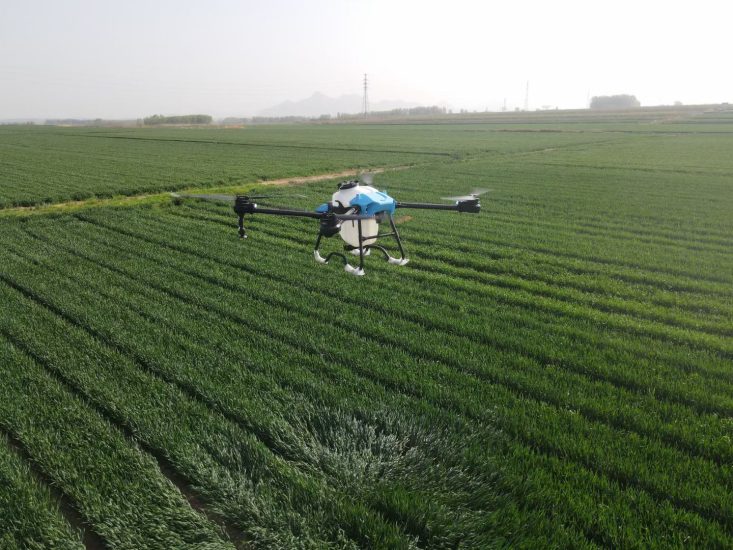
Execution: The operator, trained in the morning, executes the mission. The high-speed charger keeps the battery fleet ready. The rapid refill system keeps the drone in the air.
-
Incident Management: A bird strike damages a propeller. The operator swaps it with a spare from the kit. The mission continues.
-
Conclusion: The job is completed safely and efficiently. The insurance provides peace of mind, and the accessories ensured zero downtime.
The Strategic Advantage: Scalability
The Turnkey model is designed for scalability. Because the training is standardized and the equipment is comprehensive, an operator can scale from one drone to a fleet with minimal friction. The knowledge and systems are transferable, allowing for the hiring of additional staff who can be trained using the same established protocols.
Conclusion: The End of the Learning Curve
The “Training Included + Full Accessories + Insurance Provided” model represents the maturation of the agricultural drone market. It acknowledges that the value of the hardware is only realized when it is part of a supported, risk-mitigated ecosystem. For the buyer, it transforms a complex, high-risk technological adoption into a simple business decision. You are not just buying a drone; you are acquiring a fully operational, insured, and supported profit center. This is the new standard for professional agricultural technology deployment, ensuring that the moment the aircraft leaves the ground, it is already earning its keep.
THE END


No comments yet