


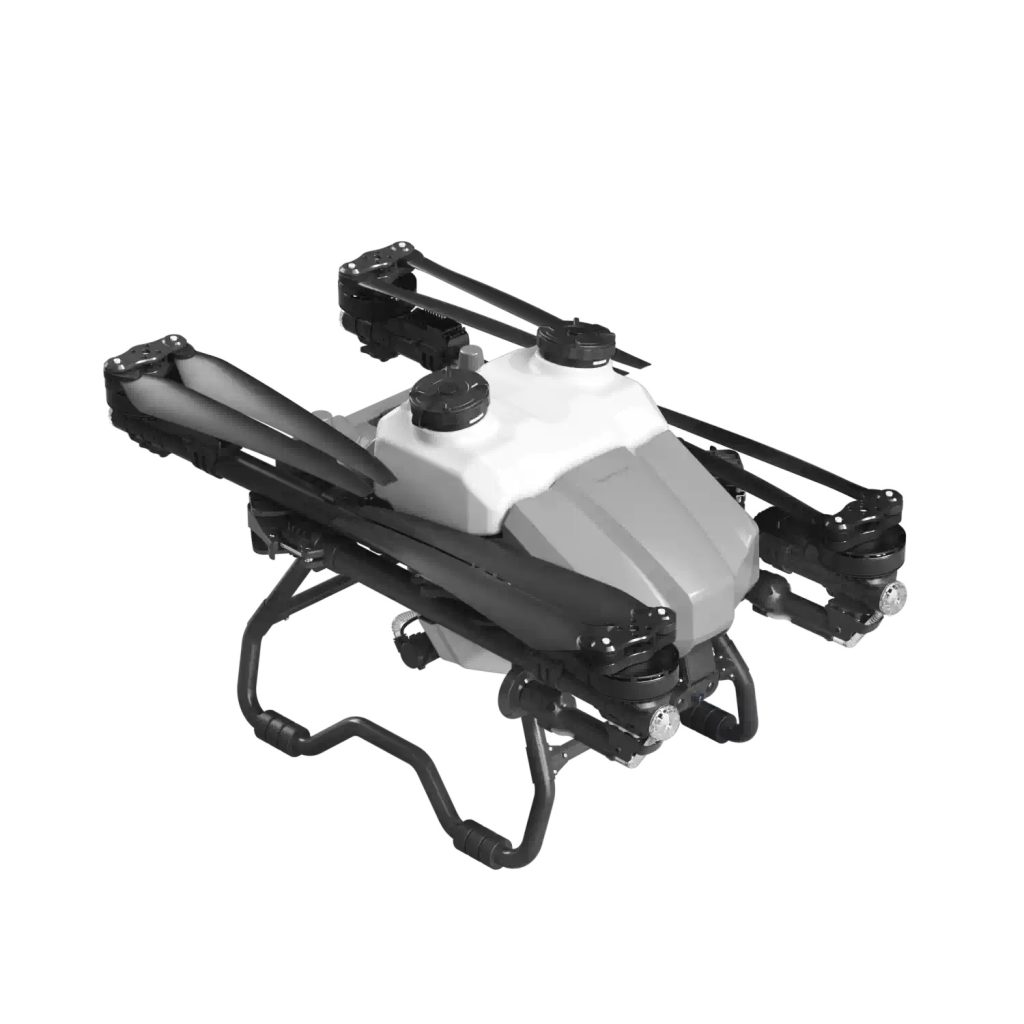
Introduction: Navigating the Evolving Agri-Tech Landscape
The global agricultural sector is undergoing a profound transformation, driven by the convergence of climate volatility, population growth, and the urgent need for resource optimization. At the heart of this revolution lies unmanned aerial technology. For entrepreneurs, distributors, and investors looking at the agro-drone market, the question is no longer about whether this technology works—the efficacy of UAVs in crop protection is well-established—but rather how to enter the market with a competitive edge. The most viable path to sustainable growth and market dominance is through partnership with a source factory offering robust OEM branding services, backed by rigorous international certifications like CE and FCC, and supported by comprehensive warranty programs.
This article explores the strategic advantages of building a business around a 2024 new-generation plant protection drone platform. We will delve into why bypassing trading companies to work directly with the manufacturing source is the only way to ensure healthy profit margins, superior product quality, and long-term brand equity in a rapidly commoditizing market.
Chapter 1: The Source Factory Advantage – Beyond the Transaction
In the world of agricultural machinery, the term “factory price” is often used loosely. True factory-direct engagement means more than just a lower price tag; it signifies a fundamental alignment between the product’s engineering and the market’s needs.
1.1 Engineering Transparency and Customization
When you partner with a source factory, you gain access to the core R&D team. Unlike traders who merely ship boxes, factories understand the nuances of flight control systems, power management, and spray atomization. This relationship allows for genuine customization. Whether your target market requires modifications for high-temperature environments, specific frequency bands for local regulations, or specialized software interfaces for local languages, a direct line to the engineers ensures these adaptations are implemented swiftly.
1.2 Quality Control from the Ground Up
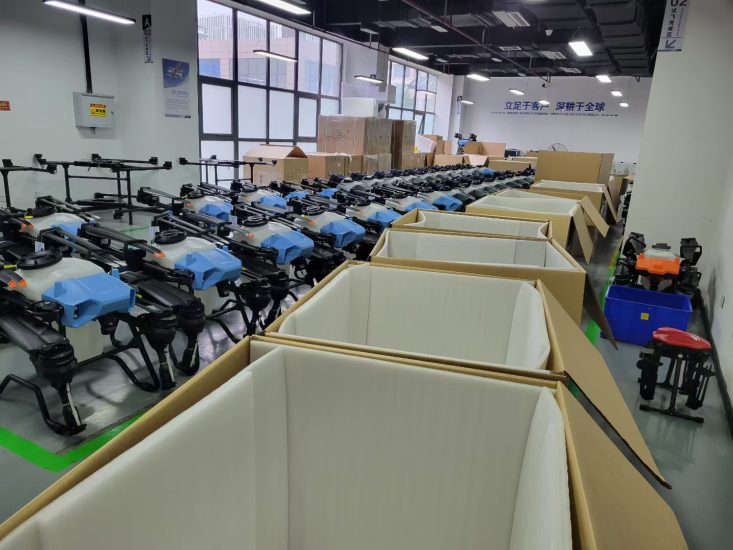
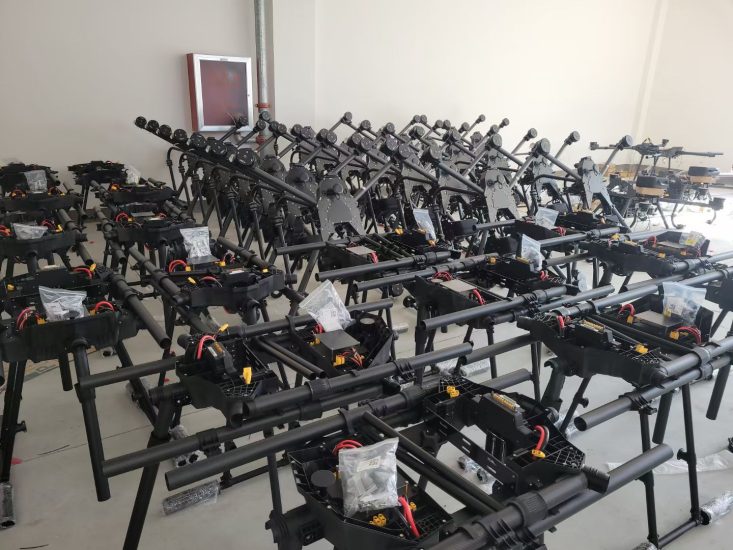
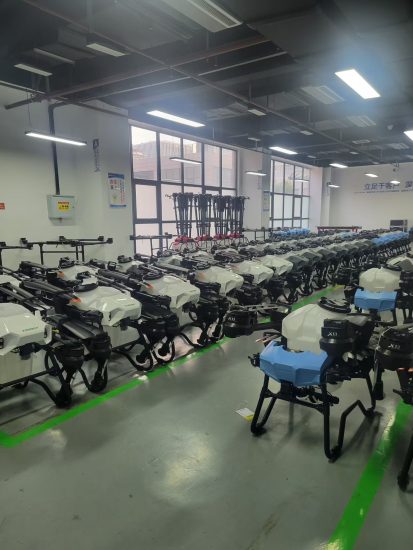
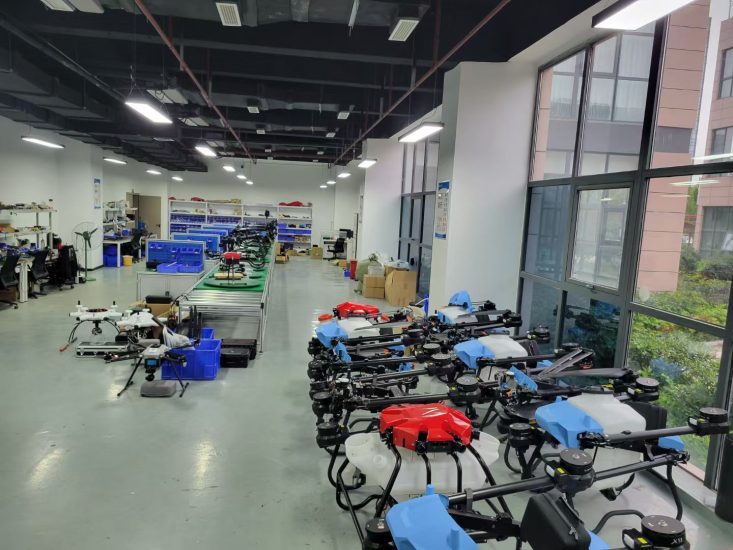
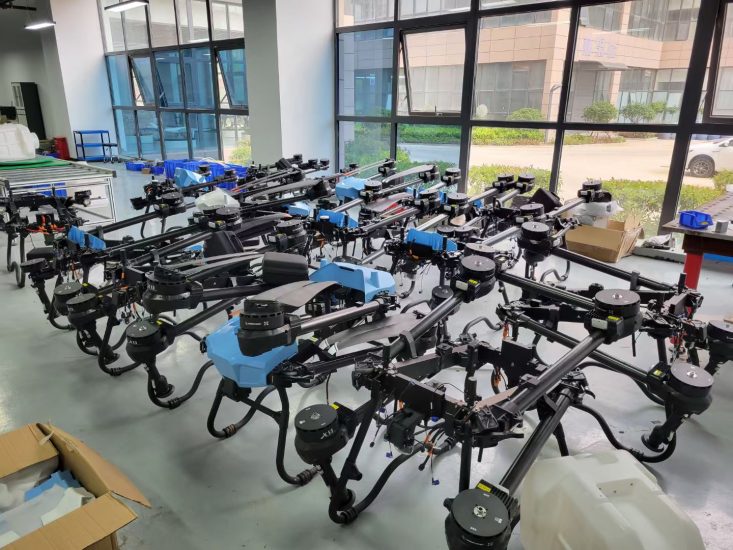
A drone is a complex synergy of carbon fiber frames, high-discharge batteries, precision nozzles, and sophisticated algorithms. Trading companies often source components from various suppliers to cut costs, leading to compatibility issues. A dedicated source factory maintains strict vertical integration. Every component, from the brushless motors to the centrifugal spray heads, is tested under extreme conditions before assembly. This holistic quality control minimizes the “infant mortality” rate of new units—a critical factor in maintaining your reputation as a distributor.
1.3 Agile Supply Chain Response
The agricultural season is unforgivingly short. A delay in shipment by even two weeks can mean missing an entire spraying season, rendering inventory worthless until the following year. Source factories prioritize their direct partners during peak seasons. They maintain buffer stocks of critical components and have the production flexibility to ramp up output to meet sudden surges in demand, ensuring you never miss a sales window.
Chapter 2: The 2024 New Generation Platform – A Technical Overview
The 2024 models represent a quantum leap over previous generations. The focus has shifted from merely “flying and spraying” to “intelligent autonomy and durability.”
2.1 Structural Innovation: Portability Meets Ruggedness
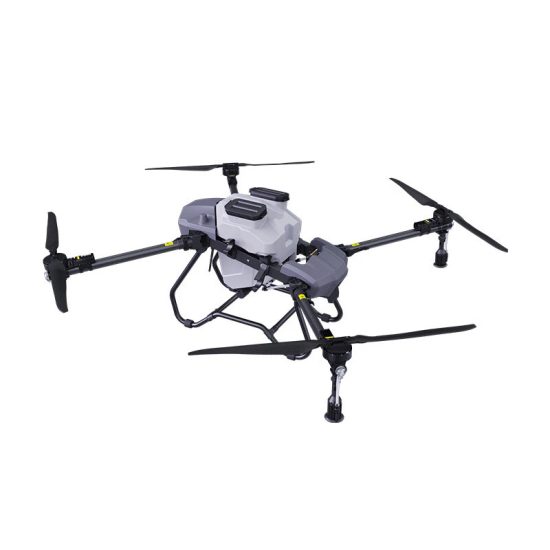
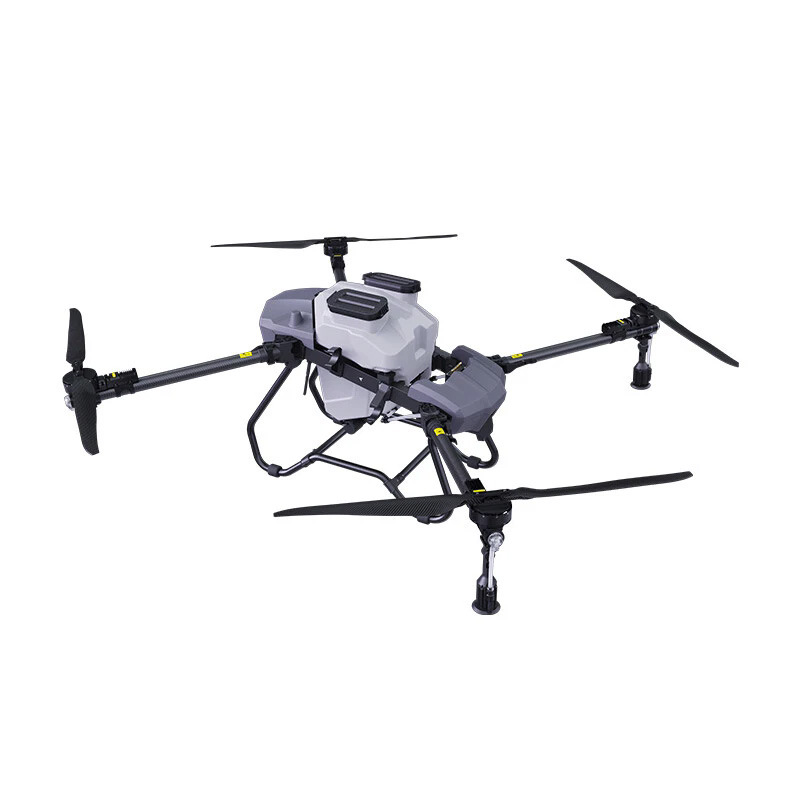
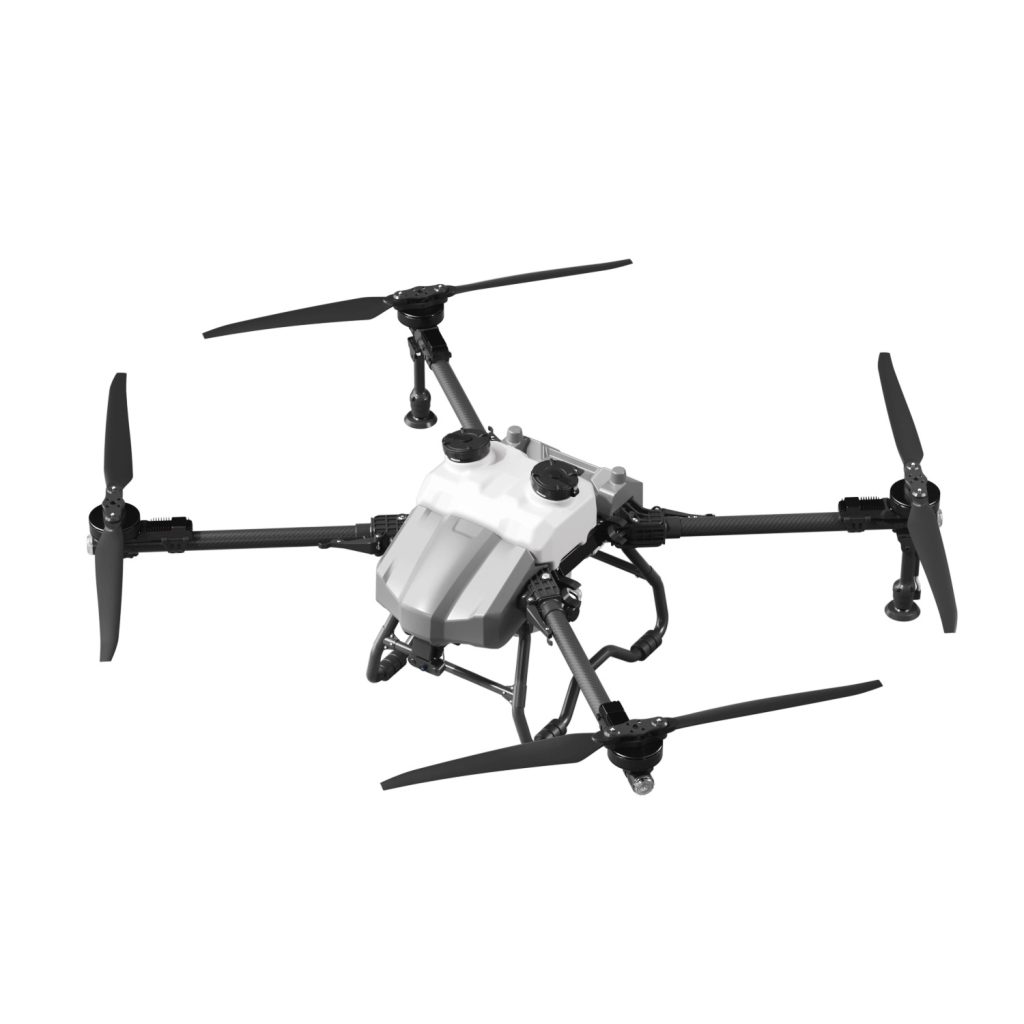
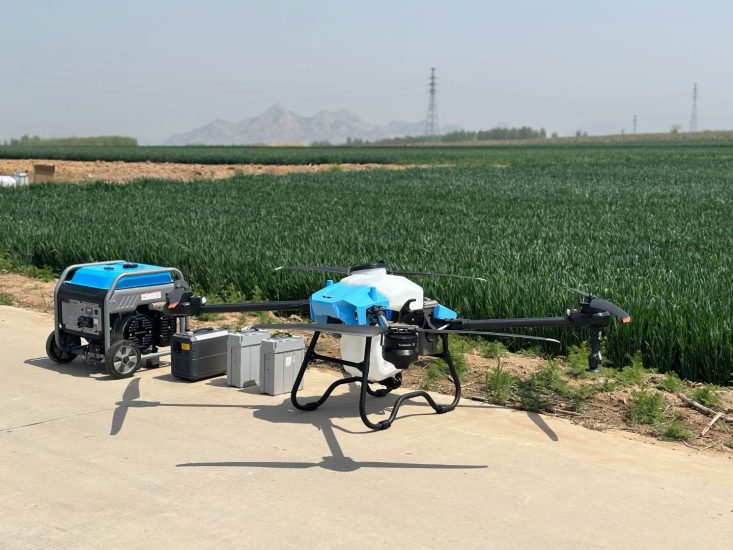
The latest airframes utilize high-strength, aviation-grade carbon fiber composites. These materials offer an exceptional strength-to-weight ratio, allowing for larger payloads without compromising flight stability. Furthermore, the industry standard has moved towards foldable designs. A 16L or 20L drone that once required a truck for transport can now fit into the trunk of a sedan. This portability is crucial for small-scale contractors who move between fragmented plots of land.
2.2 Power System Evolution
The 2024 generation features significant upgrades in propulsion. High-torque, low-KV motors paired with ultra-durable propellers provide greater thrust efficiency. This translates to longer flight times and better resistance against wind gusts. Crucially, battery technology has advanced to support fast charging, with intelligent Battery Management Systems (BMS) that prevent overcharge, over-discharge, and overheating—addressing the primary safety concerns of end-users.
2.3 Intelligent Flight Control and Navigation
The brain of the operation is the flight controller. Modern systems integrate RTK (Real-Time Kinematic) positioning, providing centimeter-level accuracy. This eliminates the “drift” common in older GPS models, ensuring precise pesticide application and preventing costly overspray onto neighboring crops. Coupled with terrain-following radar, these drones can maintain a constant altitude above uneven ground, protecting the aircraft from collisions while optimizing spray coverage.
Chapter 3: The Non-Negotiable Importance of International Certifications
For any serious distributor, certifications are not mere paperwork; they are legal prerequisites and marketing assets.
3.1 CE Certification: The Gateway to Europe
The CE mark is mandatory for selling electronics within the European Economic Area. It certifies that the product complies with EU safety, health, and environmental requirements. Partnering with a factory that provides genuine CE certification protects you from customs seizures and legal liabilities. It signals to your European clients that the drone meets stringent electromagnetic compatibility (EMC) standards and is safe for commercial operation.
3.2 FCC Compliance: Accessing the US Market
In the United States, the Federal Communications Commission (FCC) regulates the radio frequencies used by drones. An FCC-compliant drone ensures that its remote control and data transmission systems do not interfere with other critical communications infrastructure. Without FCC certification, your products cannot legally be imported or sold in the U.S., and online marketplaces like Amazon will prohibit listing them.
3.3 Global Market Access
Beyond CE and FCC, reputable factories often secure additional certifications such as RoHS (Restriction of Hazardous Substances) and UN38.3 (for battery transport safety). These certifications collectively de-risk your investment and streamline logistics, allowing you to expand into multiple regions without redesigning the hardware.
Chapter 4: The OEM Branding Strategy – From Distributor to Brand Owner
One of the most compelling reasons to partner with a source factory is the ability to build your own brand through Original Equipment Manufacturer (OEM) services.
4.1 Creating Brand Equity
Selling generic, white-label drones leaves you vulnerable to price wars. Your customers have no loyalty if they can find the same product cheaper elsewhere. By customizing the drone with your logo, color scheme, and branded software interface, you transform from a commodity reseller into a recognized brand. This builds customer trust and allows you to command premium pricing.
4.2 Tailored Marketing Collateral
A professional OEM partner provides more than just physical branding. They supply high-resolution marketing images, detailed specification sheets, and instructional videos customized with your brand identity. This support significantly reduces your marketing costs and accelerates your go-to-market strategy.
4.3 Software Localization
Language barriers are a major hurdle for drone adoption. Factories offering deep OEM support can customize the Ground Control Station (GCS) software to support local languages and even integrate local mapping data. This localization makes the product accessible to average farmers, drastically reducing the learning curve and support calls.
Chapter 5: The 1-Year Warranty – Mitigating Risk in a High-Stakes Industry
Agricultural drones operate in harsh environments—dust, humidity, and chemical corrosion are constant threats. A robust warranty policy is the bedrock of customer confidence.
5.1 Comprehensive Coverage
A serious manufacturer stands behind their product with a 1-year warranty covering core components: the flight controller, motors, ESC (Electronic Speed Controllers), and the airframe structure. This warranty must cover manufacturing defects and premature component failure, not just “dead on arrival” scenarios.
5.2 The Logistics of Repair
Warranty is only as good as the service network. Leading factories support their distributors with a “repair or replace” policy. They maintain spare parts inventories specifically for warranty claims and provide technical guidance for local repairs. Some advanced models feature modular designs where faulty components (like a motor or ESC) can be swapped out in the field in minutes, minimizing downtime during the critical spraying season.
5.3 Remote Diagnostics
Modern drones store flight logs that can be analyzed by the factory’s engineers. If a crash occurs, the distributor can send the log file to the factory for analysis. This allows for a quick determination of whether the issue was pilot error or a mechanical fault, streamlining the warranty claim process and preventing fraudulent claims.
Chapter 6: Global Agent Recruitment – Building a Winning Distribution Network
As a factory looking to expand, recruiting agents is about finding the right partners, not just the most buyers.
6.1 Identifying Ideal Partners
The best agents are not necessarily the largest companies, but those with existing service networks. An ideal agent might already be selling tractors, irrigation systems, or seeds. They have the trust of the farming community and understand the local agronomy. Providing them with a cutting-edge drone adds a high-value service to their portfolio.
6.2 Support Programs for Agents
To attract top-tier agents, a factory must offer comprehensive support:
-
Market Protection: Exclusive territory rights to prevent internal competition.
-
Training: Online and on-site training for both sales staff and technical repair personnel.
-
Demo Units: Subsidized or free demo drones to help agents prove the technology to skeptical farmers.
-
Marketing Funds: Co-op advertising support to boost local visibility.
Chapter 7: The Future Outlook – Beyond Spraying
The plant protection drone of 2024 is evolving into a multi-functional agricultural platform.
7.1 Seeding and Fertilization
Modern drones are equipped with granular spreading systems. This opens up new revenue streams beyond pest control, including rice seeding, fertilizer application, and even fish feed distribution in aquaculture. Agents should emphasize this versatility to increase the utilization rate of the drone throughout the year.
7.2 Data Acquisition and AI
Drones are becoming flying sensors. Equipped with multispectral cameras, they can monitor crop health, identify nutrient deficiencies, and detect disease outbreaks before they are visible to the human eye. Forward-thinking factories are integrating AI analysis tools that provide farmers with prescription maps for variable-rate spraying. This shifts the value proposition from “buying a machine” to “buying data-driven insights.”
Conclusion: Making the Strategic Choice
The agricultural drone market is no longer a niche. It is a mature, essential segment of modern farming. Success in this arena requires a strategic approach that prioritizes quality, compliance, and brand building.
By aligning with a source factory that offers the latest 2024 models, holds full CE/FCC certifications, provides flexible OEM branding, and backs their products with a solid 1-year warranty, you position yourself not just as a seller of hardware, but as a provider of indispensable agricultural solutions. The opportunity is vast, but the window for establishing a dominant brand is narrowing. Choose your manufacturing partner wisely, invest in your brand identity, and build a service network that farmers can rely on. The future of agriculture is automated, precise, and flying overhead. Be ready to lead the way.
THE END


No comments yet