

Amidst Operational Scaling
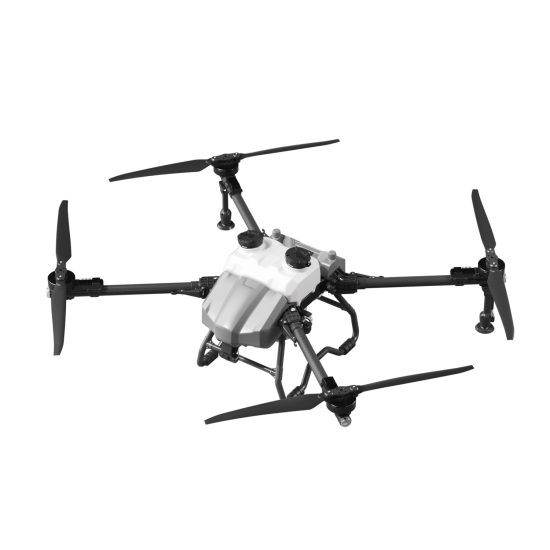
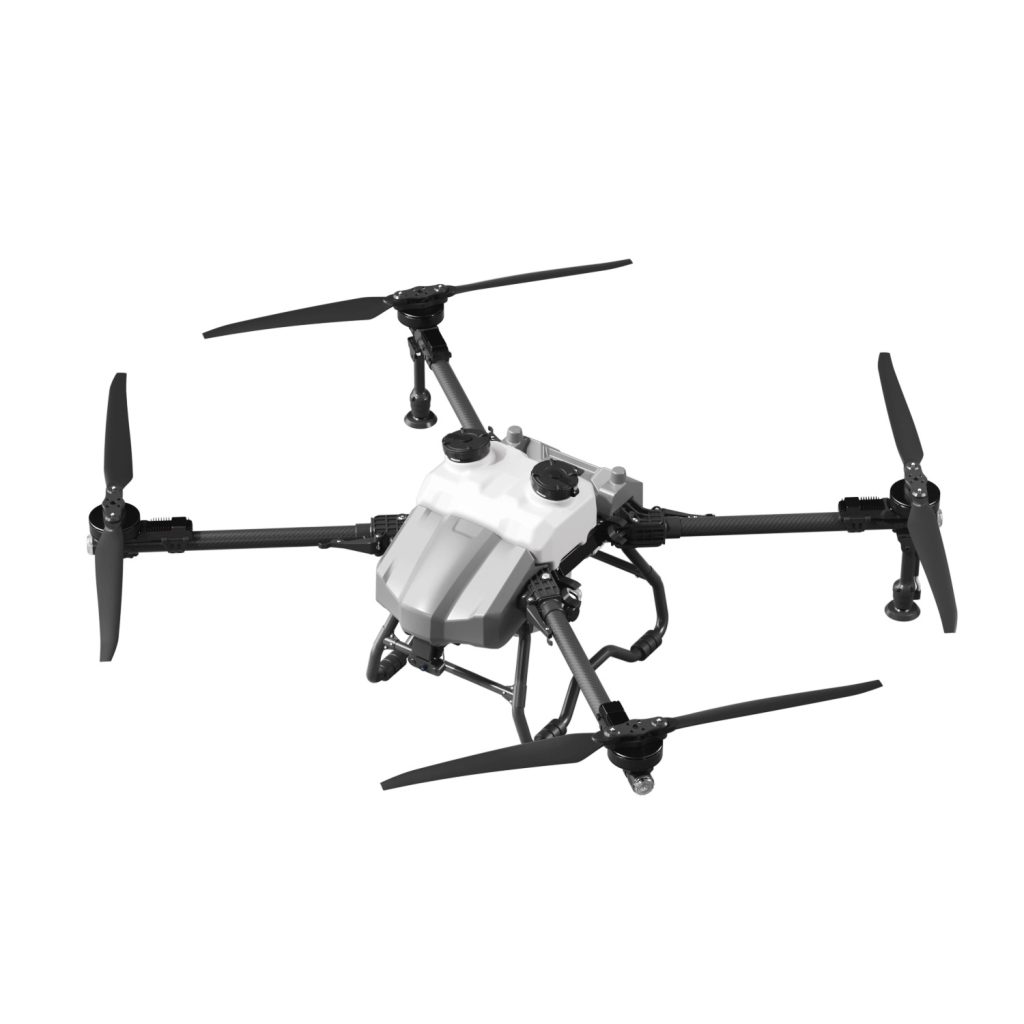
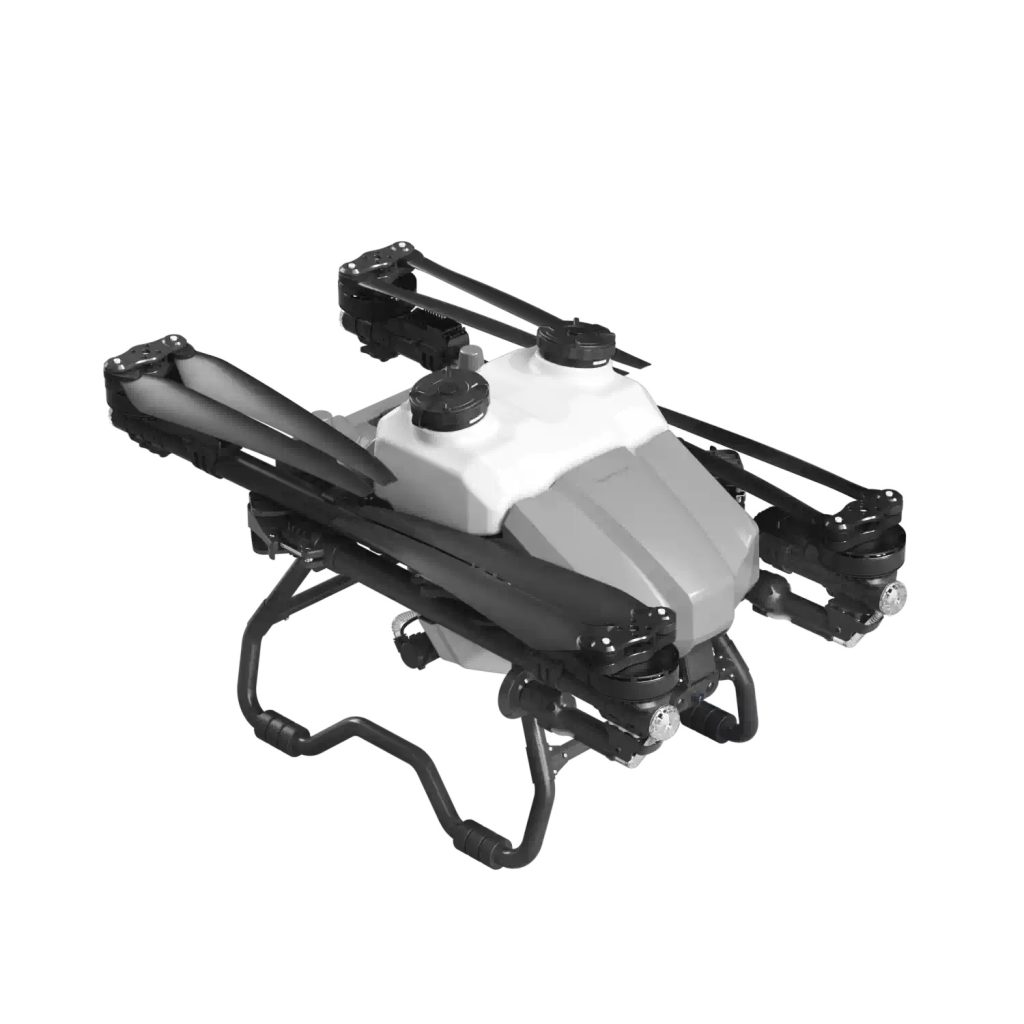
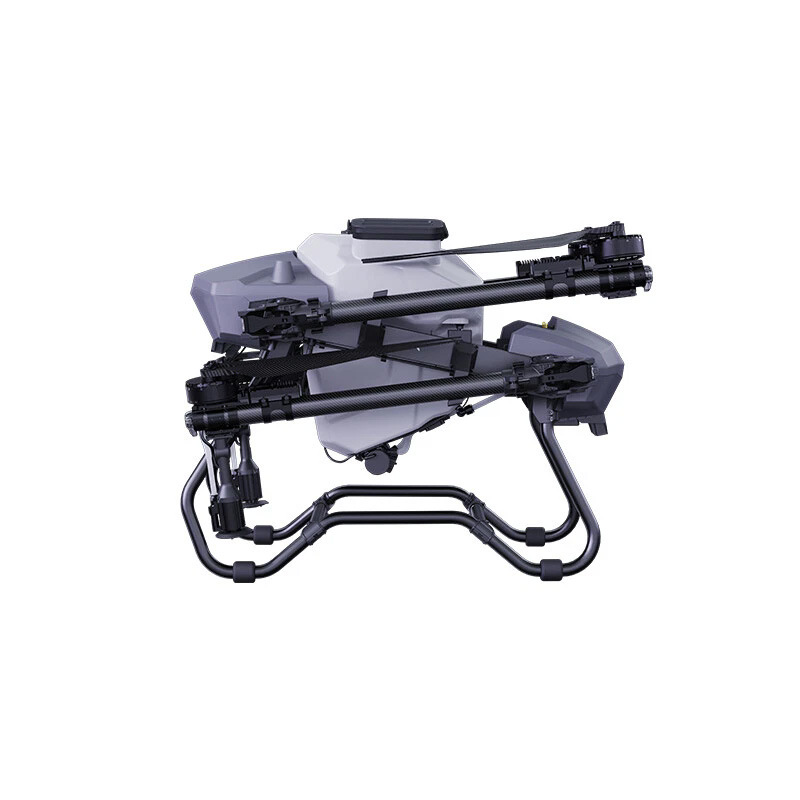
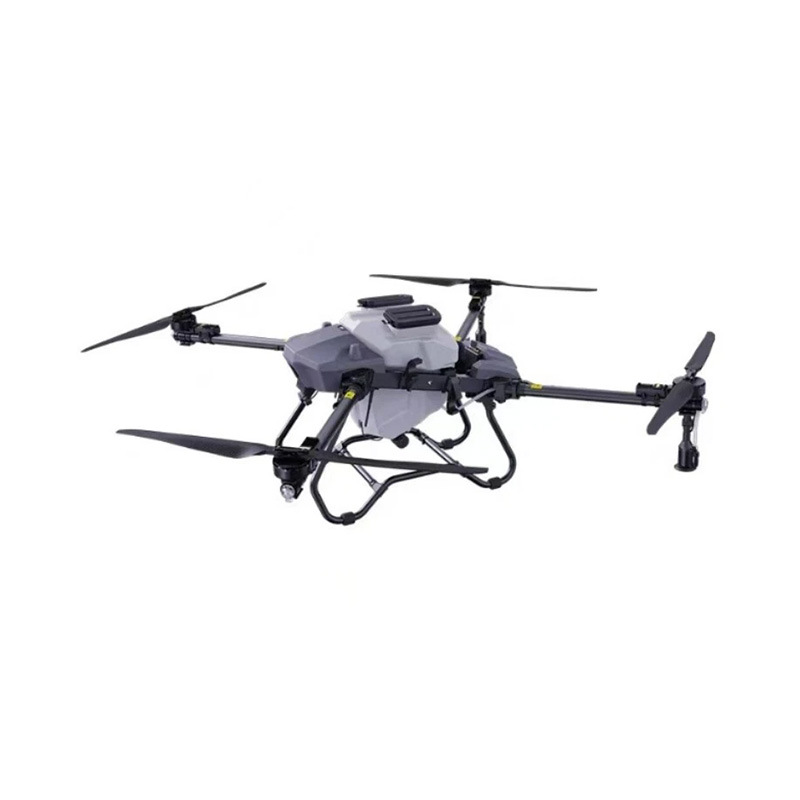
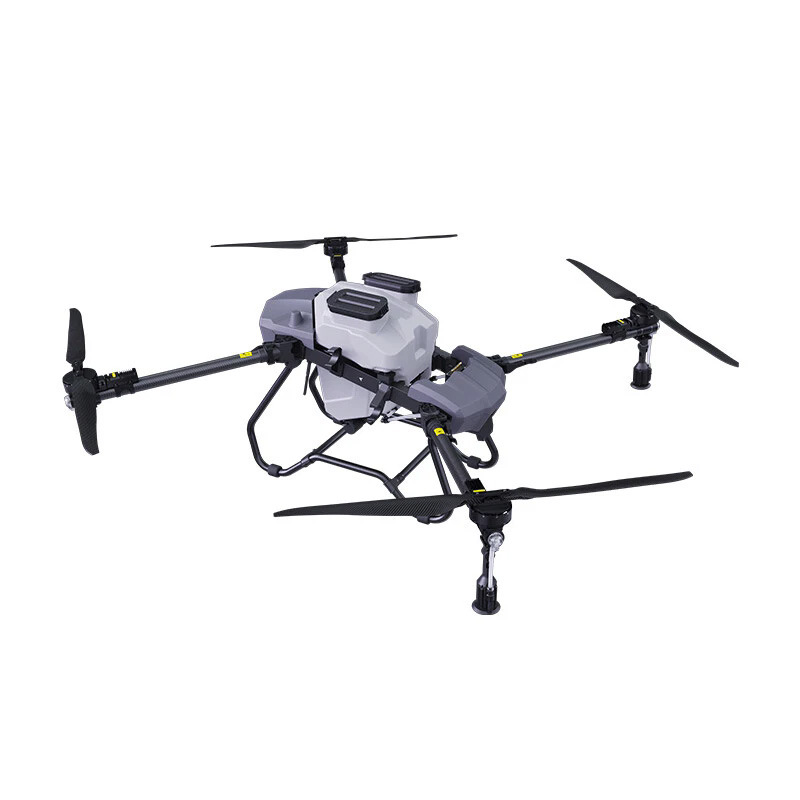
In the high-stakes theater of modern agriculture, capital allocation is a dynamic and often ruthless process. Growth necessitates the shedding of assets as much as the acquisition of new ones. This article analyzes a unique market phenomenon: the sale of near-new, industrial-grade agricultural drones by operators who are “scaling up.” This is not a distress sale born of failure, but a strategic divestiture driven by success. We will deconstruct the technical equivalence of these machines to top-tier, brand-name configurations, explore the financial logic of “beautiful pricing,” and provide a framework for evaluating these high-value opportunities. For the discerning buyer, this represents a rare arbitrage opportunity: acquiring cutting-edge technology at a depreciated cost without the wait time of a new order.
The Paradox of Growth: Why Scaling Up Means Selling Off
To understand the context of this sale, one must first understand the operational lifecycle of a professional drone fleet.
The Pilot Phase to Production Phase Shift
Many agricultural drone businesses begin with a single, high-specification machine. This machine is purchased with the highest possible payload and most advanced sensors to prove the business model. Once the contract volume exceeds the capacity of a single operator or drone, the business scales up. However, scaling up often means standardizing on a specific fleet configuration.
-
The Need for Uniformity: Managing a fleet of different models is a logistical nightmare. Maintenance, spare parts, and pilot training become fragmented.
-
The Transition to Volume: To meet high-volume contracts (e.g., 10,000-acre spraying agreements), operators move to a model of “fleet redundancy.” They sell their high-end, single-unit “prototype” and invest in multiple, standardized units from an OEM production line. This sale is not a rejection of the technology, but an evolution of the business model.
Technical Equivalence: Deconstructing “Same-Spec Configuration”
The claim of “same-spec configuration” is often met with skepticism. However, in the world of industrial drones, specifications are defined by a handful of critical subsystems. When a seller claims parity with top-tier brands, they are referring to the integration of these specific components.
1. The Propulsion and Power System
The heart of any heavy-lift drone is its powertrain.
-
Motors: Top-tier configurations utilize high-torque, 100KV to 150KV brushless motors with neodymium magnets rated for high-temperature operation. These motors are designed to lift 40kg+ payloads without overheating.
-
Electronic Speed Controllers (ESCs): Equivalence means 60A to 100A ESCs with proprietary firmware for smooth throttle response and active braking. The presence of aluminum heat sinks on the ESCs is a key indicator of a high-spec build.
-
Propellers: Carbon fiber propellers, specifically 36-inch to 40-inch sizes, are the standard for industrial lifting. They offer the rigidity required to prevent blade flex under heavy loads.
2. The Avionics and Positioning Suite
This is where the “intelligence” resides.
-
Flight Controller: A high-spec machine uses a flight controller based on industrial-grade IMUs (Inertial Measurement Units) with triple-redundant sensors. It must support RTK (Real-Time Kinematic) positioning.
-
RTK GNSS Module: The inclusion of a multi-band RTK module (L1/L2/L5 bands) is non-negotiable for precision agriculture. This provides centimeter-level accuracy, making the drone functionally equivalent to the most expensive models on the market.
-
Terrain Following Sensors: Millimeter-wave radar for maintaining altitude above uneven crops is a hallmark of a top-tier build.
3. The Spraying and Payload System
-
Pump Technology: High-end machines use imported diaphragm pumps capable of handling high-viscosity chemicals and providing variable flow rates.
-
Nozzle Configuration: The ability to switch between different nozzle types (e.g., TeeJet or equivalents) for different droplet sizes is a sign of a professional system.
The Economics of “Beautiful Pricing”: Depreciation vs. Utility
The term “beautiful pricing” in this context refers to a price point that reflects the depreciation of the asset while ignoring the remaining utility value.
The 30% Rule of Industrial Hardware
Industrial drones, like automobiles, experience the steepest depreciation in the first year. A machine that retails for $30,000 can often be acquired for $18,000-$20,000 within 12 months of light use. This is not because the machine is 30% less capable, but because the market prices in the “fear of the unknown” regarding used electronics. For the informed buyer, this gap is pure profit.
The Cost of Waiting: Lead Times
The global supply chain for high-spec drone components is often constrained. Lead times for new, top-tier machines can be 8 to 12 weeks. A “scaling up” seller is offering immediate availability. The value of deploying a revenue-generating asset 12 weeks earlier than a new order cannot be overstated. At a conservative estimate of $15 per acre in revenue, a 12-week delay on an 800-acre-per-day machine represents a lost opportunity cost of over $80,000. The “beautiful price” is actually a discount on the opportunity cost.
The Due Diligence Framework: Evaluating a “Reluctant Sale”
Buying a used industrial drone requires a rigorous inspection protocol. The buyer must verify that the “same-spec” claim is valid and that the “reluctant sale” is not a “hidden problem” sale.
The Physical Forensics Checklist
-
Carbon Fiber Integrity: Inspect the airframe for “delamination.” Tap the carbon fiber tubes and arms; a dull thud indicates internal separation. Check the motor mounts for hairline cracks radiating from the screw holes.
-
The Motor Test: Perform a static thrust test. Listen for bearing noise. A smooth, high-pitched whine is good. A grinding or rattling sound indicates a worn bearing, which is a costly replacement.
-
The Wiring Harness: Industrial drones vibrate. Check the wiring harness for chafing against the carbon fiber. Look for “strain relief” on all connectors. Exposed wires are a sign of poor maintenance.
The Electronic Health Check
-
Log Analysis: Request the flight logs. Professional flight controllers record every parameter. Look for “hard landings” (vertical speed at touchdown > 2 m/s) and “motor desyncs” (a sign of failing ESCs or motors).
-
Battery Health: Check the cell voltage deviation in the smart batteries. A healthy battery pack has cells balanced within 0.05V. A pack with a deviation of 0.2V or more is nearing the end of its life.
-
Calibration Status: Check the accelerometer and compass calibration data. If the drone has not been calibrated in a dusty environment, the sensors may be contaminated.
The “Scaling Up” Seller Profile: A Trust Signal
The seller who is “scaling up” is the most trustworthy type of used equipment seller. Their motivation is liquidity, not concealment.
Characteristics of a Scaling Operator
-
Maintenance Records: They have a vested interest in maintaining their equipment to the highest standard because it affects their operational efficiency. They will likely have detailed maintenance logs.
-
Clean History: Their machines are typically used for commercial application, meaning they are flown by professionals, not hobbyists. This results in smoother flight profiles and less abuse.
-
The “Fleet” Discount: Often, these sellers are offloading multiple units. Buying two or three from the same seller provides an immediate fleet standardization benefit.
Operational Integration: Making the Acquired Asset Productive
Once the drone is acquired, the focus shifts to integration. Even with “same-spec” hardware, software and workflow integration are key.
Firmware and Software Compatibility
Ensure that the flight controller firmware is up-to-date and compatible with your existing ground control software. Top-tier machines often use open-source or semi-open-source flight stacks (like PX4 or ArduPilot), which offer a high degree of customization but require technical expertise to configure.
Insurance and Liability Transfer
Immediately insure the asset. The “beautiful pricing” allows for a lower insured value, reducing the premium. Ensure the insurance policy covers the new operator, as the risk profile changes with ownership.
Market Dynamics: The Secondary Market for Industrial Drones
The market for used agricultural drones is inefficient. New models are released annually with marginal improvements (e.g., a 5% increase in flight time). However, the core functionality—lifting a payload, flying a grid, and spraying—remains unchanged.
-
The Law of Diminishing Returns: A 2023 model with a 25-minute flight time is functionally identical to a 2024 model with a 27-minute flight time for 95% of applications. The 2023 model, sold by a scaling operator, offers 90% of the performance at 60% of the price.
-
Component Standardization: The industry has standardized on specific battery connectors (e.g., XT90 or AS150), motor mounting patterns, and communication protocols. This means a used drone can easily be integrated into a new operator’s existing ecosystem of chargers and batteries.
The Strategic Advantage: Immediate Competitive Edge
For a new entrant or a small operator, acquiring a “scaling up” seller’s drone provides an immediate competitive edge.
-
Leveling the Playing Field: It allows a small operator to compete with larger firms that have the capital for new equipment.
-
Risk Mitigation: If the business does not scale as expected, the drone can be resold. The “beautiful pricing” minimizes the downside risk because the depreciation curve has already flattened.
Conclusion: The Rational Acquisition
The sale of a high-spec agricultural drone by an operator expanding their fleet is a signal of market health and a unique buying opportunity. It is a transaction where the seller is motivated by growth and the buyer is motivated by value. By focusing on the technical equivalence of core components—RTK positioning, high-torque propulsion, and industrial-grade avionics—the buyer can verify that they are acquiring a tool of equal capability to the most expensive machines on the market. The “beautiful pricing” is a reflection of the asset’s depreciation, not its utility. In the calculus of agricultural investment, acquiring such an asset is not merely a purchase; it is a strategic move that accelerates deployment, reduces capital risk, and provides immediate operational capacity. It is the smartest money in the room.
THE END







No comments yet